
How Does Exercise Extend Healthspan?
Updated June 2026: I’ve been monitoring the latest research on exercise and its impact on extending healthspan, and recent developments in 2024-2025 have truly expanded our understanding. New longitudinal studies from global cohorts suggest that incorporating high-intensity interval training (HIIT) and personalized exercise regimens can significantly delay age-related decline in physical and cognitive functions. Additionally, groundbreaking research published this year highlights the role of molecular markers—like sirtuins and NAD+ levels—in mediating exercise-induced health benefits, opening doors for targeted therapies and lifestyle interventions. These advancements reinforce the idea that not just exercise, but tailored, science-backed routines are crucial for maximizing healthspan.
Exercise extends healthspan by helping the body stay stronger, more metabolically efficient, and more resilient as it ages. Regular physical activity influences many of the biological mechanisms linked to healthy aging, including inflammation, insulin sensitivity, cardiovascular function, mitochondrial health, and muscle preservation. These effects do not just support a longer life. They also improve the quality of those years by helping maintain mobility, cognition, independence, and overall vitality.
Exercise is not only about fitness or appearance. It is one of the most effective lifestyle strategies for supporting healthy aging and improving the biomarkers associated with long-term health. Research in longevity science shows that regular movement reduces the risk of many chronic diseases while helping the body adapt better to physical and psychological stress. Learn more in our complete guide to longevity.
This article explains how exercise affects aging at both the biological and functional level, and why it plays such an important role in extending healthspan. From muscle and bone preservation to metabolic health and cognitive resilience, exercise remains one of the strongest pillars of a longevity-focused lifestyle.
Understanding the Connection: Does Exercise Extend Healthspan?
How Exercise Influences Longevity and Quality of Life
Exercise helps extend healthspan because it directly influences the systems that tend to decline with age. Regular physical activity supports cardiovascular health, improves blood sugar regulation, enhances circulation, and helps preserve strength and mobility. These benefits reduce the likelihood of chronic disease while also supporting day-to-day physical function.
One of the clearest links between exercise and healthspan is disease prevention. Consistent movement is associated with a lower risk of heart disease, type 2 diabetes, obesity, frailty, and certain neurodegenerative conditions. Since many of these conditions reduce both lifespan and quality of life, exercise helps protect not only how long people live, but how well they live.
Even moderate forms of activity such as brisk walking, cycling, swimming, or resistance training can produce meaningful benefits when performed consistently. Healthspan is shaped by repeated habits over time, and exercise is one of the most powerful habits for improving long-term resilience.
The Biological Impact of Exercise on Aging
Cellular and Molecular Benefits of Exercise
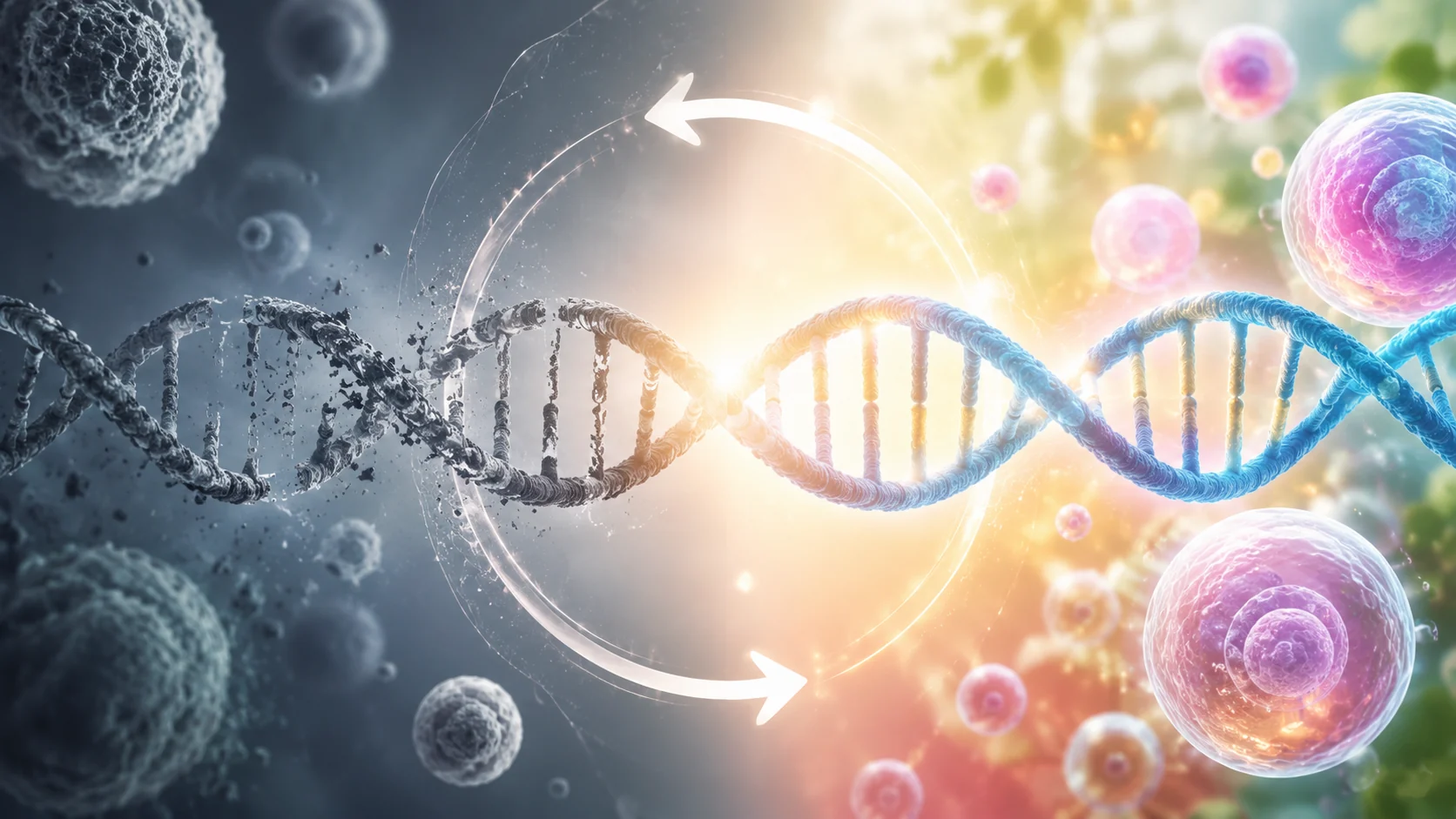
Exercise affects aging at the cellular level by improving mitochondrial function, supporting energy production, and reducing oxidative stress. Mitochondria are essential for cellular energy, and their function often declines with age. Physical activity helps maintain mitochondrial efficiency, which supports better metabolic health and may reduce some of the cellular dysfunction associated with aging.
Exercise also influences gene expression, protein signaling, and repair processes involved in healthy aging. It supports pathways linked to cellular maintenance, stress adaptation, and tissue remodeling. These changes help explain why exercise has such broad effects across the body, from muscle and bone to the brain, immune system, and cardiovascular system.
These biological effects are part of the reason exercise is central to longevity science. It does not target a single symptom. It improves the underlying systems that determine how well the body functions over time.
Inflammation and Immune Function
Chronic low-grade inflammation is one of the hallmarks of aging and is closely linked to many age-related diseases. Regular exercise helps regulate inflammatory processes, often lowering the systemic inflammation associated with sedentary living, excess body fat, and poor metabolic health.
Exercise also supports immune function. While extreme overtraining can be problematic, appropriately dosed physical activity helps the immune system stay responsive and better regulated with age. This is important because immune decline contributes to poor recovery, increased illness risk, and reduced resilience in later life.
By improving inflammatory balance and supporting immune health, exercise contributes to healthier aging at a foundational level. These effects are especially valuable because they influence many other dimensions of healthspan, including cardiovascular function, recovery capacity, and disease risk.
How Exercise Enhances Physical and Cognitive Resilience
Maintaining Muscle Mass and Bone Density
One of the most important ways exercise extends healthspan is by preserving muscle mass, strength, balance, and bone density. Age-related muscle loss, known as sarcopenia, can reduce mobility, increase fall risk, and undermine independence. Resistance training and weight-bearing exercise help counter these changes by stimulating muscle maintenance and supporting skeletal strength.
Preserving physical capability is a major part of healthy aging. Strength and mobility influence whether people can carry out daily tasks, remain active, and avoid disability as they get older. This makes exercise essential not only for disease prevention, but also for maintaining functional independence and quality of life.
Weight training, walking, stair climbing, and impact-appropriate activities all contribute to musculoskeletal resilience. Over time, these habits help maintain the physical reserve needed to stay capable and active through later decades of life.
Cognitive Health and Mental Well-being
Exercise also supports brain health. Regular physical activity improves blood flow to the brain, supports neuroplasticity, and is associated with better memory, executive function, and mood regulation. These effects are highly relevant to healthspan because cognitive decline can significantly affect independence and wellbeing.
Aerobic exercise appears particularly valuable for cognitive resilience, though resistance training and coordination-based activities may also provide benefits. Physical activity can help reduce the risk of depression, support stress regulation, and improve sleep quality, all of which influence healthy aging and long-term quality of life.
This connection between movement and mental performance highlights an important point: healthspan is not just about preventing disease. It is also about maintaining clarity, emotional stability, and the ability to engage fully with life as the years progress.
Practical Tips for Maximizing Exercise Benefits for Longevity
Creating an Effective Routine
The most effective exercise routine for healthspan is one that is balanced and sustainable. A strong foundation usually includes aerobic activity for cardiovascular and metabolic health, resistance training for strength and muscle preservation, and mobility or flexibility work to support movement quality and joint function.
For many adults, a practical target is at least 150 minutes of moderate activity per week combined with regular strength training. However, the best routine is the one that can be maintained consistently. Walking, cycling, swimming, strength training, yoga, and recreational sports can all contribute to a healthy aging strategy when performed regularly.
Variety also helps. Combining multiple forms of movement improves broader physical capacity and reduces the risk of becoming limited in one area of fitness. This more complete approach supports long-term resilience across the cardiovascular, musculoskeletal, and nervous systems.
Overcoming Barriers and Staying Motivated
Consistency matters more than intensity. Many people struggle with time, energy, or motivation, but healthspan benefits do not depend on perfection. Small, repeatable actions such as daily walking, short resistance sessions, or scheduled activity breaks can build powerful long-term results.
Setting realistic goals, tracking progress, and choosing enjoyable activities can make exercise far easier to sustain. A useful mindset is to view movement as a core part of a healthy lifestyle rather than a temporary challenge or punishment. This shift often improves adherence because exercise becomes part of daily identity rather than an occasional effort.
Over time, the cumulative effects of regular movement can be substantial. Better metabolism, improved biomarkers, stronger muscles, lower inflammation, and greater physical confidence all contribute to extending healthspan and supporting healthy aging.

References and Resources
These references offer useful background on how exercise influences aging biology, physical resilience, cognitive health, and long-term healthspan. They provide a strong starting point for exploring the science behind exercise and longevity in greater depth:
Authoritative Sources on Does Exercise Extend Healthspan
-
CDC – Physical Activity Basics
cdc.govProvides clear guidance on the health benefits of physical activity, including its role in reducing disease risk and supporting healthy aging.
-
Exercise and Aging: Biological Mechanisms
nih.govExplores how exercise influences cellular aging, mitochondrial function, inflammation, and biological pathways linked to longevity.
-
WHO – Physical Activity
who.intGlobal guidance on physical activity and health, including the importance of movement across the lifespan for disease prevention and functional health.
-
Alliance for Aging Research
agingresearch.orgOffers educational resources on aging and healthy lifestyle factors that influence long-term resilience and quality of life.
-
NIH – Research on Exercise and Aging
nih.govCovers research findings on how exercise affects different dimensions of health, including aging, metabolism, and disease risk.
-
Verywell Fit – Exercise and Longevity
verywellfit.comProvides accessible summaries and practical advice on building sustainable exercise habits that support long-term health.
-
American Society for Nutrition
nutrition.orgDiscusses how diet, exercise, and lifestyle interact to influence aging, metabolic health, and healthspan.
Frequently Asked Questions
Does exercise genuinely impact the length of my healthspan?
Yes. Regular exercise can meaningfully extend healthspan by lowering disease risk, preserving physical function, and supporting cognitive health. It helps people remain healthier, stronger, and more independent as they age.
How exactly does exercise influence aging at the cellular level?
Exercise improves mitochondrial function, supports cellular repair, reduces oxidative stress, and influences signaling pathways linked to healthy aging. These effects help the body maintain function more effectively over time.
Can exercise reduce the risk of age-related diseases?
Yes. Consistent physical activity is associated with a lower risk of heart disease, type 2 diabetes, obesity, frailty, and some neurodegenerative conditions. This is one of the main reasons exercise is so important for longevity and healthspan.
What are some practical ways I can exercise to maximize my healthspan?
A balanced routine works best. Combine aerobic activity, strength training, and mobility work, and focus on consistency rather than intensity alone. Walking, resistance training, cycling, swimming, and flexibility work can all be effective when done regularly.
Conclusion
Exercise extends healthspan by influencing many of the core processes involved in aging. It improves metabolism, reduces inflammation, supports cardiovascular and immune function, preserves muscle and bone, and strengthens cognitive resilience. These effects make physical activity one of the most effective tools for promoting healthy aging.
Regular movement does more than add years to life. It helps add function, independence, and vitality to those years. For anyone interested in longevity science, healthspan, and long-term wellbeing, exercise remains a foundational lifestyle strategy with benefits that accumulate across the entire lifespan.
Find out more information about “Does Exercise Extend Healthspan”
Search for more resources and information: