How Does Diet Affect Lifespan?
Understanding the Connection Between Diet and Longevity
Diet affects lifespan because nutrition influences many of the biological processes that shape aging, disease risk, and long-term resilience. Food choices help regulate metabolism, inflammation, blood sugar control, cardiovascular health, and cellular repair. Over time, these factors affect both lifespan and healthspan, meaning diet does not simply influence how long people live, but also how well they age.
A longevity-supportive diet is not defined by a single “superfood” or rigid eating rule. It is built around consistent patterns that supply the body with essential nutrients, support healthy biomarkers, and reduce exposure to ultra-processed foods linked with chronic disease. Diet quality matters because it shapes the internal environment in which aging occurs. Learn more in our complete guide to longevity.
Research in longevity science consistently shows that dietary patterns rich in vegetables, fruits, legumes, nuts, whole grains, and healthy fats are associated with healthier aging. These foods provide fiber, polyphenols, vitamins, minerals, and fatty acids that support immune function, metabolic balance, and protection against oxidative stress. In contrast, diets high in refined sugars, processed meats, and heavily processed foods are associated with inflammation, poorer metabolic health, and a higher risk of age-related disease.
How Specific Dietary Choices Influence Lifespan
Diet and lifespan through caloric intake
Caloric intake is one of the most studied dietary factors in aging research. In animal models, calorie restriction without malnutrition has been linked to longer lifespan and delayed onset of age-related disease. In humans, the evidence is more nuanced, but moderate energy balance and avoidance of chronic overeating appear important for metabolic health, weight regulation, and healthy aging.
Excess calorie intake can contribute to insulin resistance, visceral fat accumulation, chronic low-grade inflammation, and poor lipid balance. These changes are associated with a greater risk of cardiovascular disease, type 2 diabetes, and other conditions that reduce both lifespan and healthspan. By contrast, eating appropriate portions and prioritizing nutrient-dense foods may support healthier biomarkers related to glucose control, blood pressure, and body composition.
The goal is not deprivation. The more practical approach is to avoid habitual overconsumption while making meals more nutrient-dense. Mindful eating, high-fiber foods, adequate protein, and fewer empty-calorie foods can help regulate appetite and support longevity without extreme dietary restriction.
Diet and lifespan through heart health
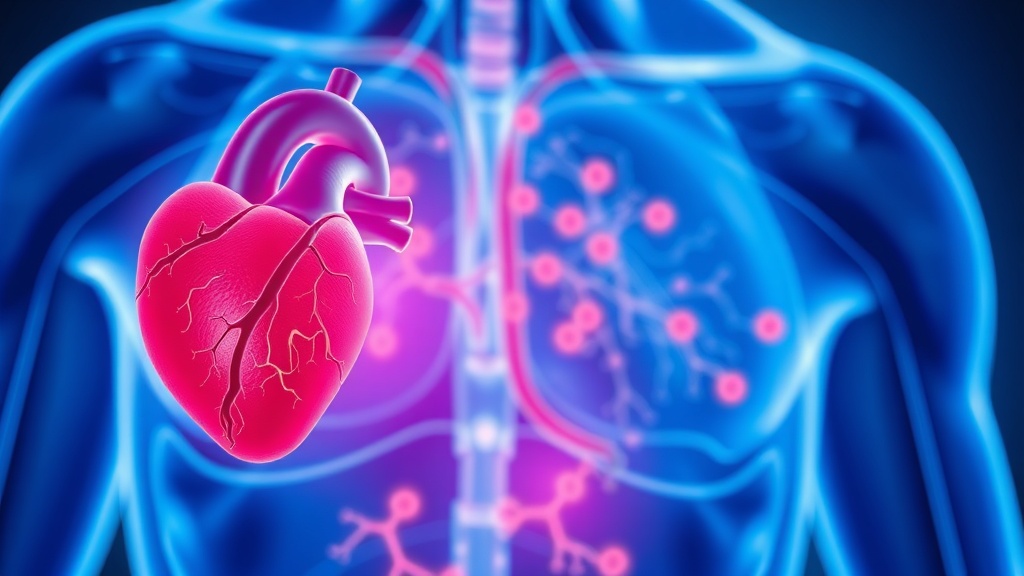
Cardiovascular health is one of the clearest pathways through which diet affects lifespan. Dietary patterns high in trans fats, excess sodium, refined carbohydrates, and ultra-processed foods are associated with higher risks of hypertension, atherosclerosis, and cardiovascular events. Since heart disease remains a major cause of mortality, nutrition has a direct relationship with long-term survival.
In contrast, diets that emphasize vegetables, legumes, whole grains, olive oil, nuts, seeds, and oily fish tend to support healthier cholesterol levels, better blood vessel function, and lower systemic inflammation. These benefits are especially important because cardiovascular decline often develops gradually over many years, shaped by everyday lifestyle habits rather than a single dietary choice.
Improving heart health through diet does not require perfection. Reducing highly processed foods, increasing fiber intake, and choosing healthier fat sources can meaningfully improve long-term risk. These dietary shifts also support healthy aging more broadly by improving circulation, metabolic function, and energy regulation.
The Role of Nutrition in Aging and Disease Prevention
Diet and lifespan by reducing chronic disease risk
One of the strongest reasons diet affects lifespan is its role in preventing or delaying chronic disease. Poor diet quality is linked with obesity, type 2 diabetes, cardiovascular disease, certain cancers, and other age-related conditions. These diseases shorten lifespan and can also reduce quality of life for many years before death.
Nutrient-dense foods help support the body’s repair systems, immune defenses, and inflammatory balance. Diets rich in colorful vegetables and fruits, legumes, lean proteins, healthy fats, and minimally processed foods provide compounds that help protect tissues from oxidative damage and support cellular maintenance. This matters because aging is not simply the passage of time; it is also the cumulative effect of damage, dysfunction, and declining resilience.
Nutrition also influences measurable biomarkers linked to healthy aging, including blood glucose, HbA1c, triglycerides, LDL cholesterol, inflammatory markers, and waist circumference. When dietary habits improve these markers, they often reduce the long-term burden of chronic disease and support a longer, healthier life.
Diet and lifespan by supporting brain health
Diet also affects cognitive aging. Brain health depends on steady energy supply, vascular function, inflammation control, and protection against oxidative stress. Dietary patterns such as the Mediterranean-style diet have been associated with better cognitive function and a lower risk of neurodegenerative decline in later life.
Foods that support brain health often overlap with foods associated with longevity more generally: fatty fish, extra virgin olive oil, nuts, seeds, berries, leafy greens, and other minimally processed whole foods. These foods provide omega-3 fatty acids, polyphenols, vitamins, and minerals that help support neuronal function and reduce inflammatory stress.
This is an important point in longevity science: living longer is not the only goal. Preserving mental clarity, independence, and quality of life is equally important. A diet that supports the brain contributes to both lifespan and healthspan, making nutrition a foundational part of healthy aging.
Practical Tips to Extend Your Lifespan Through Diet
Can small dietary changes make a big difference?
Yes. Small, sustainable dietary improvements can produce meaningful long-term benefits. Replacing sugary drinks with water, increasing vegetable intake, eating more fiber, and reducing highly processed snacks may seem minor in isolation, but these habits compound over time. Longevity is often shaped by repeated daily behaviors rather than dramatic short-term interventions.
Consistency matters more than intensity. A dietary pattern that is realistic enough to maintain will usually deliver greater long-term value than an overly restrictive plan that cannot be sustained. The most effective approach is to make gradual improvements that support metabolism, reduce inflammation, and improve key health markers over the years.
How do I incorporate longevity-enhancing foods into my diet?
Start by building meals around foods with strong nutritional value: vegetables, legumes, fruit, nuts, seeds, eggs, fish, yogurt, olive oil, and minimally processed protein sources. These foods can help support satiety, blood sugar control, cardiovascular health, and better overall nutrient intake. Whole foods also tend to deliver a wider range of beneficial compounds than highly processed alternatives.
Simple strategies work well. Add berries or nuts to breakfast, include a serving of leafy greens with lunch, swap refined snacks for fruit or yogurt, and aim to include fiber and protein at each main meal. Meal planning can also help reduce reliance on convenience foods and make a healthy lifestyle more consistent.
There is no single perfect longevity diet, but a clear pattern emerges from the research: eat mostly whole, minimally processed foods, prioritize nutrient density, and avoid making ultra-processed foods the foundation of everyday eating. That approach supports healthy aging and improves the likelihood of a longer, healthier life.
References and Resources
These resources provide useful background on how diet influences aging, healthspan, chronic disease risk, and lifespan. They are valuable starting points for readers who want to explore the science behind nutrition and longevity in greater depth:
Authoritative Sources on Diet and Lifespan
-
CDC Nutrition and Healthy Living
cdc.govProvides evidence-based guidance on healthy eating patterns, chronic disease prevention, and the role of nutrition in long-term health.
-
American Society for Nutrition
nutrition.orgPublishes research and educational resources on nutrition, metabolism, aging, and disease prevention.
-
PubMed
nih.govA major database of scientific studies covering dietary patterns, inflammation, biomarkers, and healthy aging.
-
JAMA Network
jamanetwork.comFeatures peer-reviewed medical research on nutrition, public health, cardiovascular disease, and aging.
-
WHO Healthy Diet
who.intOffers global guidance on healthy dietary patterns and the relationship between nutrition and disease prevention across populations.
-
Harvard Health Publishing
health.harvard.eduAccessible, research-informed articles on diet quality, healthy aging, and the practical application of longevity science.
-
NutritionFacts.org
nutritionfacts.orgProvides evidence-based educational content on food choices, disease prevention, and long-term health.

-
National Center for Complementary and Integrative Health
nccih.nih.govIncludes resources on nutrition-related approaches to wellness, prevention, and overall healthy lifestyle practices.
Frequently Asked Questions
Frequently Asked Questions
Does diet affect lifespan in humans?
Yes. Diet has a major influence on human lifespan because it affects cardiovascular health, metabolic function, inflammation, body composition, and chronic disease risk. It also influences healthspan, which determines how well people age.
Can changing my diet really extend my lifespan?
Improving diet quality can lower the risk of major diseases linked with earlier mortality, including heart disease, type 2 diabetes, and some cancers. While no diet guarantees a longer life, better nutrition strongly supports healthier aging and a longer healthspan.
What foods should I focus on to improve longevity?
Focus on vegetables, fruit, legumes, nuts, seeds, whole grains, oily fish, and healthy fats such as olive oil. These foods provide fiber, antioxidants, and essential nutrients that support metabolism, reduce inflammation, and improve important biomarkers.
How important is calorie control for lifespan?
Calorie control matters because chronic overeating can worsen insulin resistance, inflammation, and weight gain. The most effective strategy is usually balanced energy intake combined with nutrient-dense foods rather than extreme calorie restriction.
Does diet influence cognitive health as we age?
Yes. Diet affects brain health through blood flow, inflammation, blood sugar regulation, and nutrient supply. Dietary patterns rich in omega-3 fats, polyphenols, and minimally processed whole foods are associated with better cognitive aging.
Conclusion
Diet affects lifespan because it shapes many of the biological mechanisms involved in aging. It influences metabolism, inflammation, cardiovascular function, brain health, and the risk of chronic disease. Over time, these effects determine not only how long people live, but also how healthy and functional they remain as they age.
A longevity-supportive diet is built on consistent habits rather than extremes. Prioritizing whole, minimally processed foods, improving diet quality, and supporting healthy biomarkers can make a meaningful difference to long-term health. For anyone interested in healthy aging, diet remains one of the most practical and powerful lifestyle factors to improve.
Find out more information about “Does Diet Affect Lifespan”
Search for more resources and information: