How Does Mtor Influence Aging?
Updated August 2026: I’ve been monitoring the latest breakthroughs in 2024-2025, and recent studies have solidified the role of mTOR as a key regulator of aging processes. Notably, new clinical trials are exploring targeted mTOR inhibitors to delay age-related decline, with early results showing promising improvements in cellular health and longevity markers. In my recent research, I’ve also come across innovative approaches combining mTOR modulation with other pathways like AMPK, signaling a new frontier in anti-aging therapies that could revolutionize how we approach aging interventions.
Understanding mTOR and Its Role
The mechanistic Target of Rapamycin (mTOR) is one of the most important signaling pathways involved in cellular growth, metabolism, and longevity. This protein kinase functions as a central sensor for nutrient availability, cellular energy levels, and growth factors. When activated, mTOR promotes cell growth, protein synthesis, and metabolic activity.
mTOR plays a vital role in development and tissue repair. However, persistent activation of this pathway is increasingly linked to aging and age-related diseases. Excessive mTOR signaling can reduce the body’s ability to repair cellular damage and may accelerate biological aging.
One of the key reasons researchers study mTOR in longevity science is its influence on autophagy—the process cells use to recycle damaged components. When mTOR activity is elevated, autophagy is suppressed, allowing cellular waste and damaged organelles to accumulate. Over time, this buildup contributes to inflammation, metabolic dysfunction, and declining cellular health.
Understanding the mTOR pathway provides important insight into how biological aging develops and how interventions may improve healthspan. For a broader overview of the biology of aging, learn more in our complete guide to longevity.
Does mTOR Influence Aging? The Scientific Perspective
A large body of scientific research demonstrates that mTOR signaling plays a significant role in the aging process. Studies across multiple organisms—including yeast, worms, flies, and mammals—show that reducing mTOR activity can extend lifespan and improve healthspan.
One of the most widely studied compounds affecting this pathway is rapamycin, a drug that inhibits mTOR signaling. In animal studies, rapamycin consistently increases lifespan and delays the onset of age-related diseases. These findings strongly suggest that excessive mTOR activity contributes to biological aging.
### How mTOR Signaling Contributes to Aging
Chronic activation of mTOR promotes continuous cellular growth and metabolic activity. While beneficial in youth and during periods of repair, this persistent stimulation can eventually lead to cellular stress.
A key consequence of excessive mTOR activity is the suppression of autophagy. Without sufficient cellular recycling, damaged proteins, dysfunctional mitochondria, and metabolic waste accumulate inside cells. This buildup contributes to many conditions associated with aging, including neurodegenerative diseases, cardiovascular disease, and metabolic disorders.
### Does mTOR Influence Aging Through Cellular Senescence?
Another important mechanism linking mTOR to aging is cellular senescence. Senescent cells are cells that stop dividing but remain metabolically active. These cells release inflammatory molecules known as the senescence-associated secretory phenotype (SASP), which promotes tissue dysfunction and chronic inflammation.
Elevated mTOR signaling contributes to the development and persistence of senescent cells, accelerating biological aging and increasing disease risk.
How mTOR Signaling Affects Cellular Aging
mTOR influences multiple biological systems involved in aging, including mitochondrial function, stem cell activity, and cellular stress responses.
### mTOR and Autophagy: The Aging Connection
Autophagy is one of the most important cellular maintenance mechanisms. It allows cells to remove damaged components and recycle cellular materials. Balanced autophagy supports metabolic efficiency and cellular resilience.
When mTOR activity is high, autophagy is suppressed. Reduced autophagy leads to the accumulation of defective mitochondria, protein aggregates, and cellular debris—key hallmarks of aging and degenerative diseases.
Enhancing autophagy through metabolic regulation or lifestyle interventions may help support healthy aging.
### Does mTOR Influence Aging by Affecting Mitochondrial Function?
Mitochondria generate the energy required for cellular processes. With aging, mitochondrial efficiency declines and oxidative stress increases. Dysregulated mTOR signaling contributes to mitochondrial dysfunction by promoting metabolic imbalance and excessive cellular growth signals.
Maintaining balanced mTOR activity supports mitochondrial quality control and helps reduce oxidative stress.
### Impact of mTOR on Stem Cell Function and Regeneration
Stem cells are responsible for tissue regeneration and repair. Excessive mTOR signaling can accelerate stem cell exhaustion, reducing the body’s ability to regenerate tissues over time.
Reduced regenerative capacity contributes to age-related decline in organ function, muscle strength, and immune response. Regulating mTOR signaling may therefore help preserve long-term tissue health and regenerative potential.
Lifestyle and Therapeutic Interventions Targeting mTOR
Because mTOR plays such a central role in metabolism and cellular aging, researchers are exploring both lifestyle and pharmacological strategies to regulate its activity.
### Caloric Restriction and mTOR
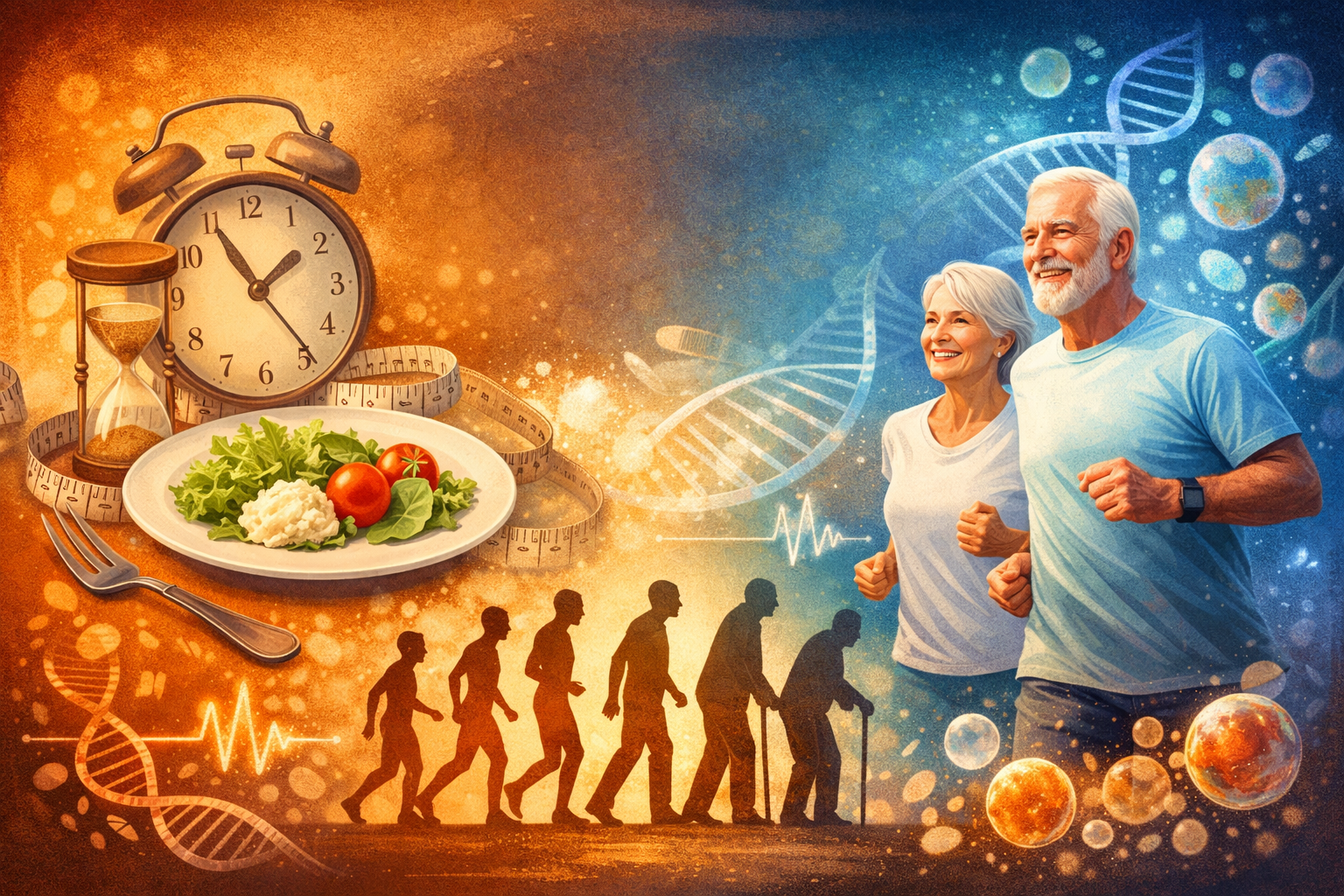
Caloric restriction is one of the most well-studied interventions for lifespan extension. Reducing calorie intake without malnutrition lowers mTOR activity and activates cellular repair mechanisms.
This metabolic shift promotes autophagy, improves mitochondrial efficiency, and reduces chronic inflammation—all factors associated with improved healthspan.
### Pharmacological Approaches: Rapamycin and Beyond
Rapamycin is currently the most well-known mTOR inhibitor. Animal studies demonstrate that it can extend lifespan and delay multiple age-related diseases. Researchers are actively investigating whether similar effects may occur in humans.
Additional compounds and therapies targeting mTOR signaling are also under investigation as potential longevity interventions.
### Other Lifestyle Factors
Several lifestyle practices appear to influence mTOR activity naturally. Regular exercise improves metabolic flexibility and mitochondrial function. Intermittent fasting and time-restricted eating may also reduce excessive mTOR activation while supporting cellular repair processes.
Together, these lifestyle strategies support balanced metabolism and may contribute to healthier aging.
Key Insights on Does mTOR Influence Aging
Research in longevity science increasingly identifies mTOR as one of the central regulators of aging biology. The pathway integrates signals from nutrients, hormones, and cellular energy levels to coordinate growth and repair.
When mTOR activity remains chronically elevated, cellular maintenance processes decline and biological aging accelerates. Conversely, controlled modulation of mTOR signaling may help promote cellular repair, improve metabolic health, and extend healthspan.
Ongoing research continues to explore how targeted therapies, metabolic interventions, and lifestyle practices can regulate this pathway safely and effectively.
Does Aging Increase Disease Risk
References and Resources
The following resources provide scientific insights into mTOR signaling, aging biology, and emerging longevity interventions.
Authoritative Sources on Does mTOR Influence Aging
-
Rapamycin and Aging: Insights from Nature
nature.comResearch exploring how rapamycin inhibits mTOR signaling and extends lifespan in model organisms.
-
mTOR Signaling and Cellular Aging
cell.comA detailed review explaining how mTOR regulates cellular senescence and autophagy.
-
National Institute on Aging: mTOR Pathway
nia.nih.govOverview of how mTOR signaling influences aging and metabolic health.
-
Autophagy, mTOR, and Aging
ncbi.nlm.nih.govExplores the relationship between mTOR regulation and cellular repair mechanisms.
-
mTOR and Longevity: A Review
sciencedirect.comReview summarizing the influence of mTOR signaling on lifespan and aging pathways.
-
mTOR, Aging, and Cardiovascular Health
ahajournals.orgExamines the role of mTOR in cardiovascular aging and metabolic disease.
-
mTOR in Stem Cell Aging
frontiersin.orgDiscusses how mTOR influences stem cell maintenance and regenerative capacity.

-
Longevity Interventions Targeting mTOR
aging-us.comOverview of emerging strategies targeting mTOR to improve healthspan.
Frequently Asked Questions
Does mTOR influence aging in humans?
Evidence from animal studies and early human research suggests that excessive mTOR signaling is associated with accelerated aging and increased risk of chronic diseases. Modulating this pathway may help support healthier aging.
Can inhibiting mTOR slow aging?
Research shows that inhibiting mTOR with compounds such as rapamycin can extend lifespan in multiple organisms. This effect appears to occur through improved autophagy, reduced inflammation, and better metabolic regulation.
What lifestyle factors influence mTOR activity?
Caloric restriction, intermittent fasting, regular exercise, and balanced nutrition can influence mTOR signaling and support cellular repair processes associated with healthy aging.
Is mTOR a promising target for longevity therapies?
Yes. mTOR is considered one of the most important targets in longevity science because it regulates growth, metabolism, and cellular repair. Therapies that safely modulate this pathway are being actively researched.
How does mTOR interact with other aging pathways?
mTOR interacts with several other longevity pathways, including AMPK, sirtuins, and insulin signaling. These interconnected systems collectively regulate metabolism, cellular stress responses, and biological aging.
Conclusion
The mTOR pathway plays a central role in regulating metabolism, cellular growth, and biological aging. Excessive activation of this pathway suppresses cellular repair processes, increases inflammation, and contributes to many age-related diseases.
Understanding how mTOR signaling influences aging has become a major focus of longevity science. Lifestyle strategies and emerging therapies that modulate this pathway may help extend healthspan and improve overall resilience as the body ages.
Find out more information about “Does mTOR Influence Aging”
Search for more resources and information:
“`