
Can Improving Sleep Reverse Biological Age?
“`html
Can Improving Sleep Reverse Biological Age?
TL;DR: Improving sleep may help lower some biological aging signals linked with inflammation, metabolism, stress, and cellular repair, but it should not be viewed as a guaranteed way to “reverse aging.” Better sleep is best understood as a high-impact habit that supports healthier aging and may improve some biological age markers over time.
Improving sleep may help improve biological age markers, but it is unlikely to reverse biological age on its own. Sleep affects several systems connected to aging, including inflammation, insulin sensitivity, stress hormones, immune function, cellular repair, and brain health.
The most accurate answer is that better sleep can support healthier biological aging and may improve some biomarkers associated with aging, especially if poor sleep was previously a major stressor. However, biological age is influenced by many factors, including exercise, nutrition, body composition, stress, metabolic health, genetics, and cardiovascular risk.
For a wider sleep framework, see our guide to the best sleep protocol for longevity. Learn more in our complete guide to longevity.
Understanding Biological Age and Sleep
What Is Biological Age?
Biological age is an estimate of how the body appears to be aging internally. It can differ from chronological age because lifestyle, disease risk, inflammation, metabolic health, sleep, stress, and fitness all influence biological function.
Biological age may be estimated through epigenetic clocks, blood biomarkers, physical performance, immune markers, metabolic health, or other testing methods. These tools can be useful, but they are not perfect and should not be treated as exact measures of lifespan.
Why Sleep Matters for Biological Aging
Sleep supports many processes involved in healthy aging. During restorative sleep, the body regulates hormones, supports immune function, repairs tissues, consolidates memory, and helps maintain metabolic balance.
Poor sleep can push the body in the opposite direction by increasing stress biology, worsening glucose regulation, raising inflammation, and reducing recovery. For related metabolic context, see whether sleep deprivation increases insulin resistance.
Sleep Quality Matters More Than Sleep Tracking Alone
Sleep duration matters, but sleep quality and consistency are just as important. Fragmented sleep, irregular timing, alcohol-disrupted sleep, or untreated sleep apnea may reduce the restorative value of sleep even when time in bed seems adequate.
Sleep trackers can show trends, but they cannot directly prove that biological age is improving. They are best used to guide behaviour, not to diagnose aging speed.
How Better Sleep May Influence Biological Aging
Inflammation and Immune Regulation
Chronic poor sleep is linked with higher inflammatory signalling. Since persistent low-grade inflammation is associated with many age-related diseases, improving sleep may help support a healthier inflammatory profile.
This does not mean one good night lowers biological age. The benefit is more likely to come from consistently better sleep over weeks and months.
Insulin Sensitivity and Metabolic Health
Sleep deprivation can impair insulin sensitivity and glucose regulation. Since metabolic dysfunction is strongly linked with accelerated aging, improving sleep may support a healthier biological aging profile by improving glucose control and reducing metabolic strain.
This effect is likely strongest when better sleep is combined with regular exercise, healthy body composition, and a nutrient-dense diet.
Cellular Repair and Recovery
Restorative sleep supports tissue repair, hormone regulation, and recovery from physical and mental stress. Deep sleep is especially associated with physical restoration, while REM sleep supports emotional processing and aspects of brain function.
For related sleep-stage context, see whether REM sleep declines with age.
Stress Hormones and Nervous System Balance
Poor sleep can increase stress reactivity and disrupt cortisol rhythm. Over time, this may affect appetite, blood sugar, blood pressure, mood, and recovery.
Improving sleep can help restore a healthier rhythm between daytime alertness and night-time recovery, which may support healthier aging biology.
What Improving Sleep Can and Cannot Do
What Better Sleep Can Realistically Improve
Better sleep may improve energy, mood, appetite regulation, training recovery, glucose control, blood pressure, inflammation, and daytime cognitive performance. These changes can support healthspan and may improve some biological age-related markers.
People who are chronically sleep deprived may see especially meaningful benefits from restoring consistent, high-quality sleep.
What Sleep Cannot Do Alone
Sleep is not a standalone anti-aging treatment. It cannot fully compensate for smoking, inactivity, poor diet, uncontrolled blood pressure, high ApoB, obesity, chronic stress, or untreated disease.
It is also important not to overinterpret biological age tests. A lower biological age score may be encouraging, but it should be considered alongside real health outcomes, symptoms, biomarkers, and physical function.
Why “Reverse Biological Age” Needs Caution
The phrase “reverse biological age” can be misleading. A better way to frame the goal is to improve the conditions that influence biological aging.
Sleep improvement may reduce some biological stress signals and support repair, but aging is complex. The strongest results usually come from combining sleep with exercise, nutrition, stress management, metabolic health, and cardiovascular risk control.
Practical Sleep Strategies That Support Healthy Aging
Keep a Consistent Sleep-Wake Schedule
A stable sleep rhythm supports circadian alignment, hormone regulation, and metabolic health. A consistent wake time is often the most practical anchor.
Prioritise Enough Sleep Opportunity
Most adults need enough time in bed to obtain 7–9 hours of sleep. Regularly cutting sleep short can reduce recovery, impair glucose control, and increase stress biology.
Create a Better Sleep Environment
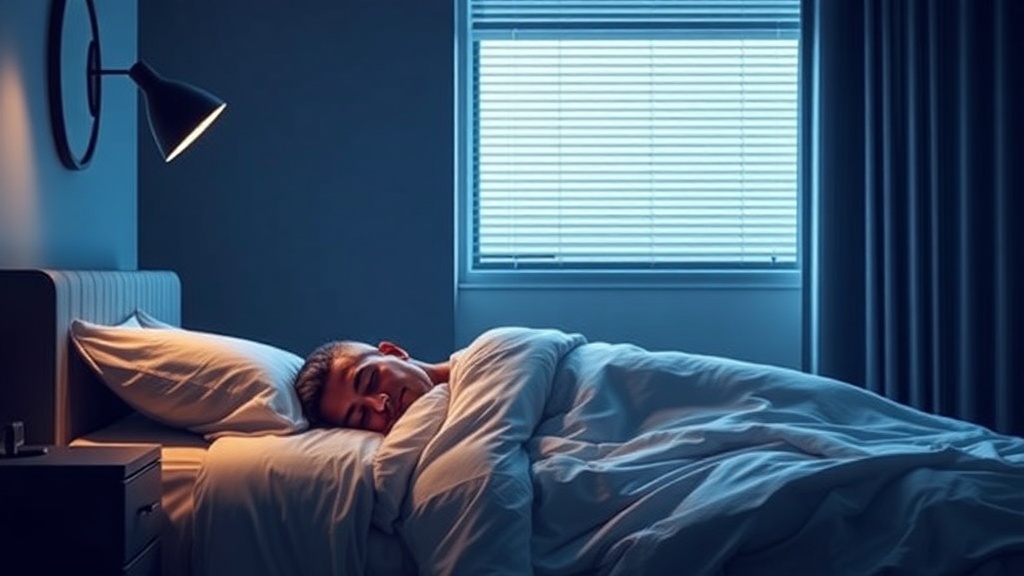
A dark, cool, quiet bedroom supports deeper and more continuous sleep. Reducing light exposure at night and getting morning light can also help regulate circadian rhythm.
Reduce Alcohol, Late Caffeine, and Evening Overstimulation
Alcohol can fragment sleep, while late caffeine can reduce sleep depth and delay sleep onset. Late-night work, screens, and emotional stress can also make sleep less restorative.
Use Supplements Carefully
Some sleep supplements may help certain people, but they should not replace the basics. Glycine, apigenin, taurine, and magnesium are commonly discussed, but individual response varies and evidence is not equal for every compound.
For related sleep-support options, see whether glycine improves deep sleep.
Final Thoughts on Sleep and Biological Age
Improving sleep is one of the most practical ways to support healthy aging, especially for people who are sleep deprived, stressed, metabolically unhealthy, or recovering poorly.
Better sleep may improve biological age-related markers by reducing inflammation, improving insulin sensitivity, supporting recovery, and improving hormonal rhythm. But it is not a guaranteed biological age reversal tool, and it works best as part of a broader longevity plan.
The goal is not to chase perfect sleep metrics. The goal is to build consistent, restorative sleep that supports better health, better recovery, and long-term resilience.
References and Resources
The following resources provide useful background on sleep, biological aging, telomeres, epigenetics, inflammation, metabolism, and healthy aging.
Authoritative Sources on Sleep and Biological Aging
-
NIH: Sleep and Aging
nih.govExplains how sleep relates to aging, recovery, and long-term health.
-
Sleep and Telomeres: A Review
ncbi.nlm.nih.govReviews links between sleep quality, sleep duration, and telomere biology.
-
Sleep Foundation: Aging and Sleep
sleepfoundation.orgProvides practical information on sleep changes with age and how to improve sleep quality.
-
Science Daily: Sleep and Cellular Repair
sciencedaily.comSummarises research on sleep and cellular repair processes relevant to healthy aging.
-
Epigenetics and Sleep
pubmed.ncbi.nlm.nih.govDiscusses links between sleep and epigenetic changes related to aging biology.
-
American Heart Association: Sleep and Aging
heart.orgExplores the relationship between poor sleep, cardiovascular health, and aging-related risk.
-
Medical News Today: Sleep and Aging
medicalnewstoday.comProvides accessible summaries on sleep, aging, and health.

Frequently Asked Questions
Can improving sleep truly reverse biological age?
Improving sleep may improve some biological age-related markers, especially if poor sleep was a major problem. However, it should be viewed as supporting healthier aging rather than guaranteed age reversal.
What are the best sleep habits for healthy aging?
The most useful habits are a consistent sleep schedule, enough time in bed, morning light, a cool dark bedroom, reduced alcohol, limited late caffeine, and a calming evening routine.
Does sleep affect telomeres or epigenetic aging?
Research suggests sleep may be linked with telomere biology and epigenetic aging markers, but the evidence is still developing. Sleep is one influence among many, not the only driver.
Can lifestyle changes combined with sleep improvement enhance anti-aging effects?
Yes. Sleep is most powerful when combined with exercise, good nutrition, stress management, healthy body composition, and cardiometabolic risk control.
Is there scientific evidence that sleep can reverse aging?
There is evidence that sleep affects aging-related pathways, but less evidence that sleep alone reverses aging in a definitive way. The strongest claim is that better sleep supports healthier biological aging.
Conclusion
Improving sleep may help improve biological age-related markers by supporting recovery, lowering metabolic stress, improving insulin sensitivity, regulating inflammation, and helping the body maintain healthier repair processes.
However, sleep should not be marketed as a standalone age-reversal tool. It is a foundational longevity habit that works best alongside exercise, nutrition, stress management, and risk-factor control.
The practical takeaway is clear: if sleep is poor, improving it is one of the most accessible ways to support healthier aging and long-term healthspan.
Find out more information about “can improving sleep reverse biological age”
Search for more resources and information:
“`