Does Exercise Activate Autophagy?
TL;DR: Exercise does activate autophagy, primarily through energy stress, AMPK activation, and transient mTOR suppression. Both endurance and resistance training stimulate cellular cleanup, and combining exercise with fasting may amplify the effect — though more is not always better.
Yes, exercise activates autophagy. When the body is under physical stress, energy-sensing pathways signal cells to begin breaking down and recycling damaged components. This is a normal, protective response — not a switch that is simply flipped on or off, but a graded biological process that scales with the type, intensity, and duration of activity.
Understanding how this works, and what it practically means for healthy ageing, is more useful than simply trying to maximise autophagic activity at all times.
What Is Autophagy and Why Does It Matter?
The Basics of Cellular Cleanup
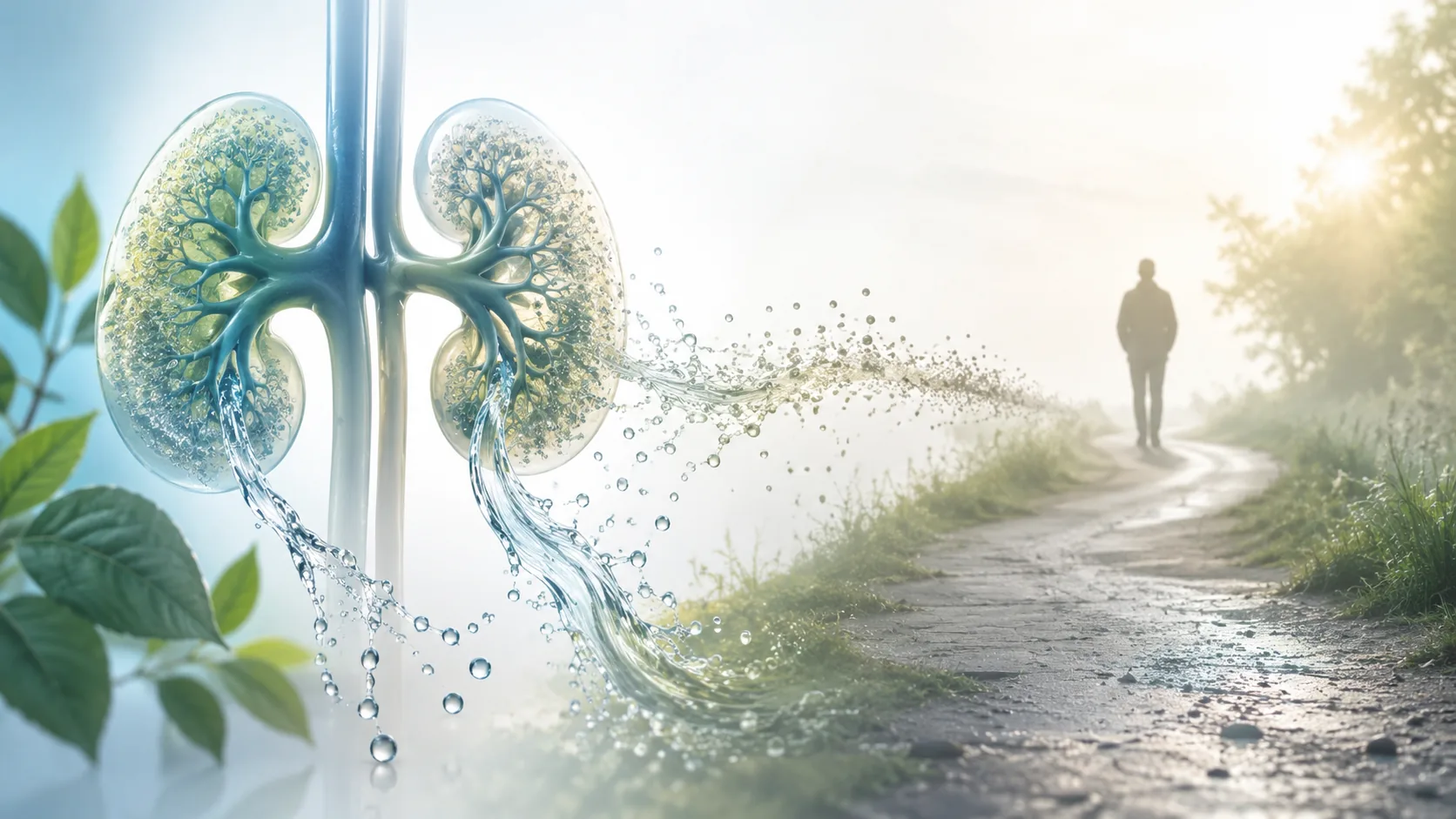
Autophagy is the process by which cells identify, break down, and recycle damaged proteins, dysfunctional organelles, and other cellular debris. The word means “self-eating,” but the more accurate picture is controlled cellular maintenance — a quality-control system that keeps cells functioning efficiently under stress.
This process declines with age. Reduced autophagy is associated with the accumulation of cellular damage that contributes to conditions including neurodegeneration, metabolic dysfunction, and increased inflammation. Supporting autophagic activity through lifestyle factors — including exercise — is one plausible mechanism by which healthy habits protect against age-related decline.
Autophagy Is Not Simply On or Off
A common misconception is that autophagy is a binary state — either active or inactive. In reality, some level of autophagy runs continuously in most tissues. What varies is the rate and location of that activity. Stressors such as nutrient deprivation, exercise-induced energy depletion, and heat or oxidative stress can all increase autophagic flux, meaning the rate at which the process runs.
This distinction matters because it affects how we should think about optimising autophagy. The goal is not to push autophagic activity as high as possible at all times, but to support its normal function through behaviours that also serve broader health and longevity goals. Learn more in our complete guide to longevity.
How Exercise Activates Autophagy
The Key Mechanisms
Exercise activates autophagy primarily through two intersecting pathways: AMPK activation and mTOR suppression.
During physical activity, muscle cells consume ATP rapidly. This energy depletion raises the AMP-to-ATP ratio, which activates AMPK — an enzyme that acts as a cellular energy sensor. AMPK signals the cell to conserve energy, and one consequence of this is upregulation of autophagy. At the same time, the insulin and nutrient signalling that normally keeps mTOR active is reduced during exercise, which further removes the brake on autophagic processes.
Research also points to the protein Beclin-1 as an important mediator of exercise-induced autophagy. Animal studies have shown that blocking autophagy genetically impairs the metabolic adaptations that normally follow endurance training, suggesting autophagy plays a functional role in exercise adaptation, not just cellular cleanup.
Exercise Stress as a Useful Signal
The cellular stress caused by exercise — including oxidative stress, mechanical strain, and energy depletion — is the same stress that makes exercise beneficial. Autophagy is part of the adaptive response that allows cells to handle that stress and emerge more resilient. This is one reason why regular exercise is consistently associated with healthspan and longevity biomarkers, rather than simply with autophagic activity per se.
For a broader perspective on how autophagy fits into longevity biology, see our hub article on autophagy for longevity.
Which Types of Exercise Are Most Effective?
Endurance Exercise
Endurance-based exercise — running, cycling, swimming — appears to be particularly effective at stimulating autophagy, especially in skeletal muscle, cardiac muscle, and liver tissue. The sustained energy demand creates prolonged AMPK activation, and current evidence from both animal and human studies supports increased autophagic markers following aerobic training.
A landmark animal study demonstrated that acute endurance exercise significantly increased autophagic flux in muscle tissue, and that this was required for metabolic adaptation. Human evidence, while more limited, shows consistent upregulation of autophagy-related proteins following aerobic exercise.
Resistance Training
Resistance exercise also activates autophagy, particularly in muscle fibres undergoing mechanical stress. The process helps clear damaged proteins and organelles generated during intense muscle contraction, supporting recovery and adaptation. However, resistance training also strongly activates mTOR — the pathway that drives muscle protein synthesis — which can transiently suppress autophagy in the post-exercise period.
This is not a problem. The balance between autophagy (cellular cleanup) and mTOR-driven anabolism (muscle repair and growth) is normal and appropriate. Resistance training does not block autophagy in any meaningful long-term sense; it simply shifts the balance toward rebuilding after the initial autophagic phase. This trade-off is discussed in more depth in our article on balancing autophagy and muscle growth.
High-Intensity Interval Training
HIIT creates acute, significant energy stress and oxidative load, which makes it a strong trigger for AMPK activation and autophagy induction. Short bursts of high-intensity effort followed by recovery periods appear to stimulate autophagic signalling effectively, even within relatively short training sessions. Evidence from human studies remains more limited than animal data, but the mechanistic case is well-established.
Does Fasting Amplify Exercise-Induced Autophagy?
Fasting and exercise activate autophagy through overlapping mechanisms — both reduce insulin signalling, lower available nutrients, and activate AMPK. Combining them may produce an additive effect, though direct human evidence on synergistic autophagy induction is limited.
Exercising in a fasted state — for example, training in the morning before eating — removes the insulin response that would otherwise partially suppress autophagic signalling. Some research suggests this can enhance autophagic flux compared to fed-state exercise, though the practical magnitude of this difference in humans is not clearly established.
The more important consideration is sustainability and performance. Fasted training may not be appropriate for everyone, particularly for high-intensity sessions where glycogen availability matters, or for older adults who need to prioritise muscle protein synthesis and recovery. The interaction between fasting duration and autophagy is explored in more detail in our article on optimal fasting duration for autophagy.
Practical Implications and Limitations
What This Means in Practice
Regular exercise — whether aerobic, resistance-based, or mixed — activates autophagy as part of a broader adaptive response. There is no need to specifically optimise workouts for autophagy induction. The types of exercise already associated with the strongest longevity evidence (zone 2 cardio, strength training, high-intensity intervals) are also the types most likely to stimulate autophagic activity.
Fasted exercise may modestly enhance autophagic signalling, but this should be balanced against individual training goals, recovery needs, and overall dietary adequacy. For most people, prioritising consistent exercise is more important than manipulating fasting windows around workouts.
Limitations and Uncertainty
Most mechanistic evidence on exercise-induced autophagy comes from animal studies or cell culture models. Human studies are more limited and typically measure autophagy-related protein markers rather than direct autophagic flux, which is harder to quantify in living tissue. Caution is warranted in drawing firm conclusions about specific exercise protocols optimised for autophagy in humans.
Additionally, autophagy is not the only — or necessarily the primary — mechanism through which exercise supports healthy ageing. Exercise improves cardiovascular function, insulin sensitivity, mitochondrial biogenesis, inflammatory markers, muscle mass, and VO2 max. These effects matter independently of autophagy and likely contribute more directly to measurable longevity outcomes.
Overtraining — excessively high training volume without adequate recovery — can impair cellular repair processes rather than enhance them. Autophagy requires recovery time to complete its function. Chronic physical stress without rest may blunt the adaptive benefits that exercise-induced autophagy is meant to support.
Frequently Asked Questions
Does exercise activate autophagy?
Yes. Exercise activates autophagy primarily through AMPK activation and transient mTOR suppression triggered by energy depletion during physical activity. Both aerobic and resistance training stimulate autophagic signalling, with endurance exercise showing particularly strong evidence in animal and human studies.
What types of exercise are best for autophagy activation?
Endurance exercise such as running and cycling has the strongest evidence for autophagy induction. High-intensity interval training also appears effective due to acute energy stress. Resistance training activates autophagy but also strongly activates mTOR post-exercise, which is a normal and beneficial part of muscle adaptation rather than a problem.
Can fasting enhance the autophagic effects of exercise?
Fasting and exercise share overlapping mechanisms for autophagy induction, and combining them may have an additive effect. Direct human evidence for synergistic autophagy activation is limited. Whether fasted training is appropriate depends on individual goals, training intensity, and recovery needs — it is not universally necessary or beneficial.
Is there a risk of overdoing autophagy activation through exercise?
Overtraining — high volume exercise without adequate recovery — can impair rather than enhance cellular repair. Autophagy is a recovery process that needs time to complete. Consistent, well-recovered training is more effective than chronic high-intensity output. Balance between training stress and recovery is the key variable, not maximising autophagy per session.
Conclusion
Exercise activates autophagy through well-established mechanisms involving AMPK, mTOR, and cellular energy sensing. Both aerobic and resistance training stimulate this process, and fasted exercise may modestly enhance autophagic signalling. However, autophagy is one part of a much broader set of adaptations through which exercise supports healthy ageing — not the primary endpoint to optimise.
The practical takeaway is straightforward: regular, varied exercise that includes both cardiovascular and strength training components will support autophagic function alongside all the other metabolic and structural adaptations that contribute to longevity. Manipulating fasting windows or exercise timing specifically to maximise autophagy is unlikely to add significant benefit over simply training consistently and recovering well.

References and Resources
Authoritative Sources on Exercise and Autophagy
-
Autophagy in Exercise and Fasting
ncbi.nlm.nih.govA review of how exercise and fasting influence autophagy, covering the mechanisms and evidence for their combined effects.
-
Exercise-Induced Autophagy and Cellular Health
cell.comCovers the molecular pathways through which exercise activates autophagy, including AMPK, mTOR, and Beclin-1 signalling.
-
Exercise and Autophagy: The Connection
ucdavis.eduAn accessible overview of how exercise stimulates autophagy and what this means for cellular and metabolic health.
-
Fasting, Exercise, and Autophagy
pubmed.ncbi.nlm.nih.govResearch examining how combining fasting with physical activity influences autophagic activity at the cellular level.
-
Autophagy and Healthspan
thelancet.comAn authoritative review on autophagy’s role in ageing and how lifestyle factors including exercise influence this process.
-
Exercise and Cellular Rejuvenation
medicalnewstoday.comA clear overview of how different types of exercise promote autophagy and support broader cellular health.
-
Autophagy and Exercise: Molecular Insights
plos.orgA detailed look at the molecular pathways linking exercise to autophagic activity, with relevance to metabolic adaptation and healthy ageing.
Find out more information about exercise and autophagy
Search for more resources and information: