
What Is Longevity?
Updated August 2026: In my recent research, I’ve been monitoring the rapidly evolving landscape of longevity science, and 2024-2025 has brought some exciting breakthroughs. Notably, several biotech companies have announced successful trials of gene-editing therapies aimed at extending lifespan beyond current limits. Additionally, advancements in AI-driven personalized health interventions are now making it possible to predict age-related diseases more accurately, allowing for targeted preventative measures. I’ve updated my insights to include these cutting-edge developments, which are reshaping our understanding of human longevity and opening new possibilities for a longer, healthier life.
Longevity refers to the length of time an individual lives. In modern health science, the concept has expanded beyond lifespan alone to include healthspan — the number of years a person remains healthy, physically functional, and cognitively capable.
While human life expectancy has increased dramatically over the past century due to improvements in sanitation, medicine, and nutrition, many populations now face a different challenge: living longer while also experiencing more years with chronic disease.
Longevity research therefore focuses not only on extending lifespan but also on preserving physiological resilience and reducing age-related decline. Understanding longevity requires examining the biology of aging, lifestyle influences, metabolic health, and environmental factors that shape long-term health outcomes.
This guide explores the science of longevity, the biological mechanisms that drive aging, and the practical strategies most strongly associated with longer, healthier lives.
Understanding the Concept of Longevity
What Does Longevity Really Mean?
In its simplest definition, longevity describes the total length of time an individual lives. In scientific research, however, longevity is closely tied to several related concepts that help researchers better understand aging and mortality patterns.
- Lifespan – the total number of years an individual lives
- Healthspan – the years lived without major chronic disease
- Maximum lifespan – the theoretical upper limit of human life
- Life expectancy – the average lifespan within a population
These distinctions are important because modern medicine has succeeded in extending life expectancy but has not always extended healthspan at the same pace. Many individuals now live longer but experience increased rates of cardiovascular disease, metabolic disorders, neurodegenerative disease, and frailty later in life.
Longevity science aims to address this imbalance by identifying biological and lifestyle factors that allow individuals to maintain strength, metabolic stability, cognitive function, and independence as they age.
The Difference Between Lifespan and Healthspan
Lifespan and healthspan are often used interchangeably in everyday language, but they represent different outcomes.
Lifespan simply reflects how long someone lives. Healthspan refers to how long those years are lived in good health. From a public health perspective, increasing healthspan may be even more important than extending lifespan alone.
For example, two individuals may both live to age 85. One may remain physically active, cognitively sharp, and metabolically healthy for most of those years, while the other may experience decades of chronic illness and functional decline.
Longevity research increasingly focuses on narrowing this gap so that longer lives also remain healthier lives.
The Biology of Aging and Longevity
Longevity is ultimately governed by biological aging processes that gradually reduce cellular function and resilience over time. Modern research has identified several core mechanisms believed to drive aging across multiple biological systems.
The Hallmarks of Aging
Scientists often describe aging through a framework known as the hallmarks of aging. These are interconnected biological processes that accumulate damage and dysfunction across the lifespan.
Major hallmarks include:
- Genomic instability and DNA damage
- Telomere shortening
- Mitochondrial dysfunction
- Cellular senescence
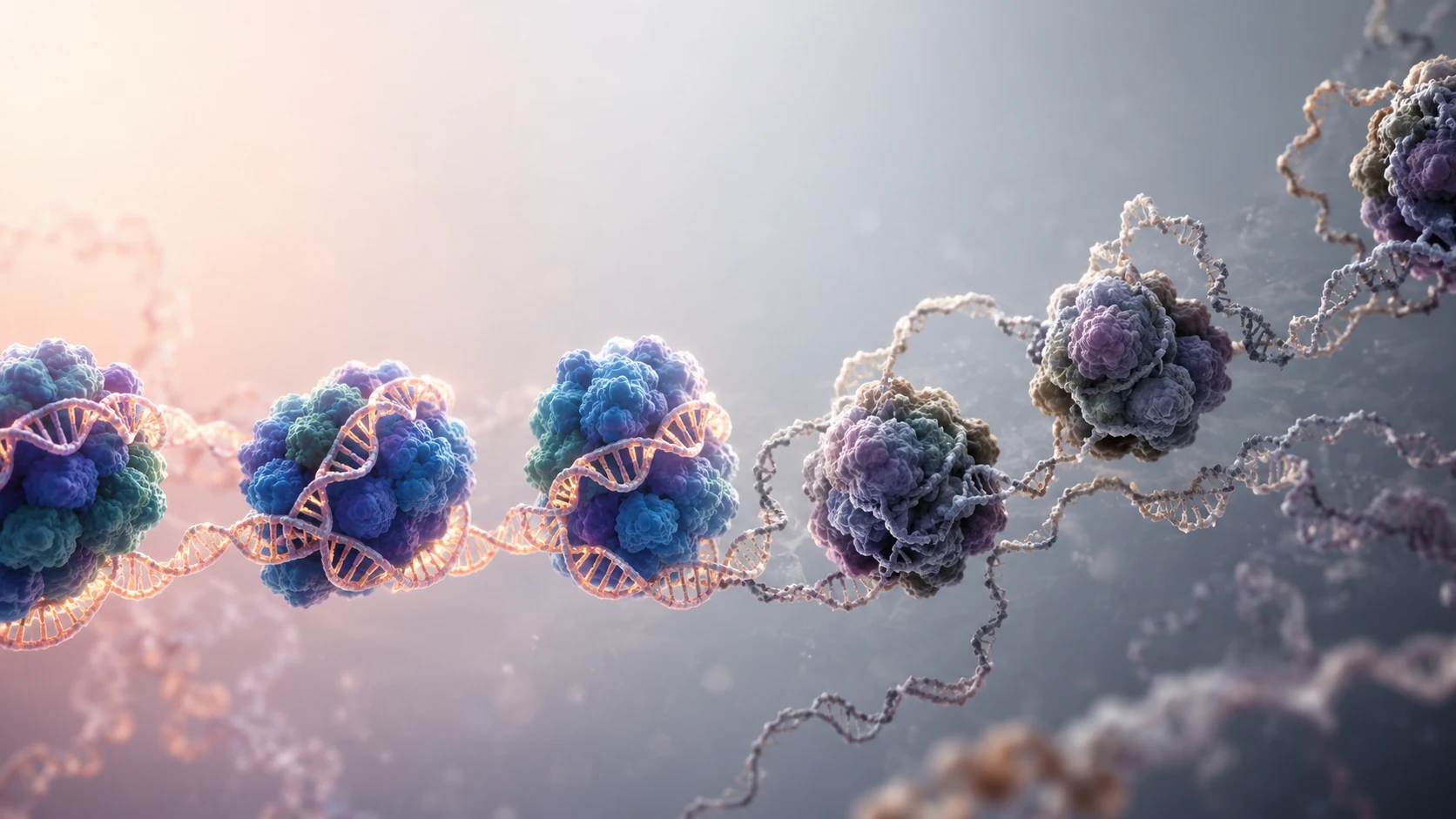
- Epigenetic alterations
- Dysregulated nutrient sensing (mTOR, AMPK)
- Loss of proteostasis
- Stem cell exhaustion
- Chronic inflammation
These mechanisms influence how tissues repair themselves, how cells produce energy, and how effectively the body maintains metabolic stability.
Inflammation and Aging
One of the most widely studied contributors to aging is chronic low-grade inflammation, often referred to as inflammaging. Unlike acute inflammation, which helps the body respond to infection or injury, chronic inflammation gradually damages tissues and contributes to cardiovascular disease, neurodegeneration, and metabolic dysfunction.
Elevated inflammatory markers such as C-reactive protein (CRP) have been associated with increased mortality risk and accelerated biological aging.
Mitochondria and Energy Production
Mitochondria are responsible for producing energy within cells. As mitochondrial function declines with age, energy production becomes less efficient and oxidative stress increases. This can impair muscle function, metabolic health, and cellular repair mechanisms.
Strategies that support mitochondrial health — including regular physical activity and metabolic regulation — are therefore strongly linked to longevity outcomes.
Key Drivers of Human Longevity
Longevity is shaped by a combination of genetics, lifestyle choices, environmental conditions, and healthcare access. While genetics influence baseline risk, most differences in lifespan across populations arise from modifiable factors.
Genetics and Longevity
Genetics are estimated to account for approximately 15–25% of lifespan variability. Some rare genetic variants appear more frequently in individuals who live past 100 years of age, but these cases represent a small fraction of the population.
More commonly, genetic expression is influenced by environmental inputs through epigenetic mechanisms. Diet, exercise, sleep, and stress levels can influence gene expression patterns across the lifespan.
Lifestyle Patterns
Long-term lifestyle patterns appear to be the strongest drivers of longevity. Research into long-lived populations has identified several recurring behaviors:
- Consistent daily movement
- Maintaining healthy body composition
- Whole-food dietary patterns
- Strong social networks
- Purpose and psychological resilience
- Low smoking prevalence
These behaviors collectively support metabolic health, cardiovascular function, and immune resilience.
Environmental and Social Determinants
Longevity is also influenced by environmental and socioeconomic conditions. Factors such as education level, income stability, healthcare access, and environmental exposures contribute significantly to population health outcomes.
Social connection in particular has been repeatedly associated with reduced mortality risk. Individuals with strong social networks tend to experience lower rates of depression, reduced inflammatory markers, and improved cardiovascular health.
Core Longevity Strategies
While the biology of aging is complex, several lifestyle strategies consistently appear in longevity research.
Metabolic Health
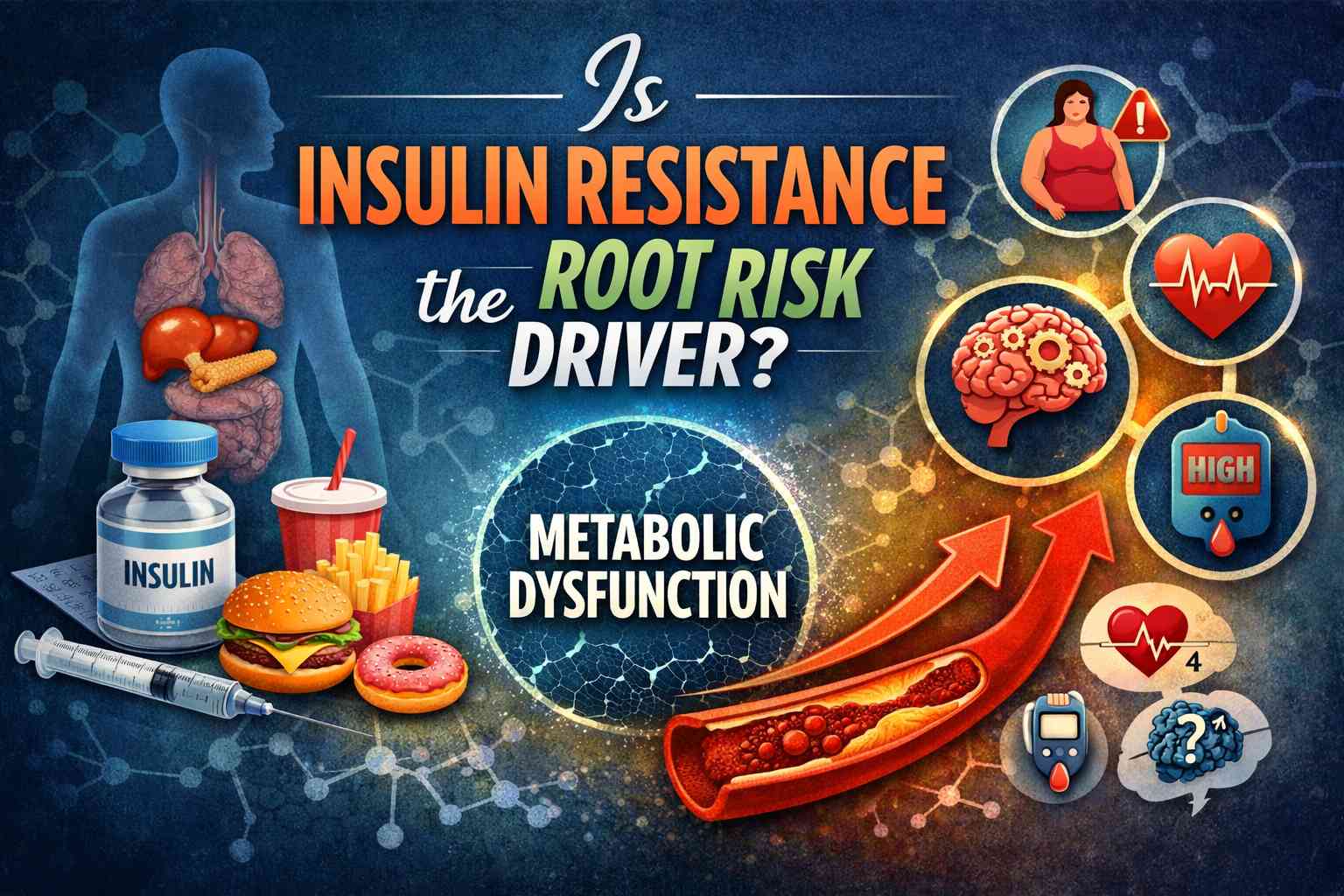
Metabolic health plays a central role in aging outcomes. Conditions such as insulin resistance, obesity, and metabolic syndrome increase the risk of cardiovascular disease, diabetes, and cognitive decline.
Maintaining stable blood glucose regulation, healthy lipid profiles, and insulin sensitivity is strongly associated with reduced mortality risk.
Muscle Preservation
Loss of muscle mass, known as sarcopenia, accelerates after midlife and contributes to frailty, mobility limitations, and metabolic dysfunction.
Resistance training and adequate protein intake help preserve muscle mass and support long-term functional independence.
Cardiovascular Fitness
Cardiorespiratory fitness is one of the strongest predictors of longevity. Higher levels of aerobic capacity, often measured through VO₂ max, are associated with lower mortality risk.
Regular aerobic exercise improves mitochondrial function, metabolic flexibility, and vascular health.
Sleep and Recovery
Sleep plays an essential role in metabolic regulation, hormonal balance, and cognitive health. Poor sleep quality has been linked to increased inflammation, insulin resistance, and cardiovascular risk.
Consistently obtaining 7–9 hours of high-quality sleep is considered a foundational component of healthy aging.
Cognitive Engagement
Lifelong learning, mental stimulation, and complex skill development appear to support cognitive resilience. Activities that challenge the brain — such as learning musical instruments, language acquisition, and strategic games — are associated with greater cognitive reserve later in life.

How to Build a Personal Longevity Framework
A practical longevity framework typically focuses on several measurable pillars:
- Metabolic stability – managing blood glucose and insulin sensitivity
- Cardiovascular health – maintaining healthy blood pressure and lipid levels
- Musculoskeletal strength – preserving muscle mass and bone density
- Sleep optimization
- Cognitive engagement
- Psychological resilience
Monitoring biomarkers such as blood lipids, glucose regulation, inflammatory markers, and cardiorespiratory fitness can provide insight into long-term risk patterns.
The Future of Longevity Science
Research into aging biology is expanding rapidly. Scientists are exploring interventions aimed at slowing or modifying aging processes, including:
- Senolytic therapies targeting senescent cells
- mTOR pathway modulation
- NAD+ metabolism research
- Stem cell regeneration
- Precision medicine and genomic profiling
Although many experimental therapies remain under investigation, lifestyle interventions remain the most reliable and accessible longevity tools currently available.
References and Resources
Authoritative Sources on Longevity
Frequently Asked Questions
What is longevity?
Longevity refers to the length of time an individual lives. In modern health science it also includes healthspan — the years lived in good health and functional independence.
Can longevity be increased?
While maximum lifespan may have biological limits, lifestyle factors such as physical activity, metabolic health, and sleep quality can significantly influence healthspan and average lifespan.
What role does genetics play in longevity?
Genetics contribute a portion of lifespan variability, but lifestyle and environmental factors account for the majority of differences in longevity across populations.
Is longevity purely biological?
No. Psychological well-being, social connection, and environmental conditions all influence long-term health outcomes.
What are the most important drivers of longevity?
Metabolic health, cardiovascular fitness, muscle preservation, sleep quality, and social engagement are among the most consistently identified contributors to healthy aging.
Conclusion
Longevity represents the combined influence of biological aging processes, lifestyle behaviors, environmental exposures, and social conditions. While genetics establish a baseline risk profile, long-term health outcomes are largely shaped by sustained daily habits.
Advances in aging research continue to reveal new insights into how biological systems decline over time. At present, the most effective longevity strategies remain remarkably consistent: maintain metabolic health, stay physically active, preserve muscle mass, sleep well, remain cognitively engaged, and sustain meaningful social connections.
By focusing on these foundational drivers, individuals can extend not only lifespan but also the quality of life experienced across those years.