
Is Inflammation the Root Cause of Aging?
Understanding Inflammation and Aging
Inflammation is one of the most important biological processes involved in aging, but it is not the only one. Acute inflammation is essential for healing and immune defense. The problem arises when inflammation becomes chronic, low-grade, and persistent over many years. This pattern is often called inflammaging, and it is strongly associated with age-related decline, chronic disease, and reduced healthspan.
The reason this matters is simple: long-term inflammation can damage cells, tissues, blood vessels, and organs. It can interfere with normal repair processes, increase oxidative stress, and worsen metabolic dysfunction. Because of these effects, inflammation is often discussed as a major driver of biological aging. It is closely linked to many common age-related conditions, including cardiovascular disease, neurodegeneration, insulin resistance, and frailty.
That said, aging is not caused by inflammation alone. Biological age is shaped by multiple overlapping processes, including mitochondrial dysfunction, genomic instability, telomere attrition, altered nutrient sensing, immune aging, and hormonal change. Inflammation is best understood as a central contributor within this wider network. Learn more in our complete guide to longevity.
Inflammation the Root Cause of Aging: What Does Science Say?
Scientific research strongly supports the idea that chronic inflammation accelerates aging. Persistent inflammatory signaling is linked to tissue damage, impaired DNA repair, stem cell dysfunction, and the progression of many diseases that become more common with age. Inflammatory cytokines can also affect mitochondrial performance and cellular communication, which may further increase the pace of biological decline.
Researchers often describe inflammation as a hallmark-like mechanism that interacts with many other hallmarks of aging. In other words, inflammation does not sit outside the aging process. It feeds into other damaging pathways and is amplified by them in return. This helps explain why chronic inflammation is so consistently associated with reduced vitality, poorer resilience, and lower healthy aging potential.
The evidence therefore supports a balanced conclusion: inflammation is not the only root cause of aging, but it is one of the most influential drivers of age-related damage and disease burden.
Why the Concept Matters
The idea that inflammation may drive aging is useful because it highlights something that is at least partly modifiable. While genetics cannot be changed, many inflammatory triggers can be influenced through lifestyle, environment, sleep, diet, body composition, and stress management. That makes inflammation highly relevant to longevity science and practical health decisions.
From a healthspan perspective, reducing chronic inflammation may improve not only disease risk, but also daily energy, recovery, cognition, and physical function. This is why inflammation is increasingly discussed not just in the context of illness, but also in the context of healthy aging and prevention.
Is Inflammation the Root Cause of Aging?
The most accurate answer is that inflammation is a major root contributor, but not the sole cause. Aging is a multifactorial process. Inflammation interacts with oxidative stress, immune dysfunction, metabolic imbalance, and cellular senescence. These systems reinforce one another, which is why isolating a single cause of aging is difficult.
Still, inflammation deserves special attention because it connects so many of the processes involved in decline. Chronic inflammation can worsen insulin resistance, damage blood vessels, accelerate muscle loss, impair cognition, and increase the burden of senescent cells. It also tends to rise when sleep is poor, diet quality is low, visceral fat increases, or chronic stress remains unchecked.
This makes inflammation one of the most actionable targets in aging biology. Even if it is not the only cause, it is one of the clearest levers for improving long-term health outcomes. Lowering chronic inflammation may support healthier biomarkers, better metabolic function, and a slower rate of functional decline.
How Inflammation Fits into the Bigger Aging Picture
Inflammation should be seen as part of a feedback loop rather than a standalone explanation. For example, damaged mitochondria can increase inflammatory signaling, and inflammation can further impair mitochondrial performance. Senescent cells release inflammatory molecules, and inflammation can promote more cellular dysfunction. Excess body fat can elevate inflammatory markers, and inflammation can worsen metabolic control.
This interconnected model helps explain why anti-aging strategies that work well in practice tend to be broad rather than narrow. Supporting sleep, muscle mass, blood sugar control, cardiovascular health, gut health, and stress resilience can all help reduce chronic inflammation, which then feeds back positively into the aging process.
How Inflammation Affects the Body Over Time
The Biological Impact of Inflammation on Aging
Chronic inflammation affects the body through several damaging mechanisms. It increases oxidative stress, disrupts normal cellular signaling, impairs tissue repair, and can damage mitochondria, the structures responsible for cellular energy production. Over time, this can reduce energy availability, slow recovery, and increase vulnerability to disease.
Inflammation also affects the vascular system, brain, joints, muscles, and immune system. In the brain, it may contribute to neuroinflammation and cognitive decline. In muscle and connective tissue, it may accelerate weakness and frailty. In the cardiovascular system, it can promote endothelial dysfunction and plaque instability. These effects help explain why inflammation is so closely linked to both lifespan and healthspan.
Importantly, chronic inflammation often develops gradually. It may not produce obvious symptoms at first, but it can still influence biomarkers such as CRP, fasting insulin, blood sugar, and other indicators of metabolic and immune stress.
Inflammation the Root Cause of Aging: Is It the Only Factor?
No single factor explains aging on its own. Genetics, telomere biology, proteostasis, mitochondrial function, hormonal signaling, and accumulated molecular damage all matter. However, inflammation interacts with each of these systems and may amplify the damage they cause. That is why it is often treated as a central feature of the aging process even if it is not the only underlying mechanism.
A practical takeaway is that reducing chronic inflammation may improve several aging-related systems at once. This is one reason anti-inflammatory strategies are often associated with better metabolic health, improved cardiovascular outcomes, and stronger resilience in later life.
Managing Inflammation to Support Healthy Aging
Diet and Lifestyle Choices to Reduce Inflammation
One of the most effective ways to reduce chronic inflammation is through daily lifestyle habits. An anti-inflammatory dietary pattern typically includes vegetables, berries, legumes, nuts, seeds, extra virgin olive oil, fatty fish, and other minimally processed foods rich in fiber, polyphenols, and healthy fats. These foods support metabolic health, reduce inflammatory burden, and may help improve biomarkers related to aging.
Regular exercise is also important. Physical activity helps lower chronic inflammation, improve insulin sensitivity, preserve muscle mass, and support cardiovascular health. Sleep quality matters as well, since poor sleep is strongly associated with elevated inflammation and disrupted recovery. Stress management is another key factor because chronic psychological stress can increase inflammatory signaling over time.
Smoking, excess alcohol intake, persistent overnutrition, and highly processed diets tend to push inflammation in the wrong direction. Reducing these exposures can be just as important as adding beneficial habits.
Supplements and Natural Compounds
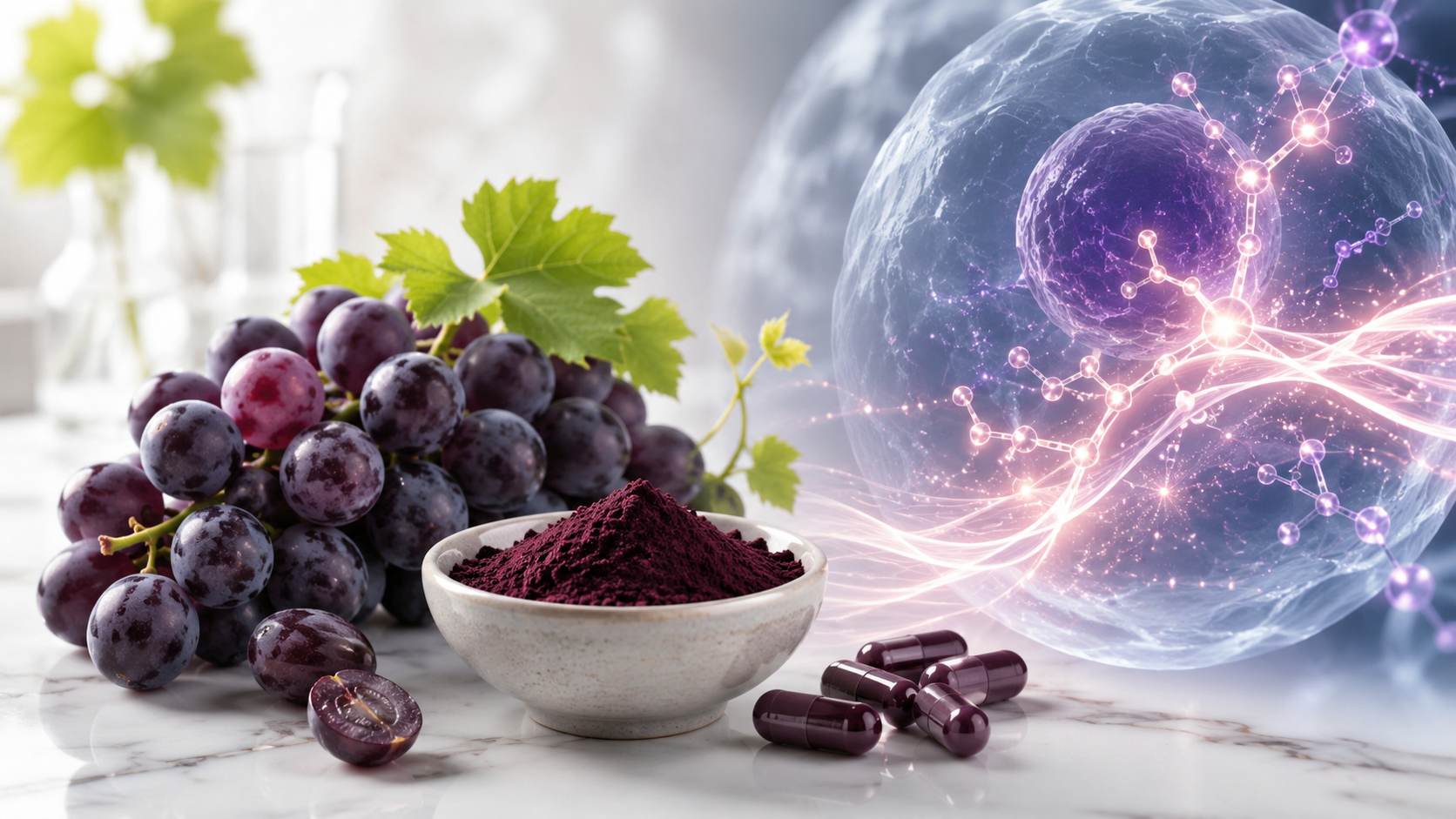
Some supplements and food-derived compounds may help support a lower inflammatory state. Common examples include omega-3 fatty acids, curcumin, magnesium, and certain polyphenol-rich compounds. Their usefulness depends on the individual, overall diet quality, and existing health status.
Supplements should be treated as supportive rather than foundational. A strong anti-inflammatory lifestyle remains more important than any single compound. In practice, the most meaningful gains usually come from improving diet quality, movement, sleep, stress regulation, and metabolic health first, then considering targeted additions where appropriate.
Because inflammation is influenced by many inputs, a consistent and sustainable routine is usually more effective than aggressive short-term interventions.
FAQs About Inflammation and Aging
Frequently Asked Questions
Is inflammation the root cause of aging? Inflammation is a major contributor to aging, but it is not the only cause. Aging results from several interacting biological processes, and chronic inflammation is one of the most important among them.
It is best viewed as a central driver that amplifies other aging mechanisms rather than as a complete explanation on its own.
Can lowering inflammation slow down aging?
Lowering chronic inflammation may slow some aspects of biological aging and reduce the risk of many age-related diseases. It can also support better energy, recovery, metabolic health, and physical function.
It is not a guarantee of longevity, but it is one of the most practical strategies for improving healthspan.
What lifestyle changes can I make to reduce inflammation?
Focus on a minimally processed anti-inflammatory diet, regular exercise, good sleep, stress reduction, and maintaining a healthy body composition. Reducing smoking, excess alcohol, and chronic overconsumption also helps.
Small consistent changes usually have the strongest long-term effect.
Is inflammation the only factor contributing to aging?
No. Aging also involves mitochondrial dysfunction, DNA damage, telomere changes, altered nutrient sensing, immune aging, and hormonal shifts. Inflammation is one important part of this larger biological network.
That is why the most effective healthy aging strategies usually address multiple systems at once.
References and Resources
These resources provide useful background on inflammaging, chronic disease, and the biology of healthy aging:

Authoritative Sources on Inflammation the Root Cause of Aging
-
Inflammaging: A New Target for Age-Related Diseases
ncbi.nlm.nih.govExplains how chronic low-grade inflammation contributes to aging and disease risk.
-
World Health Organization: Healthy Aging
who.intProvides an overview of healthy aging, including the importance of reducing chronic disease burden and maintaining function.
-
The Role of Inflammation in Ageing and Age-Related Diseases
ncbi.nlm.nih.govA detailed review of how inflammation contributes to aging-related decline and chronic illness.
-
Inflammation and Aging: The Link and Its Implications
aging-us.comExplores pathways connecting inflammatory signaling to biological aging.
-
Antioxidants Journal
elsevier.comFeatures research on oxidative stress, inflammation, and compounds that may support healthier aging.
-
National Institute on Aging: Aging and Inflammation
nia.nih.govProvides research summaries on inflammation, aging biology, and age-related disease risk.
-
Healthline: How Inflammation Affects Aging
healthline.comAn accessible overview of the relationship between inflammation and aging, with practical lifestyle guidance.
Conclusion
Chronic low-grade inflammation is one of the most important drivers of biological aging, even if it is not the only one. It contributes to cellular damage, disease risk, metabolic dysfunction, and reduced resilience across multiple body systems.
That makes inflammation a practical target for healthy aging. By improving diet quality, exercise habits, sleep, stress regulation, and overall lifestyle, it may be possible to reduce inflammatory burden and support better healthspan. The goal is not to eliminate inflammation entirely, but to prevent the chronic, persistent form that accelerates decline over time.
Find out more information about “Inflammation the Root Cause of Aging”
Search for more resources and information: