How Does Gut Dysbiosis Affect Aging?
Understanding Gut Dysbiosis and Its Role in Aging
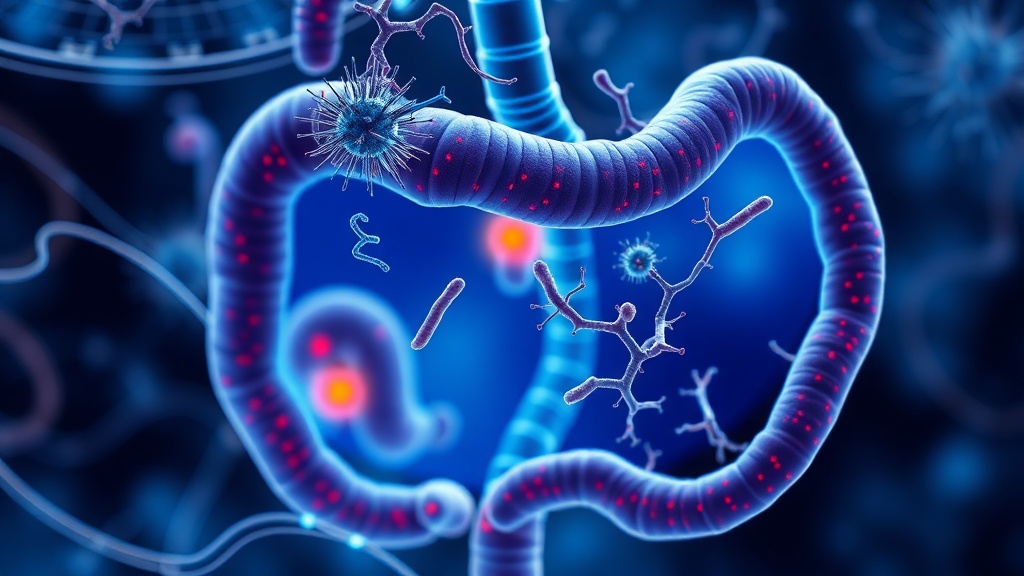
Gut dysbiosis can affect aging because the gut microbiome influences metabolism, immune regulation, inflammation, nutrient absorption, and the integrity of the gut barrier. Gut dysbiosis refers to an imbalance in the microbial ecosystem of the digestive tract, often involving reduced diversity, fewer beneficial organisms, and a greater presence of microbes associated with inflammation or metabolic dysfunction.
This matters for healthy aging because the gut is connected to many of the systems that shape healthspan. When the microbiome is balanced, it helps support immune resilience, produces beneficial compounds such as short-chain fatty acids, and contributes to stable communication between the gut, brain, liver, and immune system. When dysbiosis develops, those protective functions may weaken, increasing the risk of chronic inflammation, metabolic disruption, and age-related decline. Learn more in our complete guide to longevity.
In longevity science, gut health is increasingly viewed as one of the internal environments that helps determine how well the body ages. Dysbiosis does not act alone, but it can contribute to the biological conditions that accelerate aging, especially when combined with poor diet, chronic stress, low physical activity, poor sleep, and other lifestyle stressors.
How Gut Dysbiosis Impacts Inflammation and Immune Function
Does Gut Dysbiosis Affect Aging by increasing inflammation?
One of the clearest ways gut dysbiosis affects aging is through chronic low-grade inflammation, sometimes called inflammaging. An imbalanced gut microbiome can impair the gut barrier and increase intestinal permeability, allowing bacterial fragments and other inflammatory compounds to move into circulation. This can activate the immune system in a persistent way, raising inflammatory signaling throughout the body.
Chronic inflammation is strongly linked to many age-related diseases, including cardiovascular disease, type 2 diabetes, neurodegeneration, arthritis, and frailty. Because inflammation influences so many systems at once, gut dysbiosis can become a meaningful contributor to unhealthy aging even when digestive symptoms are mild or absent.
For this reason, gut health matters beyond digestion. A microbiome that promotes inflammatory stress may gradually shift the body toward poorer metabolic health, worse recovery, and a more rapid decline in resilience over time.
Does Gut Dysbiosis Affect Aging by modulating immune response?
The gut microbiome is deeply involved in immune regulation. A healthy microbiome helps train the immune system to respond appropriately, while dysbiosis can contribute to immune imbalance, poorer defense against infection, and greater risk of excessive or misdirected inflammation. This matters because aging is closely tied to changes in immune function.
When gut balance deteriorates, the body may become less efficient at regulating immune responses, clearing damaged cells, and maintaining tissue health. This can increase vulnerability to infection, worsen inflammatory conditions, and reduce the body’s ability to maintain stable internal conditions as it ages.
In this way, gut dysbiosis does not just affect digestive comfort. It can influence immune resilience, which is one of the foundations of healthy aging and long-term healthspan.
Gut Dysbiosis and Its Effect on Cellular Aging and Oxidative Stress
Does Gut Dysbiosis Affect Aging through oxidative damage?
Gut dysbiosis may also affect aging by contributing to oxidative stress. Certain microbial imbalances can increase the production of inflammatory byproducts and compounds that place oxidative pressure on cells. Oxidative stress can damage lipids, proteins, DNA, and mitochondria, all of which are central to cellular health and long-term tissue function.
This matters because oxidative stress is one of the major mechanisms discussed in aging biology. When oxidative damage accumulates faster than the body can repair it, cells function less efficiently and tissues become more vulnerable to decline. A microbiome that contributes to oxidative strain may therefore be one of several factors pushing the body toward faster biological aging.
The relationship is not simple or isolated, but it reinforces the idea that gut health influences much more than digestion. It may help shape the cellular environment in which aging unfolds.
Does Gut Dysbiosis Affect Aging by disrupting metabolism?
The gut microbiome plays a major role in metabolism, including blood sugar regulation, lipid metabolism, appetite signaling, and nutrient absorption. Dysbiosis can interfere with these processes, increasing the likelihood of insulin resistance, weight gain, metabolic syndrome, and related inflammatory stress. These changes are highly relevant to aging because metabolic dysfunction is strongly associated with reduced healthspan.
When metabolism becomes less stable, the body often experiences more inflammation, poorer energy regulation, and worse recovery. Over time, this can increase the burden of age-related disease and make healthy aging more difficult to maintain. This is one reason the gut microbiome is now frequently discussed alongside diet, exercise, and sleep in modern longevity science.
A microbiome that supports healthy metabolism may help protect long-term resilience, while dysbiosis may add to the biological pressures that accelerate decline.
Can Restoring Gut Balance Slow Down the Aging Process?
Does Gut Dysbiosis Affect Aging by reversing inflammation?
Restoring gut balance may help slow some aspects of unhealthy aging, particularly when dysbiosis is contributing to inflammation and metabolic dysfunction. A more balanced microbiome can support better gut barrier function, healthier immune signaling, and greater production of beneficial microbial metabolites. These changes may reduce inflammatory pressure and improve broader physiological stability.
Diet is one of the most important tools here. Fiber-rich foods, fermented foods, minimally processed plant foods, and overall dietary diversity can help support a healthier microbiome. Reducing highly processed foods and excess alcohol may also improve the microbial environment over time.
Although gut restoration is not a single cure for aging, it is a valuable part of a broader healthy aging strategy. Improving gut health can help create conditions that support lower inflammation, better metabolism, and stronger long-term resilience.
Does Gut Dysbiosis Affect Aging by influencing regenerative capacity?
A healthier gut may also support regeneration indirectly by improving nutrient absorption, metabolic stability, and communication between the gut and other organs. When dysbiosis is present, the body may absorb nutrients less efficiently, regulate inflammation less effectively, and struggle more with recovery and tissue maintenance. Over time, that can reduce the body’s regenerative potential.
Restoring gut balance may therefore support healthier recovery capacity, better immune function, and improved resilience to physiological stress. This does not mean the microbiome alone determines regeneration, but it does help shape the internal environment needed for repair and renewal.
For anyone focused on longevity, gut health is worth treating as a foundational lifestyle factor rather than a narrow digestive issue. It interacts with the body’s wider repair systems in ways that can meaningfully affect healthspan.
References and Resources
These resources provide useful background on the relationship between gut dysbiosis, inflammation, metabolism, immune function, and aging:
Authoritative Sources on Does Gut Dysbiosis Affect Aging
-
Gut microbiota and aging: A review
ncbi.nlm.nih.govA comprehensive overview of how gut microbiota composition changes with age and how dysbiosis may influence aging-related health outcomes.
-
WHO: Ageing and Health
who.intProvides broader context on the biological and lifestyle factors that influence aging and long-term health.
-
Microbiota and Aging: A New Frontier
nature.comReviews research on how the gut microbiome may shape aging processes and possible strategies for healthier aging.
-
Aging and Gut Health
medlineplus.govA patient-friendly resource explaining how gut health may influence aging and practical ways to support digestive health.
-
Gut Health and Aging: What You Should Know
healthline.comSummarizes the connection between gut microbiome balance, inflammation, and healthy aging in accessible language.
-
American Association for Aging
aae.orgProvides information related to aging research and the importance of gut health in age-related disease risk.
-
British Nutrition Foundation
nutrition.org.ukExplains how diet influences gut microbiota and why this matters for health maintenance over time.

-
NIH: Gut Microbiome and Aging
nih.govHighlights research linking the gut microbiome to aging-related changes, inflammation, and possible interventions.
Frequently Asked Questions
How does gut dysbiosis influence aging?
Gut dysbiosis may influence aging by increasing inflammation, impairing immune regulation, disrupting metabolism, and raising oxidative stress. These effects can contribute to reduced resilience and a higher risk of age-related disease.
Can improving gut health slow down aging?
Improving gut health may help support healthier aging by lowering inflammatory burden, improving metabolic function, and strengthening immune balance. It is not the only factor in aging, but it can be an important part of a broader healthspan strategy.
Does gut dysbiosis contribute to age-related diseases?
It can. Dysbiosis has been associated with pathways involved in cardiovascular disease, metabolic dysfunction, neurodegeneration, and chronic inflammation. This is one reason gut health is receiving increasing attention in longevity research.
How does gut dysbiosis affect aging at the cellular level?
Gut dysbiosis may contribute to oxidative stress, inflammatory signaling, and impaired metabolic regulation, all of which can increase cellular damage over time. This may accelerate aspects of biological aging and reduce tissue resilience.
Conclusion
Gut dysbiosis can affect aging in meaningful ways. By influencing inflammation, immune balance, metabolism, oxidative stress, and recovery capacity, an unhealthy microbiome may contribute to faster biological decline and reduced healthspan.
The encouraging part is that gut health is modifiable. Diet quality, fiber intake, fermented foods, sleep, stress management, and physical activity can all influence the microbiome. For anyone interested in healthy aging, supporting gut balance is a practical and increasingly important part of a broader longevity strategy.
Find out more information about “Does Gut Dysbiosis Affect Aging”
Search for more resources and information: