Does Fasting Improve Dna Repair?
Does Fasting Improve DNA Repair?
TL;DR: Research suggests fasting can activate cellular pathways that support DNA repair, primarily by triggering autophagy, reducing oxidative stress, and upregulating AMPK and sirtuin signalling. However, most strong evidence comes from animal studies, and whether fasting meaningfully improves DNA repair outcomes in healthy humans remains less certain.
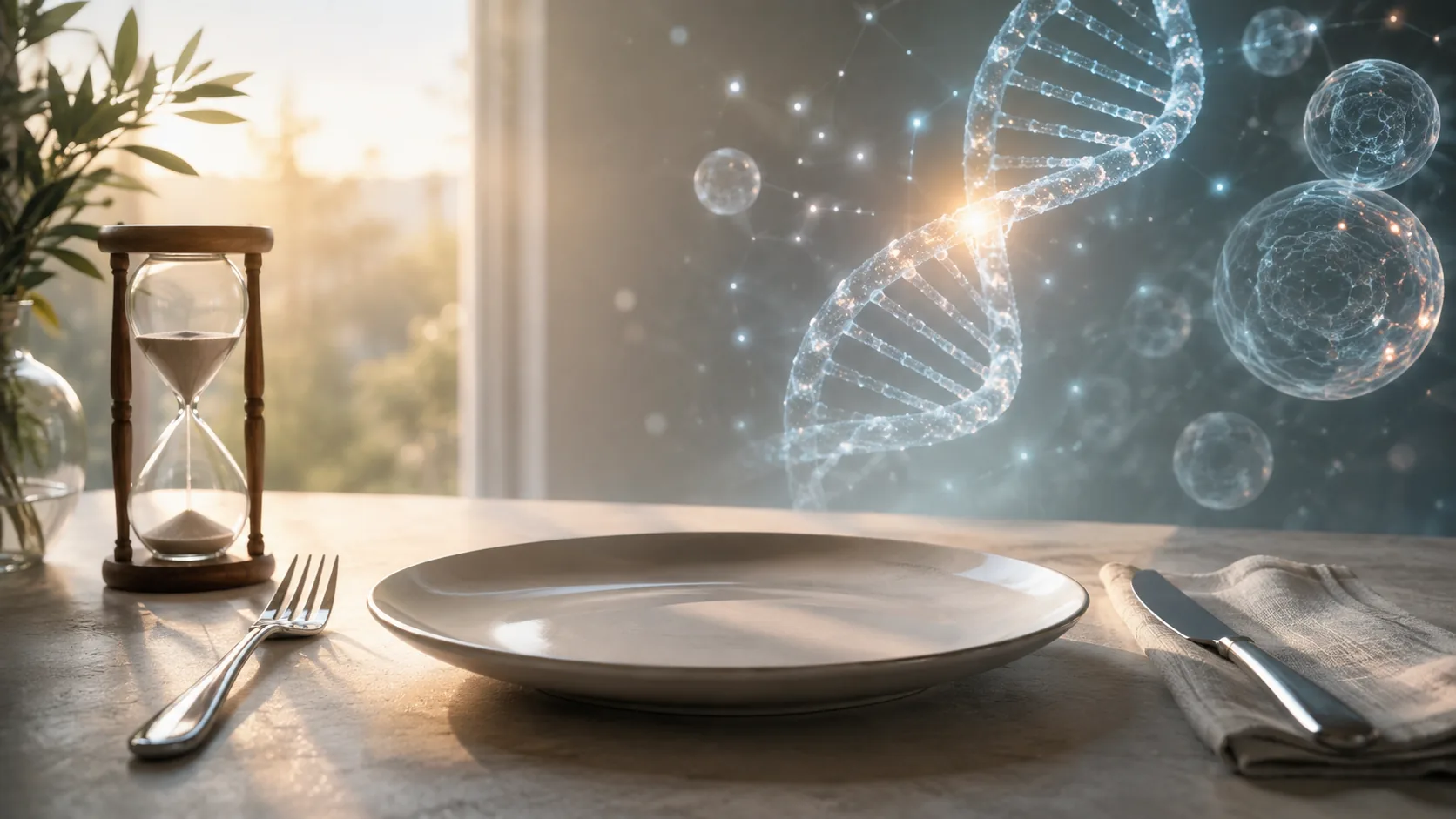
Current evidence suggests that fasting does support DNA repair processes, at least at the mechanistic level. When the body enters a fasted state, it activates several cellular maintenance programmes — including autophagy and stress-response pathways — that overlap directly with the machinery used to detect and repair DNA damage. That said, the strength of this evidence varies considerably between animal models and human studies, and fasting should be understood as one supportive factor rather than a standalone solution for genomic health.
Understanding DNA Damage and Why Repair Matters
DNA Damage Is Constant and Normal
Every cell in the body sustains thousands of instances of DNA damage each day. These arise from metabolic byproducts such as reactive oxygen species, environmental exposures including UV radiation and toxins, and the natural process of DNA replication. In most cases, the body’s repair systems correct this damage efficiently before it can accumulate or cause lasting harm.
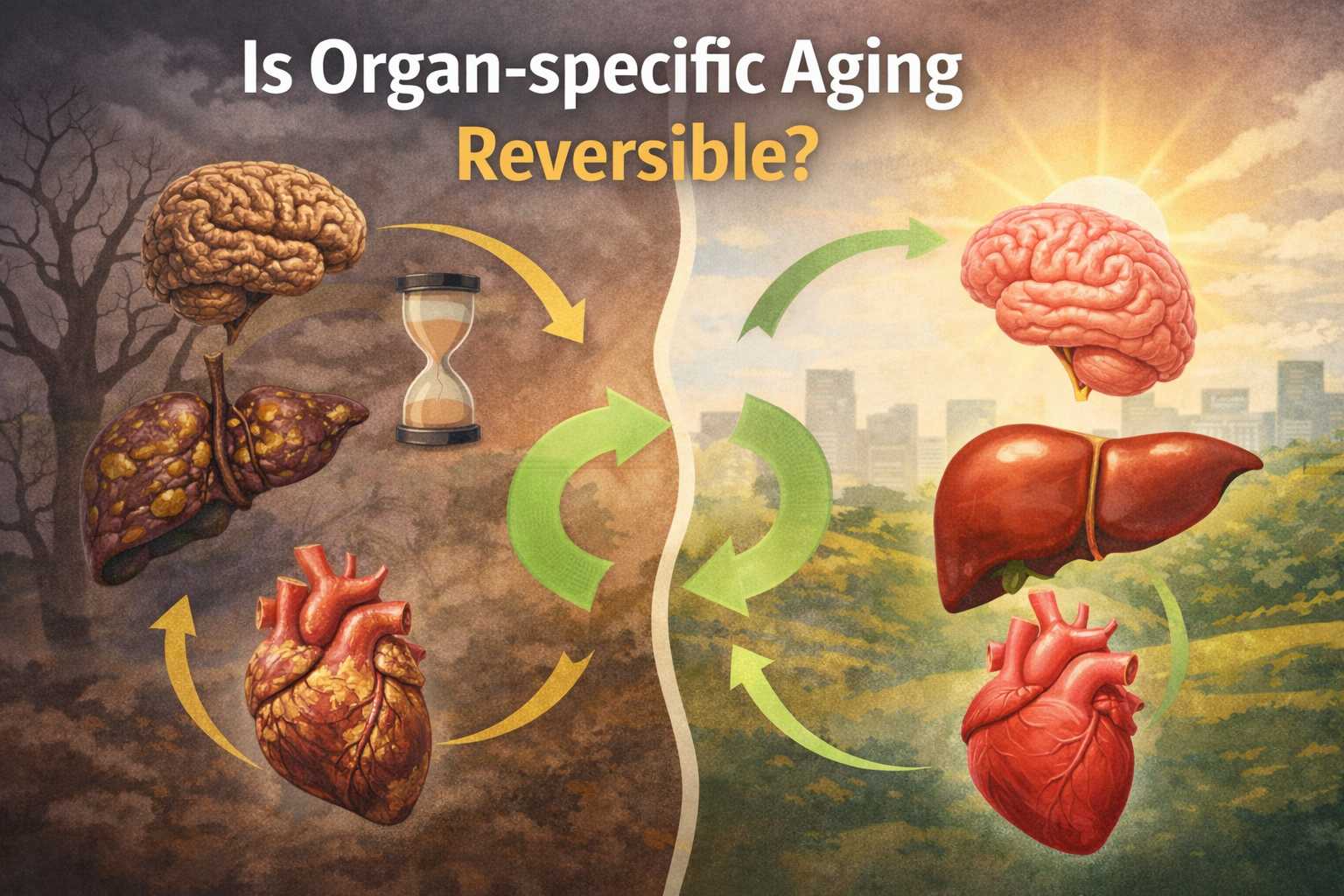
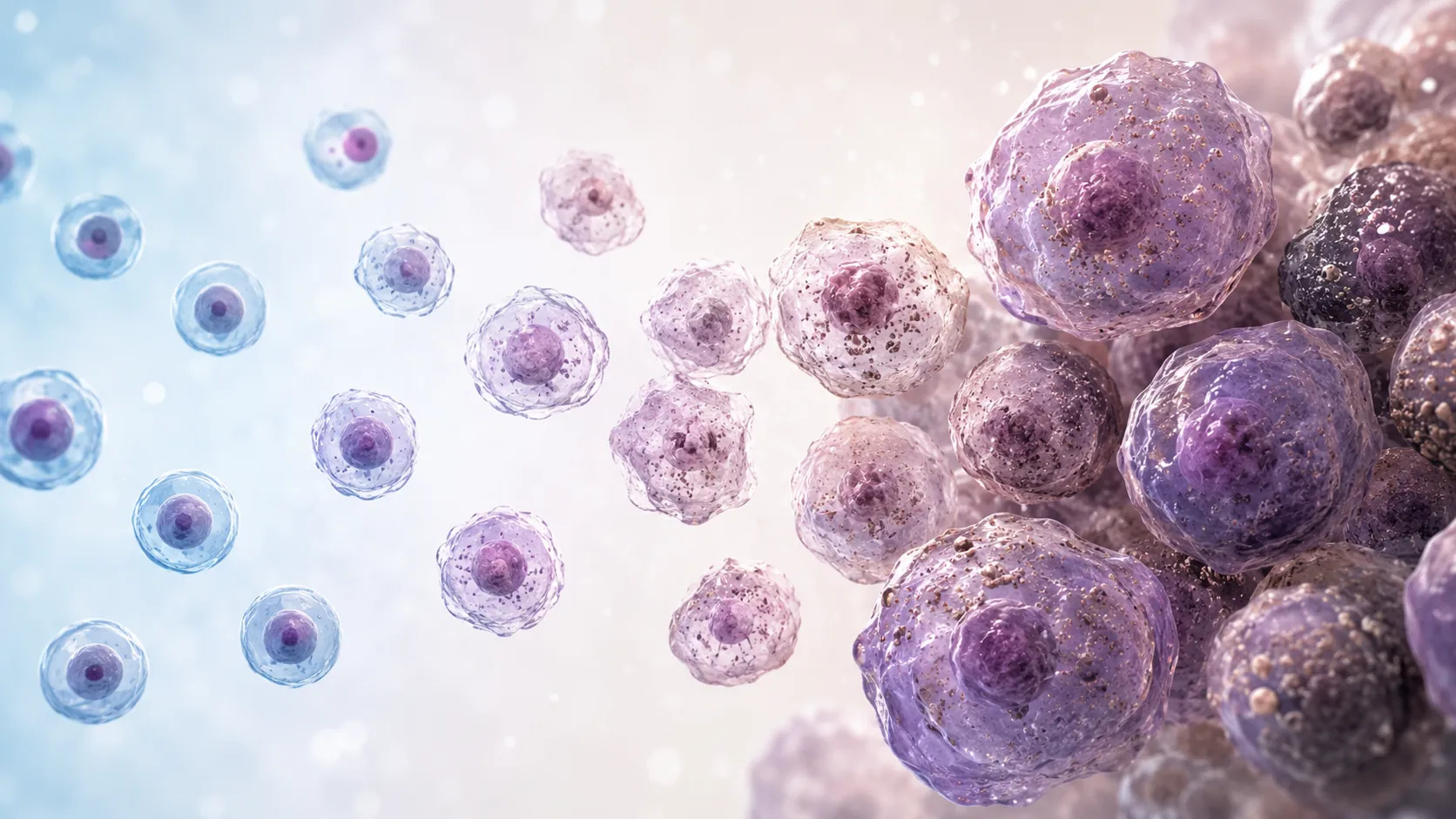
However, as explored in our article on whether DNA repair declines with age, the efficiency of these repair systems appears to decrease over time. As a result, unrepaired damage accumulates, contributing to genomic instability, cellular senescence, increased cancer risk, and the broader process of biological ageing. This is why understanding what supports DNA repair capacity is directly relevant to healthspan and longevity.
Key DNA Repair Pathways
DNA repair is not a single process. It encompasses several distinct mechanisms, including base excision repair, nucleotide excision repair, and double-strand break repair. Each pathway addresses different types of damage. What matters for this discussion is that these pathways depend on enzymatic activity, adequate energy availability, and the right cellular signalling environment — all of which fasting appears to influence.
How Fasting Activates DNA Repair Mechanisms
Autophagy: Cellular Housekeeping During Fasting
One of the most well-established effects of fasting is the upregulation of autophagy — the process by which cells break down and recycle damaged or dysfunctional components. Autophagy is not the same as DNA repair, but the two are closely connected. By clearing damaged proteins, dysfunctional mitochondria, and other cellular debris, autophagy reduces the overall burden of oxidative stress on the cell, which in turn lowers the rate of ongoing DNA damage. This creates a more favourable environment for repair to occur effectively.
AMPK and Sirtuin Signalling
Fasting activates AMPK, an energy-sensing enzyme that is upregulated when cellular energy falls during a fast. AMPK plays a broad role in promoting cellular maintenance, including the activation of DNA damage response pathways. In parallel, fasting also activates sirtuins — particularly SIRT1 and SIRT6 — which are NAD+-dependent proteins involved in regulating chromatin structure, gene expression, and directly facilitating DNA repair. Research suggests that SIRT6, for example, plays a specific role in maintaining genomic stability and supporting the repair of double-strand DNA breaks.
These pathways also intersect with mTOR suppression. During fasting, mTOR activity decreases, which shifts cellular priority away from growth and towards repair and maintenance. For more context on how these mechanisms connect to broader epigenetic changes, see our hub page on DNA repair and epigenetic ageing.
Oxidative Stress Reduction
Oxidative stress — driven by an excess of reactive oxygen species relative to antioxidant defences — is one of the primary causes of DNA damage. Fasting has been shown to reduce markers of oxidative stress in both animal and human studies. As a result, cells experience less ongoing DNA damage during fasting periods, which allows repair systems to focus on correcting existing lesions rather than managing a continuous influx of new ones. This reduction in oxidative burden is likely one of the more significant ways in which fasting supports overall DNA integrity.
What the Evidence Actually Shows
Animal Studies
The most compelling evidence for fasting and DNA repair comes from animal research. Studies in rodents have demonstrated that caloric restriction and intermittent fasting can upregulate DNA repair gene expression, reduce DNA strand breaks, and extend healthspan. These findings are consistent and mechanistically plausible. For additional context, the relationship between calorie restriction and DNA repair has been studied in some detail, and fasting shares many of the same biological effects.
Human Evidence
Human evidence is more limited and less consistent. Some studies have shown that intermittent fasting protocols reduce circulating markers of oxidative stress and inflammation in humans, which is indirectly supportive. A smaller number of studies have examined DNA damage markers directly, with some reporting modest reductions following fasting interventions. However, well-controlled, long-duration human trials examining DNA repair capacity specifically remain scarce. It would be premature to conclude from current data that fasting reliably improves DNA repair outcomes in healthy adults to a clinically meaningful degree.
Learn more in our complete guide to longevity for broader context on how these mechanisms fit into ageing science overall.
Practical Implications: Fasting Protocols and Nutrition
Which Fasting Approach Is Most Relevant?
For most people, the most practical and sustainable fasting approach is time-restricted eating — typically eating within a 6–10 hour window and fasting for the remainder of the day. This pattern aligns with circadian biology and has been shown to reduce oxidative stress and improve metabolic markers in human trials. Longer fasting periods of 24–48 hours may amplify some of these effects, but they carry greater risk of nutrient insufficiency and physiological stress, and should not be attempted without appropriate guidance.
In practice, consistency with a moderate fasting schedule is likely more beneficial than occasional extended fasts. The cellular benefits of fasting — including AMPK activation and autophagy upregulation — appear to emerge within 12–16 hours of the last meal in most individuals.
The Role of Nutrition During Eating Windows
The quality of nutrition consumed during eating periods matters considerably. Fasting is unlikely to provide meaningful DNA repair benefits if it is paired with a diet high in processed foods, refined sugars, and pro-inflammatory fats. In contrast, a diet rich in vegetables, whole foods, and antioxidant-containing compounds supports the cellular environment in which repair processes operate. Adequate protein intake is also important, as DNA repair enzymes are proteins and require sufficient amino acid availability to function properly.
Limitations and Uncertainties
Several important limitations should be acknowledged. First, much of the mechanistic evidence for fasting and DNA repair comes from cell culture or animal studies, where the biological environment differs meaningfully from that of healthy humans. Second, studies that show fasting reduces oxidative stress markers do not directly confirm improved DNA repair capacity — these are related but distinct outcomes. Third, individual responses to fasting vary depending on age, metabolic health, sleep quality, and baseline diet, making generalisations difficult.
It is also worth noting that fasting is not the only, or necessarily the most powerful, lifestyle factor influencing DNA repair. Exercise, sleep, and overall nutritional quality all play significant roles. Fasting is best understood as one component of a broader lifestyle approach rather than a targeted DNA repair intervention.
References
Sources
-
Fasting and DNA Repair: Molecular Mechanisms
ncbi.nlm.nih.govA peer-reviewed article examining how fasting activates DNA repair pathways at the cellular level, with a focus on AMPK, sirtuins, and autophagy.
-
Caloric Restriction and Genomic Stability
ncbi.nlm.nih.govExamines how caloric restriction, which shares metabolic similarities with fasting, enhances DNA repair and reduces mutation rates in animal models.
-
Fasting, Oxidative Stress, and Cellular Repair
nature.comDiscusses how fasting reduces oxidative stress and promotes cellular repair mechanisms, including effects relevant to DNA integrity.
-
Fasting and Longevity: Effects on DNA Repair
thelancet.comA review exploring how fasting influences ageing and DNA repair pathways, with discussion of both mechanistic evidence and human applicability.
Frequently Asked Questions
Does fasting improve DNA repair?
Research suggests that fasting supports DNA repair by activating cellular pathways including autophagy, AMPK, and sirtuin signalling, and by reducing oxidative stress — a primary driver of DNA damage. Most strong evidence comes from animal studies. Human data is more limited, though early findings are broadly consistent with these mechanisms.

What types of fasting are most relevant for DNA repair?
Time-restricted eating — such as a 16:8 pattern — is the most practical and well-studied approach. It activates relevant repair pathways without the risks associated with prolonged fasting. Longer fasts may amplify some effects but require careful management and are not necessary for most people.
Can fasting reduce DNA damage caused by oxidative stress?
Evidence indicates that fasting reduces markers of oxidative stress, which in turn lowers the rate of oxidative DNA damage. This creates a cellular environment more conducive to effective repair, though fasting alone does not eliminate oxidative damage entirely.
How long do you need to fast to activate DNA repair pathways?
Autophagy and AMPK activation typically begin within 12–16 hours of the last meal in most individuals. Shorter daily fasting windows can therefore be sufficient to initiate these processes, without requiring extended or multi-day fasts.
Is the scientific evidence for fasting and DNA repair strong in humans?
Human evidence is promising but limited. Studies show reductions in oxidative stress and inflammatory markers following fasting interventions, which indirectly supports improved DNA integrity. However, well-controlled human trials examining DNA repair capacity directly remain scarce, and caution is warranted in drawing firm conclusions.
Conclusion
The evidence suggests that fasting can support DNA repair through several well-characterised mechanisms — primarily by activating autophagy, AMPK, and sirtuin pathways, and by reducing oxidative stress. These effects are plausible, mechanistically grounded, and consistent with findings from animal research. In humans, the picture is less clear-cut, and fasting should not be treated as a targeted DNA repair therapy in its own right.
That said, incorporating a consistent, moderate fasting pattern alongside a nutrient-dense diet, regular exercise, and adequate sleep remains one of the more evidence-informed lifestyle strategies for supporting genomic health over time. The practical value of fasting likely lies in its cumulative effects across multiple cellular maintenance pathways, rather than in any single dramatic outcome.
Find out more about fasting and DNA repair
Search for more resources and information: