How Does Stress Suppress Immune Function?
Understanding How Stress Impacts Immunity
TL;DR: Yes, chronic stress can suppress immune function. Short-term stress may briefly change immune activity, but ongoing stress tends to raise cortisol, increase inflammation, and make the body less effective at fighting infection and recovering well.
Yes, stress can suppress immune function, especially when it is chronic. Ongoing psychological or physical stress can disrupt immune signaling, reduce the effectiveness of certain immune cells, and increase susceptibility to infections while also contributing to chronic inflammation.
This does not mean every stressful moment weakens immunity in a meaningful way. Acute stress can temporarily shift immune activity, but the bigger concern is long-term stress that keeps the body in a prolonged state of high alert. Over time, this can impair recovery, worsen inflammatory balance, and reduce immune resilience.
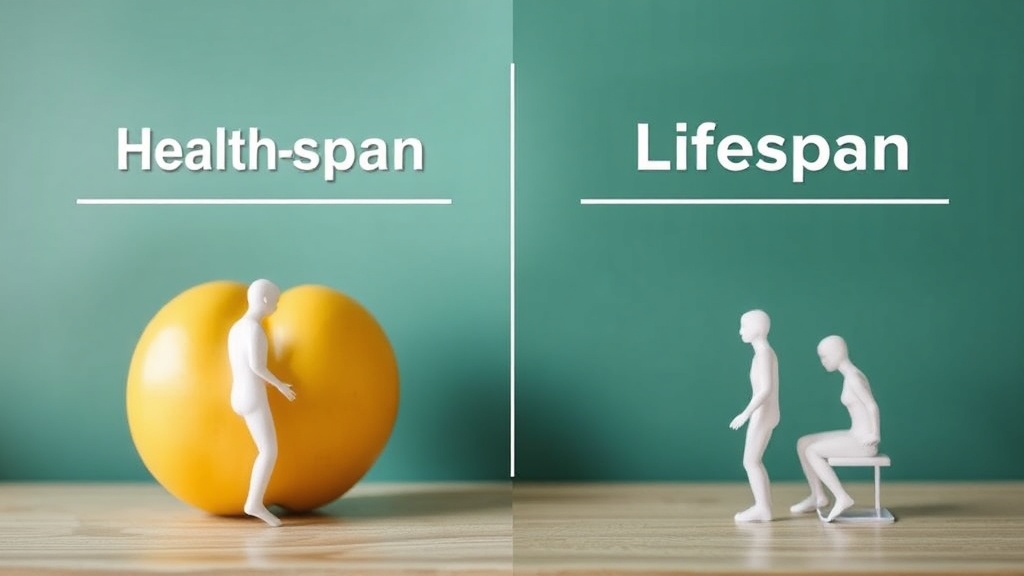
Stress is also relevant to broader aging and healthspan because it affects sleep, metabolism, inflammation, recovery, and behavior. Learn more in our complete guide to longevity.
The Physiological Mechanisms Behind Stress and Immune Suppression
How Stress Hormones Affect Immune Cells
Stress activates the hypothalamic-pituitary-adrenal axis and the sympathetic nervous system. This leads to increased release of cortisol and adrenaline, which help the body respond to immediate demands. In the short term, these changes can be adaptive. When stress becomes chronic, however, they can begin to disrupt immune regulation.
Research suggests persistently elevated cortisol can reduce the activity and coordination of important immune cells such as lymphocytes, natural killer cells, and macrophages. It can also alter cytokine signaling, which is how immune cells communicate. When that signaling becomes dysregulated, the immune response may become less effective or less balanced.
This is one of the main reasons chronic stress is associated with poorer immune defense rather than stronger resilience.
Neuroendocrine Pathways and Immune Suppression
The nervous and immune systems are closely linked. Chronic sympathetic activation, often described as being stuck in “fight or flight,” can change how immune cells are distributed and how well they perform surveillance throughout the body. Evidence indicates this can reduce the body’s ability to respond efficiently to pathogens and recovery demands.
Stress also affects inflammatory balance. Rather than simply shutting the immune system down, chronic stress can create a mixed picture of weaker immune defense alongside higher background inflammation. That combination may help explain why stress is associated with both more frequent illness and poorer long-term health outcomes.
These pathways are especially relevant to aging, because chronic inflammation and immune dysregulation are both linked to reduced healthspan.
Why Chronic Stress Matters for Long-Term Immune Health
How Chronic Stress Changes Recovery and Resilience
Chronic stress affects more than infection risk. It can also impair sleep quality, recovery from exercise, appetite regulation, and daily energy. These changes matter because immune health depends on the whole system, not just one pathway. When sleep, metabolism, and behavior deteriorate under stress, immune resilience often declines as well.
This makes chronic stress a whole-body longevity issue rather than only a mental health concern. It influences biomarkers related to inflammation, recovery, and metabolic regulation, all of which matter for healthy aging.
What the Research Suggests
Research suggests people under prolonged stress may show weaker vaccine responses, slower wound healing, and greater susceptibility to common infections. The effect size varies by person and situation, but the overall pattern is consistent: ongoing stress tends to make immune function less efficient.
That does not mean stress is always avoidable or that immune health depends on feeling calm all the time. It means that repeated or unmanaged stress deserves attention because of its cumulative biological effects.
Strategies to Minimize Stress-Induced Immune Suppression
Practical Techniques to Reduce Stress and Support Immunity
Some of the most effective strategies are also the simplest: improving sleep, maintaining regular physical activity, managing workload, spending time outdoors, and using relaxation practices such as breathing exercises, mindfulness, or meditation. These habits can help reduce chronic stress signaling and support better immune balance.
Exercise is particularly useful when it is moderate and consistent. It supports mood, metabolic health, circulation, and inflammatory regulation. In a broader longevity context, exercise also supports mitochondria, endurance, and recovery, which can indirectly strengthen resilience during stressful periods.
Social connection matters too. Supportive relationships can reduce perceived stress and are associated with better health outcomes overall.
The Role of Nutrition and Supplements
Nutrition can help support the body during stress, but it should not be framed as a complete fix for chronic overload. A balanced diet with adequate protein, micronutrients, and whole foods supports immune function and recovery. Undereating, excessive alcohol, and highly processed diets may make stress-related strain harder to manage.
Some supplements are commonly discussed during stress, but evidence is mixed and context matters. Vitamin C, zinc, and magnesium may be relevant in some cases, especially if intake is poor, but supplements should complement basic habits rather than replace them.
The most effective approach is usually cumulative: better sleep, regular exercise, stable nutrition, and realistic stress management strategies practiced consistently over time.
References and Resources
The following resources provide useful background on how stress affects immune function, inflammation, and long-term health:
Authoritative Sources on stress and immune function
- NIH – How Stress Affects Immune Response
nih.gov
An overview of how stress hormones influence immune responses and why chronic stress can affect health.
- PubMed – Stress and Immune Function
ncbi.nlm.nih.gov
A scientific review describing the biological pathways linking stress, cortisol, and immune dysregulation.
- WHO – Mental Health and Stress
who.int
A general overview of stress and its effects on mental and physical health.
- Healthline – Stress and the Immune System
healthline.com
A practical summary of how stress affects immune function and ways to reduce the impact.
- Mayo Clinic – Stress and Immune Function
mayoclinic.org
An explanation of the physiological processes linking chronic stress with immune changes and overall health.
- American Psychological Association – Stress
apa.org
A psychological perspective on stress, health, and evidence-based coping strategies.
- Science Daily – Stress and Immune Suppression
sciencedaily.com
A summary of research on how chronic stress may impair immune responses and influence health outcomes.

- NCAA Research – Stress and Infection Susceptibility
ncaa.org
A summary of evidence linking stress exposure with increased susceptibility to infection.
FAQ: Frequently Asked Questions
Does stress always suppress immune function?
No. Acute stress can temporarily shift or even briefly enhance some immune activity. The bigger concern is chronic stress, which is much more likely to impair immune regulation and resilience over time.
How long does it take for stress to affect immune function?
Stress-related immune changes can begin quickly, sometimes within hours, but the most meaningful suppression usually develops when stress is repeated or sustained over days, weeks, or longer.
Can managing stress improve immune function?
Yes. Better sleep, regular exercise, relaxation techniques, and social support can all help reduce chronic stress signaling and support healthier immune balance.
What lifestyle changes can prevent immune suppression due to stress?
The most useful changes are consistent sleep, moderate exercise, good nutrition, recovery time, stress-management practices, and supportive social connection. These habits help lower the long-term burden of chronic stress.
Conclusion
Stress can suppress immune function, particularly when it becomes chronic and begins to disrupt hormonal balance, inflammation, recovery, and daily behaviors. The effect is not just about feeling mentally overwhelmed. It is a whole-body process that can weaken immune resilience over time.
The most practical response is to reduce chronic stress where possible and build routines that improve recovery. Sleep, exercise, nutrition, and simple stress-management practices are not minor lifestyle details. They are central to supporting immune health, healthier aging, and long-term well-being.
Find out more information about “stress and immune function”
Search for more resources and information: