How Does Arterial Stiffness Affect Lifespan?
Understanding Arterial Stiffness and Its Impact on Aging
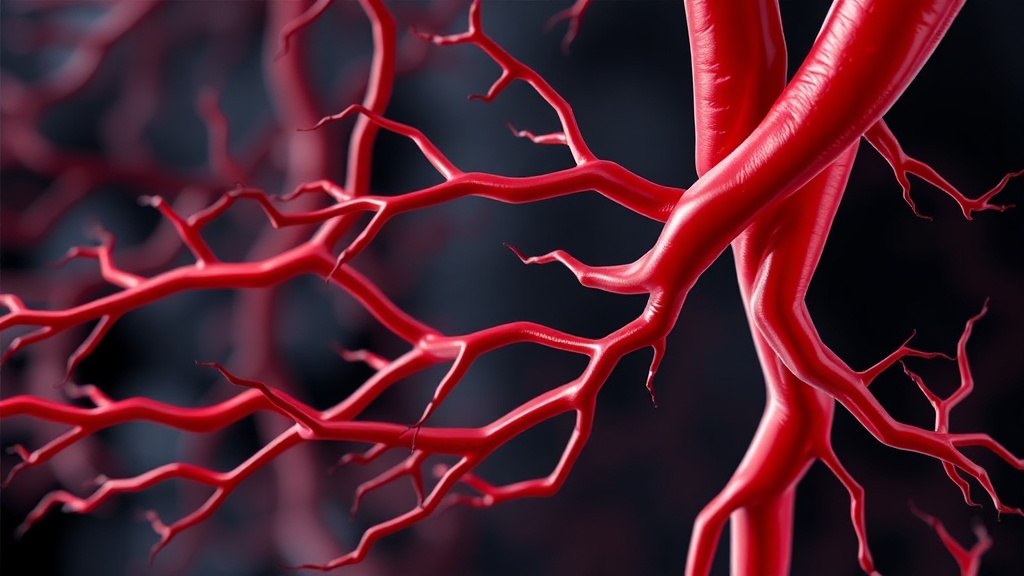
Arterial stiffness can affect lifespan because it reflects the loss of flexibility in the blood vessels that carry blood from the heart to the rest of the body. Healthy arteries expand and recoil with each heartbeat, helping regulate blood flow and reduce pressure on the cardiovascular system. When arteries become stiff, blood pressure rises more easily, the heart works harder, and the risk of vascular damage increases.
This matters for healthy aging because arterial stiffness is closely linked to hypertension, stroke, heart attack, kidney disease, and cognitive decline. It is not only a cardiovascular issue. It is also a marker of biological aging and long-term vascular wear and tear. In longevity science, arterial health is highly relevant to both lifespan and healthspan because the vascular system supports every organ in the body. Learn more in our complete guide to longevity.
Arterial stiffness becomes more common with age, but it is not driven by age alone. Metabolic health, inflammation, smoking, inactivity, sleep, nutrition, blood pressure, and blood sugar control all influence how quickly the arteries lose elasticity. Understanding this connection makes prevention more practical and meaningful.
One of the clearest reasons arterial stiffness matters is its strong association with cardiovascular mortality. Stiffer arteries increase the workload on the heart and can contribute to left ventricular hypertrophy, poorer blood pressure control, and greater strain on delicate blood vessels in organs such as the brain and kidneys. Over time, this raises the likelihood of major cardiovascular events that can shorten lifespan.
Arterial stiffness is also linked to atherosclerosis, which further increases the risk of heart attack and stroke. Because of this, arterial stiffness is often viewed as both a cause of vascular problems and a sign that broader cardiovascular aging is already underway. That makes it an important target for prevention and long-term health maintenance.
How does arterial stiffness accelerate age-related disease?
Arterial stiffness contributes to age-related disease by increasing pulsatile pressure and damaging tissues that depend on steady blood flow. Higher pressure can injure small blood vessels in the brain, kidneys, and other organs, potentially increasing the risk of dementia, kidney dysfunction, and other chronic conditions. This means the impact of arterial stiffness extends beyond the heart alone.
It also influences the aging process indirectly by worsening inflammation, endothelial dysfunction, and metabolic instability. In practice, that makes arterial stiffness both a cardiovascular issue and a broader longevity issue. Preserving vascular flexibility is therefore one of the more important ways to support long-term resilience and healthy aging.
How Does Arterial Stiffness Affect Lifespan? The Connection Explained
Understanding the link between arterial stiffness and mortality
The connection between arterial stiffness and lifespan is strongest through cardiovascular disease risk. When arteries stiffen, systolic blood pressure tends to rise and the heart must generate more force to move blood efficiently. This increases wear on the cardiovascular system and may accelerate the progression of heart failure, ischemic heart disease, and stroke risk.
Several studies have shown that higher arterial stiffness, often measured through pulse wave velocity, is associated with higher all-cause mortality and cardiovascular mortality. This does not mean arterial stiffness is the only factor that matters, but it does show that vascular flexibility is a meaningful predictor of long-term outcomes.
In that sense, arterial stiffness can influence lifespan both directly, by contributing to vascular events, and indirectly, by reflecting broader deterioration in cardiometabolic health. It is one of the clearest examples of how vascular aging and longevity are tightly linked.
How does arterial stiffness influence quality of life as well as lifespan?
Arterial stiffness affects not only how long a person lives, but also how well they age. Poor vascular flexibility can reduce exercise tolerance, impair circulation, worsen blood pressure control, and increase fatigue. It may also contribute to cognitive decline over time through effects on cerebral blood flow and microvascular damage.
This is why arterial stiffness is relevant to healthspan as well as lifespan. A person may live longer by avoiding major cardiovascular events, but preserving flexible arteries may also help maintain better mobility, energy, brain health, and organ function along the way. From a longevity perspective, those are highly valuable outcomes.
Factors That Influence Arterial Stiffness and Longevity
Genetics and lifestyle choices
Genetics can influence baseline cardiovascular risk, but lifestyle choices strongly affect how arterial stiffness develops over time. Smoking, poor diet, physical inactivity, chronic stress, poor sleep, and excess alcohol are all associated with faster vascular aging. These factors increase inflammation, oxidative stress, and endothelial dysfunction, which collectively damage the artery wall.
By contrast, a heart-healthy lifestyle may help preserve arterial flexibility. Diets rich in vegetables, fruit, legumes, whole grains, fish, olive oil, nuts, and other minimally processed foods tend to support better vascular health. Regular exercise improves endothelial function, supports blood pressure control, and helps reduce metabolic risk factors that contribute to stiffening.
This means lifestyle can materially shift the trajectory of vascular aging. Even when genetic risk is present, daily habits still play a major role in determining how strongly arterial stiffness affects long-term health.
Age, health conditions, and their impact
Aging remains one of the biggest contributors to arterial stiffness because structural proteins in the arterial wall gradually change over time. Elastin breaks down, collagen becomes more prominent, and calcification may increase. These processes make arteries less able to expand and recoil normally.
Medical conditions such as hypertension, diabetes, insulin resistance, chronic kidney disease, and high cholesterol can accelerate this process. High blood pressure exposes arteries to repeated mechanical strain, while poor glucose control and abnormal lipids can damage vessel walls through inflammation and metabolic stress. When these conditions are present, arterial stiffness often progresses faster and has a greater effect on longevity.
This is why early detection and good clinical management matter. The sooner these risk factors are addressed, the better the chances of protecting arterial health and reducing long-term disease burden.
Preventing and Managing Arterial Stiffness to Extend Lifespan
Practical strategies to reduce arterial stiffness
One of the most effective ways to reduce arterial stiffness is regular physical activity. Aerobic exercise such as brisk walking, cycling, or swimming can improve endothelial function and support healthier blood pressure. Resistance training may also be useful when done consistently as part of a broader cardiovascular health plan.
Diet is equally important. Reducing ultra-processed foods, excess salt, excess sugar, and trans fats while increasing fiber, potassium-rich foods, and healthy fats may help support vascular function. Better nutrition also improves many of the conditions that worsen arterial stiffness, including obesity, insulin resistance, and hypertension.
Stress management, smoking cessation, good sleep, and healthy body composition also matter. These are not minor lifestyle details. They shape the biological environment in which vascular aging occurs.
Medical interventions and monitoring
Medical monitoring can help detect vascular risk early. Blood pressure measurements, blood glucose, lipid testing, kidney function, and cardiovascular assessment all provide useful insight into the factors that contribute to arterial stiffness. In some settings, pulse wave velocity and other vascular tests may be used to assess arterial stiffness more directly.
When medical conditions are present, treatment can make a meaningful difference. Controlling hypertension, improving blood sugar regulation, and managing cholesterol can reduce ongoing vascular damage and help slow the stiffening process. In many cases, the combination of clinical care and lifestyle change offers the best long-term outcome.
The broader message is that arterial stiffness is not something to ignore until symptoms appear. It is a meaningful marker of cardiovascular aging, and it responds best to proactive, long-term management.
FAQs About Arterial Stiffness and Lifespan
Frequently Asked Questions
Does arterial stiffness directly shorten lifespan?
Arterial stiffness can contribute to a shorter lifespan because it increases the risk of cardiovascular events such as heart attack, stroke, heart failure, and kidney damage. It may not act alone, but it is strongly linked to higher mortality risk and poorer vascular aging.
Can lifestyle changes reverse arterial stiffness?
Lifestyle changes can often improve vascular health and may reduce or slow arterial stiffness, especially when changes are made early. Regular exercise, better diet, smoking cessation, weight management, and blood pressure control are among the most effective strategies.
What are the best ways to prevent arterial stiffening?
The most effective prevention strategies include regular physical activity, a heart-healthy diet, maintaining a healthy body weight, avoiding smoking, limiting excess alcohol, managing stress, and monitoring blood pressure, blood sugar, and cholesterol levels.
How does arterial stiffness influence overall aging?
Arterial stiffness influences overall aging by increasing vascular strain, damaging organs that depend on stable blood flow, and raising the risk of chronic diseases linked to aging. It affects both lifespan and healthspan because vascular function is central to whole-body resilience.
References and Resources
These resources provide useful background on arterial stiffness, vascular aging, cardiovascular mortality, and strategies for preserving arterial health:
Authoritative Sources on Does Arterial Stiffness Affect Lifespan
-
American Heart Association: High Blood Pressure and Arterial Stiffness
heart.orgExplains the close relationship between blood pressure, arterial stiffness, and cardiovascular risk.
-
National Institutes of Health: Arterial Stiffness and Aging
nih.govA scientific review of how arterial stiffness develops with age and why it matters for long-term health outcomes.
-
Circulation Research: Impact of Arterial Stiffness on Cardiovascular Mortality
ahajournals.orgExamines how arterial stiffness predicts cardiovascular mortality and overall vascular risk.
-
WebMD: Arterial Stiffness Overview
webmd.comA patient-friendly overview of arterial stiffness, its consequences, and common prevention approaches.
-
Australian Heart Foundation
heartfoundation.org.auProvides practical advice on cardiovascular prevention, lifestyle, and vascular health.
-
European Society of Cardiology
escardio.orgAn authoritative source for guidelines and research relevant to arterial health and cardiovascular longevity.
-
American Journal of Hypertension
ajh.orgPeer-reviewed research on the interaction between hypertension, vascular aging, and arterial stiffness.
-
Research Article: Aging and Vascular Stiffness
ncbi.nlm.nih.govProvides detailed insight into how vascular stiffness evolves with age and its effect on healthspan and lifespan.
Conclusion
Arterial stiffness does affect lifespan because it increases cardiovascular risk, accelerates vascular aging, and contributes to chronic disease burden across multiple organ systems. It is one of the clearest examples of how blood vessel health influences both longevity and quality of life.
The good news is that arterial stiffness is influenced by modifiable factors. Exercise, nutrition, blood pressure control, better metabolic health, and early clinical monitoring can all help protect the arteries over time. Supporting vascular flexibility is therefore a practical and important part of any strategy aimed at healthier aging and longer life.
Find out more information about “Does Arterial Stiffness Affect Lifespan”
Search for more resources and information: