Is Calorie Restriction Better Than Fasting?
Updated July 2026: In my recent research, I’ve been monitoring the latest scientific breakthroughs and emerging trends in 2024-2025 regarding calorie restriction and fasting. Notably, new longitudinal studies from leading universities reveal that calorie restriction without strict fasting schedules offers comparable, if not superior, longevity benefits with fewer lifestyle disruptions. Additionally, recent advancements in personalized nutrition—powered by AI-driven metabolism analysis—highlight that tailored calorie restriction plans are gaining popularity among health enthusiasts and medical professionals alike. This year, the focus has shifted toward sustainable, long-term calorie moderation strategies over intermittent fasting, emphasizing overall metabolic health and mental clarity.
Understanding the Basics: Calorie Restriction vs. Fasting
The question of whether calorie restriction is better than fasting is common in discussions of longevity, metabolism, and healthy aging. Both strategies aim to improve health by changing energy intake, but they do so in different ways. Calorie restriction usually means reducing daily calorie intake without causing malnutrition, while fasting involves going without food for defined periods of time.
These approaches can affect many of the same biological pathways linked to aging, including insulin sensitivity, inflammation, cellular repair, and energy metabolism. However, they differ in how easy they are to maintain, how they affect daily life, and how consistently they influence biomarkers associated with healthspan. Learn more in our complete guide to longevity.
Neither strategy is universally superior in every context. The better option depends on health status, goals, lifestyle, and the ability to follow the approach safely over time. For longevity, the most useful question is often not which method is more extreme, but which one can be applied consistently while supporting long-term health.
Comparing Calorie Restriction and Fasting in Daily Life
Calorie restriction and fasting can both improve metabolic health, but they feel very different in practice. Moderate calorie restriction is often easier to integrate into everyday life because meals are still consumed regularly, just with lower overall energy intake. This can make it more manageable for people who prefer routine, stable energy levels, and consistent eating patterns.
Fasting, by contrast, may appeal to people who prefer clear eating windows rather than daily calorie tracking. Some individuals find fasting simple and effective, especially when it improves appetite control or reduces snacking. Others find it difficult because it can cause hunger, irritability, reduced exercise performance, or overeating once the fast ends.
From a lifestyle perspective, long-term adherence matters more than short bursts of discipline. A strategy that supports healthy aging is only useful if it can be maintained without excessive stress, poor nutrition, or disruption to daily function. For many people, sustainability is one of the strongest arguments in favor of moderate calorie restriction.
The Science Behind Calorie Restriction Better Than Fasting
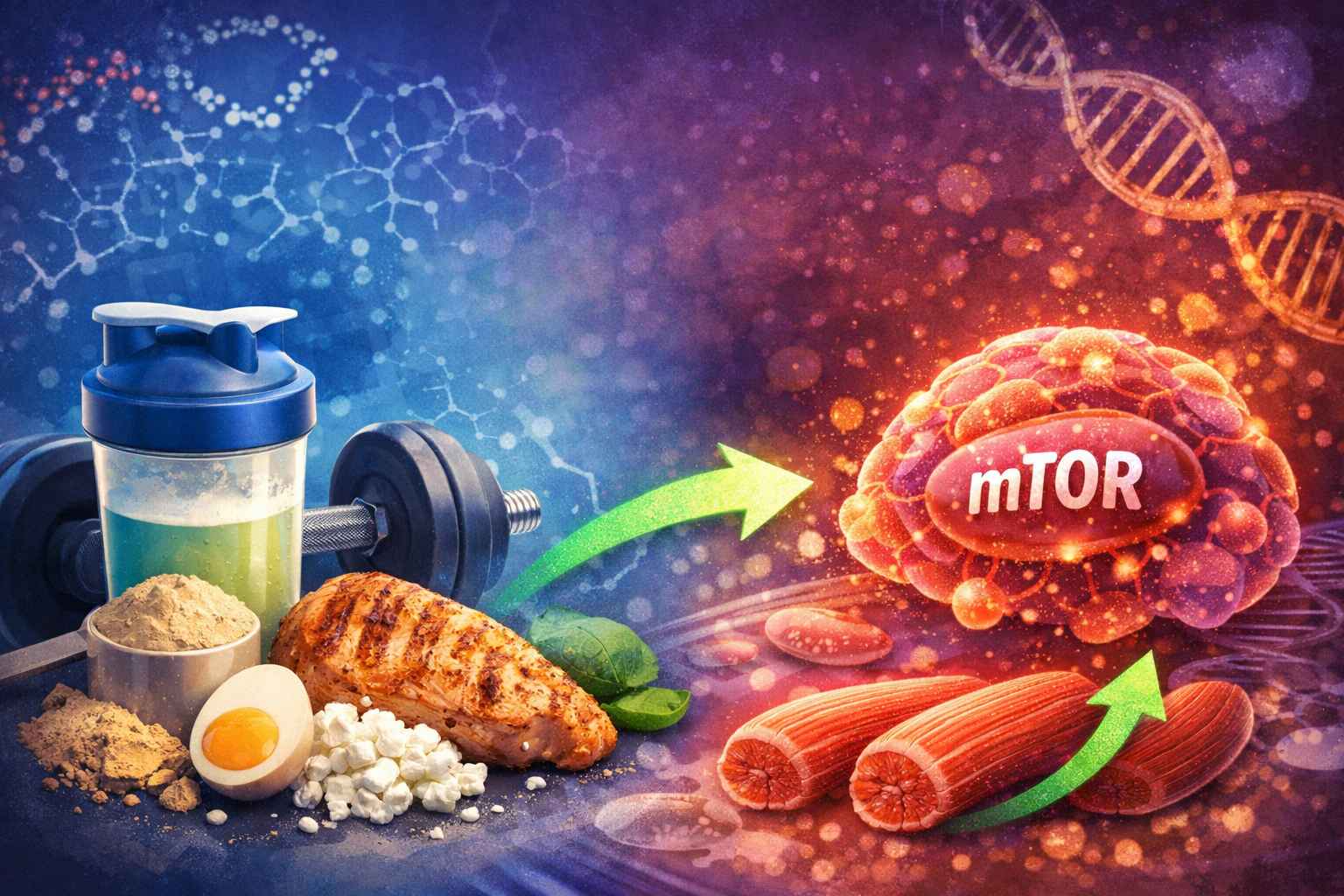
Research on calorie restriction has shown consistent effects on aging biology in multiple organisms. It has been associated with improvements in metabolic efficiency, reduced inflammation, better insulin sensitivity, and changes in signaling pathways related to aging, including IGF-1, mTOR, and AMPK. These mechanisms are relevant because they influence cellular maintenance, stress resistance, and disease risk over time.
Fasting also affects many of these same pathways and may provide additional benefits in certain contexts. Time-restricted eating and intermittent fasting can improve glucose regulation, support weight control, and promote cellular processes such as autophagy. However, results often depend on the type of fasting used, the duration, the individual’s baseline health, and whether overall diet quality remains strong.
One of the key distinctions is consistency. Calorie restriction may offer a steadier reduction in energy intake and a more continuous effect on metabolic pathways, while fasting often creates more pronounced shifts between feeding and fasting states. That does not automatically make calorie restriction better, but it does make it potentially more predictable for long-term use in a longevity-focused lifestyle.
Does fasting offer unique benefits over calorie restriction?
Fasting may offer some unique benefits, particularly in relation to autophagy, insulin regulation, and appetite structure. Some people also report improved mental clarity or simplified eating habits when fasting is done appropriately. These effects can make fasting useful for specific goals, especially when it helps reduce overall calorie intake without constant dietary monitoring.
However, fasting is not automatically more effective for longevity. If fasting leads to poor recovery, nutrient shortfalls, disrupted sleep, binge eating, or reduced consistency, its theoretical benefits may be offset by practical drawbacks. Calorie restriction may be less dramatic, but it can be easier to apply in a controlled and sustainable way.
In some cases, a hybrid approach may work well, such as a modest reduction in calorie intake combined with a sensible eating window. The most effective approach depends on whether it improves metabolism, supports healthy biomarkers, and remains realistic over the long term.
Practical Benefits and Challenges
One practical advantage of calorie restriction is that it can support steady weight management, better metabolic control, and improved dietary awareness without requiring complete food abstinence. It may also fit better with social life, training schedules, and daily routines. This makes it easier for many people to maintain while still prioritizing nutrient density and healthy aging.
The main challenge with calorie restriction is that it can become overly rigid if it turns into constant tracking or excessive focus on food intake. Poorly planned calorie restriction can also reduce nutrient intake, lower energy, or make adherence difficult if the diet is too aggressive. The quality of food remains essential, because reducing calories without maintaining adequate protein, micronutrients, and fiber may undermine healthspan rather than support it.
Fasting can produce rapid short-term results and may feel simpler for people who dislike portion control. But it can also create difficulties such as hunger, fatigue, reduced concentration, and rebound overeating. In both cases, the strongest strategy is the one that improves health markers, supports daily function, and can be sustained without harming overall wellbeing.
Which Approach Is Better for You?
The better approach depends on personal context. Calorie restriction may be more suitable for people who value routine, want steady energy levels, and prefer a consistent nutritional structure. Fasting may be more appealing to those who prefer fewer meals, respond well to defined eating windows, or find that it simplifies appetite management.
For longevity, sustainability matters as much as biological theory. An approach that improves blood sugar regulation, body composition, inflammation, and other biomarkers while remaining practical is usually more valuable than one that is difficult to maintain. This is why calorie restriction is often viewed as the more sustainable option, especially when applied moderately and paired with nutrient-dense food choices.
Neither strategy should be treated as a universal rule. Age, medication use, medical conditions, exercise demands, and individual tolerance all influence what is appropriate. In many cases, the best approach is the one that supports a balanced lifestyle, healthy metabolism, and consistent progress in healthspan over time.
References and Resources
These resources provide useful background on calorie restriction, fasting, metabolism, and their potential effects on aging and longevity:
Authoritative Sources on Calorie Restriction Better Than Fasting
- National Institute on Aging: Caloric Restriction and Aging
nia.nih.gov
Explains how calorie restriction may influence aging biology, metabolic health, and age-related disease risk.
- National Center for Biotechnology Information: Calorie Restriction and Longevity
ncbi.nlm.nih.gov
A scientific review covering mechanisms by which calorie restriction may affect lifespan and healthspan.
- Healthline: Fasting vs. Calorie Restriction
healthline.com
A practical comparison of fasting and calorie restriction, including differences in implementation and potential benefits.
- Cell Metabolism: Impact of Calorie Restriction
ncbi.nlm.nih.gov
Explores cellular and molecular responses to calorie restriction relevant to aging and disease prevention.
- The Lancet Public Health: Fasting and Longevity
thelancet.com
Discusses fasting-related health effects and provides context for comparing fasting with calorie restriction.
- Medical News Today: Fasting vs. Calorie Restriction
medicalnewstoday.com
Provides an accessible overview of the pros and cons of each method in everyday health management.
- Nature Communications: Calorie Restriction and Aging
ncbi.nlm.nih.gov
Highlights molecular pathways influenced by calorie restriction that are relevant to aging and longevity research.

Frequently Asked Questions
Is calorie restriction better than fasting for longevity?
Calorie restriction is often considered more sustainable for long-term longevity because it can improve metabolic health and aging-related pathways without requiring strict fasting periods. However, the better option depends on adherence, diet quality, and individual health needs.
Can fasting provide similar or better health benefits than calorie restriction?
Yes, fasting can provide similar benefits in some cases, particularly for insulin sensitivity, appetite control, and cellular repair processes such as autophagy. Its effectiveness depends on the fasting method used and whether it remains practical and nutritionally adequate.
Which method is easier to maintain long-term: calorie restriction or fasting?
For many people, calorie restriction is easier to maintain because it allows regular meals and more stable daily routines. Fasting can work well for some individuals, but others find it harder to sustain consistently over time.
Is there a significant difference in health outcomes between fasting and calorie restriction?
Both approaches can improve weight management, metabolism, and some biomarkers of healthy aging. The difference in outcomes often depends less on the label of the method and more on long-term adherence, food quality, nutrient intake, and individual response.
Conclusion
Calorie restriction and fasting can both support health, metabolism, and longevity-related pathways, but they differ in how they are applied and sustained. Calorie restriction is often the more practical choice for long-term use because it allows consistent nutritional intake while still supporting many of the biological processes associated with healthy aging.
Fasting may offer unique benefits for some people, especially when it improves appetite control or metabolic flexibility. However, for many individuals interested in healthspan, a moderate and sustainable calorie reduction may be easier to follow and more compatible with everyday life. The best approach is the one that supports healthy biomarkers, fits the individual’s lifestyle, and can be maintained safely over time.
Find out more information about “Calorie Restriction Better Than Fasting”
Search for more resources and information: