
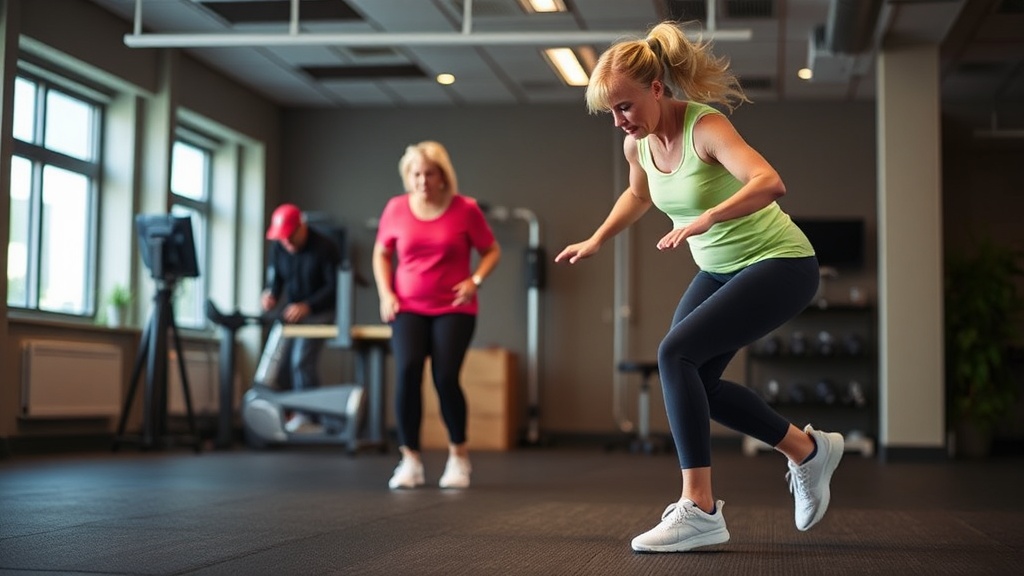
Does Balance Training Reduce Fall Risk?
Introduction
TL;DR: Yes, balance training reduces fall risk by improving stability, coordination, reaction time, and confidence in movement. Regular practice, especially when combined with strength work, is one of the most practical ways to prevent falls and maintain independence with age.
Yes, balance training reduces fall risk. It improves the body’s ability to control posture, respond to slips or trips, and stay stable during everyday movement, which is why it is widely recommended for fall prevention, especially in older adults.
Falls are rarely caused by one factor alone. They usually result from a mix of poorer balance, weaker muscles, slower reactions, reduced confidence, and environmental hazards. Balance training addresses several of these at once, making it one of the most useful and accessible strategies for preserving mobility, confidence, and healthspan. Learn more in our complete guide to longevity.
Understanding How Balance Training Impacts Fall Risk
What Is Balance Training and Why Does It Matter?
Balance training includes exercises that challenge the body’s ability to stay upright and controlled during standing, walking, turning, or shifting weight. It is not limited to standing on one leg. It can also include heel-to-toe walking, stepping drills, Tai Chi, unstable-surface work, and exercises that improve core control and ankle stability.
Balance matters because it helps the body react quickly when something unexpected happens. A missed step, uneven pavement, or sudden change in direction can all lead to a fall if postural control is poor. Better balance improves the ability to recover before that loss of control becomes an injury. That is one of the clearest ways balance training reduces fall risk.
How Balance Training Reduces Fall Risk
Balance training improves neuromuscular control, which is the communication between the brain, nerves, and muscles that keeps movement coordinated. It also strengthens stabilizing muscles in the feet, ankles, hips, and core. These systems are essential for maintaining posture and correcting movement when the body is challenged.
Regular balance practice can also improve proprioception, which is the body’s awareness of where it is in space. This is especially important with aging, because proprioception often declines over time. Research suggests that better proprioception, stronger stabilizer muscles, and faster postural reactions can meaningfully reduce the chance of falling.
How Balance Training Helps Reduce Fall Risk
Building Stability Through Regular Practice
Balance training works best when it is practiced consistently and progressed gradually. Simple exercises such as single-leg stands, side stepping, controlled weight shifts, and tandem walking can improve stability over time. These exercises challenge the body in ways that everyday sitting and walking often do not.
Many people notice practical benefits before they see dramatic physical changes. Standing up feels steadier, turning becomes easier, and walking on uneven ground feels less stressful. That improvement in movement confidence matters because fear of falling can itself reduce activity levels, which then leads to weaker muscles and even greater fall risk.
Why Balance Training Works Best with Strength and Mobility
Balance training is highly effective on its own, but it is often stronger when paired with lower-body strength work and mobility training. Stronger leg and hip muscles make it easier to catch yourself during a stumble. Better ankle mobility and hip control also improve the ability to shift weight safely and react quickly.
This is why well-designed fall-prevention programs often combine balance drills with squats, step-ups, calf raises, and core work. The goal is not only to stand still better, but to move through daily life more safely. In practice, balance training reduces fall risk most effectively when it supports real-world movement.
Scientific Evidence Supporting Balance Training
Research Findings on Balance Training and Fall Prevention
Research consistently shows that balance-focused exercise can lower fall rates, particularly in older adults and people with reduced mobility. Evidence indicates that programs including standing balance work, gait drills, and controlled movement practice can reduce both the number of falls and the risk of recurrent falls.
Exercises such as Tai Chi, structured balance classes, and progressive home-based balance routines have been studied particularly often. These interventions appear to help because they train the body to respond more effectively to instability, not just become stronger in a general sense. That specificity is one reason balance training is so relevant for fall prevention.
Why Balance Training Is Distinct from General Exercise
General exercise is beneficial for overall health, but balance training targets a specific skill: staying stable while the body is challenged. Walking, cycling, or standard gym workouts may improve fitness, but they do not always train the rapid corrective responses needed to prevent a fall.
That does not mean other exercise is unimportant. In fact, endurance, strength, and mobility all support healthy aging. But balance training adds a layer of protection by focusing on coordination, body awareness, and recovery from movement errors. For fall prevention, that specific training matters.
Practical Tips for Effective Balance Training
Simple Exercises to Start With
Good beginner options include standing on one leg while holding a chair for support, walking heel to toe in a straight line, shifting weight from one foot to the other, and practicing controlled sit-to-stand movements. These exercises are accessible, require little equipment, and can be adapted for different ability levels.
The safest approach is to start with support nearby, such as a wall, counter, or sturdy chair. As confidence improves, difficulty can be increased by reducing hand support, slowing movements, closing the eyes in selected drills, or practicing on slightly less stable surfaces under safe conditions.
Advanced Balance Training Techniques
More advanced options can include single-leg reaching drills, step-and-recover exercises, Tai Chi, yoga poses, or balance board work. These methods increase challenge and help train the body to respond to more complex movement demands. They can be especially useful for people who already have a basic level of stability and want to keep progressing.
Because fall prevention is the goal, challenge should increase without sacrificing safety. For people with dizziness, major mobility issues, neuropathy, or a recent fall history, supervised training with a physiotherapist or qualified exercise professional may be the best option.
How Often Should You Train?
Consistency matters more than occasional hard sessions. Short sessions practiced several times per week are often more effective than infrequent effort. Even 10 to 15 minutes of balance work done regularly can improve stability, especially when paired with walking and strength training.
The most effective routine is usually the one that becomes sustainable. That may mean building balance work into daily habits, such as practicing single-leg stands while brushing teeth, doing heel-to-toe walking in the hallway, or adding a few mobility and stability drills before a walk.
FAQs about Balance Training and Fall Prevention
Frequently Asked Questions
Yes, balance training reduces fall risk by improving stability, coordination, confidence, and the ability to recover from slips or stumbles. It is one of the most effective non-drug strategies for fall prevention, especially in older adults.
What are the best exercises for reducing fall risk?
Effective exercises include single-leg stands, heel-to-toe walking, side stepping, sit-to-stand drills, Tai Chi, and lower-body strength work such as squats and calf raises. The best program usually combines balance practice with strength and mobility exercises.
Can balance training be effective for all age groups?
Yes. Although it is especially important in older adults, balance training can benefit people of all ages. It improves coordination, body awareness, and movement control, which can support athletic performance, injury prevention, and long-term mobility.
How long does it take to see benefits from balance training?
Some improvements in confidence and stability can appear within a few weeks of regular practice. Larger changes in movement control and fall prevention usually depend on consistent training over a longer period, especially when combined with strength work.
References and Resources
Throughout research on Balance Training Reduce Fall Risk, these resources are useful for answering questions like ‘Does Balance Training Reduce Fall Risk?’.
Authoritative Sources on Balance Training Reduce Fall Risk
- CDC – Falls Prevention
cdc.gov
Offers broad guidance on fall prevention, including the role of exercise, balance, and home safety.
- NIA – Strength and Balance to Prevent Falls
nia.nih.gov
Explains why strength and balance matter for fall prevention and healthy aging.
- American Heart Association – Balance Exercises
heart.org
Provides practical balance exercises suitable for many adults.

- Research on Balance Training and Fall Prevention
ncbi.nlm.nih.gov
A scientific review discussing different balance interventions and their effect on fall prevention.
- Mayo Clinic – Balance Exercises
mayoclinic.org
Offers practical guidance on balance exercises for stability and fall prevention.
- Harvard Health Publishing – Exercises to Improve Balance and Prevent Falls
health.harvard.edu
Discusses how balance practice supports safer movement and independence.
- Arthritis Foundation – Balance & Fall Prevention
arthritis.org
Provides accessible balance ideas, including options for people with joint limitations.
Conclusion
Balance training is one of the most effective ways to reduce fall risk. It improves postural control, reaction time, coordination, and confidence, all of which are essential for preventing slips, stumbles, and injuries.
The most useful approach is simple and consistent: practice balance regularly, combine it with strength work, and progress safely over time. Whether the goal is healthy aging, better mobility, or maintaining independence, balance training is a practical investment in long-term function and safety.
Find out more information about “Balance Training Reduce Fall Risk”
Search for more resources and information: