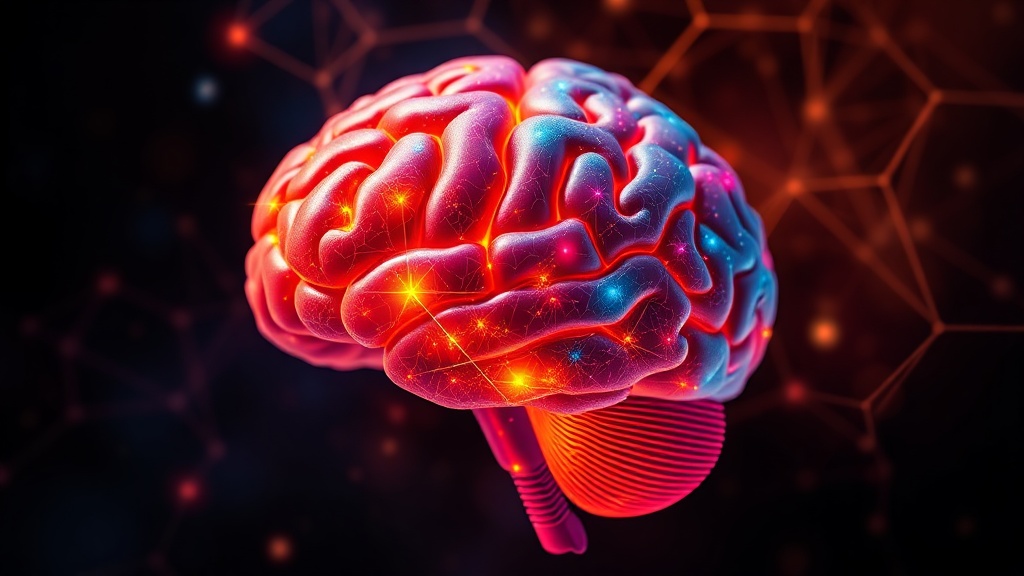
Does Musical Mastery Protect Against Age-related Brain Shrinkage?
Introduction
TL;DR: Musical mastery may help protect against age-related brain shrinkage by stimulating memory, attention, coordination, and neuroplasticity, but it is not a guaranteed shield on its own. Regular musical practice appears most useful as part of a broader healthy aging strategy that also includes exercise, sleep, social connection, and good metabolic health.
Musical mastery may help protect against age-related brain shrinkage because learning and practicing music challenges the brain across multiple systems at once, including memory, attention, coordination, emotion, and sensory processing. It is not a standalone cure for brain aging, but evidence suggests that sustained musical engagement can support brain plasticity and cognitive resilience over time.
Age-related brain shrinkage is a normal part of aging, especially in regions linked to memory, executive function, and processing speed. Activities that keep the brain active and adaptable may help slow this decline. Music is one of the most demanding examples because it combines mental effort, motor control, listening, timing, and repetition.
This matters for healthy aging because preserving brain structure and function supports independence, learning, emotional regulation, and quality of life. Research suggests that people who stay mentally and physically engaged tend to maintain better cognitive health for longer. Learn more in our complete guide to longevity.
Understanding age-related brain shrinkage and the role of musical mastery
What is age-related brain shrinkage?
Age-related brain shrinkage refers to the gradual loss of brain volume that can occur over time. Some regions are more vulnerable than others, particularly those involved in memory, planning, attention, and emotional control. This process does not affect everyone equally, but it is one reason cognitive performance can change with age.
Brain shrinkage is influenced by several factors, including physical inactivity, chronic stress, poor sleep, cardiovascular health, inflammation, and metabolic dysfunction. That means brain aging is not fixed. Lifestyle factors can shape how quickly or slowly these changes happen.
Why musical mastery is relevant to brain aging
Musical mastery is relevant because it requires repeated, high-level brain engagement. Reading music, keeping time, controlling fine movements, memorizing patterns, and responding to sound all place demands on the brain. Over time, this may help reinforce neural networks that are important for cognitive function.
Unlike passive entertainment, playing music is active learning. It asks the brain to coordinate auditory, visual, emotional, and motor input in real time. That is one reason musical mastery protects against age-related brain shrinkage is a plausible idea, even if the effect is likely to vary by person and by how consistently music is practiced.
Does it require full mastery to matter?
Not necessarily. The strongest effects may come from years of serious engagement, but meaningful benefits can still come from regular practice without professional-level skill. What matters most is sustained challenge, learning, and repetition.
In other words, the protective effect may come less from status as a “master” and more from the long-term process of musical training. Consistent practice, gradual progression, and active attention are likely more important than perfection.
How musical mastery might influence brain health
Neuroplasticity and lifelong learning
One of the most important reasons music may support brain health is neuroplasticity. Neuroplasticity is the brain’s ability to adapt, reorganize, and strengthen connections in response to learning and experience. Musical training provides repeated stimulation that may help preserve this adaptability with age.
Research suggests that learning demanding skills can strengthen brain networks involved in attention, working memory, and motor coordination. Music is especially useful because it keeps these systems active together rather than in isolation.
Memory, attention, and executive function
Musical practice uses several cognitive systems at once. It challenges working memory through recall of sequences, attention through timing and listening, and executive function through planning, error correction, and self-monitoring. These are all functions that often become less efficient with aging.
By repeatedly training these abilities, music may help preserve mental sharpness. This does not mean musicians are immune to decline, but it does suggest that musical training may build cognitive reserve, which is the brain’s ability to cope better with age-related change or disease.
Motor coordination and sensory integration
Playing an instrument is also a physical skill. It requires precise finger movements, posture, timing, rhythm, breath control in some instruments, and continuous sensory feedback. This combination may help maintain communication between brain regions responsible for movement, hearing, and coordination.
That matters because aging can affect both cognition and movement. Activities that preserve coordination and sensory integration may support broader brain resilience. This is another reason the idea that musical mastery protects against age-related brain shrinkage has biological plausibility.
Stress regulation and emotional engagement
Music is not only cognitive. It also carries strong emotional meaning. Meaningful practice can support mood, reduce stress, and increase motivation. Lower stress may help brain health indirectly, because chronic stress is linked to hippocampal damage and poorer memory over time.
Enjoyable activities are also easier to sustain. A brain-healthy habit only works if it lasts, and music has an advantage here because it can be rewarding enough to remain part of life for decades.
Scientific evidence linking musical mastery and brain preservation
What the research suggests
Research suggests that musicians often show structural and functional differences in the brain compared with non-musicians. Some studies report stronger connectivity, greater gray matter in selected regions, or better performance in tasks involving memory, processing speed, and executive function.
There is also evidence that long-term musical training may be associated with better cognitive performance in older adults. This does not prove that music alone prevents brain shrinkage, but it supports the idea that sustained musical engagement may help preserve brain function and possibly brain structure.
What remains uncertain
The evidence is promising, but it is not conclusive. Many studies are observational, which means they can show associations but not always direct cause and effect. People who practice music for years may also differ in education, exercise habits, income, or overall lifestyle.
It is also possible that individuals with stronger cognitive function are more likely to stick with musical training in the first place. For that reason, music should be viewed as one helpful factor rather than a guaranteed defense against brain aging.
The most realistic conclusion
The most evidence-based conclusion is that regular musical practice appears to support brain health and may help reduce some age-related cognitive decline. It may also contribute to cognitive reserve, which can make the brain more resilient over time.
So the answer is nuanced: musical mastery may help protect against age-related brain shrinkage, but the effect is likely strongest when combined with other healthy habits such as exercise, sleep, social engagement, and good cardiovascular and metabolic health.
Practical tips: can you use musical mastery to protect your brain?
Start with regular musical engagement
The most practical step is to begin or return to active music-making. This could mean piano, guitar, singing, violin, drums, or another instrument that feels motivating. The best option is the one you are most likely to practice consistently.
Daily or near-daily engagement is more useful than occasional bursts. Even 20 to 30 minutes of focused practice can create meaningful repetition over time.
Make practice challenging enough to drive adaptation
To stimulate the brain, practice should involve learning rather than simple repetition of what is already easy. This could include memorizing new pieces, improving rhythm, sight-reading, improvising, or working on technique that requires precision and attention.
The goal is not frustration, but manageable difficulty. The brain adapts best when challenged just beyond its current comfort zone.
Use music as part of a larger brain-health strategy
Music works best alongside other protective habits. Aerobic exercise supports blood flow and metabolism. Strength training supports healthy aging more broadly. Good sleep supports memory consolidation. Social connection and stress reduction also matter.
That is why the strongest approach is not music alone, but music combined with other behaviors that support long-term brain health and healthspan.
Stay engaged for the long term
The most important factor may be duration. Musical benefits are more likely to build over years than days. Choosing music you enjoy makes it easier to continue, and enjoyment increases the chance that practice becomes a lasting part of life.
It is also never too late to start. Later-life learning still challenges the brain and may still offer cognitive benefits, even if someone did not train in childhood.
References and Resources
These resources are useful for exploring whether and how musical mastery protects against age-related brain shrinkage:
-
The Impact of Music Practice on Brain Structure and Function
nih.govExplores how musical training influences brain plasticity and may help preserve brain structure with aging.
-
Brain health and music: can musical activity keep your mind sharp?
mayoclinic.orgDiscusses how musical activity can serve as mental exercise that supports healthy cognitive aging.
-
Music and Brain Health
ama-assn.orgLooks at how musical engagement may affect cognition, memory, and brain aging.
-
Neural Correlates of Musical Training and Brain Aging
frontiersin.orgExamines correlations between long-term musical training and preserved brain function in older adults.
-
Can Music Help Prevent Brain Aging?
psychologytoday.comAn accessible overview of how music may contribute to healthier brain aging.

Frequently Asked Questions
Can musical mastery really protect against age-related brain shrinkage?
It may help, but it is not a guaranteed shield. Research suggests long-term musical engagement may support brain plasticity, cognitive reserve, and healthy aging, which could help reduce some effects of brain shrinkage over time.
Can starting musical training later in life still help?
Yes. It is not too late to benefit from musical practice. Later-life learning can still challenge memory, coordination, attention, and executive function, all of which may support brain health.
Does it have to be mastery, or can casual playing help too?
Casual but regular playing may still help. The key factor is meaningful, repeated engagement that challenges the brain. Mastery may increase the effect, but consistent practice matters more than perfection.
What else should be combined with music for better brain aging?
Music works best as part of a broader healthy aging plan. Exercise, sleep, social connection, stress management, and good cardiovascular and metabolic health all help support long-term brain resilience.
Conclusion
Musical mastery may help protect against age-related brain shrinkage by keeping the brain active, adaptable, and engaged across memory, attention, movement, and emotion. The evidence is promising, even if it does not prove that music alone can prevent brain aging.
The strongest takeaway is practical: meaningful musical practice is a worthwhile brain-health habit. It is mentally demanding, emotionally rewarding, and sustainable over the long term. When combined with other healthy lifestyle habits, it may help support cognitive vitality and healthier aging.
Find out more information about “Musical Mastery Protect Against Age-Related Brain Shrinkage”
Search for more resources and information:
- 🔍 Search “Musical Mastery Protect Against Age-Related Brain Shrinkage” on Google
- 🔍 Search “Musical Mastery Protect Against Age-Related Brain Shrinkage” on Yahoo
- 🔍 Search “Musical Mastery Protect Against Age-Related Brain Shrinkage” on DuckDuckGo
- 📄 More about “Musical Mastery Protect Against Age-Related Brain Shrinkage” on this site
Similar Posts
What Is the Best Nad+ Supplement Stack?
Table of Contents What Is a NAD+ Supplement Stack? What Makes a NAD+ Stack Worth Considering? Key Components: Precursors, Cofactors, and Supporting Nutrients How to Evaluate NAD+ Stacks by Evidence Quality Practical Considerations Before You Stack FAQs about NAD+ Supplement Stacks References and Resources What Is the Best NAD+ Supplement Stack? TL;DR: The most evidence-informed…
How Does Autophagy Affect Lifespan?
Updated August 2026: I’ve been monitoring the latest advancements in autophagy research, and in my recent research, I’ve found that new clinical trials from early 2024 have begun exploring autophagy modulators as potential anti-aging therapies. Notably, a groundbreaking study published in mid-2025 demonstrated that targeted activation of autophagy pathways could extend lifespan in mammalian models,…
How Does Strength Training Extend Lifespan?
Updated June 2026: I’ve been monitoring the latest research from 2024 and 2025, and recent studies continue to reinforce the link between strength training and longevity. Notably, a groundbreaking longitudinal study published earlier this year in the Journal of Aging & Health found that individuals engaging in regular resistance exercise—at least twice a week—experienced a…
Why Does Aging Increase Disease Risk?
Updated August 2026: I’ve been monitoring the latest research trends, and in my recent research, I’ve seen significant advancements in understanding how aging influences disease susceptibility. Notably, new longitudinal studies from 2024-2025 highlight the role of cellular senescence and its increasing impact on age-related conditions like Alzheimer’s and cardiovascular diseases. Additionally, cutting-edge developments in personalized…
What Are the Best Supplements for Healthy Aging Overall?
Table of Contents What Supplements Actually Support Healthy Aging? Top Supplements for Healthy Aging Overall Supplements for Specific Aging Concerns How to Choose and Use Supplements Sensibly References and Resources What Are the Best Supplements for Healthy Aging Overall? TL;DR: The supplements with the strongest evidence for healthy aging overall include omega-3 fatty acids, vitamin…
Does Musical Training Increase Cognitive Reserve?
Table of Contents Introduction Understanding Cognitive Reserve and Musical Training How Musical Training Might Enhance Cognitive Reserve Scientific Evidence Supporting the Connection Practical Ways to Use Musical Training to Support Brain Health Frequently Asked Questions References and Resources Introduction TL;DR: Yes, musical training may increase cognitive reserve because it challenges memory, attention, coordination, hearing, and…