What Are the Hallmarks of Aging?
Updated July 2026: In my recent research, I’ve been monitoring groundbreaking advancements in understanding the Hallmarks of Aging, especially with the latest focus on epigenetic reprogramming techniques. Just this year, several studies have demonstrated promising results in reversing age-related cellular changes by targeting specific hallmarks like genomic instability and mitochondrial dysfunction. The surge in clinical trials exploring senolytics and NAD+ boosters also highlights a growing trend toward practical anti-aging interventions that directly address these fundamental causes. I’ve updated my insights to reflect these exciting developments, emphasizing how emerging therapies are increasingly moving from laboratory experiments to real-world applications, potentially revolutionizing longevity science in the near future.
Introduction: Understanding the Hallmarks of Aging
The concept of the hallmarks of aging provides a framework for understanding the biological processes that drive aging. Rather than viewing aging simply as an inevitable decline, researchers now recognize that it follows identifiable patterns at the cellular and molecular level.
The hallmarks of aging describe a series of interconnected biological changes that appear consistently across many organisms. These mechanisms influence how cells function, repair damage, and maintain stability over time. Understanding these processes is central to modern longevity science.
By identifying the biological mechanisms that contribute to aging, scientists can better explore strategies that support healthy aging and extended healthspan. Learn more in our complete guide to longevity.
What Are the Hallmarks of Aging?
Are the hallmarks of aging a defined set?
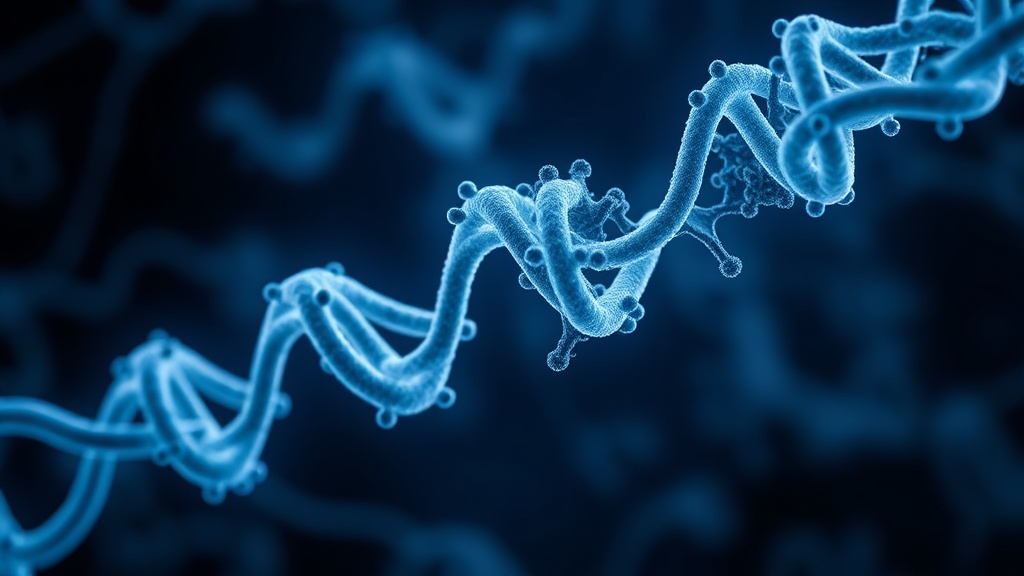
Researchers have identified several core biological features that consistently appear in aging organisms. These are commonly referred to as the hallmarks of aging. Examples include genomic instability, telomere attrition, epigenetic alterations, and loss of proteostasis.
These processes are deeply interconnected. Damage to DNA can accelerate telomere shortening, while disruptions in gene expression can affect cellular repair and metabolic stability. Together, these mechanisms contribute to the gradual decline in cellular performance that occurs with age.
Viewing aging through this framework helps explain why the aging process is complex and difficult to reverse. Multiple biological systems interact simultaneously, meaning aging reflects a network of biological changes rather than a single cause.
Are the hallmarks of aging the root causes?
Many scientists consider these hallmarks to represent the core biological drivers of aging. Accumulated DNA damage, epigenetic alterations, and cellular stress can lead to cellular senescence, a state in which cells stop dividing and begin releasing inflammatory signals.
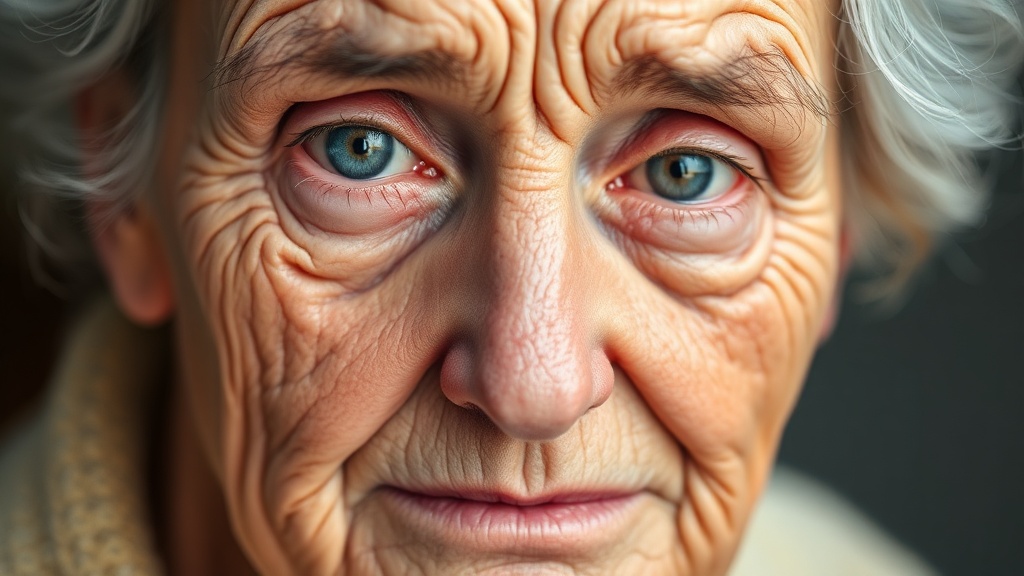
Over time, the buildup of senescent cells contributes to tissue deterioration and reduced physiological resilience. These processes are believed to play a significant role in the development of age-related conditions and visible signs of aging.
Understanding the hallmarks of aging as fundamental drivers of decline helps identify potential intervention points where future therapies may influence the aging process.
Are the Hallmarks of Aging the Root Causes?
How do the hallmarks affect cell function?
Each hallmark of aging affects how cells grow, divide, and perform their biological functions. Oxidative stress, for example, can damage proteins, lipids, and DNA within the cell. Over time, this damage accumulates and interferes with normal cellular operations.
As cellular repair systems become less effective, tissues gradually lose efficiency and resilience. This cellular decline eventually contributes to many of the physical and metabolic changes associated with aging.
Understanding how these mechanisms influence cellular health provides insight into how small molecular changes can cascade into larger systemic effects throughout the body.
Are the hallmarks of aging universal across species?
One of the most compelling aspects of aging research is the consistency of these hallmarks across species. Scientists observe similar patterns of DNA damage, telomere shortening, and cellular stress in organisms ranging from yeast and worms to mammals.
This consistency suggests that the hallmarks of aging represent fundamental biological processes rather than species-specific phenomena. Because these mechanisms appear across many forms of life, they provide valuable insight into how aging develops in humans.
The universality of these hallmarks also supports the idea that therapies targeting these biological mechanisms may benefit a wide range of organisms.
How the Hallmarks of Aging Affect the Body
Impacts on tissues and organs
The accumulation of aging-related cellular damage eventually affects entire tissues and organ systems. Mitochondrial dysfunction, for example, can reduce cellular energy production, which may influence muscle performance, cognitive function, and metabolic regulation.
As cellular resilience declines, the body becomes less capable of maintaining balance and repairing damage. This contributes to reduced physical capacity and increased vulnerability to disease.
Recognizing how these biological mechanisms influence tissue function helps explain why aging is associated with declining physiological resilience.
Implications for aging-related diseases
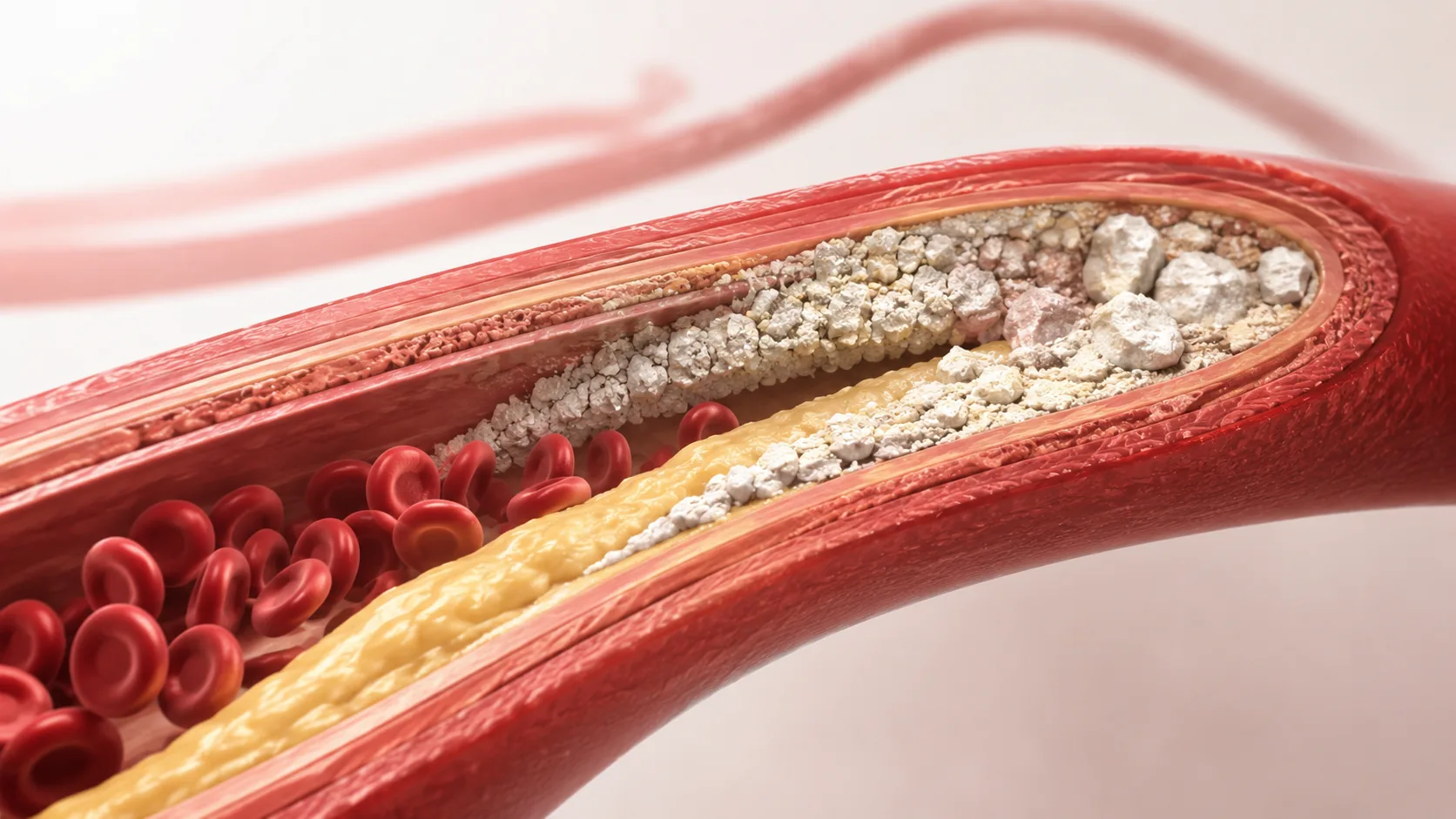
Many age-related diseases share common underlying biological mechanisms linked to the hallmarks of aging. Conditions such as cardiovascular disease, neurodegeneration, and certain cancers often involve chronic inflammation, genomic instability, and impaired cellular repair.
Because these diseases arise from similar biological disruptions, targeting the hallmarks of aging may eventually help delay or reduce the risk of multiple conditions simultaneously.
This perspective shifts the focus from treating individual diseases toward addressing the underlying biological processes that drive aging itself.
Can the Hallmarks of Aging Be Influenced?
Are there lifestyle choices that influence these hallmarks?
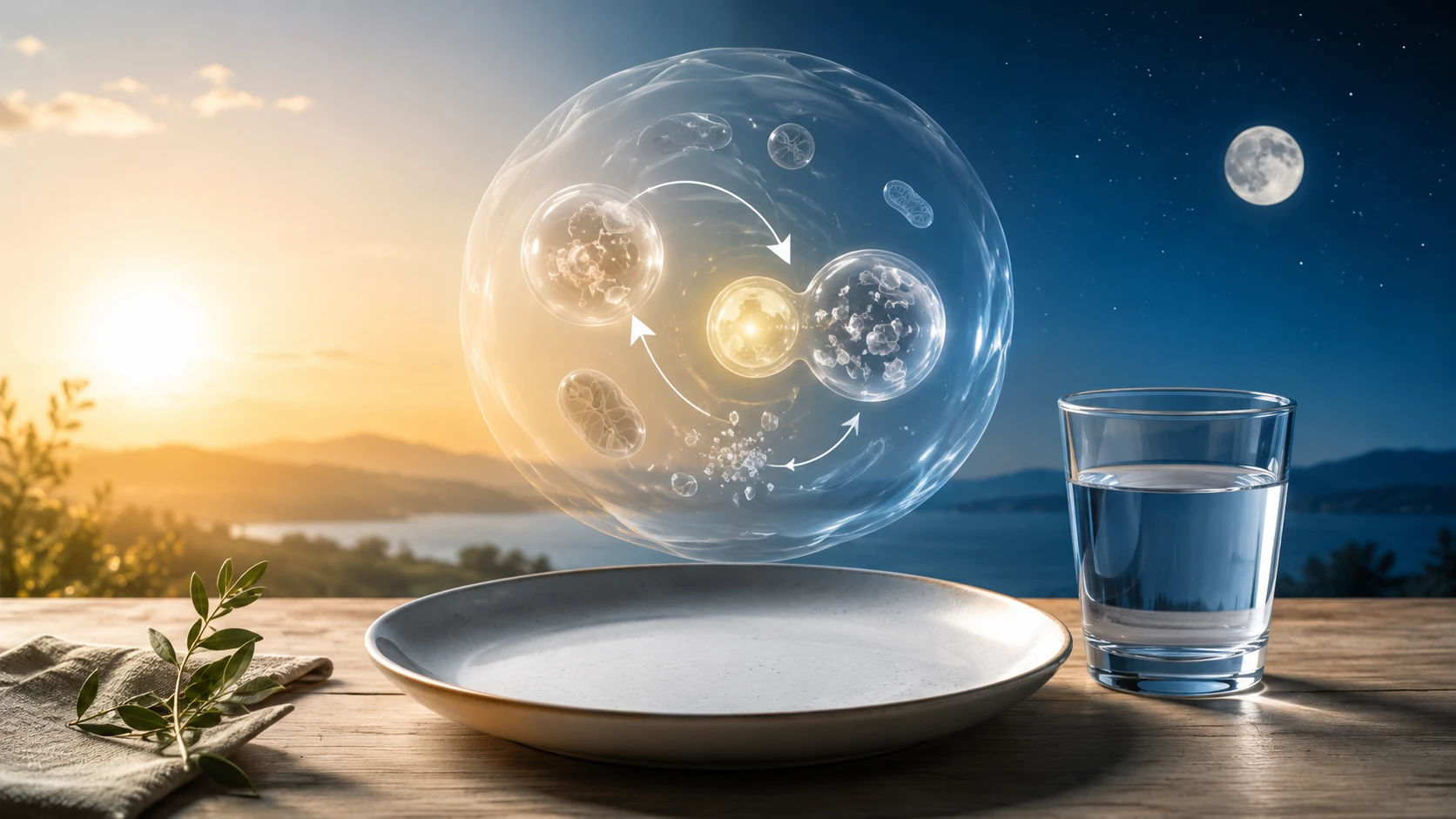
Although aging cannot be completely prevented, lifestyle habits can influence many biological processes associated with aging. Regular physical activity, balanced nutrition, adequate sleep, and stress management support cellular health and metabolic stability.
These behaviors may help reduce inflammation, improve mitochondrial function, and support the body’s natural repair mechanisms.
While lifestyle changes do not eliminate aging, they can influence how quickly certain biological processes progress and may contribute to improved healthspan.
Are scientific advances providing new possibilities?
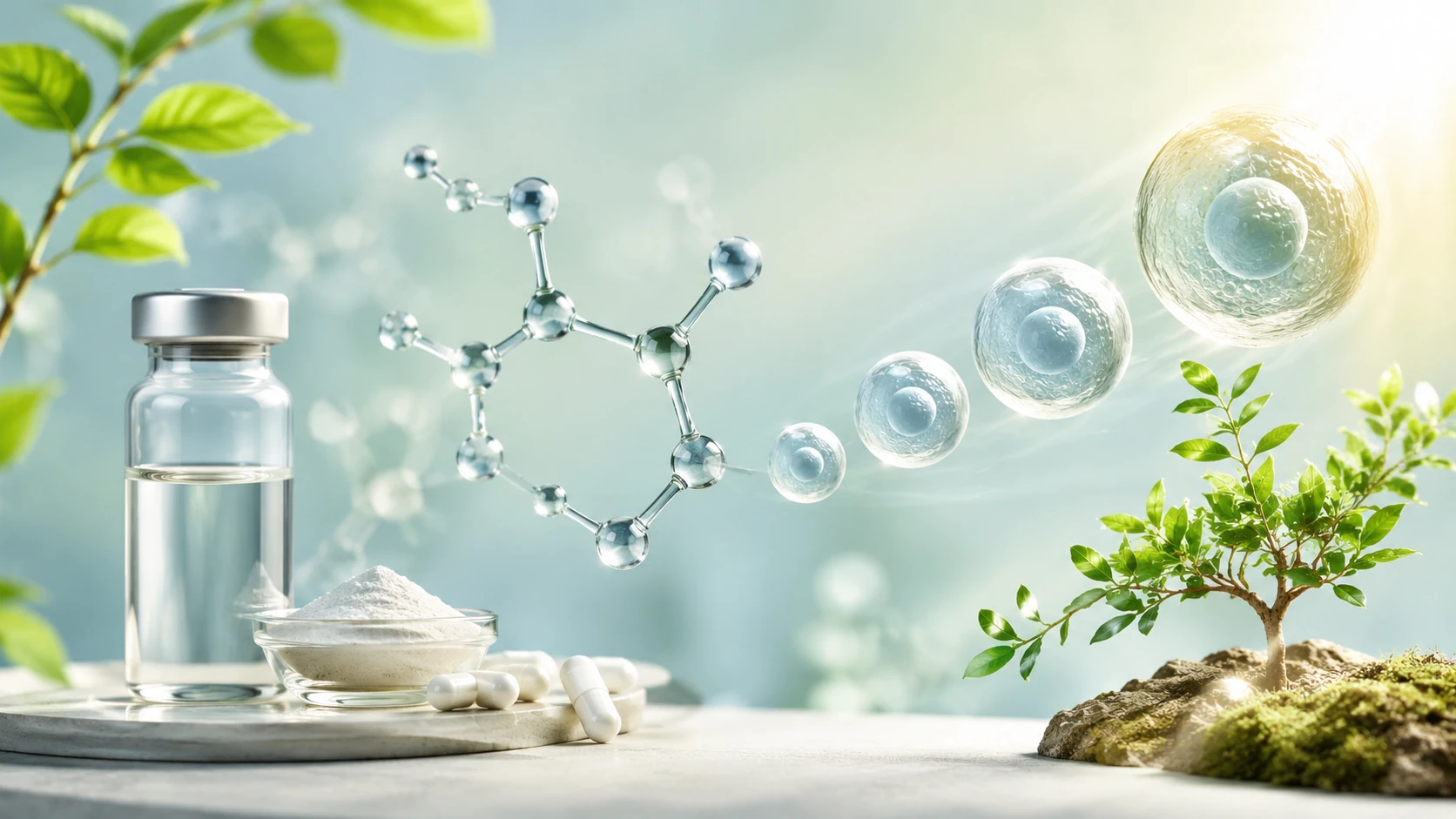
Advances in longevity science are exploring therapies designed to target specific hallmarks of aging. Emerging approaches include senolytics, gene editing technologies, and regenerative medicine.
These areas of research aim to repair cellular damage, remove dysfunctional cells, or restore tissue function. Although many of these therapies remain under investigation, they represent an exciting frontier in aging research.
As scientific understanding of aging mechanisms continues to grow, new strategies for supporting healthy aging may emerge.
References and Resources
The following resources provide additional scientific insights into the hallmarks of aging and the biological processes that influence longevity.
Authoritative Sources on the Hallmarks of Aging
-
National Institutes of Health – Aging Research
nih.govUpdates on research exploring the biological mechanisms that contribute to aging.
-
Nature Scientific Reports – Hallmarks of Aging
nature.comA scientific review examining how different hallmarks interact to drive aging.
-
Trends in Cell Biology – Cellular Senescence
cell.comResearch exploring how senescence contributes to aging biology.
-
American Federation for Aging Research
agingresearch.orgInformation on current aging research and clinical investigations.
-
Science Daily – Aging Research News
sciencedaily.comRecent discoveries related to aging mechanisms and longevity science.

Frequently Asked Questions
What are the hallmarks of aging?
The hallmarks of aging are biological mechanisms that contribute to the aging process. These include genomic instability, telomere shortening, epigenetic alterations, loss of proteostasis, and cellular senescence.
Are the hallmarks of aging the same across species?
Many of these mechanisms appear across different species, suggesting that aging follows common biological patterns shared across life forms.
Can lifestyle influence the hallmarks of aging?
Lifestyle factors such as exercise, nutrition, sleep quality, and stress management can influence cellular processes linked to aging and may support healthier aging.
Are therapies being developed to target these mechanisms?
Researchers are studying therapies such as senolytics, regenerative medicine, and gene editing that aim to influence biological processes associated with aging.
Conclusion
The hallmarks of aging provide an important scientific framework for understanding how aging occurs. These interconnected biological processes influence cellular function, tissue resilience, and the development of age-related disease.
As research continues to evolve, understanding these mechanisms may lead to new strategies that support healthy aging and extend healthspan.