
How Should You Optimize Longevity in Your 30s?
Understanding the Importance of Your 30s for Longevity
TL;DR: Yes, optimizing longevity in your 30s is worth it. This is a key decade for building habits that improve healthspan, reduce long-term disease risk, and make healthy aging more likely.
Yes, your 30s are an excellent time to optimize longevity. This decade often determines the habits, biomarkers, and risk factors that shape future health, including body composition, blood pressure, insulin sensitivity, cardiovascular fitness, sleep quality, and stress resilience.
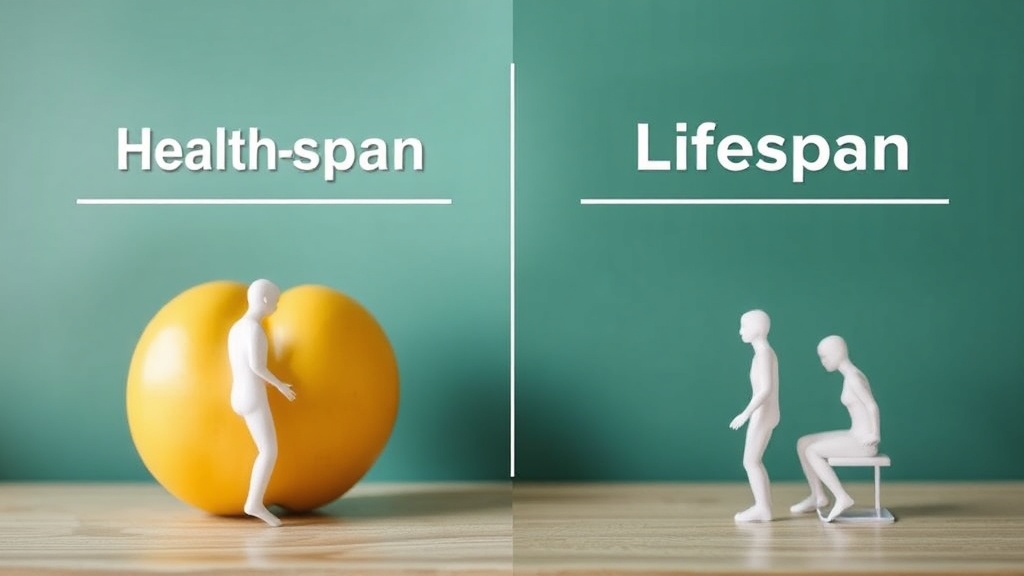
Longevity is not only about living longer. It is also about extending healthspan, which means staying physically capable, metabolically healthy, mentally sharp, and resilient as you age. Small habits established in your 30s can compound over time, making prevention far easier than trying to reverse problems later. Learn more in our complete guide to longevity.
This is also a decade when many people begin to see early signs of metabolic slowdown, reduced recovery, rising stress, and more sedentary routines. Addressing those trends early is one of the most practical longevity decisions you can make.
Lifestyle Habits to Support Longevity in Your 30s
Exercise is one of the most effective ways to support longevity in your 30s. Regular movement improves cardiovascular health, muscle mass, insulin sensitivity, bone strength, mood, and long-term metabolic resilience. It also supports healthier biomarkers linked to aging and disease risk.
A balanced routine usually works best. Resistance training helps preserve muscle and strength, while aerobic exercise supports endurance, heart health, and metabolic function. Lower-intensity exercise can also support mitochondrial health, while more intense sessions may improve fitness and glucose control. The most important factor is consistency.
Reducing harmful habits matters just as much as adding healthy ones. Smoking, excessive alcohol intake, drug misuse, and chronic sleep deprivation can all increase long-term disease risk and accelerate biological wear and tear. These behaviors often affect inflammation, recovery, cardiovascular health, and metabolic function long before obvious symptoms appear.
Your 30s are a practical time to tighten up the basics. Even moderate improvements in alcohol intake, smoking status, and daily activity can have significant long-term effects on healthspan.
Sleep should also be treated as a core longevity habit. Research suggests poor sleep is linked to worse blood sugar control, higher cardiovascular risk, impaired recovery, mood problems, and greater long-term disease burden. Good sleep supports hormone regulation, immune function, brain health, and tissue repair.
A regular sleep schedule, lower evening light exposure, a cooler bedroom, and consistent wake times are simple ways to improve sleep quality. These habits are often more powerful than people expect.
Nutrition Strategies for a Longer, Healthier Life
Nutrition has a direct effect on longevity because it shapes body composition, inflammation, blood sugar control, cholesterol, and cardiovascular health. A useful starting point is a diet centered on whole foods, vegetables, fruit, legumes, quality protein, and healthy fats.
Research suggests that diet quality matters more than chasing isolated “superfoods.” In practice, minimizing ultra-processed foods, excess sugar, and chronic overeating is often more important than any single supplement or diet trend. Better nutrition supports healthier aging by improving metabolism and lowering the long-term risk of chronic disease.
Meal timing and energy balance can also matter, but they should be used sensibly. Strategies such as time-restricted eating may help some people improve appetite control or metabolic health, but they are not required for everyone. The best nutrition strategy is the one you can sustain without creating stress or nutrient gaps.
Protein intake also deserves attention in your 30s. Adequate protein supports muscle maintenance, recovery, satiety, and long-term physical function, all of which matter for healthspan.
Supplements may help in some cases, but they should not replace diet quality. Vitamin D, omega-3s, magnesium, and other nutrients can be useful when intake is low or needs are higher, but routine supplementation should be based on actual needs rather than marketing.
The better approach is to build a strong dietary foundation first and then use supplements selectively where appropriate.
The Role of Preventive Healthcare in Your 30s
Preventive healthcare becomes more valuable in your 30s because many cardiometabolic risks start to become measurable before they become obvious. Blood pressure, cholesterol, blood sugar, liver markers, kidney function, waist size, and body composition can all provide early signals about long-term health direction.
Regular check-ups help identify issues while they are still manageable. This is particularly relevant if there is a family history of diabetes, heart disease, obesity, hypertension, or other chronic conditions.
Routine testing can also help move longevity from a vague goal to a more practical strategy. Tracking biomarkers over time makes it easier to see whether your lifestyle is improving or worsening your health trajectory. That can include blood pressure, fasting glucose, HbA1c, lipids, liver enzymes, and other basic measures.
Wearables and health apps can be useful too, especially for tracking sleep, activity, resting heart rate, and recovery patterns. They are not perfect, but they can reinforce awareness and consistency.
Mental and Emotional Well-being as Longevity Factors
Mental and emotional health are often underestimated in longevity discussions. Chronic stress can worsen sleep, increase inflammation, impair recovery, raise blood pressure, and negatively affect metabolic health. Over time, that can reduce both lifespan and healthspan.
Stress management does not require perfection. It usually means building recovery into everyday life through boundaries, outdoor time, relaxation practices, hobbies, movement, or mindfulness. The goal is not to eliminate stress completely, but to improve resilience and reduce chronic overload.
Social connection is another major longevity factor. Evidence indicates that strong relationships are associated with better well-being, healthier behaviors, and lower risk of isolation-related decline. Meaningful social ties can also improve emotional resilience and reduce the burden of chronic stress.
That makes social health a practical part of healthy aging, not just an optional extra. In your 30s, this may mean being intentional about friendships, family relationships, community, and time spent with people who support your well-being.
Final Thoughts: Is It Time to Prioritize Longevity?
Yes, your 30s are one of the best times to prioritize longevity. This is the stage of life when preventive action is often most effective, because many future risks are still modifiable. Exercise, nutrition, sleep, stress management, preventive healthcare, and social connection all work together to shape how well you age.
The goal is not to live like a patient in waiting. It is to build a life that protects long-term health while also improving present-day energy, mood, performance, and resilience. Longevity in your 30s is not about extreme optimization. It is about getting the fundamentals right early enough for them to compound.
References and Resources
The following resources provide useful background on healthy aging, prevention, exercise, nutrition, and lifestyle strategies that support long-term health:
Authoritative Sources on optimizing longevity in your 30s
- Centers for Disease Control and Prevention (CDC) – Healthy Eating
cdc.govProvides practical guidance on healthy eating patterns that support long-term metabolic and cardiovascular health.
- World Health Organization – Healthy Living
who.intOffers general guidance on healthy living, disease prevention, and long-term health maintenance.
- National Institutes of Health – Healthy Lifestyle Matters
nih.govHighlights research on how lifestyle choices affect long-term health and aging.
- Healthline – Long-Term Health Tips
healthline.comA readable overview of long-term health strategies, including sleep, diet, movement, and stress management.
- Mayo Clinic – Nutrition and Healthy Eating
mayoclinic.orgExpert advice on building sustainable nutrition habits that support long-term health.
- WebMD – Tips for Longevity
webmd.comSummarizes practical healthy-aging habits and common prevention strategies.
- PubMed – Aging and Lifestyle Factors
nih.govProvides access to research on how lifestyle habits influence aging, disease risk, and longevity.
- American Heart Association – Healthy Lifestyle
heart.orgGuidance on heart health, exercise, nutrition, and prevention, all of which are highly relevant to longevity.
Frequently Asked Questions
How early should I start focusing on longevity?
As early as possible. The earlier healthy habits are established, the more time they have to improve healthspan and reduce long-term disease risk. Your 30s are an especially practical time to take this seriously.
Is it too late to improve my health in my 30s?
No. Your 30s are still an excellent time to improve sleep, fitness, nutrition, metabolic health, and preventive care. Meaningful gains can still happen quickly, especially when habits become consistent.
What is the most effective way to start optimizing longevity in my 30s?
Start with the fundamentals: exercise regularly, improve diet quality, sleep better, manage stress, stop smoking, reduce excess alcohol, and monitor core health markers. These steps provide the biggest long-term return.
Should I focus on prevention even if I feel healthy now?
Yes. Prevention is most useful before major symptoms appear. Longevity in your 30s is mainly about reducing future risk while improving present-day energy, resilience, and quality of life.
Conclusion
Your 30s are one of the best times to optimize longevity because this is when preventive habits can still shift your long-term trajectory. Better exercise, nutrition, sleep, mental well-being, and preventive healthcare can all improve both present health and future healthspan.
The answer is yes: prioritizing longevity in your 30s is worthwhile. It does not require perfection or extreme routines. It requires consistent attention to the fundamentals that support healthier aging over decades.
Find out more information about “optimizing longevity in your 30s”
Search for more resources and information: