
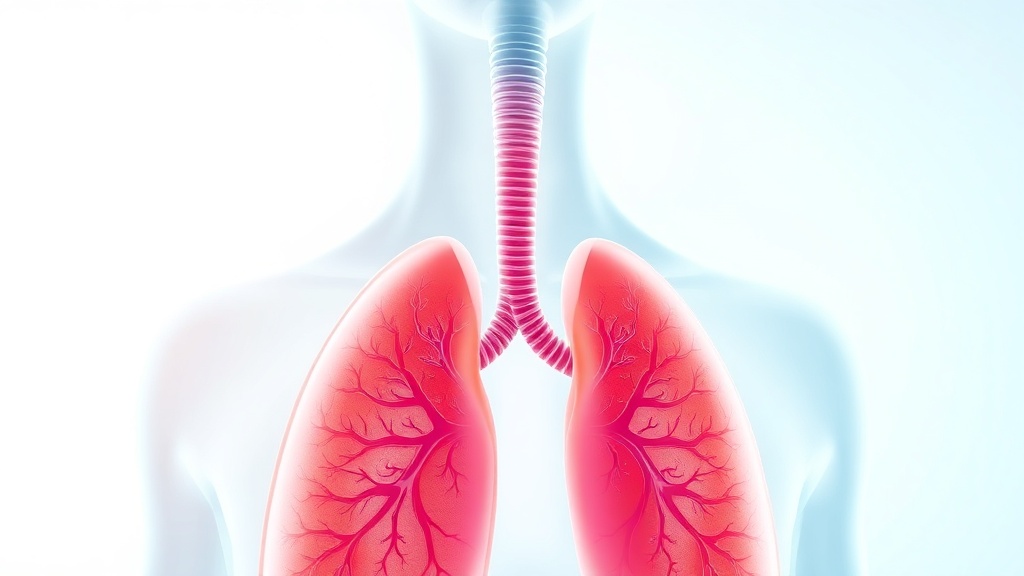
How Does Lung Capacity Affect Longevity?
Understanding Lung Capacity and Its Role in Longevity
Yes, lung capacity and lung function can affect longevity. Better lung function is generally associated with lower mortality risk, better endurance, and healthier aging, while poorer lung function is linked with higher risk of respiratory disease, cardiovascular problems, frailty, and reduced healthspan.
TL;DR: Lung capacity can affect longevity because healthy lungs support oxygen delivery, exercise tolerance, and overall resilience. Preserving lung function through exercise, not smoking, and avoiding pollutants may help support a longer, healthier life.
Lung capacity is not the only factor that influences lifespan, but it is a useful marker of respiratory health and physical function. In practice, lung function often reflects the combined effects of fitness, smoking history, environmental exposure, body composition, and age-related decline. Learn more in our complete guide to longevity.
This means the question is not simply whether having “big lungs” makes someone live longer. The more important issue is whether the lungs and respiratory system continue to work efficiently enough to support exercise, recovery, metabolism, and healthy aging over time.
Does Lung Capacity Affect Longevity?
How Lung Capacity Influences Health Over Time
Lung capacity can affect longevity because it influences how well the body brings in oxygen and removes carbon dioxide. Efficient lungs support physical activity, cardiovascular health, and recovery from illness. When lung function is reduced, the body may be less resilient during infection, stress, or aging.
Research suggests that lower lung function is associated with higher mortality risk, even outside severe lung disease. This does not mean lung capacity alone determines lifespan, but it does mean respiratory health is an important part of the bigger picture.
Why Lung Capacity Matters Beyond Breathing
Lung function is closely tied to endurance, mobility, and exercise tolerance. People with better-preserved lung function often find it easier to stay active, and regular physical activity is strongly associated with better metabolic health, cardiovascular health, and longer healthspan.
Poor lung function can also increase vulnerability to respiratory illnesses and reduce quality of life. Over time, this may contribute to lower physical capacity, less activity, and faster functional decline.
How Physical Fitness and Breathing Exercises Impact Lung Capacity and Longevity
Physical Fitness and Respiratory Health
Physical fitness plays a major role in how well the lungs and the rest of the cardiorespiratory system perform. Aerobic exercise such as walking, cycling, swimming, and running can improve breathing efficiency, exercise tolerance, and endurance. While exercise does not always dramatically increase absolute lung size in adults, it can improve how effectively the lungs, heart, and muscles work together.
This matters for longevity because cardiorespiratory fitness is one of the strongest predictors of long-term health. Better fitness supports oxygen delivery, mitochondrial function, metabolism, and resilience with aging.
Breathing Exercises and Their Role
Breathing exercises may help improve breathing mechanics, respiratory muscle coordination, and awareness of how you breathe. Techniques such as diaphragmatic breathing and paced breathing can be useful, especially for people with poor breathing habits, stress-related overbreathing, or reduced respiratory efficiency.
These exercises are not a substitute for general fitness, but they may complement exercise and help support relaxation, breath control, and recovery. Their greatest longevity value is likely indirect: they can support exercise capacity, stress regulation, and respiratory comfort rather than acting as a standalone lifespan intervention.
The Science Behind Lung Capacity and Aging
What Science Says About Lung Function and Longevity
Lung function tends to decline with age, partly because the chest wall stiffens, respiratory muscles weaken, and lung tissue becomes less elastic. Research suggests that measures such as forced expiratory volume and other spirometry results are associated with mortality risk and overall health status.
That makes lung function an important biomarker of aging and resilience. Lower lung function may reflect cumulative damage from smoking, air pollution, inactivity, chronic disease, or long-term inflammation.
The Role of Oxygenation in Healthy Aging
Oxygen is essential for energy production, movement, cognition, and tissue maintenance. Healthy lungs help support efficient oxygen delivery, which is important for exercise performance and organ function. However, lung capacity is only one part of the system. The heart, blood vessels, muscles, and mitochondria also influence how well oxygen is used.
This is why improving overall cardiorespiratory fitness is usually more important than focusing narrowly on lung capacity alone. Research suggests the combination of healthy lungs, strong cardiovascular function, and regular exercise provides the greatest benefit for healthy aging.
Practical Tips to Improve Lung Capacity for Better Longevity
Simple Strategies to Support Lung Function
The most effective ways to support lung health are practical and consistent. Not smoking is one of the most important steps. Regular aerobic exercise, maintaining a healthy body weight, and staying physically active also help support lung function and endurance over time.
Reducing exposure to pollutants, managing asthma or other lung conditions properly, and maintaining good indoor air quality can also make a meaningful difference.
Additional Lifestyle Factors That Support Lung Health and Longevity
General health habits matter because lung function is connected to the rest of the body. A balanced diet, regular exercise, good sleep, and stress management all support healthier aging. Exercise is especially important because it improves endurance, metabolism, and cardiovascular function alongside respiratory efficiency.
Regular check-ups may also be helpful, particularly for smokers, former smokers, or people with respiratory symptoms. In some cases, spirometry and related tests can help identify decline early and guide intervention.
A practical approach is to build a lifestyle that supports the entire oxygen delivery system: healthy lungs, a strong heart, fit muscles, and better endurance.
References and Resources
These resources provide useful background on lung health, lung function decline, respiratory disease, and the link between cardiorespiratory health and longevity.
Authoritative Sources on Lung Capacity and Longevity
- Centers for Disease Control and Prevention
cdc.gov
Provides practical information on lung health, respiratory disease, and the importance of protecting lung function over time.
- National Institutes of Health
nih.gov
Summarizes research on age-related lung function decline and why preserving respiratory health matters.
- American Thoracic Society
atsjournals.org
Publishes respiratory research relevant to lung function, aging, and long-term health outcomes.
- Healthline – Lung Health
healthline.com
Accessible articles on lung health, breathing, and exercise habits that support respiratory function.
- Mayo Clinic
mayoclinic.org
Offers practical medical guidance on respiratory health, symptoms, and disease prevention.
- American Heart Association
heart.org
Useful for understanding how respiratory health and cardiovascular health work together to influence longevity.
- Science Daily
sciencedaily.com
Provides summaries of new research on lung function, aging, and related health topics.

- National Library of Medicine
ncbi.nlm.nih.gov
Access to peer-reviewed studies on lung function, spirometry, respiratory disease, and aging.
FAQ: Frequently Asked Questions about Lung Capacity and Longevity
Frequently Asked Questions
Does improving lung capacity extend lifespan?
Improving lung function and overall cardiorespiratory fitness may support a longer, healthier life, especially when it helps increase physical activity and reduce disease risk. It is more accurate to think of lung health as one important part of longevity rather than a single deciding factor.
How does lung capacity influence aging?
Lung capacity influences aging by affecting exercise tolerance, oxygen delivery, resilience during illness, and overall physical function. Lower lung function is often associated with greater frailty, poorer health, and higher mortality risk.
Can lifestyle changes improve lung capacity and longevity?
Yes. Not smoking, doing regular aerobic exercise, maintaining a healthy weight, and reducing exposure to pollution can all support lung health and healthier aging. These habits may improve both respiratory function and broader health outcomes.
Is there a specific age when lung capacity decline accelerates?
Lung function generally declines gradually with age rather than dropping suddenly at a single age. The decline often becomes more noticeable later in adulthood, especially when combined with inactivity, smoking history, or chronic disease.
Conclusion
Lung capacity and lung function do affect longevity, mainly because they reflect respiratory health, exercise capacity, and overall physical resilience. Better lung function is generally associated with healthier aging, while poorer lung function is linked with higher risk of illness, frailty, and earlier mortality.
The most practical way to support longevity is to protect lung health through regular exercise, not smoking, maintaining good metabolic health, and avoiding unnecessary exposure to pollutants. In that sense, caring for the lungs is not a niche strategy. It is part of building a stronger, more resilient body for the long term.
Find out more information about “Does lung capacity affect longevity?”
Search for more resources and information:
Similar Posts
What Is Autophagy?
Updated July 2026: In my recent research, I’ve been monitoring the groundbreaking advancements in autophagy research, especially the latest insights from 2024 and 2025. Notably, new studies have revealed that specific autophagy pathways can be selectively boosted through personalized fasting protocols and targeted nutrient modulation, opening exciting possibilities for longevity and disease prevention. Additionally, the…
How Do Social Connection and Biology Interact in Longevity?
Table of Contents Understanding How Social Connection Influences Longevity The Biological Mechanisms Linking Social Ties and Aging How Social Connection and Biology Work Together in Longevity Practical Ways to Strengthen Social Bonds for Better Health What Research Still Needs to Clarify References and Resources TL;DR: Yes, social connection and biology do interact in longevity. Strong…
Does Nad+ Decline After 30?
Table of Contents What Is NAD+ and Why Does It Matter? Does NAD+ Actually Decline After 30? Why Does NAD+ Decline With Age? Can the Decline Be Slowed or Reversed? Practical Steps to Support NAD+ Levels After 30 References and Resources Frequently Asked Questions Conclusion TL;DR: NAD+ levels do appear to decline with age, with…
Can Improving Sleep Reverse Biological Age?
“`html Table of Contents Can Improving Sleep Reverse Biological Age? Understanding Biological Age and Sleep How Better Sleep May Influence Biological Aging What Improving Sleep Can and Cannot Do Practical Sleep Strategies That Support Healthy Aging Final Thoughts on Sleep and Biological Age References and Resources Can Improving Sleep Reverse Biological Age? TL;DR: Improving sleep…
Does Quercetin Act as a Senolytic?
Table of Contents Does Quercetin Act as a Senolytic? What Is Quercetin and How Does It Fit Into the Senolytic Landscape? Scientific Evidence: What Do Studies Actually Show? Practical Implications and Limitations References and Resources Frequently Asked Questions Conclusion Does Quercetin Act as a Senolytic? TL;DR: Quercetin shows senolytic activity in laboratory and animal studies,…