
What Is the Best Metabolic Longevity Framework?
Introduction: Defining the Best Metabolic Longevity Framework
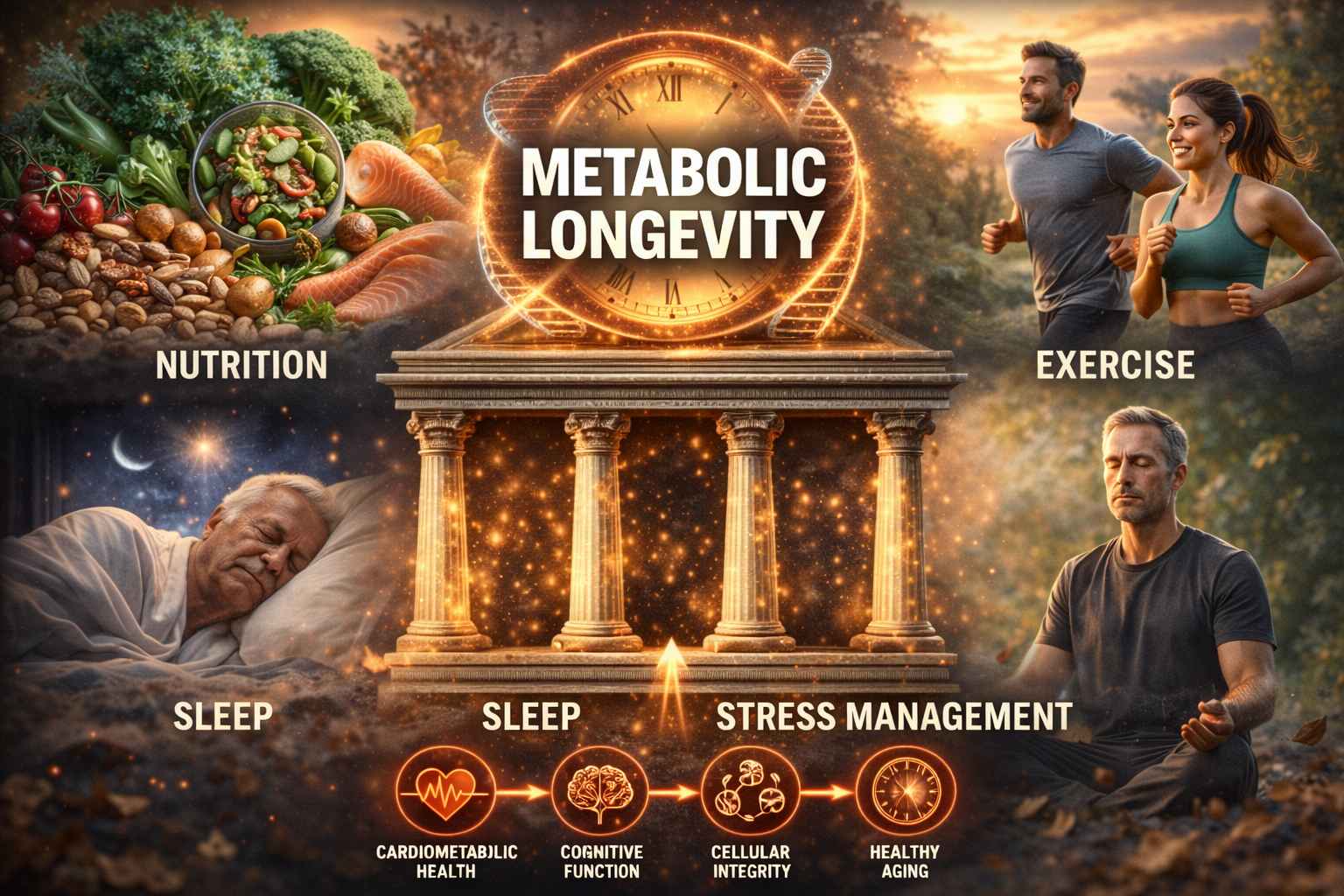
The best metabolic longevity framework is not a single diet or rigid protocol. It is a practical, evidence-based system that improves metabolic health over time through nutrition, exercise, sleep, stress management, and regular adjustment based on results. In other words, the best framework is the one that improves biomarkers, supports healthy aging, and remains sustainable for years.
TL;DR: The best metabolic longevity framework focuses on metabolic flexibility, muscle mass, sleep, movement, and good blood sugar control in a way you can sustain long term. The most effective approach is personalized, but the core principles are consistent for most people.
A strong metabolic longevity framework should help support energy balance, insulin sensitivity, mitochondrial health, body composition, endurance, and long-term healthspan. It should also be flexible enough to adapt to age, lifestyle, training status, and individual response. Learn more in our complete guide to longevity.
This article explains what makes a metabolic longevity framework effective, the key components it should include, and how to apply it in a realistic way without relying on fads or overly restrictive rules.
What Makes a Framework the Best for Longevity?
The best framework for longevity is built on principles that improve metabolic resilience rather than chasing short-term results. That means supporting stable energy, better glucose control, healthy body composition, cardiovascular fitness, and recovery.
Scientific Foundations of a Longevity Framework
A useful framework should align with well-established drivers of metabolic health. These include insulin sensitivity, metabolic flexibility, preserved muscle mass, cardiovascular function, and lower chronic inflammation. Research suggests that these factors influence aging, disease risk, and overall resilience.
Metabolic flexibility is especially important. It describes the body’s ability to switch efficiently between using carbohydrates and fat for fuel. Better flexibility is associated with healthier metabolism, better exercise capacity, and improved long-term function.
Lifestyle Factors That Enhance Longevity
No metabolic longevity framework works without the basics. Regular exercise, good sleep, stress management, and appropriate nutrition are the foundation. These habits affect blood sugar, recovery, mitochondrial function, hormones, appetite regulation, and inflammation.
This is why the best approach is rarely a single intervention. It is usually a system of habits that reinforce each other.
Personalization and Flexibility
The best framework is adaptable. A strategy that works well for one person may not work as well for another. Age, activity level, medications, health conditions, work schedule, and training goals all affect what is practical and effective.
A good framework should be adjusted over time based on energy levels, body composition, exercise tolerance, sleep, and biomarkers such as fasting glucose, triglycerides, blood pressure, and waist circumference.
How to Build a Practical Metabolic Longevity Framework
A practical framework should begin with the highest-value actions. For most people, that means improving diet quality, increasing daily movement, preserving muscle, and supporting sleep before adding more advanced strategies.
Start With the Core Drivers
The strongest foundation usually includes a nutrient-dense eating pattern, regular resistance training, aerobic exercise, and consistent sleep. These habits improve metabolism more reliably than complex protocols used in isolation.
Use Advanced Tools Carefully
Methods such as time-restricted eating, lower-carb phases, continuous glucose monitoring, cold exposure, or supplement stacks may be useful in some cases, but they are not the foundation. Evidence indicates that advanced tools work best when the basics are already in place.
Track Progress With Meaningful Markers
A metabolic longevity framework should be judged by outcomes, not branding. Useful signs of progress include better energy, improved endurance, stronger exercise performance, preserved muscle, healthier blood sugar control, and better biomarkers over time.
Key Components of an Effective Metabolic Longevity Framework
An effective metabolic longevity framework should combine several core elements that work together rather than relying on one tactic alone.
Nutritional Strategies
Nutrition should support satiety, muscle maintenance, healthy blood sugar regulation, and adequate micronutrient intake. In practice, this often means prioritizing minimally processed foods, sufficient protein, fibre-rich carbohydrates, healthy fats, and a calorie intake that supports a healthy body composition.
For some people, meal timing strategies such as time-restricted eating may help improve appetite control and metabolic structure. Research suggests the benefits depend more on adherence and total dietary quality than on any single schedule.
Physical Activity and Movement
Exercise is central to metabolic longevity. Resistance training helps preserve muscle mass and strength, both of which are strongly linked with healthy aging. Aerobic exercise improves endurance, cardiovascular function, and mitochondrial biogenesis, partly through pathways involving AMPK and PGC-1α.
Daily movement also matters. Walking, mobility work, and generally avoiding long periods of inactivity support metabolism in ways structured workouts alone may not fully replace.
Stress Management and Sleep
Chronic stress and poor sleep can worsen insulin resistance, appetite regulation, recovery, and inflammation. A strong framework should therefore include habits that improve sleep quality and reduce unnecessary stress load.
This does not require perfection. Consistent sleep timing, reduced evening light exposure, better recovery habits, and realistic stress management strategies can make a meaningful difference.
Body Composition and Metabolic Health
A good metabolic longevity framework should help reduce excess visceral fat while preserving or building lean mass. This is one of the clearest ways to improve long-term metabolic health. Body composition often matters more than body weight alone.
Useful markers include waist circumference, fasting glucose, HbA1c, blood pressure, triglycerides, resting heart rate, and exercise performance. These biomarkers can show whether a framework is truly supporting healthy aging.
Hormonal and Recovery Support
Hormonal health matters, but it should not be treated as a separate shortcut. In many cases, sleep, exercise, body composition, stress load, and nutrition have a strong influence on hormonal balance. Recovery capacity is equally important because excessive intensity without adequate rest can undermine the whole framework.
Is the Best Metabolic Longevity Framework the Same for Everyone?
No. The best metabolic longevity framework is not identical for everyone, even though the core principles are broadly shared. The details should be adapted to the person.
Personalization Is Key
Some people respond well to structured fasting, while others do better with regular meals and higher training volume. Some need to focus on fat loss and glucose control, while others need to prioritize muscle gain, recovery, or cardiovascular fitness.
The best framework is the one that fits the individual’s current health status, preferences, lifestyle, and ability to stay consistent.
Adjusting Over Time
Metabolic needs change across life. Age, menopause, stress, illness, training goals, and work patterns can all shift what works best. A strong framework should evolve rather than remain fixed.
Combining Approaches for Better Results
In practice, the most effective approach is usually a balanced combination of nutrition, movement, sleep, recovery, and targeted measurement. Extreme or single-focus systems are less likely to support long-term healthspan than a flexible, integrated framework.
Resources and Final Thoughts
The idea of a metabolic longevity framework is useful when it leads to clear action. The goal is not to follow a trend, but to build a repeatable system that improves metabolism, supports mitochondria, preserves function, and reduces long-term disease risk.
The most effective framework is usually simple at its core: eat well, move often, train for strength and endurance, sleep properly, manage stress, and measure what matters. Over time, those habits form the foundation of better aging and stronger healthspan.
References and Resources
These sources provide useful background on metabolic health, aging, exercise, and lifestyle factors relevant to building a metabolic longevity framework.
Authoritative Sources on Metabolic Longevity Frameworks
- National Institute on Aging – What Longevity Means
nia.nih.gov
Provides broad scientific context on aging and longevity, including factors that influence long-term health.
- Research on Metabolic Flexibility and Longevity
ncbi.nlm.nih.gov
Explains metabolic flexibility and why it matters for energy use, metabolic health, and resilience.
- World Health Organization – Aging
who.int
Offers a broad public health view of aging, prevention, and the lifestyle factors that affect healthy lifespan.
- Healthline – Longevity Diet
healthline.com
Provides a practical overview of dietary patterns often discussed in relation to longevity and metabolic health.
- Exercise and Aging: Insights from Research
ncbi.nlm.nih.gov
Summarizes how exercise influences physical function, metabolism, and healthy aging.
- American Psychological Association – Stress
apa.org
Useful background on stress and its effects on mental and physical health.
- Medical News Today – Hormonal Balance
medicalnewstoday.com
Discusses hormonal balance in plain language and how lifestyle can affect it.
FAQ: Frequently Asked Questions
What is the best metabolic longevity framework?
The best metabolic longevity framework is a sustainable, evidence-based system that supports blood sugar control, muscle mass, cardiovascular fitness, sleep, stress management, and healthy body composition. It should improve metabolic health and be practical enough to follow long term.

How do I determine which metabolic longevity framework suits me?
Start by looking at your current goals, lifestyle, exercise tolerance, sleep, body composition, and key biomarkers. The best framework is the one that fits your circumstances and produces measurable improvements you can maintain.
Can lifestyle choices really impact longevity?
Yes. Evidence indicates that diet quality, exercise, sleep, stress load, smoking, alcohol intake, and body composition all influence metabolic health and healthy aging. Small habits repeated consistently can have a large long-term effect on healthspan.
What role do supplements play in a metabolic longevity framework?
Supplements may support specific goals, but they should come after the basics. Nutrition, exercise, recovery, and sleep have a much larger impact on metabolism and aging than most supplement stacks.
Conclusion
The best metabolic longevity framework is not a fixed protocol. It is a flexible system built around the most reliable drivers of healthy aging: good nutrition, regular movement, strength and endurance training, quality sleep, stress management, and ongoing adjustment based on results.
For most people, the goal should be simple: improve metabolic resilience, protect muscle, support mitochondrial function, and monitor useful biomarkers over time. That approach is more likely to support long-term healthspan than any trend-based plan marketed as the single best answer.
Find out more information about “best metabolic longevity framework”
Search for more resources and information: