How Can You Reduce Visceral Fat?
Can you reduce visceral fat? Yes, and doing so can have a meaningful impact on long-term health. Visceral fat is the fat stored deep inside the abdominal cavity around organs such as the liver, pancreas, and intestines. Unlike subcutaneous fat, which sits just under the skin, visceral fat is more metabolically active and is more strongly linked to insulin resistance, inflammation, cardiovascular risk, and unhealthy aging.
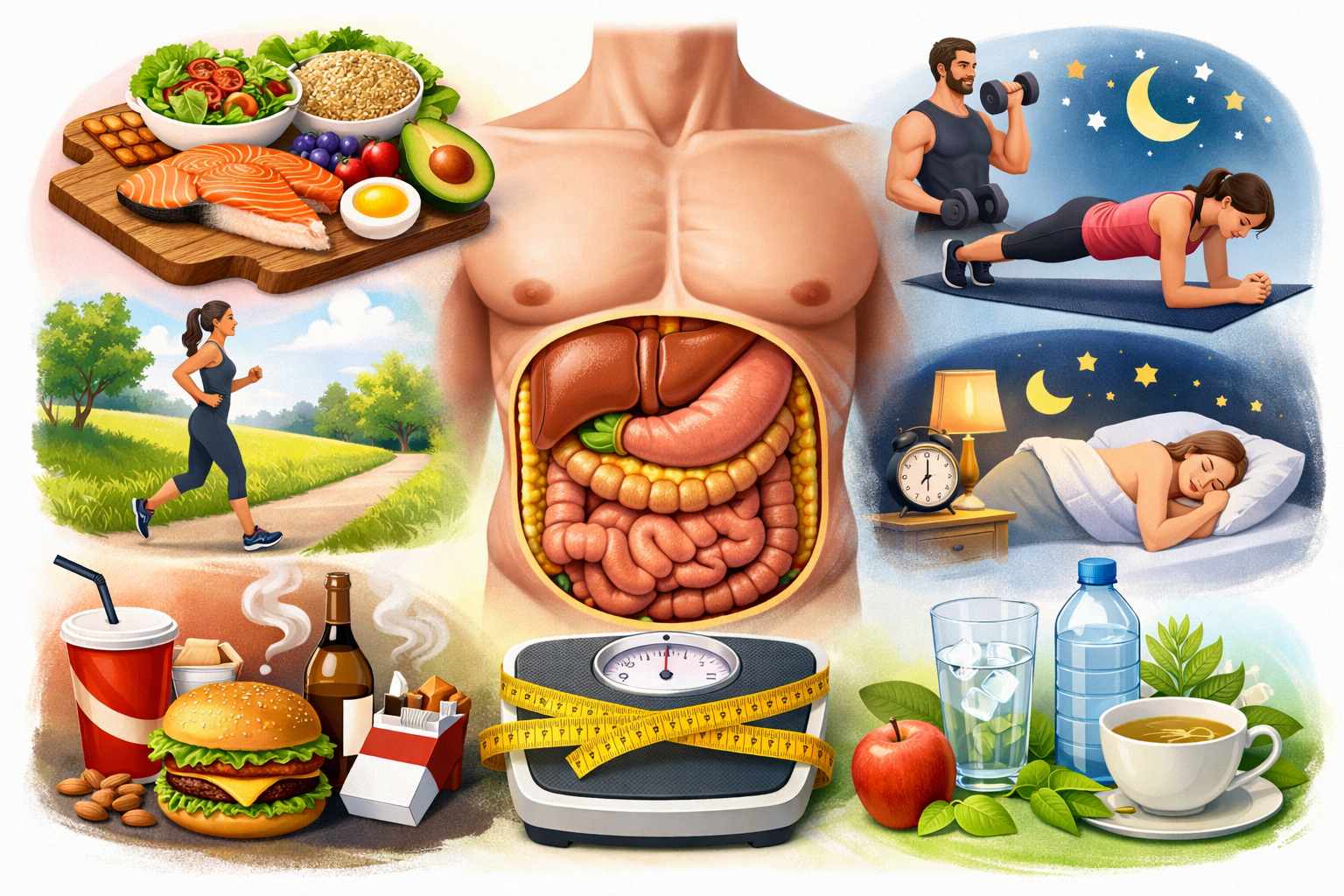
Reducing visceral fat is not only about losing weight on the scale. It is about improving body composition, metabolic health, and key biomarkers linked to longevity science. A consistent approach that includes diet quality, regular movement, stress management, and sleep improvement can lower visceral fat over time. Learn more in our complete guide to longevity.
Understanding Visceral Fat and Its Risks
What Is Visceral Fat and Why Is It Dangerous?
Visceral fat is stored deep within the abdomen and surrounds internal organs. Because it is not always visible from appearance alone, it can be overlooked. However, it has a much stronger connection to metabolic dysfunction than subcutaneous fat. Excess visceral fat is associated with a higher risk of type 2 diabetes, fatty liver disease, cardiovascular disease, chronic inflammation, and impaired insulin sensitivity.
This is why the question is not just cosmetic. Reducing visceral fat can improve blood sugar regulation, lower triglycerides, reduce inflammatory burden, and support healthier aging. In the context of healthspan, visceral fat matters because it influences many of the systems that determine long-term resilience and disease risk.
Why Visceral Fat Matters for Healthy Aging
Visceral fat is closely tied to the metabolic pathways involved in aging. Higher levels are linked to inflammation, oxidative stress, insulin resistance, and hormonal disruption. These processes can negatively affect energy metabolism, cardiovascular health, and organ function over time. Because of this, lowering visceral fat is often part of a broader strategy for healthy aging and disease prevention.
Even modest improvements can matter. Reducing abdominal fat through sustainable lifestyle changes can improve health markers long before dramatic weight loss is visible. That is one reason visceral fat reduction is such a practical target for improving both healthspan and overall well-being.
Can You Reduce Visceral Fat?
Is It Really Possible to Reduce Visceral Fat?
Yes. Visceral fat is highly responsive to lifestyle intervention. In many cases, it decreases with consistent improvements in calorie balance, food quality, physical activity, sleep, and stress control. Unlike some forms of subcutaneous fat, visceral fat often responds relatively well to metabolic improvements, especially when those improvements are sustained over time.
The most effective approach is usually not a single trick or supplement. It is a combination of habits that improve insulin sensitivity, reduce excess calorie intake, support muscle retention, and lower chronic stress. This makes visceral fat reduction both achievable and measurable for many people.
How Long Does It Take to See Progress?
Progress varies depending on starting point, consistency, diet quality, activity level, and sleep habits. Some people notice reductions in waist circumference and improvements in energy, digestion, and glucose control within a few weeks. More substantial changes often take several months of steady effort.
The key is consistency. Visceral fat tends to fall when the body is repeatedly exposed to healthier metabolic signals, not when short-term extreme efforts are used. Tracking waist measurements, body composition, and relevant biomarkers can be more useful than relying only on body weight.
Effective Strategies to Reduce Visceral Fat
Can You Reduce Visceral Fat with Diet Changes?
Diet quality is one of the most powerful tools for reducing visceral fat. A pattern built around whole foods, adequate protein, fiber-rich vegetables, legumes, fruit, nuts, seeds, and minimally processed carbohydrates can help improve satiety and reduce excess calorie intake. Lowering intake of sugary drinks, refined carbohydrates, and ultra-processed foods is especially important because these foods can worsen insulin resistance and promote abdominal fat storage.
Healthy fats also matter. Sources such as olive oil, oily fish, avocado, nuts, and seeds can support metabolic health when they replace processed foods and excess added sugar. A Mediterranean-style eating pattern often works well because it supports inflammation control, blood sugar stability, and long-term adherence.
Can You Reduce Visceral Fat Through Physical Activity?
Yes. Regular physical activity is one of the most effective ways to reduce visceral fat. Aerobic exercise such as brisk walking, cycling, rowing, or jogging increases calorie expenditure and improves insulin sensitivity. Even moderate-intensity activity performed consistently can lead to meaningful reductions in abdominal fat over time.
Resistance training is also important because preserving or building muscle helps improve metabolic rate and glucose disposal. The most effective approach often combines aerobic training with strength work. This supports both fat loss and healthy body composition, which is especially relevant for aging well.
Lifestyle Changes That Make a Difference
How Important Are Sleep and Stress Management?
Sleep and stress play a major role in visceral fat accumulation. Poor sleep can disrupt hunger hormones, worsen insulin sensitivity, increase cravings for energy-dense foods, and impair recovery. Chronic stress can raise cortisol, which is linked to central fat storage and greater difficulty losing abdominal fat.
Improving sleep duration and quality can help regulate appetite, reduce fatigue-driven overeating, and support healthier metabolism. Stress reduction strategies such as walking, mindfulness, breathwork, journaling, and time away from constant stimulation can also support visceral fat reduction by lowering the hormonal signals that promote abdominal fat storage.
Why Daily Habits Matter More Than Short-Term Fixes
Visceral fat tends to respond to repeated behaviors. Short-term cleanses, aggressive restriction, or unsustainable exercise bursts rarely create lasting change. The more effective strategy is to build daily routines that improve metabolic health over time.
This includes eating mostly whole foods, moving regularly, building strength, sleeping consistently, and reducing unnecessary stress load. These habits improve not just body composition but also inflammation, blood sugar control, energy, and healthspan.
Diet and Exercise Approaches That Work
What Dietary Pattern Works Best?
A sustainable eating pattern works better than a rigid plan that is difficult to maintain. Many people do well with a Mediterranean-style approach, a whole-food lower-carb approach, or another nutrient-dense eating pattern that reduces refined foods and supports a moderate calorie deficit. The best plan is usually the one that improves blood sugar control, supports satiety, and can be followed consistently.
Protein intake also matters. Meals built around sufficient protein, fiber, and minimally processed foods tend to reduce overeating and help preserve lean mass during fat loss. This is especially important because retaining muscle supports metabolism and healthy aging.
What Type of Exercise Helps Most?
A combination of walking, structured cardio, and resistance training is often ideal. Walking after meals may help improve glucose handling, while strength training supports muscle mass and insulin sensitivity. Higher-intensity intervals can also be helpful for some people, but they work best when layered onto a solid foundation of regular movement and recovery.
The best program is one that can be repeated week after week. Consistency is more powerful than perfection. A realistic routine done for months will outperform an aggressive routine abandoned after two weeks.
How to Measure Progress Beyond the Scale
Waist circumference is one of the most practical ways to track progress because visceral fat is strongly associated with abdominal size. Improvements in fasting glucose, triglycerides, blood pressure, energy levels, and fitness capacity can also signal that visceral fat is decreasing even before body weight changes dramatically.
Paying attention to these broader markers keeps the focus on metabolic health rather than only appearance. That matters because visceral fat reduction is most valuable for what it does internally.
Additional Tips and Resources
Do Supplements Help Reduce Visceral Fat?
Supplements may play a supporting role, but they are not a replacement for diet quality, exercise, sleep, and stress management. Some supplements are often discussed in the context of metabolic health, such as omega-3 fatty acids, green tea extract, magnesium, or soluble fiber. However, their effect is usually modest compared with consistent lifestyle change.
Any supplement plan should be viewed as an addition to a strong foundation, not the foundation itself. It is also sensible to speak with a healthcare professional before starting new supplements, especially if medications or metabolic conditions are involved.
Practical Tips for Staying Consistent
Small changes that can be sustained usually work best. Useful examples include walking after meals, replacing sugary drinks with water, prioritizing protein and fiber at each meal, reducing late-night snacking, and scheduling resistance training into the week. These habits may seem simple, but together they can create a strong shift in the metabolic environment that drives visceral fat loss.
Consistency matters more than intensity. A routine that supports fat loss, preserves muscle, and improves biomarkers is more valuable than rapid progress that cannot be maintained.

References and Resources
These resources provide useful background on visceral fat, metabolic health, and the lifestyle strategies that help reduce abdominal fat and support healthy aging:
Authoritative Sources on Can You Reduce Visceral Fat
-
CDC – Causes and Risks of Obesity
cdc.govProvides context on obesity, abdominal fat, and the health risks associated with excess visceral fat.
-
NIH – Visceral Fat and Heart Disease
nih.govExplains why excess visceral fat raises cardiovascular risk and why reducing it can improve long-term health.
-
Healthline – Visceral Fat: What It Is and How to Reduce It
healthline.comSummarizes practical diet and exercise approaches that can help reduce visceral fat.
-
Medical News Today – How to Get Rid of Visceral Fat
medicalnewstoday.comOffers an accessible overview of lifestyle strategies that can help target abdominal fat.
-
Mayo Clinic – Visceral Fat FAQs
mayoclinic.orgAnswers common questions about what visceral fat is and how to reduce it safely.
-
WebMD – Visceral Fat and Its Impact
webmd.comProvides simple explanations of visceral fat risks and helpful behavior changes that support fat loss.
-
NIH – Lifestyle Interventions and Visceral Fat
nih.govResearch-based discussion of how exercise, diet, sleep, and stress reduction affect visceral fat levels.
Frequently Asked Questions
Can You Reduce Visceral Fat without exercise?
Yes, diet and overall calorie balance can reduce visceral fat even if formal exercise is limited. However, physical activity usually improves results and helps preserve muscle, insulin sensitivity, and long-term metabolic health.
How quickly can I expect to see results in reducing visceral fat?
Some people notice changes in waist circumference, energy, and metabolic markers within a few weeks, but more visible changes often take a few months. The most important factor is consistent adherence to better habits over time.
Is there a specific diet that helps reduce visceral fat?
Diets centered on whole foods, adequate protein, fiber, and fewer refined carbohydrates tend to work well. Mediterranean-style and minimally processed lower-carb approaches are often effective because they support blood sugar control and satiety.
What are the best lifestyle habits to reduce visceral fat?
Regular walking, resistance training, good sleep, stress management, and a nutrient-dense diet are among the most effective habits. Together, they improve insulin sensitivity and reduce the metabolic drivers of visceral fat accumulation.
Conclusion
Reducing visceral fat is achievable, and it can significantly improve both short-term health and long-term longevity. The most effective approach is not a quick fix but a consistent pattern of better nutrition, regular physical activity, improved sleep, and lower chronic stress. These habits help reduce abdominal fat while also improving the biomarkers that matter for healthy aging.
If the goal is to improve healthspan, lower disease risk, and feel better over time, visceral fat is an important target. Sustainable change, repeated daily, is what makes the difference.
Find out more information about “Can You Reduce Visceral Fat”
Search for more resources and information: