What Causes Arterial Stiffness?
Understanding Arterial Stiffness and Its Causes
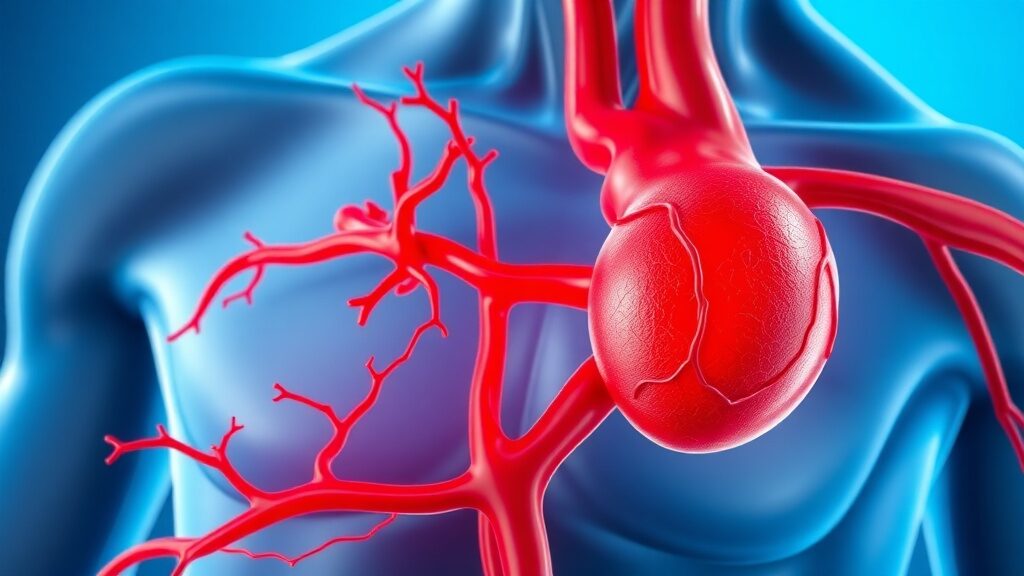
Arterial stiffness refers to the loss of elasticity in the arteries, which makes it harder for blood vessels to expand and contract normally with each heartbeat. Healthy arteries are flexible and help cushion pressure changes as blood moves through the body. When arteries become stiffer, blood pressure tends to rise, the heart has to work harder, and the risk of cardiovascular disease increases.
Understanding what causes arterial stiffness matters because it is closely linked to hypertension, heart attack, stroke, kidney disease, and broader vascular aging. It is also highly relevant to healthspan, since vascular function influences energy, exercise capacity, brain health, and long-term resilience. Learn more in our complete guide to longevity.
The main causes of arterial stiffness include aging, high blood pressure, poor metabolic health, smoking, chronic inflammation, inactivity, and diets that promote vascular damage. These factors alter the structure of the arterial wall over time, reducing elasticity and increasing cardiovascular risk.
Main Causes of Arterial Stiffness
Aging and Its Impact on Arterial Stiffness
Aging is one of the most important causes of arterial stiffness. Over time, the structural proteins in the artery wall change. Elastin, which helps arteries remain flexible, gradually degrades, while collagen, which is stiffer, becomes more prominent. This shift reduces arterial compliance and makes vessels less able to respond smoothly to pressure changes.
This process is common with age, but it does not progress at the same rate in everyone. Physical activity, blood pressure control, sleep, nutrition, and overall metabolic health can all influence how quickly vascular aging occurs. Although aging is unavoidable, the speed and severity of arterial stiffening are often affected by lifestyle and medical management.
That is why arterial stiffness is not simply a matter of age. It is a marker of vascular health that reflects both biological aging and long-term exposure to modifiable risk factors.
Lifestyle Choices and Arterial Stiffness
Lifestyle choices are major contributors to arterial stiffness. Poor diet, low physical activity, smoking, chronic stress, poor sleep, and excessive alcohol intake can all accelerate the stiffening process. These habits promote inflammation, oxidative stress, endothelial dysfunction, and metabolic strain, all of which damage the arterial wall.
Diets high in processed foods, excess sugar, refined carbohydrates, and unhealthy fats may worsen vascular health over time. In contrast, diets rich in vegetables, fruit, whole grains, legumes, nuts, fish, and unsaturated fats tend to support healthier blood vessels. Regular exercise is equally important because it helps preserve endothelial function and keeps arteries more responsive and flexible.
In many cases, lifestyle improvement is one of the most effective ways to slow arterial stiffening before more serious cardiovascular problems develop.
Health Conditions That Cause Arterial Stiffness
Several chronic health conditions are strongly linked to arterial stiffness. Hypertension, diabetes, insulin resistance, chronic kidney disease, and high cholesterol are among the most important. These conditions place continuous stress on the artery wall and can trigger inflammation, structural remodeling, and loss of elasticity.
High blood pressure is especially important because it exposes arteries to repeated mechanical strain. High blood sugar can damage proteins in the vessel wall through glycation, while abnormal lipids can contribute to plaque formation and vascular injury. Over time, these processes make arteries thicker, less elastic, and less efficient.
This is why early detection and good disease management matter. Controlling blood pressure, glucose, and cholesterol is central to slowing the progression of arterial stiffness and reducing long-term cardiovascular risk.
How Lifestyle Factors Contribute to Arterial Stiffness
Diet, Exercise, and Their Role in Arterial Stiffness
Diet and exercise have a direct influence on arterial health. A poor diet can increase inflammation, worsen insulin resistance, and promote oxidative stress, all of which contribute to vascular damage. In contrast, regular physical activity improves endothelial function, supports nitric oxide production, and helps arteries remain more flexible.
Exercise also helps manage many of the conditions that worsen arterial stiffness, including hypertension, obesity, and poor glucose control. Both aerobic exercise and resistance training appear beneficial, especially when performed consistently. Even moderate improvements in daily movement can have meaningful vascular benefits over time.
From a healthy aging perspective, these habits matter because vascular health affects more than the heart. It also influences brain function, kidney health, exercise tolerance, and overall longevity.
Smoking and Alcohol Consumption as Causes of Arterial Stiffness
Smoking is one of the most damaging contributors to arterial stiffness. Tobacco smoke promotes inflammation, oxidative stress, and direct injury to the endothelium, the inner lining of blood vessels. Over time, this accelerates the loss of elasticity and increases the risk of hypertension, heart disease, and stroke.
Alcohol has a more complex relationship with vascular health, but excessive intake is clearly harmful. Heavy drinking can raise blood pressure, increase inflammation, impair sleep, and worsen metabolic health, all of which can contribute to stiffer arteries. Limiting alcohol and avoiding smoking are therefore important components of vascular prevention.
These factors are particularly important because they are modifiable. Removing them reduces ongoing damage to the arterial wall and supports healthier long-term cardiovascular aging.
The Role of Aging and Other Medical Conditions
How Aging Contributes to Arterial Stiffness
Aging contributes to arterial stiffness through repeated exposure to mechanical stress, oxidative damage, inflammation, and gradual structural remodeling. As elastin breaks down and collagen accumulates, arteries become less compliant. Calcium deposition and endothelial dysfunction may also increase with age, further reducing flexibility.
These changes do not happen in isolation. They are shaped by the cumulative effects of diet, physical activity, sleep, stress, and chronic disease. This is why some individuals show more advanced vascular aging than others of the same age.
Healthy habits cannot stop time, but they can help preserve arterial function longer. This makes vascular health one of the most practical areas for preventive action in longevity science.
Medical Conditions That Accelerate Arterial Stiffness
Medical conditions such as chronic kidney disease, diabetes, metabolic syndrome, and long-standing hypertension can accelerate arterial stiffening substantially. These disorders increase inflammatory signaling, oxidative stress, vascular remodeling, and endothelial dysfunction. In some cases, they also change mineral balance or promote calcification within the arteries.
The result is faster progression of vascular aging and a higher risk of cardiovascular events. This is one reason arterial stiffness is increasingly discussed as both a consequence and a marker of poor cardiometabolic health.
Managing these conditions effectively can help slow arterial decline. Medication, nutrition, physical activity, and regular clinical monitoring all play a role in protecting vascular function over time.
Prevention and Management of Arterial Stiffness
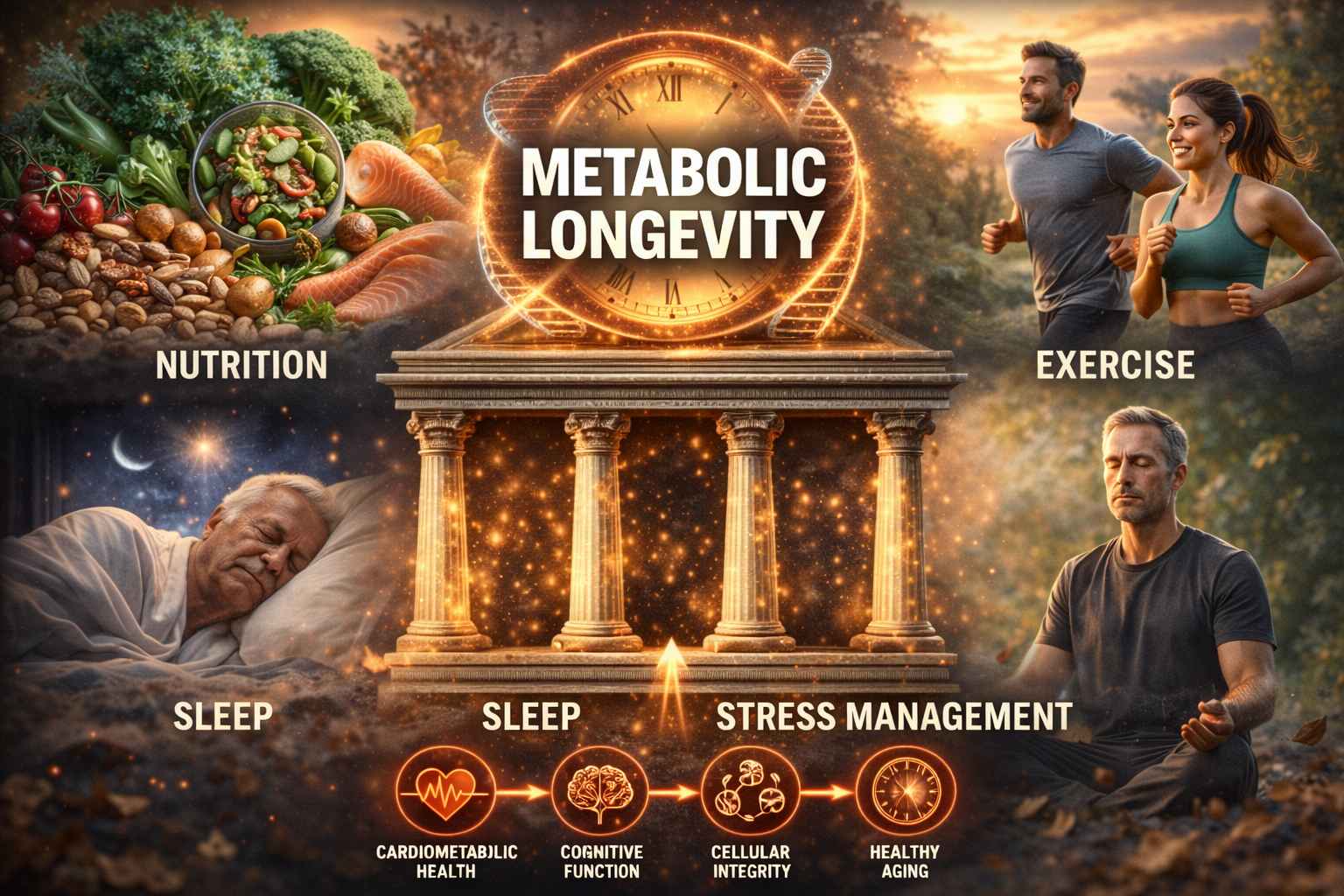
Preventing arterial stiffness begins with protecting the health of the blood vessels before major damage occurs. A heart-healthy diet, regular exercise, weight management, better sleep, stress reduction, and smoking avoidance are foundational strategies. These actions help preserve endothelial function, reduce inflammation, and improve metabolic health.
Blood pressure, blood sugar, and cholesterol control are also central to prevention. Regular check-ups make it easier to identify early problems and respond before vascular damage becomes more advanced. In people who already have arterial stiffness, these same strategies remain valuable because they can slow progression and reduce cardiovascular risk.
Management works best when it is consistent and comprehensive. Rather than relying on one change alone, the strongest results usually come from combining medical care with long-term lifestyle improvement. Protecting vascular health is an important part of preserving healthspan, since flexible arteries support heart function, brain health, and overall resilience as the body ages.
References and Resources
These resources provide useful background on the causes of arterial stiffness, vascular aging, and prevention strategies:
Authoritative Sources on Causes Arterial Stiffness
-
American Heart Association: High Blood Pressure and Arterial Stiffness
heart.orgExplains how hypertension and lifestyle factors contribute to vascular damage and arterial stiffening.
-
National Institutes of Health: Aging and Arterial Stiffness
nih.govA scientific review of how aging affects arterial elasticity and the biological mechanisms behind vascular stiffening.
-
World Health Organization: Hypertension Facts
who.intProvides global context on high blood pressure and its role in vascular disease and arterial stiffening.
-
American Heart Association: Cholesterol and Arterial Health
heart.orgDescribes how cholesterol and lipid abnormalities contribute to vascular injury and cardiovascular risk.
-
European Society of Cardiology: Prevention Strategies
escardio.orgOffers practical guidance on cardiovascular prevention, including lifestyle and medical approaches relevant to arterial stiffness.
-
Journal of the American Heart Association
ahajournals.orgContains peer-reviewed research on vascular aging, endothelial dysfunction, and emerging treatments for arterial stiffness.
-
Healthy Lifestyle Tips from the American Heart Association
heart.orgPractical advice on diet, exercise, and daily habits that support healthier arteries and better cardiovascular outcomes.
-
WebMD: Understanding Arterial Stiffness
webmd.comA patient-friendly overview of arterial stiffness, its causes, and the influence of lifestyle on vascular health.
Frequently Asked Questions
What are the primary causes of arterial stiffness?
The primary causes of arterial stiffness include aging, high blood pressure, diabetes, high cholesterol, smoking, poor diet, inactivity, and chronic inflammation. These factors alter the structure and function of the artery wall, reducing elasticity over time.
Can lifestyle changes reduce arterial stiffness?
Yes. A healthier diet, regular exercise, smoking cessation, better sleep, stress management, and lower alcohol intake can all help improve vascular health and may slow the progression of arterial stiffness.
Is arterial stiffness just a normal part of aging?
Aging is a major factor, but arterial stiffness is not determined by age alone. Lifestyle, blood pressure control, metabolic health, and inflammation all influence how quickly arteries stiffen over time.
Are medical conditions like hypertension and diabetes causes of arterial stiffness?
Yes. Hypertension, diabetes, chronic kidney disease, and abnormal cholesterol levels are major contributors. These conditions increase mechanical strain, inflammation, and vascular damage, which accelerate arterial stiffening.
How can arterial stiffness be prevented?
The best prevention strategy is long-term cardiovascular protection: maintain a healthy weight, exercise regularly, eat a heart-healthy diet, avoid smoking, moderate alcohol, manage stress, and monitor blood pressure, cholesterol, and blood sugar.
Conclusion
Arterial stiffness develops through a combination of aging, lifestyle factors, and medical conditions that damage the artery wall over time. Although the process becomes more common with age, it is strongly influenced by modifiable risk factors such as diet, exercise, smoking, blood pressure, and metabolic health.
Understanding what causes arterial stiffness makes prevention more practical. By improving daily habits and managing chronic conditions early, it is possible to slow vascular aging, reduce cardiovascular risk, and support better long-term health and resilience.
Find out more information about “Causes Arterial Stiffness”
Search for more resources and information: