
How Does Zone 2 Training Improve Longevity?
Updated June 2026: In my recent research, I’ve been monitoring how the latest scientific developments continue to shed light on the connection between Zone 2 training and longevity. Notably, new longitudinal studies published at the beginning of 2025 highlight that consistent Zone 2 workouts are associated with reduced markers of cellular aging and improved mitochondrial function. Additionally, recent trends show an increasing number of fitness apps integrating AI-driven personalized Zone 2 training plans, making it easier than ever for enthusiasts to optimize their longevity-focused routines. These advancements underscore a growing consensus that steady, moderate-intensity aerobic exercise remains a cornerstone for long-term health benefits.
Introduction
Zone 2 training can improve longevity because it builds aerobic fitness at an intensity that is challenging enough to drive adaptation while remaining sustainable over the long term. This style of exercise is closely associated with better cardiovascular health, improved metabolic flexibility, lower chronic inflammation, and healthier mitochondrial function. These are all key factors in healthy aging and long-term resilience.
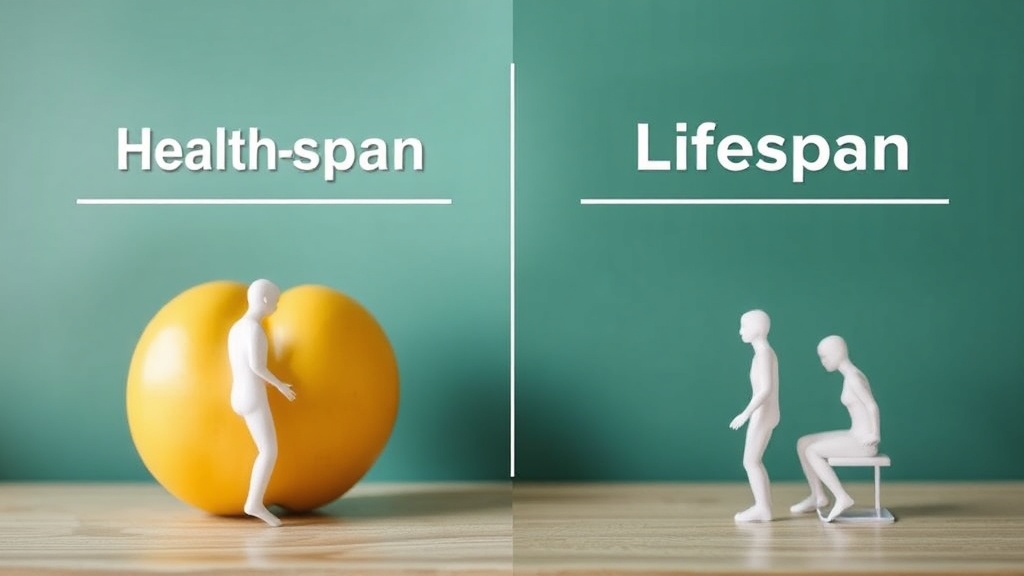
Zone 2 training is not only about calorie burning or endurance performance. It is valuable because it strengthens the systems that support healthspan, including circulation, energy production, blood sugar regulation, and recovery capacity. In longevity science, these systems matter because they influence how well the body functions over time. Learn more in our complete guide to longevity.
This article explains how Zone 2 training works, why it is relevant to aging, and how it may support both lifespan and healthspan when practiced consistently as part of a healthy lifestyle.
Understanding Zone 2 Training and Longevity
What Is Zone 2 Training?
Zone 2 training usually refers to moderate-intensity aerobic exercise performed at an effort level that can be sustained for extended periods. For many people, this falls around 60 to 70 percent of maximum heart rate, though exact ranges vary depending on the model used. It is often described as an intensity where conversation is still possible, but the effort is clearly above an easy stroll.
This type of training is widely used in endurance sports because it improves aerobic efficiency without creating the same recovery burden as high-intensity exercise. It is especially relevant to longevity because it supports mitochondrial function, the ability to use fat as fuel, and the overall efficiency of the cardiovascular system.
Walking uphill, easy running, cycling, rowing, swimming, and brisk hiking can all be used for Zone 2 work when performed at the right intensity. Its value comes from consistency and duration rather than extreme effort.
Why Zone 2 Training Matters for Longevity
Longevity is not just about extending lifespan. It is also about preserving function, independence, and vitality over time. Zone 2 training matters because it improves many of the underlying systems that determine whether aging is accompanied by strength, stamina, and metabolic health or by decline and dysfunction.
Regular aerobic exercise at moderate intensity is associated with lower risks of cardiovascular disease, insulin resistance, type 2 diabetes, and other chronic conditions that shorten lifespan. It also supports better day-to-day energy, recovery, and exercise capacity, making it easier to stay active through later decades of life.
That combination of disease prevention and functional support is why Zone 2 training has become such an important concept in healthy aging.
Physiological Benefits of Zone 2 Training
How Does Zone 2 Training Enhance Cardiovascular Health?
One of the clearest benefits of Zone 2 training is its effect on cardiovascular health. Moderate-intensity aerobic exercise strengthens the heart, improves stroke volume, supports endothelial function, and helps the body circulate oxygen more efficiently. Over time, these changes can improve aerobic capacity and reduce strain on the cardiovascular system.
Zone 2 work may also help improve blood pressure, lipid balance, and vascular function. These effects are especially important for longevity because cardiovascular disease remains one of the leading causes of mortality. A stronger, more efficient heart supports both everyday wellbeing and long-term survival.
Because Zone 2 sessions are sustainable, they are also easier to repeat frequently. That consistency is one reason they can have such a meaningful effect on long-term cardiovascular health.
Metabolic Flexibility and Cellular Health
Zone 2 training is also well known for improving metabolic flexibility, which is the ability to shift efficiently between using carbohydrates and fat for fuel. Better metabolic flexibility is associated with healthier energy regulation, improved insulin sensitivity, and stronger mitochondrial performance.
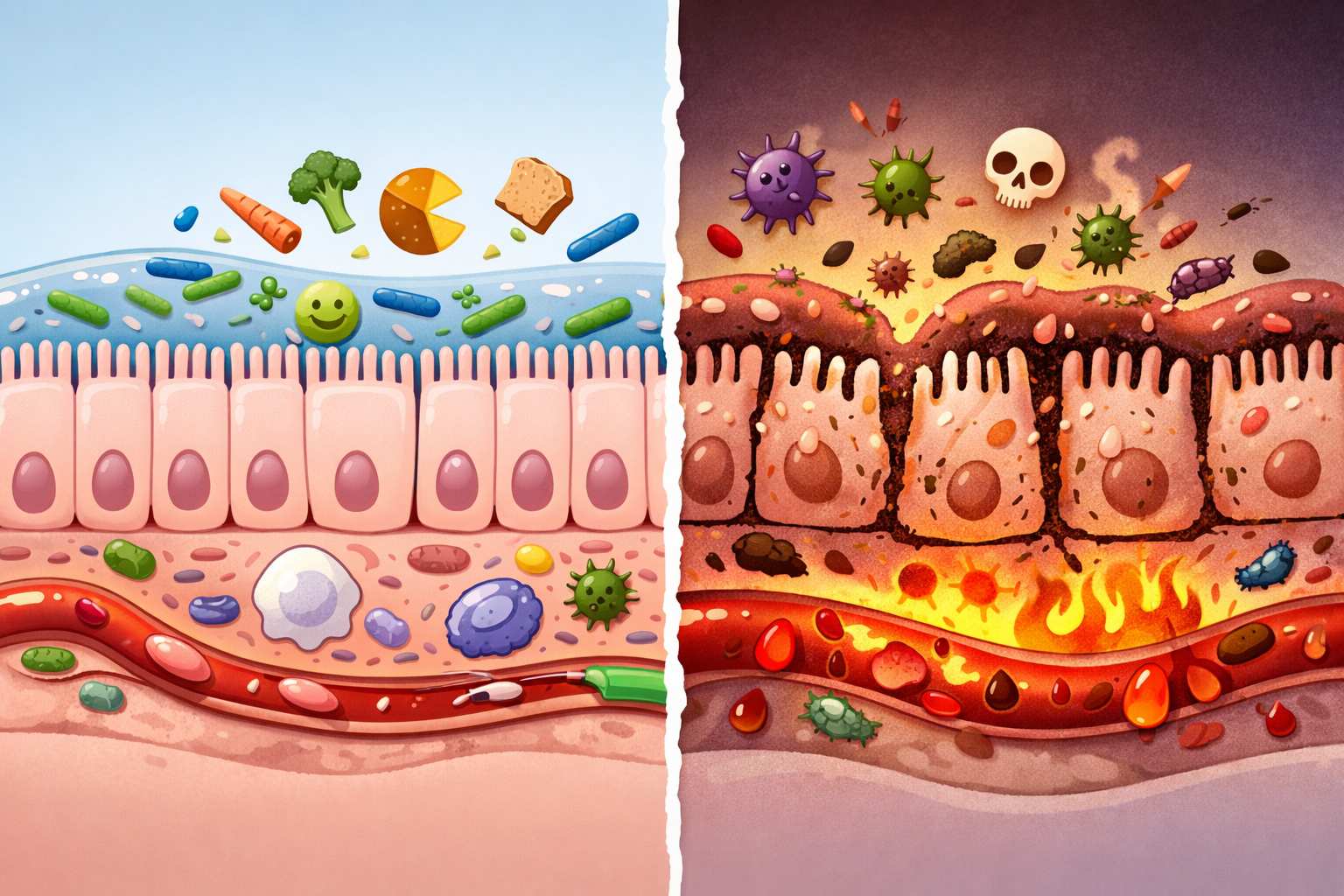
Mitochondria are central to aging biology because they produce cellular energy and influence oxidative stress, recovery, and resilience. When mitochondrial function declines, fatigue, metabolic dysfunction, and age-related deterioration become more likely. Zone 2 training helps support mitochondrial density and efficiency, making it especially relevant to healthy aging.
These metabolic effects are one of the strongest arguments for including Zone 2 work in a longevity-focused routine. It supports the body’s ability to produce energy efficiently while reducing some of the physiological strain associated with poor metabolic health.
What Does the Research Say About Longevity and Zone 2 Exercise?
Research on moderate-intensity aerobic exercise consistently shows benefits for lifespan and healthspan. While studies do not always isolate “Zone 2” by name, the physiological profile of moderate aerobic training is strongly associated with lower mortality risk, better cardiometabolic health, and healthier aging trajectories.
Much of this benefit appears to come from improvements in mitochondrial function, reduced inflammation, better glucose control, and increased aerobic capacity. These are not minor adaptations. They influence many of the biological systems that drive aging and determine resilience across the lifespan.
This is why Zone 2 training is often recommended as a foundation rather than an optional extra. It provides a reliable, sustainable way to build the aerobic base that supports long-term health.
How Does Does Zone 2 Training Improve Longevity Affect Aging Biomarkers?
Zone 2 training may help improve several biomarkers linked to healthy aging, including resting heart rate, blood pressure, insulin sensitivity, blood glucose regulation, lipid profile, and inflammatory markers. These measurements are important because they reflect how well the body is managing stress, energy use, and disease risk over time.
Moderate aerobic exercise may also influence oxidative stress and cellular repair processes, both of which are relevant to biological aging. While no single workout transforms aging on its own, long-term improvements in these biomarkers can significantly improve healthspan and reduce the risk of chronic disease.
This helps explain why regular Zone 2 exercise is such a strong fit for a broader longevity strategy built around exercise, nutrition, sleep, and recovery.
Zone 2 Training and Long-Term Healthy Aging
Why sustainability matters
One of the most valuable aspects of Zone 2 training is that it is sustainable. High-intensity exercise can be effective, but it is harder to recover from and more difficult to perform frequently for many people. Zone 2 training offers a more manageable way to accumulate a meaningful volume of exercise without excessive fatigue or injury risk.
This matters for longevity because the benefits of exercise depend heavily on consistency. A training style that can be repeated week after week is often more useful for healthspan than one that is powerful in theory but difficult to maintain in practice.
That makes Zone 2 especially useful for people who want an exercise habit that supports long-term health rather than short-term performance alone.
How Zone 2 supports a broader longevity strategy
Zone 2 training works best as part of a broader healthy lifestyle. Combined with strength training, mobility work, adequate protein intake, stress management, and good sleep, it helps build a strong foundation for healthy aging. Aerobic fitness supports recovery, endurance, circulation, and metabolic function, while other lifestyle habits reinforce these benefits.
This integrated approach is important because longevity is influenced by multiple overlapping systems. Zone 2 training improves one of the most foundational systems of all: aerobic energy production. That makes it easier to stay active, recover well, and maintain physical capability over time.
For many people, this is where Zone 2 delivers its greatest value. It is not only an exercise method. It is a durable way to support long-term vitality.
Practical Tips for Incorporating Zone 2 Training
How Can I Start Doing Zone 2 Workouts?
A practical way to start is by choosing an activity that can be sustained comfortably, such as brisk walking, cycling, rowing, or easy jogging. Many people use a heart rate monitor to stay in an appropriate range, while others rely on effort level and the ability to speak in short sentences without gasping for air.
Starting with 20 to 30 minutes a few times per week is often enough to build consistency. As fitness improves, session duration can be increased gradually. The goal is not to train as hard as possible, but to spend enough time at the right intensity to stimulate aerobic adaptation.
Consistency matters more than perfection. A simple routine maintained over months and years is what drives the greatest benefits for longevity.
How Do I Ensure I’m Staying in the Right Heart Rate Zone?
A heart rate monitor can be useful, but it is not the only tool. Perceived exertion matters as well. Zone 2 should feel controlled and sustainable, not easy enough to be effortless and not hard enough to become breathless. If intensity drifts too high, the session becomes more fatiguing and may no longer deliver the same aerobic emphasis.
It is often helpful to begin conservatively, especially for people who are new to structured training. Many individuals unintentionally go too hard during aerobic exercise, which can make sessions less sustainable and harder to recover from. Staying disciplined at moderate intensity is one of the keys to making Zone 2 effective.
With practice, most people become much better at recognizing the right pace. That awareness makes it easier to use Zone 2 training as a reliable part of a long-term healthy aging routine.
References and Resources
These resources provide useful background on aerobic training, cardiovascular health, mitochondrial function, and how moderate-intensity exercise supports healthy aging and longevity:
Authoritative Sources on Does Zone 2 Training Improve Longevity
- National Institutes of Health (NIH)
nih.gov
Provides extensive research on physical activity, cardiometabolic health, aging, and exercise-related adaptations relevant to longevity.
- American Heart Association
heart.org
Explains how moderate aerobic exercise supports cardiovascular health and reduces long-term disease risk.
- National Center for Biotechnology Information (NCBI)
ncbi.nlm.nih.gov
Includes peer-reviewed studies on mitochondrial health, exercise physiology, metabolic flexibility, and aging biology.
- American Council on Exercise (ACE)
acefitness.org
Offers practical guidance on aerobic training intensity, heart rate zones, and sustainable exercise programming.
- Arthritis Foundation
arthritis.org
Highlights how moderate activity supports joint health, mobility, and functional aging.
- Medical News Today
medicalnewstoday.com
Provides accessible summaries of research on exercise, cardiometabolic health, and healthy aging.
- PLoS ONE Journal
journals.plos.org
Features peer-reviewed research on exercise, aging, metabolism, and physiological adaptation.

- World Health Organization (WHO)
who.int
Provides global physical activity guidance that supports the value of moderate-intensity aerobic exercise for long-term health.
Frequently Asked Questions
Zone 2 training can support longevity by improving cardiovascular function, mitochondrial efficiency, metabolic flexibility, and inflammatory balance. These adaptations help reduce chronic disease risk and support healthier aging over time.
How often should I do Zone 2 training for optimal longevity benefits?
Many people benefit from three to four sessions per week lasting roughly 30 to 60 minutes, though the right amount depends on fitness level, recovery, and total activity. Consistency matters more than occasional long sessions.
Can I combine Zone 2 training with other types of exercise for better longevity?
Yes. Zone 2 training works especially well alongside strength training, mobility work, and occasional higher-intensity sessions. This combination supports cardiovascular health, muscle preservation, metabolic health, and overall resilience.
What are the risks of not engaging in Zone 2 training as I age?
Without regular aerobic exercise, cardiovascular fitness, metabolic flexibility, and endurance often decline. Over time, this can contribute to poorer energy regulation, reduced physical capacity, and higher risk of chronic disease.
Conclusion
Zone 2 training can improve longevity because it strengthens many of the systems that support healthy aging. It improves cardiovascular efficiency, supports mitochondrial health, enhances metabolic flexibility, and helps regulate inflammation. These benefits make it one of the most practical and sustainable forms of exercise for healthspan.
Its greatest advantage is that it is repeatable. Because Zone 2 work can be performed consistently without excessive fatigue, it fits well into a long-term lifestyle focused on resilience, vitality, and healthy aging. For anyone interested in longevity science, moderate-intensity aerobic training deserves a central place in the overall strategy.
Find out more information about “Does Zone 2 Training Improve Longevity”
Search for more resources and information: