Does Extra Virgin Olive Oil Reduce Inflammation?
Does Extra Virgin Olive Oil Reduce Inflammation?
TL;DR: Yes — extra virgin olive oil contains compounds, particularly oleocanthal and other polyphenols, that have measurable anti-inflammatory effects. Research consistently links regular consumption to lower markers of inflammation, especially within a Mediterranean-style diet.
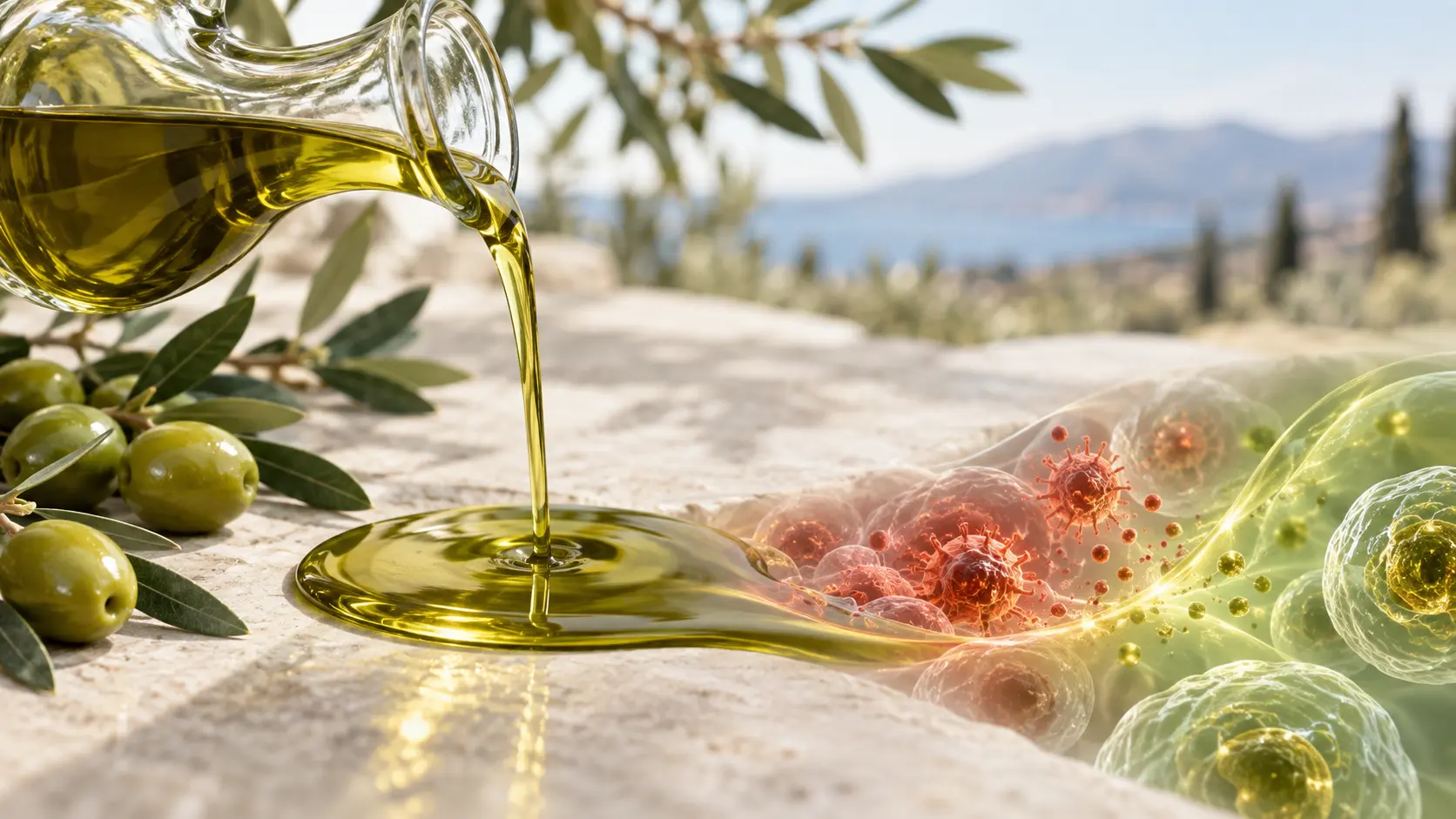
Extra virgin olive oil does reduce inflammation, and the evidence for this is among the more robust in nutritional science. Its anti-inflammatory effects are driven primarily by oleocanthal — a polyphenol that inhibits the same enzymes targeted by non-steroidal anti-inflammatory drugs (NSAIDs) — alongside a broader profile of antioxidants and monounsaturated fats. Human studies, including large Mediterranean diet trials, consistently show that regular consumption is associated with lower circulating inflammatory markers such as C-reactive protein (CRP) and interleukin-6.
Understanding Chronic Inflammation
Why Inflammation Matters for Longevity
Inflammation is a normal immune response — it helps the body heal from injury or infection. However, when inflammation becomes chronic and low-grade, it acts as a persistent background stressor on tissues and organs. Over time, this chronic inflammatory state is linked to cardiovascular disease, metabolic dysfunction, arthritis, and accelerated biological aging.
In the context of longevity, chronic inflammation — sometimes called “inflammaging” — is considered a central driver of age-related disease. As a result, dietary patterns that reduce inflammatory burden are of particular interest to longevity researchers. This is one reason extra virgin olive oil has attracted significant scientific attention.
How Diet Influences Inflammation
Diet is one of the most consistent modulators of chronic inflammation. Diets high in ultra-processed foods, refined sugars, and industrial seed oils tend to elevate inflammatory markers. In contrast, diets rich in whole plant foods, omega-3 fatty acids, and polyphenols — like the Mediterranean diet — are associated with lower systemic inflammation. Extra virgin olive oil is a central component of that pattern.
The Science: What Makes Extra Virgin Olive Oil Anti-Inflammatory?
Oleocanthal: The Key Compound
Oleocanthal is arguably the most studied anti-inflammatory compound in extra virgin olive oil. It works by inhibiting cyclooxygenase (COX-1 and COX-2) enzymes — the same mechanism used by ibuprofen and other NSAIDs. Importantly, it does this naturally and without the gastrointestinal side effects associated with pharmaceutical NSAIDs.
The concentration of oleocanthal varies by olive variety, harvest timing, and processing method. Extra virgin olive oil — cold-pressed and minimally processed — retains significantly more oleocanthal than refined or light olive oils. This distinction matters: not all olive oils carry the same anti-inflammatory potential.
Polyphenols and Monounsaturated Fats
Beyond oleocanthal, extra virgin olive oil contains hydroxytyrosol, oleuropein, and other polyphenols that contribute to its antioxidant and anti-inflammatory effects. These compounds reduce oxidative stress — a key driver of chronic inflammation — by neutralising free radicals and modulating inflammatory signalling pathways.
The monounsaturated fat oleic acid, which makes up the majority of olive oil’s fat content, also plays a role. Research suggests oleic acid may reduce the expression of pro-inflammatory genes, providing a complementary mechanism alongside the polyphenol effects.
Human Evidence on Inflammatory Markers
Clinical evidence supports measurable reductions in inflammatory markers from regular extra virgin olive oil consumption. Studies have shown decreases in CRP, interleukin-6, and tumour necrosis factor-alpha (TNF-α) with consistent use — particularly within the context of a Mediterranean-style diet. The landmark PREDIMED trial, which examined Mediterranean diet adherence in a large cohort at cardiovascular risk, found that the olive oil-enriched group showed significant reductions in inflammatory biomarkers compared to a low-fat control diet.
That said, isolating olive oil’s effect from the broader dietary pattern is methodologically difficult. Most of the strongest evidence comes from dietary pattern research rather than isolated olive oil supplementation trials. The anti-inflammatory signal is consistent, but it is likely amplified by the overall quality of the diet.
How It Compares to Other Anti-Inflammatory Foods
Extra virgin olive oil is not the only food with anti-inflammatory properties. Fatty fish (rich in omega-3s), berries, turmeric, and leafy green vegetables all show anti-inflammatory effects in research. However, extra virgin olive oil stands out for several reasons: it is highly versatile, well-studied in humans rather than just cell models, and deeply embedded in the Mediterranean dietary pattern — one of the most evidence-backed dietary approaches in longevity science.
In contrast to omega-3 supplementation, which often relies on isolated compounds at high doses, extra virgin olive oil delivers its benefits as part of a whole-food fat source with a complex polyphenol matrix. This makes it particularly practical as a dietary staple rather than a supplement. For a broader look at how olive oil and other foods fit into longevity nutrition, see our article on whether olive oil increases lifespan.
Learn more in our complete guide to longevity.
For broader context on how diet quality and food choices interact with lifespan and healthspan, the Advanced Diet and Longevity hub covers the full picture of food groups, eating patterns, and the evidence behind them.
How to Use Extra Virgin Olive Oil for Anti-Inflammatory Benefits
Practical Daily Use
Incorporating extra virgin olive oil into daily meals is straightforward. Using it as a dressing for salads and vegetables, drizzling it over finished dishes, or applying it in light sautéing are all effective approaches. Using it raw or as a finishing oil is particularly valuable because heat can degrade some polyphenols over time.
Research generally supports consuming around two to four tablespoons per day as part of a balanced diet — this aligns with typical Mediterranean diet intakes. However, exact amounts should be adjusted to overall calorie needs, and olive oil should complement a diet rich in vegetables, legumes, whole grains, and lean protein rather than replace other nutrient-dense foods.
Cooking Considerations
A common concern is whether cooking degrades extra virgin olive oil’s beneficial compounds. The evidence suggests that low to medium heat cooking preserves most of its polyphenol content, and its relatively high smoke point makes it suitable for everyday cooking. High-heat methods — such as deep frying — are more likely to cause meaningful polyphenol degradation. For maximum benefit, using it raw or at low temperatures is the most conservative approach.
Quality and Storage
Not all extra virgin olive oil is equivalent. Polyphenol content varies significantly by producer, olive variety, and freshness. Choosing cold-pressed, certified extra virgin olive oil from reputable producers — and storing it in a cool, dark place in a dark glass or tin container — helps preserve its active compounds. Fresher oil generally contains more oleocanthal and other polyphenols than oil that has been stored for extended periods.
Combining with a Broader Anti-Inflammatory Diet
Extra virgin olive oil works best as part of a coherent dietary pattern. Pairing it with other anti-inflammatory foods — oily fish, vegetables, legumes, and whole grains — and minimising ultra-processed foods and excess sugar is likely to produce far greater benefits than relying on olive oil in isolation. This is, in effect, the Mediterranean dietary pattern, which has the strongest and most consistent evidence base among dietary approaches linked to reduced inflammation and lower cardiovascular mortality. For a deeper look at fish consumption and inflammation, see our article on whether fish consumption increases longevity.
Frequently Asked Questions
Frequently Asked Questions
Does extra virgin olive oil reduce inflammation?
Yes. Research consistently shows that extra virgin olive oil lowers circulating inflammatory markers such as CRP and interleukin-6. Its primary active compound, oleocanthal, inhibits the same COX enzymes targeted by NSAIDs, giving it a well-characterised anti-inflammatory mechanism. The evidence is particularly strong within Mediterranean diet research.

Can extra virgin olive oil fight inflammation naturally?
Yes. The polyphenols and monounsaturated fats in extra virgin olive oil reduce inflammation through several complementary mechanisms — inhibiting inflammatory enzymes, reducing oxidative stress, and modulating pro-inflammatory gene expression. It is one of the more evidence-supported dietary sources of natural anti-inflammatory compounds.
How much extra virgin olive oil should I consume daily?
Most research points to around two to four tablespoons per day as a range associated with health benefits, in line with typical Mediterranean diet intakes. That said, individual needs vary and olive oil should fit within overall calorie and dietary context. Quality matters as much as quantity — cold-pressed, certified extra virgin olive oil has significantly higher polyphenol content than refined varieties.
Are there any risks or side effects?
Moderate consumption of extra virgin olive oil is considered safe for most people. As a calorie-dense fat, excessive intake could contribute to energy surplus if not balanced against overall dietary intake. Those on specific medications or with particular health conditions should consult a healthcare professional, but adverse effects from moderate use are not well-documented in the evidence base.
Does cooking with extra virgin olive oil reduce its anti-inflammatory properties?
High heat degrades some polyphenols, including oleocanthal. However, low to medium heat cooking preserves most of the beneficial compounds, and extra virgin olive oil’s smoke point is sufficient for most everyday cooking methods. Using it raw — as a dressing or finishing oil — maximises polyphenol retention.
References and Resources
The following sources provide evidence-based information on extra virgin olive oil and inflammation:
Authoritative Sources
-
Harvard T.H. Chan School of Public Health — Olive Oil
hsph.harvard.eduA comprehensive overview of olive oil’s health benefits, including its anti-inflammatory properties and role in a healthy diet.
-
Oleocanthal in Extra Virgin Olive Oil and Inflammation
pubmed.ncbi.nlm.nih.govPeer-reviewed research on oleocanthal’s anti-inflammatory mechanism, including its COX-inhibiting activity comparable to NSAIDs.
-
Mediterranean Diet and Inflammation
ncbi.nlm.nih.govExamines how the Mediterranean diet — with extra virgin olive oil as a core component — reduces systemic inflammation and cardiovascular risk.
-
Olive Oil Times — Olive Oil and Inflammation
oliveoiltimes.comCovers the bioactive compounds in extra virgin olive oil and their contribution to reducing inflammation.
-
University of Maryland Medical Center — Olive Oil
umm.eduClinical perspective on olive oil’s health benefits, including anti-inflammatory and cardiovascular effects.
-
Arthritis Foundation — Anti-Inflammatory Diet
arthritis.orgPractical guidance on anti-inflammatory dietary choices, with extra virgin olive oil highlighted as a key component.
-
British Nutrition Foundation — Olive Oil for Health
nutrition.org.ukOverview of olive oil’s nutritional profile and its role in reducing inflammation and supporting cardiovascular health.
Conclusion
Extra virgin olive oil has one of the more convincing evidence bases among individual dietary components studied for anti-inflammatory effects. Its key compound, oleocanthal, acts through a well-understood mechanism, and the broader Mediterranean diet research consistently links regular olive oil consumption to lower inflammatory markers and reduced cardiovascular risk. The practical takeaway is clear: using high-quality, cold-pressed extra virgin olive oil regularly — as part of an overall diet rich in whole plant foods, fish, and legumes — is a well-supported dietary strategy for managing chronic inflammation. It is not a standalone solution, but within a coherent dietary pattern, it meaningfully contributes to reducing the inflammatory burden associated with accelerated aging and chronic disease.
Find out more information about extra virgin olive oil and inflammation
Search for more resources and information: