
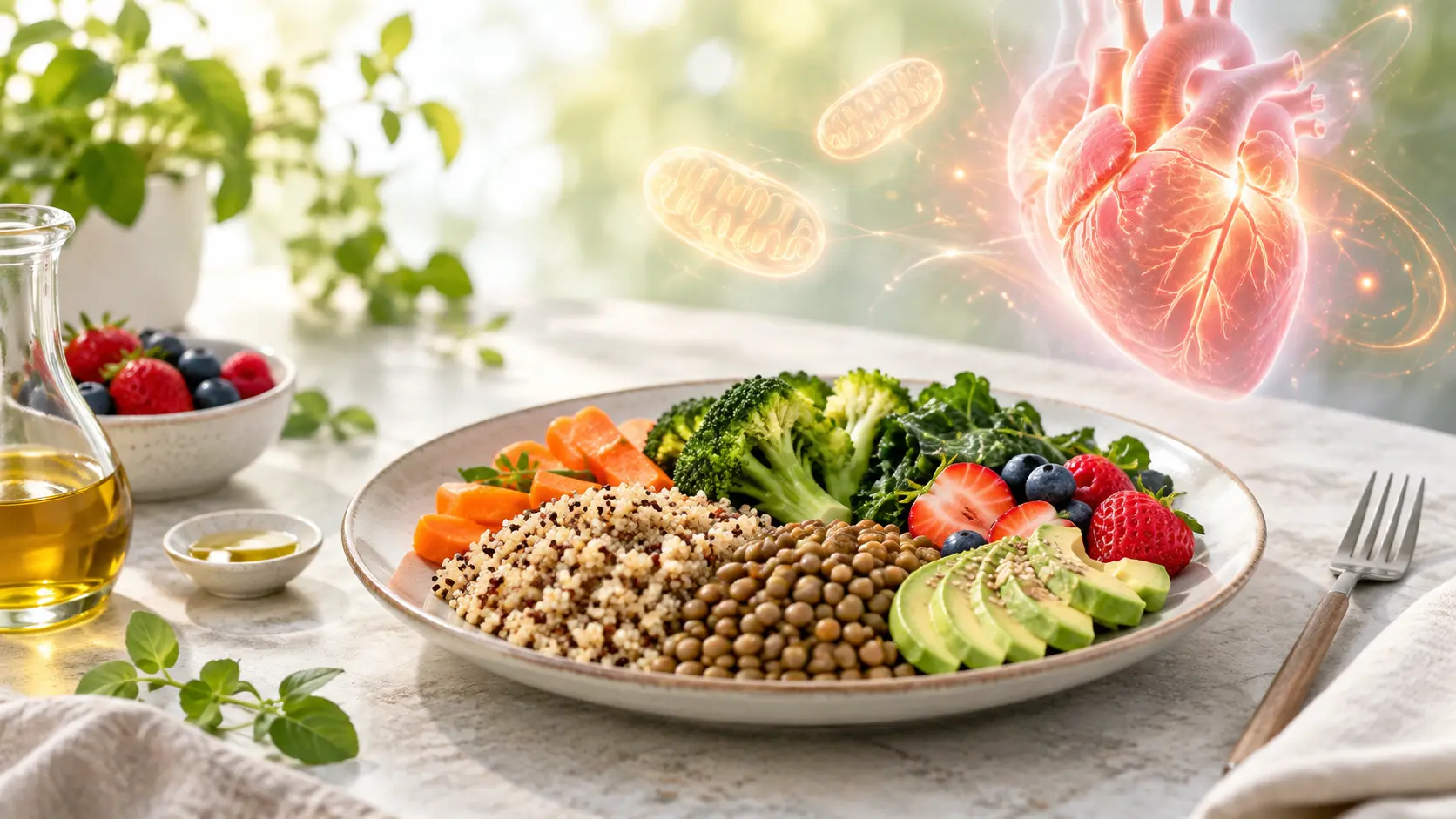
Does Low-fat Diet Increase Longevity?
TL;DR: A low-fat diet does not reliably increase longevity on its own. What matters more is the type of fat consumed — replacing saturated and trans fats with unsaturated fats is consistently linked to better cardiovascular outcomes, while simply cutting fat without improving overall diet quality shows limited benefit.
Does a Low-Fat Diet Actually Increase Longevity?
The evidence does not support a blanket low-fat diet as a longevity strategy. Decades of research have shifted the focus away from total fat intake toward fat quality — specifically, the balance between saturated, trans, and unsaturated fats. Reducing saturated and trans fats is consistently associated with lower cardiovascular disease risk, which remains one of the leading drivers of premature death. However, reducing all dietary fat, including healthy unsaturated fats, does not appear to extend lifespan and may undermine key aspects of metabolic health.
In short, fat quantity matters less than fat quality when it comes to aging and longevity.
What the Evidence Shows
The Low-Fat Era and Its Limitations
The low-fat dietary movement that dominated public health guidance from the 1980s through the 1990s was largely based on early epidemiological evidence linking saturated fat to heart disease. In practice, however, widespread adoption of low-fat eating often led to increased consumption of refined carbohydrates and added sugars — substitutions that research now links to inflammation, insulin resistance, and metabolic dysfunction.
Large trials such as the Women’s Health Initiative found that a low-fat dietary intervention did not significantly reduce cardiovascular events or all-cause mortality compared to a standard diet. This does not mean fat is irrelevant to longevity — rather, it suggests that total fat reduction is the wrong target.
Fat Quality vs. Fat Quantity
Current evidence consistently supports replacing saturated and trans fats with mono- and polyunsaturated fats as a meaningful strategy for reducing cardiovascular mortality risk. Omega-3 fatty acids — found in oily fish, walnuts, and flaxseed — have been associated with reduced inflammation and improved endothelial function, both relevant to healthy aging.
In contrast, trans fats (largely removed from food supplies through regulation) and high intake of saturated fat from ultra-processed sources are more clearly linked to adverse outcomes. That said, even saturated fat evidence is more nuanced than once assumed — context, food source, and overall dietary pattern all appear to matter.
For a broader view of how dietary fat fits within evidence-based eating patterns, see our article on whether the Mediterranean diet reduces mortality, which explores how fat-inclusive eating patterns can support longevity outcomes.
How Fat Type Affects Longevity Outcomes
Unsaturated Fats and Cardiovascular Health
Monounsaturated fats — particularly from extra virgin olive oil — are among the most consistently studied dietary fats in longevity research. Mediterranean-diet trials, including the landmark PREDIMED study, found that a diet enriched with olive oil significantly reduced major cardiovascular events compared to a low-fat control diet. This is one of the stronger pieces of human evidence linking specific dietary fat choices to reduced mortality risk.
Polyunsaturated fats, including omega-3s from oily fish, are similarly associated with lower inflammation markers and improved lipid profiles. Evidence indicates that these fats support rather than undermine healthy aging, which is why dietary guidelines now emphasise fat quality rather than restriction.
Saturated Fat: A More Nuanced Picture
Saturated fat from ultra-processed foods — such as processed meats and fast food — is more clearly linked to cardiovascular risk than saturated fat from whole food sources such as dairy or minimally processed meat. As a result, broad recommendations to simply reduce total saturated fat may be less meaningful than focusing on the overall dietary pattern and food quality.
This distinction matters for longevity. Replacing saturated fat with refined carbohydrates — as occurred during the low-fat diet era — does not appear to reduce mortality risk and may increase it. Replacing it with unsaturated fats, however, is associated with improved outcomes.
Learn more in our complete guide to longevity.
Benefits, Risks, and Limitations
Potential Benefits of Reducing Unhealthy Fats
Reducing intake of trans fats and saturated fats from ultra-processed sources is associated with lower LDL cholesterol and reduced cardiovascular disease risk — a meaningful benefit given that cardiovascular disease is a primary driver of premature mortality. When this reduction is accompanied by increased intake of vegetables, whole grains, legumes, and unsaturated fats, the overall dietary pattern is associated with improved longevity markers.
A low-fat dietary approach that prioritises whole, minimally processed foods can also reduce calorie density, support healthy weight maintenance, and lower chronic inflammation — all factors relevant to healthspan.
Risks of Overly Restrictive Low-Fat Eating
Excessively restricting dietary fat carries real risks. Fat is essential for fat-soluble vitamin absorption (vitamins A, D, E, and K), hormone production, and brain function. Very low-fat diets have been associated with reduced HDL cholesterol in some studies — potentially counterproductive for cardiovascular health.
Additionally, strict fat restriction often reduces dietary palatability and variety, which undermines long-term adherence. Sustainable dietary patterns consistently outperform restrictive ones in long-term health outcomes. A low-fat diet that trades healthy fats for refined carbohydrates or highly processed alternatives is unlikely to support longevity and may actively undermine it.
Where Evidence Remains Limited
It is worth noting that most longevity-related dietary evidence comes from observational studies, which cannot fully control for confounding lifestyle factors. Long-term randomised trials on fat intake and lifespan in humans are limited. Current conclusions are best treated as directional rather than definitive — particularly for individual fat subtypes beyond trans fats and omega-3s.
Practical Implications
What This Means in Practice
The practical takeaway is not to count fat grams but to improve fat quality and overall diet composition. This means:
- Prioritising unsaturated fat sources — olive oil, nuts, seeds, oily fish, avocados
- Minimising trans fats and reducing saturated fat from ultra-processed sources
- Avoiding the substitution of fat with refined carbohydrates or added sugars
- Building meals around whole, minimally processed foods rather than low-fat packaged products
These principles align with the evidence base for Mediterranean-style eating, which consistently shows benefits for cardiovascular health and longevity without requiring strict fat restriction. For context on how olive oil specifically fits into the evidence, see our article on whether extra virgin olive oil reduces inflammation.
For broader guidance on how diet quality, food groups, and eating patterns interact to support healthy aging, see the hub article on advanced diet and longevity.
Beyond Fat: The Bigger Picture
Dietary fat does not exist in isolation. Overall diet quality — including fibre intake, protein adequacy, minimisation of ultra-processed foods, and meal timing — shapes longevity outcomes more than any single macronutrient. A thoughtful approach to fat, embedded within a broader pattern of whole-food eating, is more consistent with the evidence than any rigid low-fat rule.
References and Resources
The following sources inform the evidence discussed in this article on low-fat diets and longevity:
Authoritative Sources
-
Harvard T.H. Chan School of Public Health: Diet and Longevity
hsph.harvard.eduComprehensive overview of how dietary patterns, including fat intake, influence longevity and chronic disease risk.
-
NIH: Low-Fat Diets May Not Be the Best
nih.govSummarises research findings indicating that fat quality is more important than fat quantity for long-term health outcomes.
-
Medical News Today: The Truth About Low-Fat Diets
medicalnewstoday.comReviews the scientific evidence on low-fat diets and offers practical context for dietary decision-making.
-
American Society for Nutrition: Low-Fat Diets and Long-term Health
nutrition.orgDetailed review of how low-fat dietary approaches influence long-term health markers and longevity outcomes.
-
World Health Organization: Diet and Longevity
who.intGlobal public health perspective on dietary patterns and their relationship to lifespan and healthy aging.
-
Nutrition Research Journal
elsevier.comPeer-reviewed research on dietary fats, metabolic health, and aging.

Frequently Asked Questions
Does a low-fat diet increase longevity?
Not reliably on its own. Evidence suggests that fat quality — rather than total fat reduction — is the more meaningful factor. Replacing saturated and trans fats with unsaturated fats is associated with lower cardiovascular mortality risk, but simply eating less fat without improving overall diet quality shows limited benefit for lifespan.
What are the benefits of a low-fat diet for aging?
When a low-fat approach emphasises whole foods and unsaturated fats, it can support better cardiovascular health, lower LDL cholesterol, and reduced chronic inflammation — all relevant to healthy aging. These benefits are most consistent when the diet avoids substituting fat with refined carbohydrates or ultra-processed alternatives.
Are there any downsides to a low-fat diet for longevity?
Yes. Excessively restricting dietary fat can impair absorption of fat-soluble vitamins, reduce HDL cholesterol, and make diets harder to sustain long-term. Essential fatty acids — particularly omega-3s — are critical for brain and cardiovascular health and should not be eliminated. Moderation and food quality matter more than strict fat reduction.
Can a low-fat diet be maintained long-term?
A moderate approach that prioritises whole foods and includes healthy fats in reasonable amounts is sustainable for most people. Extreme fat restriction, however, tends to reduce dietary variety and enjoyment, which undermines adherence — and long-term dietary consistency is one of the strongest predictors of lasting health outcomes.
What is the bottom line on low-fat diets and longevity?
The overall dietary pattern matters more than any single macronutrient target. Reducing unhealthy fats — particularly trans fats and saturated fat from ultra-processed sources — while maintaining adequate intake of healthy unsaturated fats is consistent with the best available evidence for longevity. A rigid low-fat rule, without attention to fat type and overall food quality, is unlikely to improve healthspan.
Conclusion
The question of whether a low-fat diet increases longevity does not have a simple yes or no answer. Current evidence indicates that fat type and overall dietary quality are far more important than total fat quantity. Reducing saturated and trans fats — particularly from ultra-processed sources — while prioritising unsaturated fats from whole foods is consistently supported by the research on cardiovascular health and healthy aging. In contrast, broad fat restriction without attention to what replaces it has not been shown to extend lifespan and may introduce its own risks. A practical, sustainable approach that focuses on food quality, adequate fibre, and minimally processed whole foods provides a more evidence-based foundation for longevity than any strict low-fat rule.
Find out more information about low-fat diets and longevity
Search for more resources and information: