
Does Fructose Accelerate Aging?
TL;DR: Excess fructose — particularly from added sugars in processed foods and drinks — can promote oxidative stress, chronic inflammation, and metabolic dysfunction, all of which are linked to accelerated biological aging. Fructose from whole fruit is far less concerning due to its fiber content and lower intake levels.
High fructose intake, especially from added sugars, is associated with biological aging through several well-studied mechanisms: increased oxidative stress, chronic low-grade inflammation, and metabolic disruption. The concern is not fructose itself in small amounts, but the concentrated, rapidly absorbed fructose found in ultra-processed foods and sugary beverages. Research suggests this form of fructose consumption may accelerate cellular aging markers and contribute to age-related disease risk — though the picture is more nuanced than a simple “fructose causes aging” headline.
What Is Fructose and Why Does It Matter for Aging?
Fructose is a simple sugar found naturally in fruit, vegetables, and honey. However, it is also a major component of added sugars — including sucrose (table sugar) and high-fructose corn syrup — which are used extensively in processed foods and soft drinks. In these concentrated forms, fructose is consumed at levels far exceeding what whole-food sources would provide.
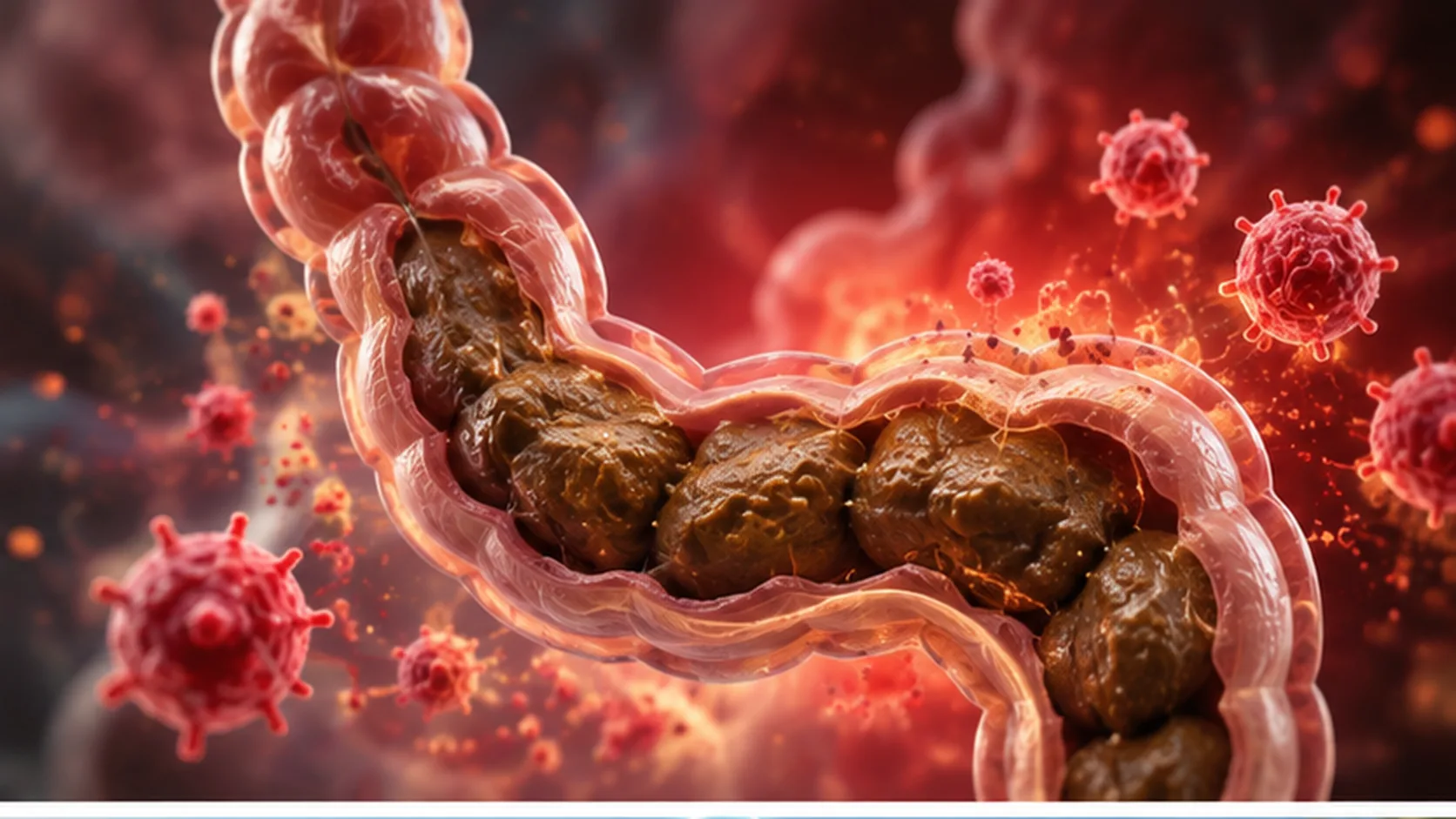
Unlike glucose, fructose is metabolised almost entirely in the liver. As a result, high intakes can overwhelm hepatic processing capacity, leading to fat accumulation, increased production of uric acid, and a cascade of downstream metabolic effects. These effects are directly relevant to longevity because they involve the same biological pathways — oxidative stress, inflammation, insulin resistance — that drive accelerated aging and age-related disease. For broader context on how dietary sugar affects lifespan, see our article on whether high sugar intake shortens lifespan.
This distinction between fructose sources matters. Evidence consistently suggests that whole fruit consumption is not associated with accelerated aging or increased disease risk — and may even be protective. The problem, in practice, is concentrated fructose from ultra-processed products.
How Fructose May Accelerate Aging: Key Mechanisms
Oxidative Stress and Cellular Damage
One of the primary ways excess fructose may influence aging is by increasing oxidative stress. High fructose metabolism in the liver generates reactive oxygen species (free radicals) that can damage cells, proteins, and DNA. Over time, this oxidative burden is a recognised driver of cellular aging — impairing mitochondrial function and accelerating the accumulation of biological damage that characterises aging tissues.
Animal studies have consistently shown that high-fructose diets accelerate markers of oxidative aging, including mitochondrial dysfunction and telomere shortening. However, it is important to note that the doses used in many animal studies are substantially higher than typical human dietary exposure, so direct extrapolation requires caution.
Chronic Inflammation
High fructose intake is also linked to chronic low-grade inflammation — a process sometimes referred to as “inflammaging” in the context of biological aging. Excess fructose can promote the production of pro-inflammatory cytokines and contribute to endothelial dysfunction, which increases the risk of cardiovascular disease. Importantly, this inflammatory effect appears to be dose-dependent and most pronounced with consistent high intake from processed sources.
In contrast, the anti-inflammatory compounds present in whole fruit — including polyphenols and fibre — appear to offset much of the fructose-related inflammatory signalling, which helps explain why fruit consumption does not carry the same risk profile.
Insulin Resistance and Metabolic Dysfunction
Excess fructose consumption is associated with reduced insulin sensitivity and the development of non-alcoholic fatty liver disease (NAFLD). Both of these conditions are linked to faster biological aging and higher risk of metabolic syndrome, type 2 diabetes, and cardiovascular disease. Insulin resistance, in particular, affects downstream signalling pathways — including AMPK and mTOR — that are directly involved in cellular maintenance and longevity regulation.
What the Scientific Evidence Shows
Cellular Aging Markers
Research suggests that high fructose diets are associated with accelerated markers of cellular aging, including shortened telomeres — the protective caps on chromosomes that shorten with biological age — and increased cellular senescence. Studies in animal models have demonstrated these effects consistently. Human evidence is more limited and largely observational, but population studies do associate high added sugar intake with accelerated biological aging markers and increased mortality risk.
Mechanistic research points to fructose-driven uric acid production as one pathway linking excess fructose to oxidative stress and cellular aging, alongside the direct effects of advanced glycation end-products (AGEs) formed when fructose reacts with proteins in the body. AGEs are associated with tissue stiffening and accelerated aging at the structural level.
Long-Term Disease Risk
Epidemiological evidence links high added sugar intake — much of which is fructose — to increased risk of metabolic syndrome, obesity, type 2 diabetes, and cardiovascular disease. These conditions are themselves among the strongest predictors of reduced healthspan and lifespan. However, it remains difficult to isolate fructose specifically from the broader context of poor dietary quality and excess calorie intake in these populations.
That said, controlled human studies have shown that high fructose feeding — independent of total calorie intake — can worsen lipid profiles, increase liver fat, and promote insulin resistance. This suggests some independent effect beyond simply adding excess calories.
Where the Evidence Is Weaker
Most of the strongest mechanistic evidence comes from animal models or short-term human feeding studies. Long-term randomised controlled trials specifically examining fructose and biological aging are lacking. As a result, the precise contribution of fructose — separate from total sugar, calorie excess, and overall diet quality — to human aging trajectories remains an open question. Current evidence supports concern about high added fructose intake, but does not yet establish precise thresholds or independent causal relationships in long-term human studies.
Practical Implications for Healthy Aging
The practical takeaway from current evidence is relatively clear: the primary concern is concentrated fructose from added sugars in processed foods and sugary drinks, not fructose from whole fruit. In practice, this means that dietary patterns high in ultra-processed foods, sweetened beverages, and refined sweets carry meaningful risk for accelerating aging-related biological processes — regardless of whether fructose is the sole driver or one of several interacting factors.
Whole fruit, by contrast, provides fructose alongside fibre, polyphenols, vitamins, and antioxidants. The fibre slows absorption and moderates metabolic impact, while the antioxidant content may actively counteract some of the oxidative effects. This is why nutrition research consistently separates whole fruit from added sugar when assessing health and longevity outcomes.
Reducing added sugar intake — particularly from soft drinks, confectionery, and ultra-processed snacks — is one of the more evidence-supported dietary steps for supporting metabolic health and reducing biological aging risk. This aligns with the broader dietary pattern evidence underpinning Mediterranean-style and whole-food diets. Learn more in our complete guide to longevity.
For context on how fructose fits within the wider picture of refined carbohydrate intake and longevity, see our article on whether refined carbohydrate intake increases mortality. For a broader synthesis of how diet quality and eating patterns interact to influence lifespan, our hub on advanced diet and longevity covers the full evidence base.
References and Resources

Authoritative Sources on Fructose and Aging
-
Fructose and Metabolic Health
ncbi.nlm.nih.govExamines how high fructose intake influences metabolic pathways relevant to aging and chronic disease development.
-
WHO Diet Guidelines
who.intProvides guidance on sugar consumption limits and their relevance to healthy aging and disease prevention.
-
Harvard T.H. Chan School of Public Health
hsph.harvard.eduA comprehensive overview of sugar types, including fructose, and their effects on metabolic health and chronic disease risk.
-
Fructose, Oxidative Stress, and Aging
ncbi.nlm.nih.govReviews the relationship between fructose metabolism, free radical production, and cellular aging processes.
-
How Sugar May Speed Up Aging
aaas.orgAn accessible overview of the evidence linking sugar consumption — including fructose — to accelerated biological aging.
-
Dietary Sugars and Aging
ncbi.nlm.nih.govReviews how dietary sugars, including fructose, affect aging at the molecular and cellular level.
-
Sugar and Aging: What You Need to Know
medicalnewstoday.comAn accessible summary of how sugar, including fructose, may influence aging and healthspan in practical terms.
Frequently Asked Questions
Does fructose accelerate aging?
Excess fructose — particularly from processed foods and sugary drinks — is associated with increased oxidative stress, chronic inflammation, and metabolic dysfunction, all of which are linked to accelerated biological aging. Evidence from animal studies is consistent, and human observational data supports concern about high added sugar intake. However, fructose from whole fruit does not carry the same risk, largely due to its fibre content and the lower quantities typically consumed.
Can reducing fructose intake slow down aging?
Reducing added sugar intake — a major source of concentrated fructose — is associated with improved metabolic markers, lower inflammation, and better insulin sensitivity. These are all factors relevant to biological aging rate. While no study has directly shown that cutting fructose extends human lifespan, reducing ultra-processed food and sugary drink consumption is well-supported as part of a healthy aging dietary pattern.
Is eating fruit safe when it comes to aging?
Yes. Whole fruit consumption is consistently associated with neutral to beneficial health and longevity outcomes in population research. The fibre in whole fruit moderates fructose absorption, and the accompanying antioxidants and polyphenols may actively support healthy aging. The aging-related concerns around fructose apply to concentrated added sugars, not whole fruit eaten as part of a varied diet.
What are the most practical steps to reduce fructose-related aging risk?
The most evidence-supported step is reducing consumption of sugary drinks, ultra-processed snacks, and foods with added high-fructose corn syrup or sucrose. Reading ingredient labels helps identify hidden added sugars. Replacing these with whole foods — including vegetables, legumes, whole grains, and whole fruit — addresses fructose overload while improving overall dietary quality, which is more strongly linked to healthy aging than any single nutrient change.
Conclusion
Current evidence suggests that high intake of fructose from added sugars — rather than from whole fruit — is associated with accelerated biological aging through oxidative stress, chronic inflammation, and metabolic disruption. The mechanisms are well-characterised, particularly in animal models, and human observational data consistently links high added sugar consumption to worse metabolic and longevity outcomes. That said, fructose does not act in isolation; overall dietary quality matters more than any single nutrient. In practice, prioritising whole foods, limiting ultra-processed products and sugary drinks, and including plenty of fibre-rich foods represents the most evidence-based approach to managing fructose exposure as part of a healthy aging diet.
Find out more information about fructose and aging
Search for more resources and information: