How Do Sirtuins Protect Dna?
Updated September 2026: I’ve been monitoring the latest breakthroughs in sirtuin research, and in my recent research, I’ve uncovered exciting developments suggesting that certain sirtuins, especially SIRT1 and SIRT6, are now being recognized more strongly for their direct role in DNA repair pathways. Notably, 2025 studies highlight how activating sirtuins through natural compounds like resveratrol or novel synthetic molecules can significantly enhance DNA stability, potentially offering new anti-aging strategies. Additionally, recent clinical trials are exploring sirtuin modulators as therapeutic agents for age-related diseases, which marks a promising shift in understanding their protective functions in genomic integrity.
Introduction: Understanding How Sirtuins Protect DNA
Sirtuins are a family of proteins that play a central role in maintaining genomic stability and supporting healthy aging. These enzymes regulate multiple cellular pathways involved in DNA repair, oxidative stress management, and epigenetic control. Because DNA damage accumulates over time and contributes to aging and disease, mechanisms that preserve genetic integrity are a major focus of modern longevity science.
Research shows that sirtuins act as molecular regulators that help coordinate the cellular response to stress and DNA damage. They function primarily as deacetylases, removing acetyl groups from proteins that control chromatin structure, metabolism, and DNA repair processes. Through these mechanisms, sirtuins help maintain the integrity of the genome and reduce the accumulation of mutations associated with aging and disease.
In particular, sirtuins such as SIRT1, SIRT3, and SIRT6 have been extensively studied for their roles in cellular maintenance and longevity. These proteins influence metabolic signaling, regulate inflammation, and activate pathways that repair damaged DNA. Together, these actions help preserve cellular function over time.
Understanding how sirtuins protect DNA provides insight into one of the key biological systems involved in longevity and healthspan. For a broader overview of the biology of aging, learn more in our complete guide to longevity:
Learn more in our complete guide to longevity.
The Role of Sirtuins in DNA Repair
One of the most important functions of sirtuins is their involvement in DNA repair mechanisms. Cells constantly experience DNA damage from metabolic processes, environmental toxins, and oxidative stress. Efficient repair systems are therefore essential for preserving genomic stability and preventing mutations.
Sirtuins help coordinate these repair processes by modifying proteins that participate in DNA repair pathways. For example, SIRT1 regulates key proteins such as p53 and Ku70, which play critical roles in detecting DNA damage and initiating repair responses. By controlling the activity of these proteins, SIRT1 helps ensure that damaged DNA is repaired before it can lead to cellular dysfunction.
Another important protein, SIRT6, plays a direct role in repairing double-strand DNA breaks. It activates enzymes involved in non-homologous end joining, one of the primary mechanisms cells use to repair severe DNA damage. This process is particularly important because double-strand breaks are among the most dangerous forms of genetic damage.
Through these mechanisms, sirtuins help maintain cellular homeostasis and reduce the accumulation of mutations that contribute to aging and chronic disease.
Can Sirtuins Enhance DNA Repair Efficiency?
Evidence from molecular biology research indicates that sirtuins not only participate in DNA repair but also improve the efficiency of these processes. SIRT1, for example, regulates proteins that identify DNA damage and recruit repair enzymes to affected sites.
By modifying chromatin structure and activating repair proteins, sirtuins create an environment that allows damaged DNA to be repaired more effectively. This coordinated response helps protect cells from genomic instability, which is strongly associated with aging, cancer, and neurodegenerative diseases.
Maintaining efficient DNA repair systems is therefore a key factor in promoting healthy aging and extending healthspan.
How Sirtuins Protect DNA from Oxidative Damage
Oxidative stress is one of the major sources of DNA damage. During normal metabolism, cells generate reactive oxygen species that can damage DNA bases, disrupt cellular structures, and trigger inflammation. Over time, this damage contributes to the biological aging process.
Sirtuins help mitigate oxidative stress by activating antioxidant defense systems. In particular, SIRT3 plays a major role in mitochondrial health by regulating enzymes that neutralize reactive oxygen species. One example is superoxide dismutase 2 (SOD2), a key enzyme that reduces oxidative damage within mitochondria.
By strengthening these antioxidant defenses, sirtuins reduce the likelihood that oxidative stress will damage DNA. This protection helps preserve cellular function and may slow the progression of age-related decline.
What Are the Antioxidant Roles of Sirtuins?
Several sirtuins contribute to antioxidant defense mechanisms. SIRT3 enhances mitochondrial resilience, while SIRT6 helps regulate metabolic pathways that influence oxidative stress levels.
Together, these proteins support cellular resilience by reducing the accumulation of oxidative lesions in DNA. Since oxidative damage is strongly linked to aging and chronic disease, maintaining efficient antioxidant systems is an important aspect of longevity science.
Lifestyle factors that support metabolic health and reduce chronic inflammation may help sustain these protective pathways.
Sirtuins and Epigenetic Regulation: Protecting DNA Integrity
In addition to repairing damage and controlling oxidative stress, sirtuins also regulate epigenetic processes that influence DNA stability. Epigenetics refers to modifications that alter gene expression without changing the underlying DNA sequence.
Sirtuins regulate chromatin structure by removing acetyl groups from histone proteins. This process alters how tightly DNA is packaged within the nucleus. When chromatin is properly organized, DNA becomes less vulnerable to environmental damage and replication errors.
Through this epigenetic regulation, sirtuins help maintain genomic stability and ensure that genes involved in cellular repair and metabolism remain properly controlled.
Can Sirtuins Help Maintain Chromatin Structure?
Yes. Proteins such as SIRT6 play a key role in maintaining chromatin organization and preventing genomic instability. By stabilizing chromatin structure, these enzymes help reduce DNA strand breaks and limit the formation of harmful genetic mutations.
Healthy chromatin structure also allows cells to activate repair genes more efficiently when damage occurs. This dual role—both protecting DNA and enabling repair—makes sirtuins essential regulators of cellular longevity.
Practical Insights: Enhancing Sirtuin Activity to Protect DNA
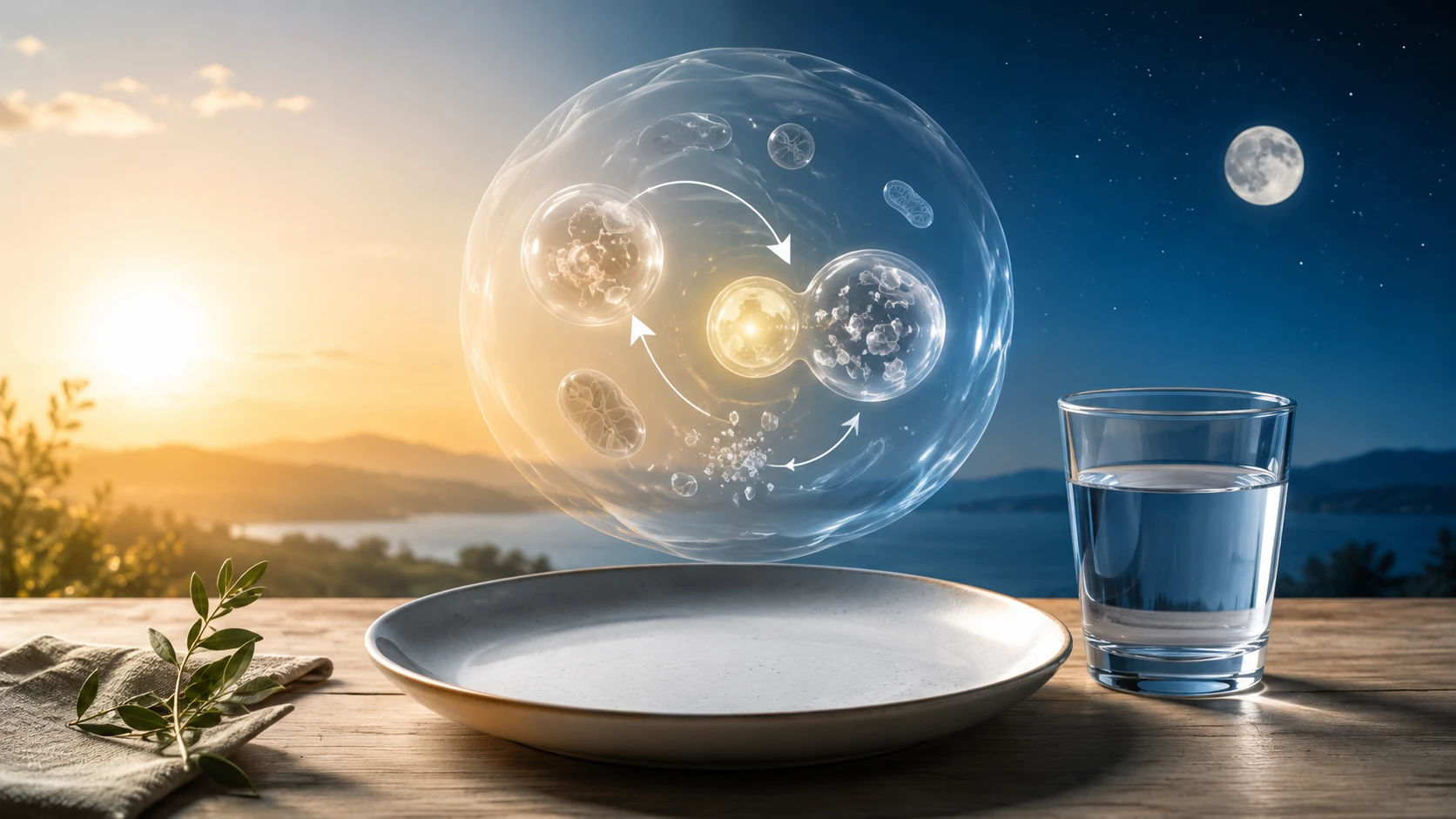
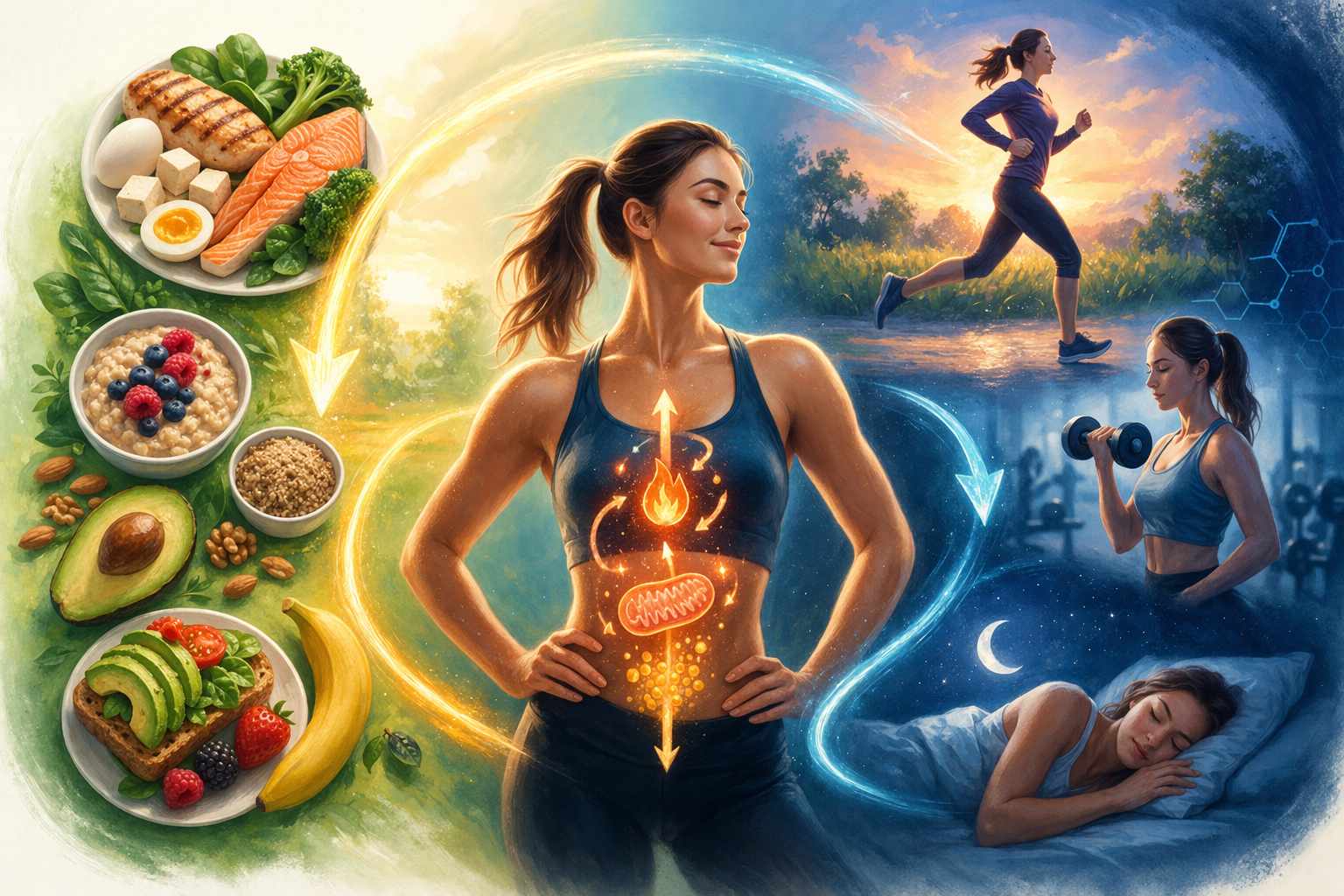
Several lifestyle factors appear to influence sirtuin activity. Research in longevity science suggests that metabolic stressors such as intermittent fasting, calorie restriction, and physical exercise may stimulate sirtuin pathways.
These interventions influence energy metabolism and activate signaling pathways that support cellular maintenance. For example, fasting can increase NAD+ availability, a molecule required for sirtuin function. This metabolic shift may help activate protective pathways involved in DNA repair and oxidative stress regulation.
Dietary patterns rich in polyphenols—compounds found in foods such as berries, cocoa, and certain plant extracts—have also been studied for their potential to support sirtuin activity.
Maintaining overall metabolic health through balanced nutrition, regular exercise, and adequate sleep may therefore contribute to long-term genomic stability.
Are There Supplements That Boost Sirtuin Activity?
Several compounds have been studied for their potential to support sirtuin pathways. These include polyphenols such as resveratrol and metabolic precursors that influence NAD+ production.
These compounds are of interest because NAD+ is required for sirtuin activity and plays an important role in cellular energy metabolism. While research in this area continues to evolve, maintaining healthy NAD+ metabolism is widely considered important for supporting cellular repair systems.
Any supplementation strategy should be approached carefully and ideally discussed with qualified healthcare professionals.
References and Resources
These scientific resources provide deeper insight into how sirtuins protect DNA and contribute to healthy aging:
Authoritative Sources on Sirtuins and DNA Protection
-
Sirtuins and DNA Repair: A Review
nih.govAn overview of how sirtuins regulate DNA repair pathways and contribute to genomic stability.
-
Sirtuins and Aging: Protecting the Genome
cell.comExplores the role of sirtuins in genomic maintenance and the biology of aging.
-
Sirtuins and Chromatin Dynamics
nature.comDiscusses how sirtuins regulate chromatin structure and genome stability.
-
Sirtuins, Oxidative Stress, and DNA Damage
frontiersin.orgExamines how sirtuins regulate antioxidant systems that protect DNA from oxidative stress.

Frequently Asked Questions
How do sirtuins repair damaged DNA?
Sirtuins regulate proteins that detect DNA damage and activate repair pathways. By modifying these repair proteins, sirtuins help ensure that damaged DNA strands are repaired efficiently before mutations accumulate.
Do sirtuins protect DNA from oxidative stress?
Yes. Certain sirtuins, particularly SIRT3, activate antioxidant enzymes that neutralize reactive oxygen species. This reduces oxidative damage to DNA and supports cellular health.
What lifestyle habits support sirtuin activity?
Metabolic stressors such as intermittent fasting, regular exercise, and balanced nutrition appear to stimulate sirtuin pathways. These practices support metabolic efficiency and may enhance cellular repair mechanisms.
Why are sirtuins important for aging?
Sirtuins regulate multiple processes associated with aging, including DNA repair, inflammation, metabolism, and epigenetic control. Their ability to maintain genomic stability makes them important regulators of healthy aging.
Do sirtuins influence gene expression?
Yes. Sirtuins modify histone proteins and influence chromatin structure, which affects how genes are expressed. This epigenetic regulation helps maintain genomic stability and proper cellular function.
Conclusion
Sirtuins are essential regulators of genomic stability and healthy aging. By coordinating DNA repair pathways, reducing oxidative damage, and maintaining chromatin organization, these proteins help protect the integrity of our genetic material over time.
Because DNA damage accumulates as part of the aging process, systems that preserve genomic stability are critical for long-term healthspan. Supporting metabolic health through lifestyle habits that influence sirtuin activity may therefore play a meaningful role in maintaining cellular resilience.
Understanding how sirtuins protect DNA highlights one of the key biological mechanisms involved in longevity science and reinforces the importance of cellular maintenance in promoting healthy aging.
Find out more information about “Do Sirtuins Protect DNA”
Search for more resources and information:
“`