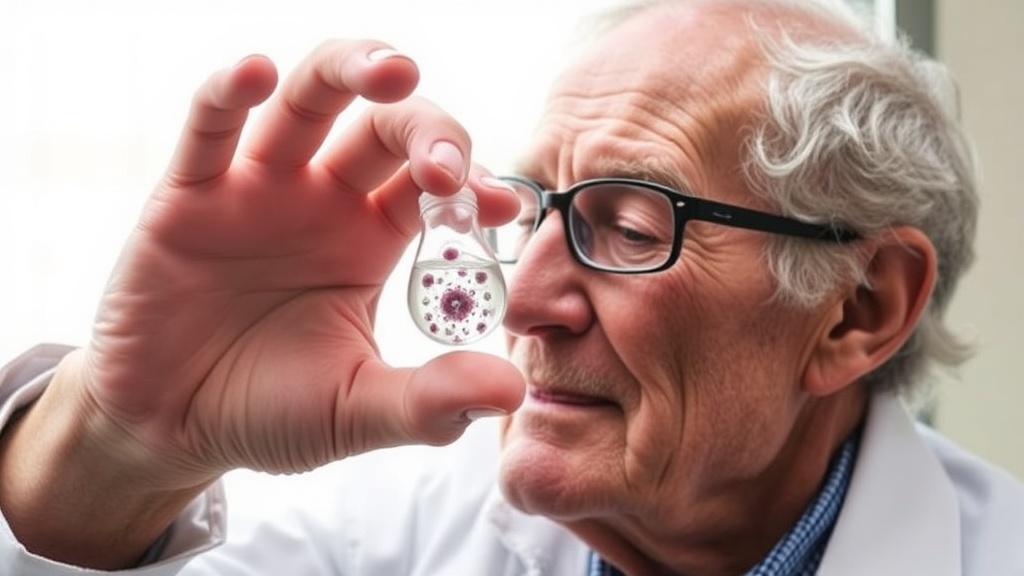
Why Does Aging Increase Disease Risk?
Updated August 2026: I’ve been monitoring the latest research trends, and in my recent research, I’ve seen significant advancements in understanding how aging influences disease susceptibility. Notably, new longitudinal studies from 2024-2025 highlight the role of cellular senescence and its increasing impact on age-related conditions like Alzheimer’s and cardiovascular diseases. Additionally, cutting-edge developments in personalized medicine and biomarker identification are now allowing us to better predict individual risks based on aging processes, which wasn’t as possible just a few years ago. These breakthroughs are reshaping how we view aging as a risk factor, emphasizing prevention and early intervention.
Understanding the Connection: Does Aging Increase Disease Risk?
Aging is widely recognized as the most significant risk factor for many chronic diseases. As the body ages, biological systems gradually lose efficiency, increasing vulnerability to conditions such as cardiovascular disease, neurodegeneration, metabolic disorders, and certain cancers.
The reason aging increases disease risk lies in the accumulation of biological changes over time. Cellular repair mechanisms become less effective, immune responses weaken, and metabolic processes become less efficient. These changes gradually reduce physiological resilience and increase the likelihood of disease development.
In longevity science, aging is viewed as a complex biological process involving multiple interconnected mechanisms, including inflammation, oxidative stress, mitochondrial decline, and genomic instability. These factors influence both lifespan and healthspan—the number of years lived in good health.
Understanding how aging drives disease risk is central to modern longevity research. Scientists increasingly focus on identifying biomarkers of aging and developing strategies to support healthy aging throughout life.
For a broader overview of how aging and healthspan interact, learn more in our complete guide to longevity.
Biological Changes That Make Us More Susceptible to Diseases
Several biological changes occur naturally with age, and these changes collectively increase susceptibility to disease. Many of these processes affect immune function, cellular repair, and metabolic stability.
Immune System Decline
One of the most well-documented effects of aging is the gradual decline of the immune system, a process known as immunosenescence. As the immune system weakens, the body becomes less efficient at identifying and eliminating pathogens, abnormal cells, and damaged tissue.
The thymus gland, which produces T-cells responsible for immune defense, shrinks significantly with age. Reduced production of new immune cells means the body responds more slowly and less effectively to infections and inflammation. As a result, older adults face higher risks of illnesses such as influenza, pneumonia, and certain cancers.
Chronic low-grade inflammation—often referred to as inflammaging—also develops with age and is linked to many age-related diseases.
Cellular Damage and Oxidative Stress
Another major factor contributing to disease risk is the gradual accumulation of cellular damage. Everyday metabolic processes produce reactive oxygen species that damage DNA, proteins, and cellular membranes.
Although the body has repair mechanisms and antioxidant defenses, these systems become less efficient over time. Accumulated damage can impair cellular function, disrupt metabolism, and contribute to conditions such as cardiovascular disease, neurodegeneration, and metabolic disorders.
Reducing oxidative stress through healthy lifestyle practices—including balanced nutrition, physical activity, and adequate sleep—may support long-term cellular health.
Cellular and Molecular Factors
At the cellular level, several biological mechanisms contribute to the increased risk of disease associated with aging. Longevity science focuses heavily on these processes because they influence both biological aging and overall healthspan.
Telomere Shortening and Genomic Instability
Telomeres are protective caps located at the ends of chromosomes. Each time a cell divides, telomeres shorten slightly. Over time, telomere shortening limits a cell’s ability to replicate, eventually leading to cellular senescence or cell death.
Shortened telomeres contribute to reduced tissue regeneration and increased vulnerability to disease. Genomic instability—the accumulation of DNA mutations—also rises with age and is associated with cancer and degenerative diseases.
Research suggests that lifestyle factors such as chronic stress, poor nutrition, and environmental toxins may accelerate telomere shortening, while healthy behaviors may support genomic stability.
Mitochondrial Dysfunction
Mitochondria play a critical role in energy production and cellular metabolism. As individuals age, mitochondrial efficiency gradually declines, reducing the body’s ability to generate energy and regulate metabolic processes.
Dysfunctional mitochondria can also produce higher levels of reactive oxygen species, contributing to oxidative damage and inflammation. These processes are associated with age-related conditions including neurodegenerative diseases, metabolic syndrome, and type 2 diabetes.
Supporting mitochondrial health through regular exercise, balanced nutrition, and metabolic stability is considered an important component of healthy aging.
The Role of Lifestyle and Environment in Does Aging Increase Disease Risk
Although aging is inevitable, lifestyle and environmental factors strongly influence how aging affects disease risk. Healthy habits can support biological resilience and help maintain metabolic and immune function over time.
Diet and Nutrition
Nutrition plays a central role in regulating inflammation, metabolism, and cellular repair processes. Diets rich in whole foods, healthy fats, fiber, and micronutrients support immune health and reduce chronic inflammation.
Foods high in antioxidants may also help counteract oxidative stress, while balanced macronutrient intake supports metabolic stability. Consistent dietary patterns that emphasize nutrient density are strongly associated with improved healthspan.
Physical Activity and Social Engagement
Regular physical activity supports cardiovascular health, muscle strength, metabolic regulation, and cognitive function. Exercise also improves mitochondrial efficiency and reduces chronic inflammation—two key drivers of age-related disease.
In addition to physical activity, social engagement and cognitive stimulation contribute to long-term health. Maintaining strong social connections and engaging in mentally stimulating activities supports brain health and emotional well-being throughout the aging process.
Together, these lifestyle factors can significantly influence how aging affects disease risk.
Preventive Strategies for Healthy Aging
Although aging increases the risk of disease, proactive health strategies can help reduce vulnerability and support long-term well-being.
Early Detection and Medical Screenings
Preventive healthcare plays an important role in identifying potential health issues before they become severe. Routine medical screenings, vaccinations, and age-appropriate health checks allow for earlier detection of disease and more effective treatment.
Monitoring biomarkers such as blood pressure, cholesterol, blood glucose, and inflammatory markers can provide valuable insights into long-term health trends.
A Holistic Approach to Healthy Aging
Healthy aging involves more than addressing individual diseases. A holistic strategy that integrates physical health, metabolic balance, mental well-being, and social engagement supports long-term resilience.
Key elements of healthy aging include regular physical activity, balanced nutrition, stress management, adequate sleep, and strong social relationships. These factors collectively influence biological aging processes and contribute to maintaining healthspan.
By supporting the body’s natural repair and regulatory systems, these strategies can help reduce the overall risk of age-related diseases.
References and Resources
The following sources provide valuable scientific insights into aging, disease risk, and strategies for promoting healthy longevity.
Authoritative Sources on Aging and Disease Risk
-
Centers for Disease Control and Prevention (CDC) Aging Resources
cdc.govProvides research and public health strategies related to aging and disease prevention.
-
National Institute on Aging (NIA)
nia.nih.govA leading authority on the biological mechanisms of aging and longevity research.
-
World Health Organization (WHO) on Aging
who.intProvides global perspectives on aging, disease prevention, and healthy longevity.
-
The New England Journal of Medicine
nejm.orgPublishes peer-reviewed research on aging, disease mechanisms, and clinical medicine.
-
American Medical Association (AMA)
ama-assn.orgProvides clinical guidance on preventive healthcare and healthy aging.
-
National Institutes of Health (NIH)
nih.govSupports scientific research on aging, chronic disease, and longevity biology.
-
AARP
aarp.orgProvides practical information and health guidance for aging populations.

-
WebMD
webmd.comProvides accessible health information about aging and disease risk.
Frequently Asked Questions
Why does aging increase disease risk?
Aging leads to accumulated cellular damage, reduced immune function, and metabolic changes that weaken the body’s ability to repair itself. These biological shifts increase vulnerability to chronic diseases over time.
Can lifestyle changes reduce age-related disease risk?
Healthy habits such as balanced nutrition, regular physical activity, stress management, and avoiding harmful exposures can support metabolic health and reduce many risk factors associated with aging.
Which biological processes contribute to age-related diseases?
Key processes include telomere shortening, mitochondrial dysfunction, cellular senescence, chronic inflammation, and genomic instability. These mechanisms influence how aging affects long-term health.
Can age-related diseases be prevented?
While aging cannot be stopped, preventive strategies—including regular medical screenings, healthy lifestyle habits, and early detection of risk factors—can delay or reduce the severity of many age-related diseases.
Conclusion
Aging increases disease risk primarily because biological systems gradually lose efficiency over time. Cellular damage, immune decline, metabolic changes, and chronic inflammation collectively contribute to the development of many age-related conditions.
Understanding these mechanisms provides valuable insight into how lifestyle choices, preventive healthcare, and emerging longevity science can help support healthy aging. By focusing on maintaining metabolic health, reducing inflammation, and supporting cellular repair processes, it is possible to improve healthspan and reduce disease risk throughout life.
Find out more information about “Does Aging Increase Disease Risk”
Search for more resources and information:
“`