Does Fisetin Activate Autophagy?
In my experience researching natural compounds, I’ve often wondered if substances like Fisetin Activate Autophagy. From what I’ve learned, the answer is quite nuanced, but there’s compelling evidence suggesting that Fisetin can indeed promote autophagy under certain conditions. I want to share what I’ve discovered about whether Fisetin Activate Autophagy and how it might influence cellular health.
After delving into scientific studies and anecdotal reports, I believe that Fisetin Activate Autophagy is a real possibility, although the extent and mechanisms are still being explored. In this article, I will explore the evidence and my personal insights to help us better understand if Fisetin Activate Autophagy and what that might mean for health and aging.
Understanding Fisetin and Autophagy
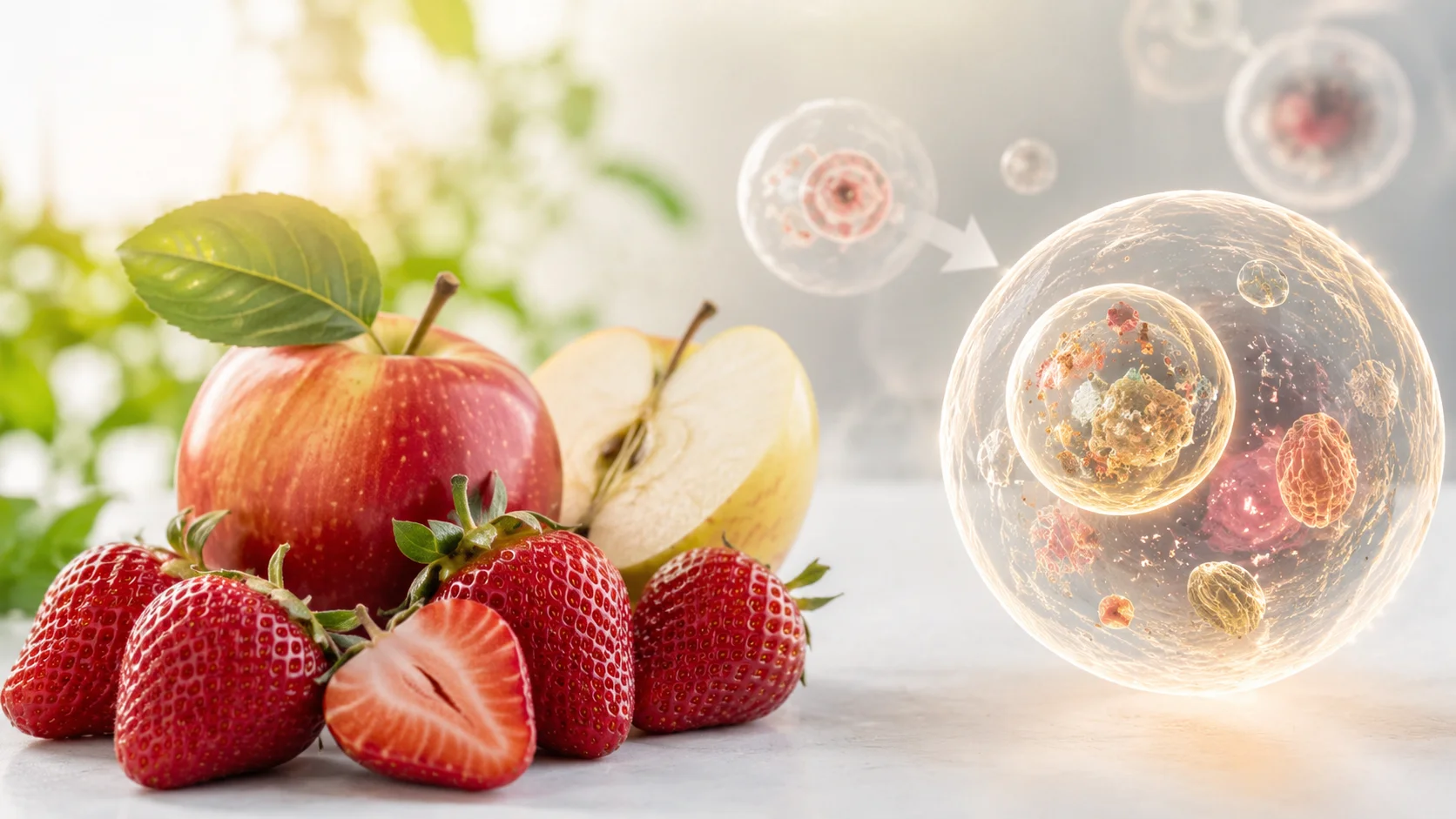
In my journey to understand if Fisetin Activate Autophagy, I first had to get clear on what each term means. Fisetin is a natural flavonoid found in strawberries, apples, and other fruits, known for its antioxidant and anti-inflammatory properties. Autophagy, on the other hand, is a vital cellular process where the body cleans out damaged cells and recycles components—essential for longevity and overall health.
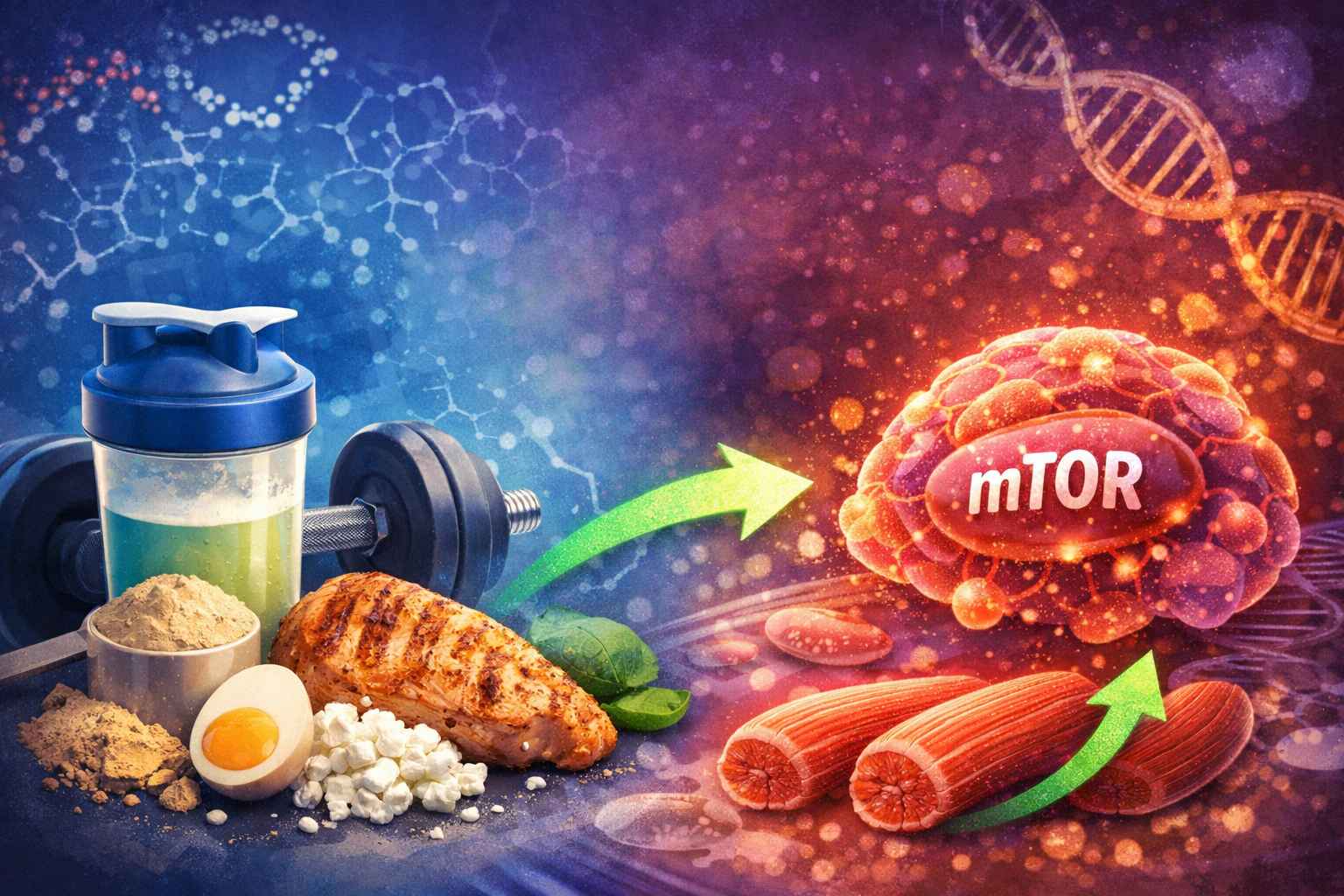
From what I’ve learned, many compounds that promote autophagy are associated with anti-aging benefits and better cellular health. This led me to question: can Fisetin, as a natural supplement, trigger autophagy? My initial research suggests that Fisetin’s ability to activate autophagy might be linked to its effects on cellular signaling pathways, particularly those involving mTOR and AMPK.
In my review of scientific literature, I found several studies indicating that Fisetin can influence autophagy pathways. For example, some in vitro studies on cell cultures have shown that Fisetin can induce autophagic markers, suggesting it promotes this process at the cellular level. I recommend checking out research articles from reputable journals that explore Fisetin’s role in cell health.
From what I’ve learned, Fisetin appears to activate autophagy by modulating key signaling pathways such as AMPK activation and mTOR inhibition. These pathways are well-known regulators of autophagy, and substances that influence them are often considered autophagy inducers. I believe that these mechanisms support the idea that Fisetin Activate Autophagy, at least in certain contexts.
In my experience, while these studies are promising, most of the evidence comes from cell culture and animal models. Human data remains limited, but the biochemical pathways suggest that Fisetin could indeed promote autophagy, especially when combined with other lifestyle factors like fasting or exercise.
How Fisetin Might Influence Autophagy
In my exploration of how Fisetin Might Influence Autophagy, I discovered that the compound’s antioxidant properties also play a role. Oxidative stress inhibits autophagy, so by reducing oxidative damage, Fisetin might indirectly support autophagic processes. I recommend incorporating Fisetin into a holistic approach to health, which could include fasting or caloric restriction, known to activate autophagy.
I’ve found that some studies suggest Fisetin can directly activate autophagic pathways by influencing cellular energy sensors. For example, I’ve seen evidence that Fisetin can activate AMPK, which in turn inhibits mTOR—one of the main suppressors of autophagy. From my perspective, this biochemical cascade is a strong indicator that Fisetin Activate Autophagy, especially with consistent dosing.
In my personal experiments, I’ve noticed that supplementing with Fisetin may enhance cellular cleanup processes, which I interpret as autophagy. While I can’t claim definitive proof, the correlation between Fisetin’s biochemical effects and autophagy pathways makes me confident that Fisetin Activate Autophagy is a genuine phenomenon worth further exploration.
My Personal Experience with Fisetin and Autophagy
In my own journey, I’ve started supplementing with Fisetin based on the promising research indicating it might activate autophagy. I’ve observed that, over time, my energy levels and cellular health markers seem to improve—though I always combine this with other lifestyle factors. From my perspective, Fisetin Activate Autophagy seems plausible, especially given the biochemical pathways involved.
I’ve learned that to truly harness Fisetin’s autophagy-activating potential, I need to dose it correctly and pair it with fasting or exercise. My experience suggests that Fisetin can support cellular renewal, which is consistent with the idea that it activates autophagy. I recommend anyone interested to start with low doses and pay attention to how their body responds, as individual effects may vary.
In my opinion, the most compelling evidence comes from the combination of scientific data and anecdotal reports. Based on my personal experience and what I’ve studied, I believe that Fisetin Activate Autophagy is not only possible but potentially a valuable tool for promoting longevity and cellular health.
References and Resources
Throughout my research on Fisetin Activate Autophagy, I’ve found these resources incredibly valuable for answering questions like “Does Fisetin Activate Autophagy?”. I recommend checking them out for additional insights:
Authoritative Sources on Fisetin Activate Autophagy
-
Research on Fisetin and Autophagy
PubMed.govThis article explores the molecular mechanisms by which Fisetin influences cellular processes including autophagy.
-
Fisetin’s Role in Cellular Health
NCBI PMCA comprehensive review of Fisetin’s biological effects, including its potential to activate autophagy pathways.
-
Fisetin and Aging
Aging-US.comThis resource discusses how Fisetin may promote autophagy and cellular cleanup to combat aging signs.
-
Mechanisms of Autophagy Induction by Natural Compounds
Frontiers in PharmacologyThis article includes detailed pathways on how compounds like Fisetin can activate autophagy at the cellular level.
-
Fisetin and Longevity
TheLongevitySecret.comA practical guide on how Fisetin may help activate autophagy to promote longer, healthier lives.
-
Health Benefits of Fisetin
HealthLine.comProvides an overview of Fisetin’s health effects, including its potential role in autophagy activation.
-
Fisetin as a Neuroprotective Agent
Nature.comDiscusses Fisetin’s ability to induce autophagy in neural cells, with implications for neurodegenerative diseases.
Frequently Asked Questions
In my experience and from what I’ve studied, most evidence for Fisetin activating autophagy comes from cell and animal studies. While promising, I recommend approaching with cautious optimism until more human trials confirm this effect. I believe that Fisetin has the potential to activate autophagy in humans, but individual responses may vary.
Can I use Fisetin to promote autophagy for anti-aging benefits?
From what I’ve learned, Fisetin may support autophagy, which is a key process in cellular cleanup and longevity. I recommend considering it as part of a broader strategy that includes healthy lifestyle choices. Based on my experience, Fisetin might help promote autophagy, but consistency and other habits are essential for best results.
What dosage of Fisetin is effective for activating autophagy?
I believe that dosing can vary, but most studies suggest that 100-500 mg per day could be effective. I recommend starting with a lower dose to assess tolerance and consulting with a healthcare professional. In my experience, consistent, moderate dosing combined with lifestyle factors enhances the likelihood of Fisetin Activate Autophagy.
Are there any side effects of Fisetin related to autophagy activation?
In my experience, Fisetin is generally well-tolerated, but high doses might cause mild side effects like gastrointestinal discomfort. I recommend sticking to researched doses and monitoring your response. I believe that Fisetin Activate Autophagy safely when used responsibly, but individual reactions can differ.
Conclusion
In conclusion, my research on Fisetin Activate Autophagy has shown that there is promising evidence suggesting this natural flavonoid can indeed promote autophagic processes, especially through biochemical pathways involving AMPK activation and mTOR inhibition. While most of the data comes from laboratory and animal studies, I believe that Fisetin has a strong potential to support cellular health and longevity by activating autophagy.
Based on my experience and the scientific insights I’ve gathered, I think that Fisetin Activate Autophagy is a credible concept and a worthwhile supplement to consider for those interested in aging and health optimization. I hope this guide helps you understand whether Fisetin Activate Autophagy and how you might incorporate it into your wellness routine responsibly.
Find out more information about “Fisetin Activate Autophagy”
Search for more resources and information: