
What Is Il-6 and Why Is It a Longevity Marker?
TL;DR: IL-6 is an immune signalling protein that, when chronically elevated, drives systemic inflammation and increases risk of cardiovascular disease, metabolic dysfunction, and accelerated aging. It is a useful longevity marker, but it is most meaningful when interpreted alongside other inflammatory and metabolic biomarkers rather than in isolation.
IL-6 (Interleukin-6) is a cytokine — a small signalling protein released by immune and other cells to coordinate the body’s response to infection, injury, and stress. In the short term, this is protective. However, when IL-6 remains persistently elevated outside of acute illness, it reflects chronic low-grade inflammation — a state that is consistently linked to accelerated biological aging, cardiovascular disease, metabolic decline, and reduced lifespan. That is why IL-6 is studied as a longevity marker.
What Is IL-6 and What Does It Do?
The Basic Function of IL-6
IL-6 acts as a chemical messenger between cells, helping to activate immune responses and regulate inflammation. When the body detects an injury or pathogen, IL-6 levels rise rapidly to coordinate the acute phase response — stimulating immune cells, raising body temperature, and signalling the liver to produce proteins that contain infection.
In this context, IL-6 is entirely normal and necessary. The problem arises when levels do not return to baseline. Chronic low-grade elevation — not caused by active infection — indicates that the immune system is in a persistent state of activation. This is the pattern most relevant to aging and long-term health risk.
IL-6 levels can be influenced by body fat (particularly visceral fat), physical inactivity, poor sleep, psychological stress, smoking, excess alcohol, and underlying metabolic dysfunction. As a result, elevated IL-6 often reflects a broader pattern of poor health rather than a single cause.
Why Is IL-6 Considered a Longevity Marker?
The Link Between Chronic Inflammation and Aging
One of the most consistent findings in aging research is that older adults with higher levels of systemic inflammation tend to have worse health outcomes, more age-related disease, and shorter lifespans. This pattern — sometimes called “inflammaging” — describes the gradual increase in baseline inflammation that occurs as the body ages.
IL-6 is one of the most studied cytokines within this framework. Research suggests that chronically elevated IL-6 is associated with higher risk of cardiovascular disease, type 2 diabetes, cognitive decline, sarcopenia (muscle loss), and all-cause mortality. Importantly, this association holds even after adjusting for other known risk factors, which suggests IL-6 is capturing something meaningful about systemic health status.
In this sense, IL-6 functions as a marker of inflammatory burden — a signal that the body’s regulatory systems are under chronic stress. Lower resting IL-6, particularly in older age, is generally associated with better healthspan outcomes. Learn more in our complete guide to longevity.
How IL-6 Compares to Other Inflammatory Markers
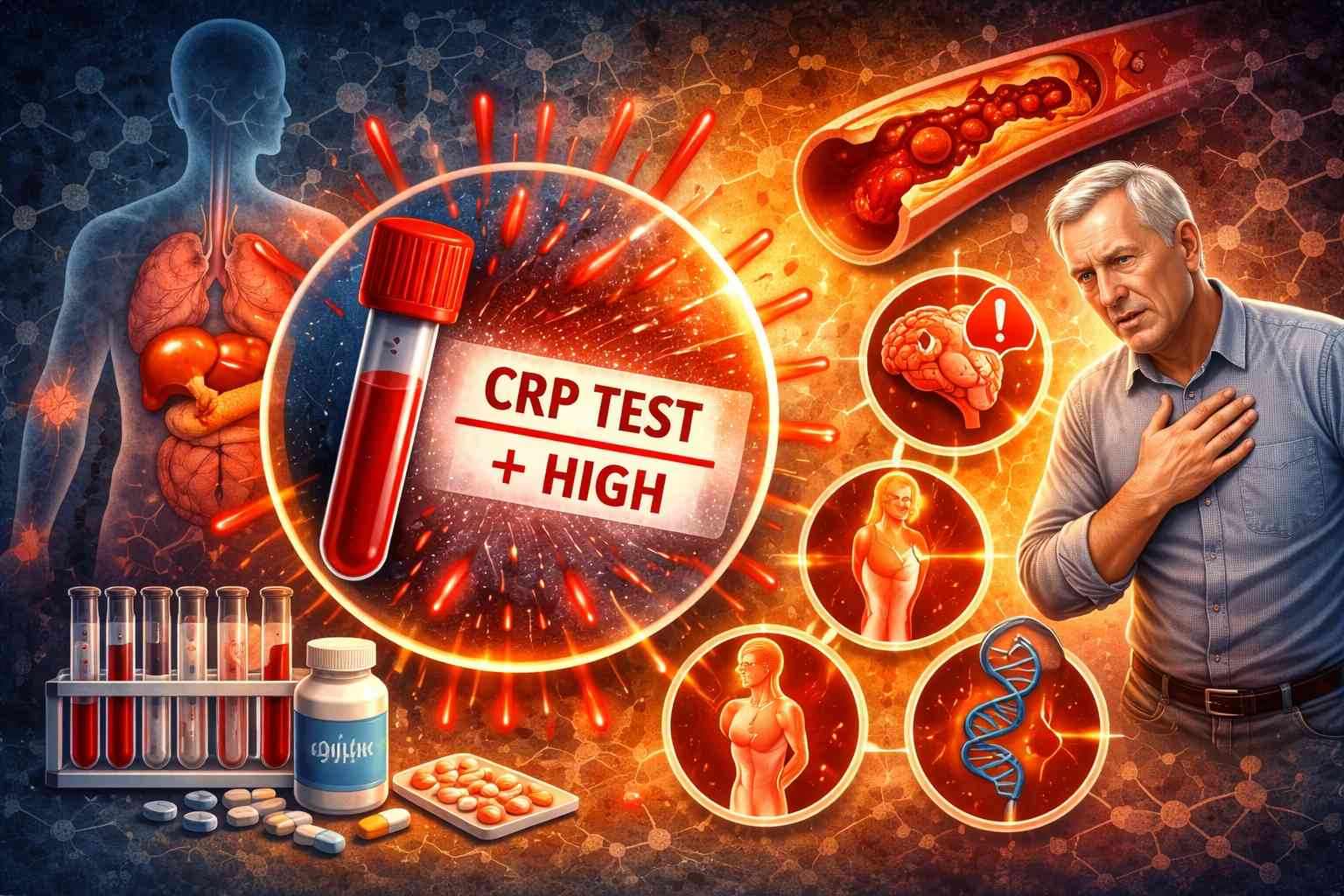
hs-CRP (high-sensitivity C-reactive protein) is the most commonly used inflammatory marker in clinical practice, partly because it is inexpensive, well-standardised, and widely available. IL-6 is actually one of the main signals that tells the liver to produce CRP — so in many cases, elevated CRP reflects elevated upstream IL-6 activity.
However, IL-6 is considered more specialised and harder to interpret than hs-CRP in routine clinical settings. It is more expensive to measure, less standardised across laboratories, and more variable day to day. For most people, hs-CRP provides a more practical first-line assessment of inflammatory status. IL-6 adds value in research contexts and in cases where a deeper picture of cytokine activity is needed — for example, in people with normal CRP but ongoing symptoms, or in those already optimising inflammation and wanting more granular data.
This distinction matters. IL-6 is a genuinely useful longevity-relevant biomarker, but it sits in the more specialised layer of a longevity blood panel — not the foundational layer. You can read more about how it fits alongside other advanced markers in our article on TNF-alpha and aging.
How IL-6 Influences Aging and Disease Risk
The Dual Nature of IL-6
IL-6 has a genuinely dual role in the body, which is worth understanding. In acute situations — during exercise, for example — a temporary spike in IL-6 is part of normal physiology and may actually support metabolic adaptation and tissue repair. This short-term, exercise-induced IL-6 rise is quite different from the chronic low-grade elevation seen in metabolic dysfunction or obesity.
The harmful pattern is persistent elevation at rest, over months and years. This sustained inflammatory signalling can damage blood vessel walls, impair insulin sensitivity, promote muscle breakdown, and contribute to neuroinflammation. Over time, these effects compound — accelerating the biological changes associated with aging.
Disease Associations
Research links chronically elevated IL-6 to a number of age-related conditions. In cardiovascular disease, IL-6 contributes to endothelial dysfunction and the inflammatory processes that drive atherosclerosis. In metabolic disease, high IL-6 is associated with insulin resistance and impaired glucose regulation. In neurodegenerative conditions, elevated IL-6 has been found in the context of Alzheimer’s and Parkinson’s disease, though the causal direction remains an area of ongoing research.
It is important not to overstate certainty here. Many of these associations are observational. Elevated IL-6 may partly be a consequence of poor health rather than solely a cause of it. That said, the consistency of findings across large populations and multiple disease areas supports its value as a meaningful signal of systemic health status.
How to Reduce Chronically Elevated IL-6
Addressing the Root Causes
Because IL-6 elevation is often driven by lifestyle and metabolic factors, the most effective interventions are also the most fundamental. Reducing visceral fat is one of the most impactful steps, as adipose tissue — particularly abdominal fat — is a major source of IL-6 production. Regular physical activity, both aerobic and resistance training, consistently reduces inflammatory markers including IL-6 over time.
Improving sleep quality matters too. Poor sleep is a well-established driver of inflammatory dysregulation, and even short-term sleep deprivation can raise IL-6 levels measurably. Similarly, chronic psychological stress activates the inflammatory response, so stress management practices — whether through exercise, social connection, or structured relaxation — have a genuine biological rationale.
Nutrition and Anti-Inflammatory Diet Patterns
A diet high in ultra-processed foods, refined carbohydrates, and excess calories is associated with elevated inflammatory markers. In contrast, dietary patterns rich in vegetables, oily fish, legumes, and wholegrains — broadly consistent with a Mediterranean-style approach — are associated with lower systemic inflammation, including lower IL-6.
Specific nutrients such as omega-3 fatty acids (from oily fish or supplements) have reasonably consistent evidence for modest anti-inflammatory effects. Polyphenols — found in berries, olive oil, green tea, and turmeric — have shown anti-inflammatory effects in some studies, though human evidence for compounds like curcumin and resveratrol remains more limited and context-dependent than is often claimed. In practice, dietary patterns matter more than individual supplements.
Practical Priorities
If IL-6 is elevated, the most useful question is: what is driving it? Addressing underlying causes — excess body fat, inactivity, poor sleep, metabolic dysfunction — is more likely to produce meaningful and sustained reductions than any single intervention. Tracking IL-6 over time can help confirm whether lifestyle changes are having the intended effect, but it should inform action rather than become the focus itself.
For context on how IL-6 fits within a broader longevity testing strategy, see our guide to the most complete longevity blood panel.
Frequently Asked Questions
What exactly is IL-6 and how does it influence aging?
IL-6 is a cytokine — an immune signalling protein — that plays a normal role in acute inflammation and infection response. When chronically elevated at rest, however, it reflects persistent low-grade systemic inflammation, which is consistently associated with accelerated biological aging, cardiovascular disease, and metabolic decline. It is both a marker of inflammatory burden and a contributor to the processes that drive age-related disease.
Why is IL-6 considered an important longevity marker?
Research consistently links elevated resting IL-6 to higher risk of cardiovascular disease, type 2 diabetes, cognitive decline, and all-cause mortality. Because it reflects systemic inflammatory status — one of the key biological mechanisms underlying accelerated aging — IL-6 provides meaningful information about long-term health trajectories, particularly when interpreted alongside other markers.
How does IL-6 compare to hs-CRP as an inflammatory marker?
hs-CRP is the more practical first-line inflammatory marker for most people — it is cheaper, better standardised, and more widely available. IL-6 is an upstream signal that drives CRP production, so the two tend to correlate. IL-6 adds value in more specialised assessments or where a deeper picture of cytokine activity is needed, but it is not a necessary starting point for most people.
Can lifestyle changes meaningfully reduce IL-6 levels?
Yes. Evidence supports that regular exercise, reducing visceral fat, improving sleep quality, managing chronic stress, and following an anti-inflammatory dietary pattern can all lower resting IL-6 levels over time. The most effective approach is addressing the underlying drivers rather than targeting the number directly.
Should everyone measure IL-6 as part of a longevity panel?
Not necessarily. IL-6 is a useful deeper-layer marker, but it is not the first priority for most people. Starting with hs-CRP, metabolic markers, lipid fractions, and glucose provides a more actionable foundation. IL-6 becomes more relevant for those already optimising the basics and wanting a more detailed picture of their inflammatory biology.
Conclusion
IL-6 is a genuinely important longevity-relevant biomarker. Chronically elevated levels reflect systemic inflammatory burden — a key driver of biological aging and age-related disease. However, it is best understood as one piece of a broader picture. For most people, addressing the lifestyle and metabolic factors that drive inflammation will reduce IL-6 alongside other risk markers, without needing to track it in isolation. When used appropriately — as part of a structured longevity blood panel — IL-6 can help confirm inflammatory status, guide interventions, and track progress over time.

References and Resources
Authoritative Sources on IL-6 and Longevity
-
The Role of IL-6 in Aging and Disease
ncbi.nlm.nih.govA comprehensive review of how IL-6 contributes to age-related inflammation and chronic disease, providing important mechanistic context for its role as a longevity biomarker.
-
Inflammation and Aging: The IL-6 Connection
sciencedaily.comCovers recent research on how IL-6 levels relate to aging processes and the potential for interventions to reduce inflammatory burden.
-
NIH on Inflammation and Aging
nih.govNIH research highlighting the role of inflammatory markers including IL-6 in healthy aging and disease prevention strategies.
-
IL-6 in Immune Regulation and Aging
frontiersin.orgAn academic review of IL-6’s roles in immune regulation and immune aging, with relevance to longevity research.
-
Understanding IL-6 and Its Impact on Health
medicalnewstoday.comAn accessible overview of IL-6’s function and its broader influence on health and aging, useful as an introductory reference.
-
Chronic Inflammation and Its Role in Aging
webmd.comDiscusses the broader context of chronic inflammation in aging, including the contribution of cytokines like IL-6 and the role of lifestyle in managing inflammatory status.
Find out more information about IL-6 as a longevity marker
Search for more resources and information: