Does Resveratrol Activate Sirtuins?
Does Resveratrol Activate Sirtuins?
TL;DR: Resveratrol can influence sirtuin activity — particularly SIRT1 — in laboratory and animal studies, but human evidence is limited and inconsistent. It may support sirtuin biology indirectly, but its effects in people are modest at best and should not be overstated.
Research suggests that resveratrol does interact with sirtuin pathways, most notably by influencing SIRT1 activity. However, the relationship is more complex than early studies implied. Laboratory findings have not translated cleanly into consistent human benefits, and the idea that resveratrol is a potent sirtuin activator in people remains scientifically contested.
This article explains what sirtuins are, how resveratrol is thought to interact with them, what the evidence actually supports, and what that means practically for anyone considering resveratrol as part of a longevity-focused supplement approach.
What Are Sirtuins and Why Do They Matter for Aging?
The Role of Sirtuins in Cellular Health
Sirtuins are a family of seven proteins (SIRT1–SIRT7) that function as enzymes regulating gene expression, DNA repair, inflammation, and metabolic signalling. They are NAD+-dependent, meaning they require NAD+ as a cofactor to function. This links sirtuin activity directly to cellular energy status and the broader NAD+ biology relevant to aging.
SIRT1 is the most studied of these proteins in the context of longevity. It plays a role in mitochondrial biogenesis, insulin sensitivity, inflammatory signalling, and the cellular response to caloric stress. Research in model organisms has shown that enhanced sirtuin activity is associated with extended lifespan under calorie restriction — one of the most reproducible longevity interventions in biology.
Because NAD+ levels appear to decline with age, and because sirtuins depend on NAD+ to function, there is genuine scientific interest in whether compounds that support NAD+ or directly influence sirtuins could help preserve cellular function as people age. Learn more in our complete guide to longevity.
How Sirtuin Activity Connects to Aging
Declining sirtuin activity has been associated with several hallmarks of aging, including impaired DNA repair, increased inflammation, reduced mitochondrial function, and dysregulated metabolism. Whether restoring or enhancing sirtuin activity in humans meaningfully slows these processes remains an open question — but the mechanistic rationale is well-established enough to attract serious research attention.
For a broader look at how sirtuins fit into the NAD+ longevity landscape, see our hub article on NAD+ for longevity.
How Resveratrol Interacts with Sirtuin Pathways
The Direct Activation Hypothesis
Early research, particularly work published around 2003, proposed that resveratrol could directly bind to and activate SIRT1 as an allosteric activator — meaning it binds at a site separate from the active site and increases the enzyme’s activity. This hypothesis generated significant excitement and drove much of the early interest in resveratrol as a longevity compound.
Subsequent research complicated this picture. Some scientists argued that the direct binding effect observed in laboratory assays was partly an artefact of the fluorescent substrates used in early experiments. Studies using different methods produced more modest results, and the question of whether resveratrol meaningfully binds and activates SIRT1 under physiological conditions remains debated.
Indirect Effects on Sirtuin Activity
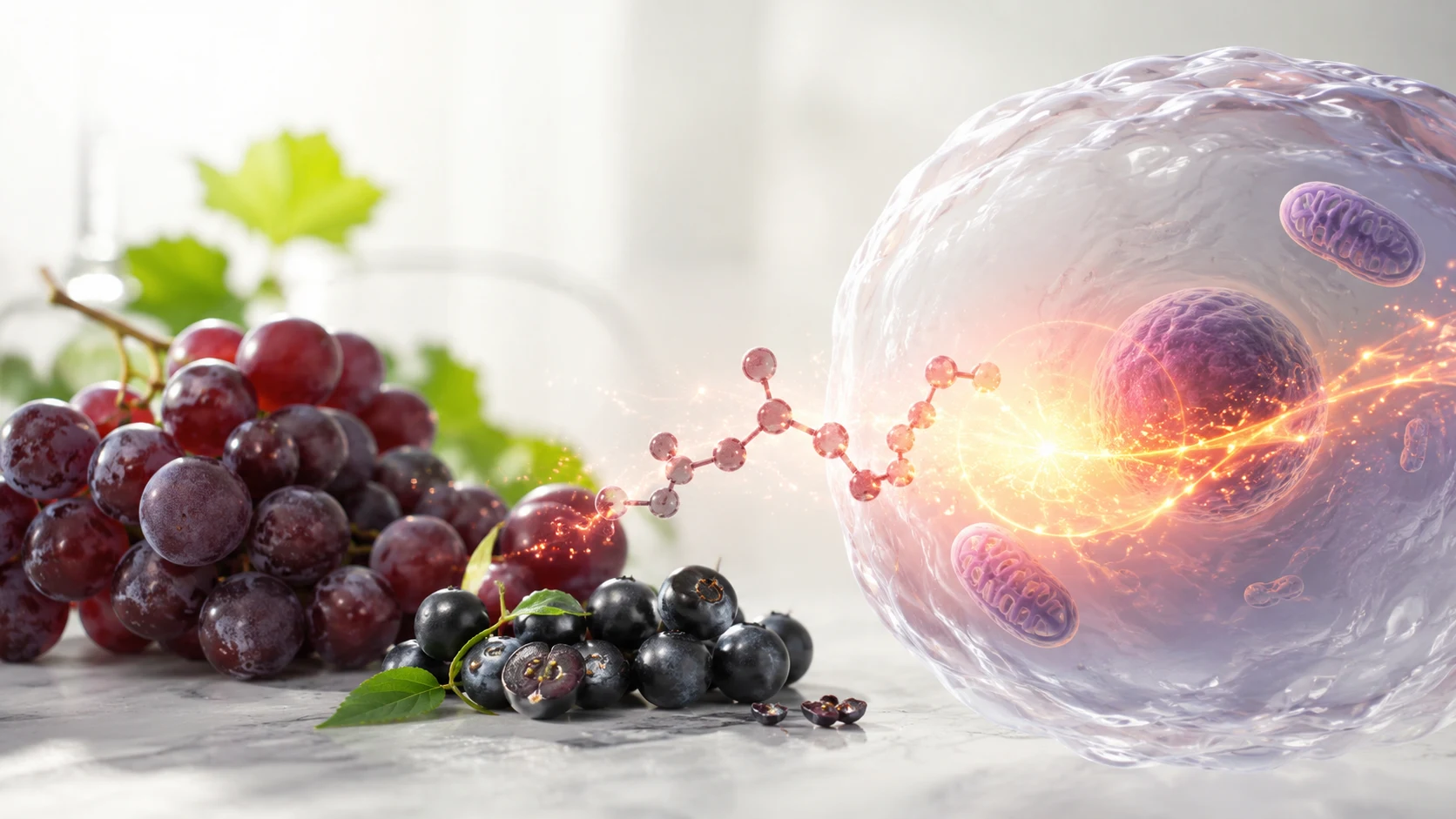
Even if direct activation is modest, resveratrol may still influence sirtuin function through indirect mechanisms. Evidence indicates that resveratrol activates AMPK — a cellular energy sensor — which can raise intracellular NAD+ levels. Since sirtuins require NAD+ to function, anything that increases NAD+ availability could support sirtuin activity as a downstream effect.
Resveratrol also appears to reduce oxidative stress and modulate inflammatory signalling, which may create a more favourable cellular environment for sirtuin activity. These indirect pathways are biologically plausible, though they are harder to isolate and measure in human studies.
Research into how resveratrol activates AMPK provides useful context here — the two mechanisms are closely linked and help explain why resveratrol’s effects on cellular metabolism may be broader than a simple sirtuin switch.
What the Evidence Actually Shows
Laboratory and Animal Studies
Cell culture and animal studies have consistently shown that resveratrol can increase SIRT1 activity, improve mitochondrial function, and reduce markers of inflammation and metabolic dysfunction. In obese mice, resveratrol produced metabolic improvements associated with enhanced SIRT1 signalling. These findings established the biological plausibility of resveratrol as a sirtuin-influencing compound.
However, animal models — particularly those involving obese or metabolically stressed subjects — do not always predict what happens in healthy humans. The doses used in many animal studies are also far higher than what is typically consumed through food or standard supplements.
Human Clinical Evidence
Human trials on resveratrol and sirtuin activity are limited in number, often small, and have produced inconsistent results. Some studies in people with metabolic conditions report modest improvements in insulin sensitivity, inflammatory markers, or mitochondrial function that may involve SIRT1 signalling. Others show minimal effects.
A key limitation is bioavailability. Resveratrol is rapidly metabolised after oral consumption, meaning blood levels following standard supplementation are relatively low. Whether these concentrations are sufficient to produce meaningful sirtuin activation in human tissues is uncertain. Some formulations with improved bioavailability have been developed, but large-scale human outcome data remain lacking.
Current evidence does not support the claim that resveratrol reliably activates sirtuins in humans at typical supplemental doses, though it remains a plausible mechanism worth further study.
Practical Implications and Limitations
What This Means for Supplement Use
Resveratrol is not without biological interest, but the gap between laboratory findings and proven human outcomes is significant. Anyone considering resveratrol for sirtuin activation should understand that the direct activation model is contested, human evidence is inconsistent, and no clinical trial has demonstrated that resveratrol extends human lifespan or meaningfully improves healthspan outcomes through sirtuin-dependent pathways.
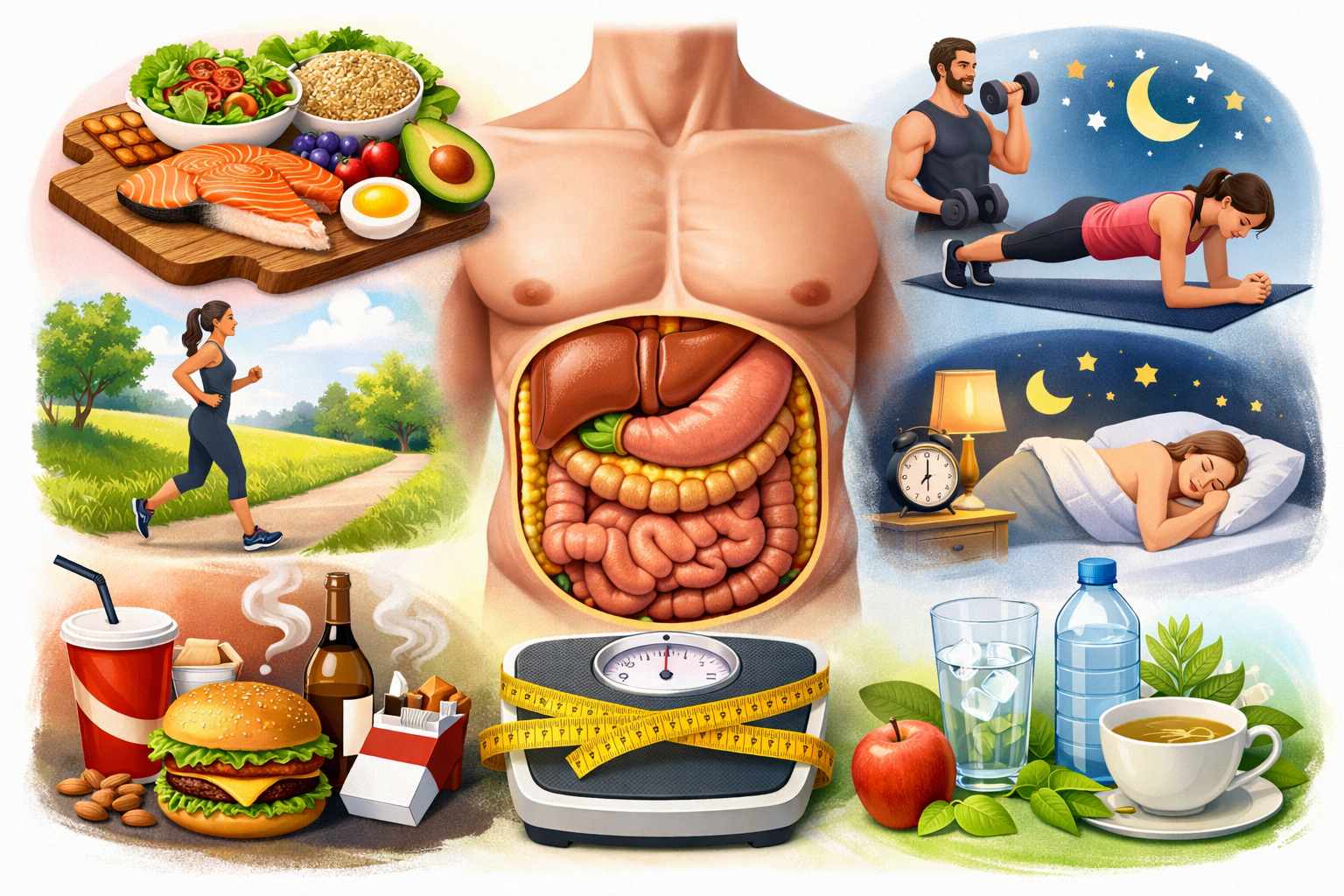
If sirtuin support is the goal, lifestyle factors have more consistent evidence behind them. Calorie restriction, intermittent fasting, and regular aerobic exercise all influence NAD+ metabolism and sirtuin activity through well-characterised mechanisms. These approaches are also supported by a larger body of human evidence than resveratrol supplementation currently provides.
Combining Resveratrol with Other Approaches
Some researchers and clinicians suggest that resveratrol may work best as part of a broader strategy that includes NAD+ precursors such as NMN or NR, given that sirtuin activity depends on adequate NAD+ availability. The logic is that raising NAD+ levels while also providing a potential sirtuin activator could have complementary effects. This is biologically plausible, but human evidence for this combination specifically is limited.
Resveratrol is generally well tolerated at moderate doses. At high doses, potential interactions with blood-thinning medications and other drugs are worth discussing with a healthcare professional before supplementing.
Limitations and Uncertainty
The resveratrol and sirtuin story is an important lesson in longevity science more broadly: mechanistically interesting findings in cells and animals do not automatically translate into human benefit. The field has matured since the early excitement of the mid-2000s, and a more cautious, evidence-based view of resveratrol’s role in sirtuin biology is now appropriate.
Resveratrol may offer some metabolic and anti-inflammatory benefits independent of sirtuin activation, and research is ongoing. But treating it as a proven sirtuin activator with meaningful anti-aging effects in humans goes beyond what current evidence supports.
References and Resources
Authoritative Sources on Resveratrol and Sirtuin Activation
-
Resveratrol and Sirtuins: Molecular Mechanisms
ncbi.nlm.nih.govA comprehensive review of how resveratrol interacts with sirtuins, especially SIRT1, and the implications for aging and metabolic health.
-
Resveratrol as a Sirtuin Activator
nature.comA landmark study discussing direct activation of sirtuins by resveratrol and its potential relevance for aging and disease prevention.
-
Resveratrol Benefits and Research
healthline.comA well-rounded overview of resveratrol’s studied effects, including its potential to influence sirtuins and support healthy aging.
-
Resveratrol and Sirtuins in Pharmacology
frontiersin.orgDiscusses the pharmacological potential of resveratrol as a sirtuin modulator and its implications for age-related disease.
-
Molecular Pathways of Resveratrol
cell.comA detailed review of the molecular mechanisms by which resveratrol influences sirtuins and related longevity pathways.
-
Resveratrol and Aging: Clinical Perspectives
aging-us.comReviews clinical trials exploring resveratrol’s effects on aging markers and sirtuin activity in human subjects.

-
Resveratrol in Nutrition
nutrition.org.ukA practical resource on dietary sources of resveratrol and its potential to influence sirtuin activity through food and supplementation.
Frequently Asked Questions
Does resveratrol actually activate sirtuins in humans?
Some human studies suggest resveratrol can influence SIRT1 activity, particularly in people with metabolic conditions. However, results are inconsistent across trials. Human evidence is limited, and the direct activation mechanism shown in early laboratory studies has been questioned. Resveratrol may support sirtuin biology indirectly through AMPK activation and NAD+ availability, but it should not be treated as a reliable or potent sirtuin activator in humans at this stage.
Can resveratrol alone be relied upon to support sirtuin activity?
No. Sirtuin activity depends on multiple factors, including NAD+ availability, overall metabolic health, and cellular stress signals. Lifestyle factors such as regular exercise, calorie restriction, and adequate sleep have more consistent evidence for supporting sirtuin biology than resveratrol supplementation alone. Resveratrol may play a supporting role, but it is not a standalone solution.
What is the best way to take resveratrol if considering it for sirtuin support?
Bioavailability is a practical concern with standard resveratrol supplements. Taking resveratrol alongside a meal containing healthy fats may improve absorption. Some formulations with enhanced bioavailability are available. Consistent dosing at moderate amounts is generally preferable to very high doses, where safety data is less clear. Always consider resveratrol as part of a broader health strategy rather than a primary intervention.
Are there risks associated with resveratrol supplementation?
Resveratrol is generally well tolerated at moderate supplemental doses. At higher doses, there is a potential for interactions with anticoagulant medications and certain other drugs. Anyone on regular medication or with underlying health conditions should discuss resveratrol supplementation with a healthcare professional before starting.
Is resveratrol the best natural compound for supporting sirtuins?
Resveratrol is among the most studied natural compounds in the context of sirtuin biology, but it is not clearly superior to other approaches. NAD+ precursors such as NMN and NR are also of significant interest because sirtuins depend on NAD+ to function. Evidence for NAD+ precursors raising NAD+ levels in humans is stronger than evidence for resveratrol directly activating sirtuins. The two approaches target sirtuin biology through different mechanisms and may be complementary.
Conclusion
Resveratrol does appear to influence sirtuin pathways — particularly SIRT1 — but the mechanism is more nuanced than early research suggested, and human evidence remains limited and inconsistent. The direct activation hypothesis is contested, while indirect effects through AMPK and NAD+ metabolism are more widely accepted but harder to quantify in clinical terms.
Resveratrol is a biologically interesting compound, but its effects on sirtuin activity in humans are likely modest and dependent on factors including dose, bioavailability, and individual metabolic context. It may have a role as one component within a broader longevity-focused approach, but it should not be positioned as a primary or proven strategy for sirtuin activation or anti-aging benefit.
Lifestyle fundamentals — exercise, sleep, metabolic health, and nutrition — remain the strongest evidence-based foundations for supporting healthy aging. Resveratrol and other sirtuin-related supplements sit above that layer as possible optimisation tools, not replacements for it.
Find out more information about resveratrol and sirtuin activation
Search for more resources and information: