Is Insulin Resistance the Root Risk Driver? (2026)
TL;DR: Insulin resistance is one of the most significant and modifiable drivers of chronic disease and early death. Improving insulin sensitivity through diet, exercise, and sleep is one of the highest-leverage actions you can take for long-term health.
What Is Insulin Resistance and Why Does It Matter?
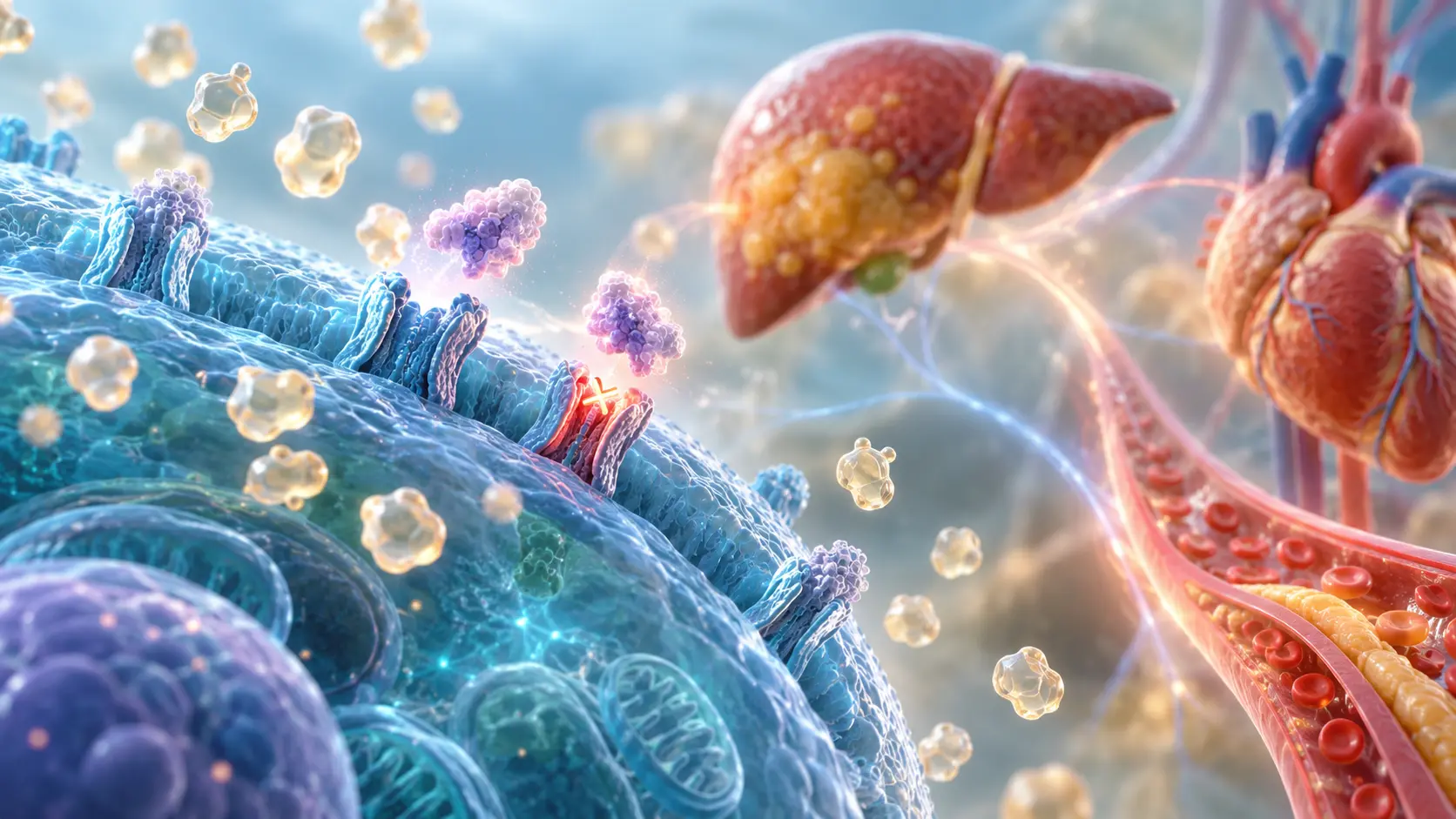
Insulin resistance occurs when cells in the muscles, liver, and fat tissue stop responding effectively to insulin, the hormone that regulates blood sugar. As a result, the pancreas produces more insulin to compensate, leading to chronically elevated insulin levels — a state known as hyperinsulinemia. Over time, this creates a metabolic environment that promotes fat storage, systemic inflammation, and vascular dysfunction.
What makes insulin resistance particularly important for longevity is its reach. It is not simply a precursor to type 2 diabetes. Evidence indicates that insulin resistance is a central mechanism linking poor metabolic health to cardiovascular disease, non-alcoholic fatty liver disease, cognitive decline, certain cancers, and accelerated biological aging. For this reason, it is widely regarded as one of the most consequential upstream risk factors in preventive medicine.
Importantly, insulin resistance is also highly modifiable. Unlike genetic risk factors, it responds directly to lifestyle change — which means it represents a genuine lever for improving healthspan.
Is Insulin Resistance the Root Risk Driver?
The short answer is: it is one of the most upstream and most actionable risk drivers identified in longevity research, though it is more accurate to call it a root driver rather than the only one.
Insulin resistance frequently sits at the intersection of several major chronic disease pathways. When it is present, it tends to worsen cardiovascular risk markers, promote visceral fat accumulation, elevate inflammatory markers such as CRP, and impair metabolic flexibility. In this sense, it functions as a multiplier — worsening the effects of other risk factors rather than operating in isolation.
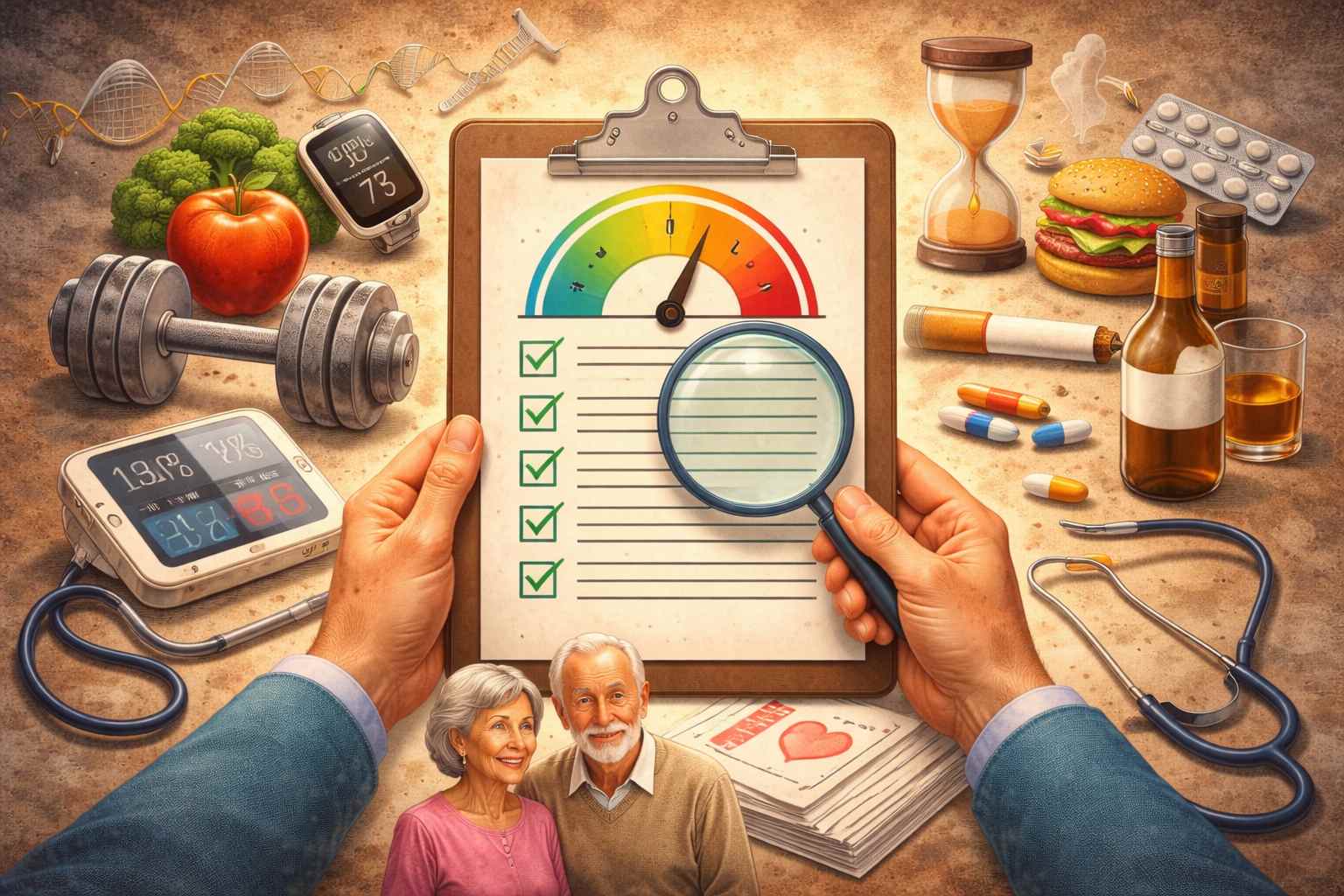
That said, it does not explain every case of early mortality. Smoking, physical inactivity, sleep deprivation, and poor cardiovascular fitness (measured by VO₂ max) are all independent contributors to shortened lifespan. Insulin resistance is best understood as a critical node in the risk network — one that, when addressed, tends to improve multiple downstream markers simultaneously. For a broader view of how these risks compare, see our article on the top risk factors for shortened lifespan.
How Insulin Resistance Drives Chronic Disease
The biological mechanisms are well-established. When cells become insulin resistant, the resulting hyperinsulinemia triggers several harmful cascades:
- Inflammation: Elevated insulin promotes the release of pro-inflammatory cytokines. This chronic low-grade inflammation accelerates arterial damage, impairs endothelial function, and contributes to cardiovascular disease.
- Visceral fat accumulation: High insulin levels promote fat storage, particularly around the abdomen and organs. Visceral fat is itself metabolically active and amplifies inflammation and insulin resistance further — creating a self-reinforcing loop. This connection is explored in more depth in our article on whether visceral fat is the biggest risk factor.
- Lipid dysregulation: Insulin resistance is closely associated with elevated triglycerides, low HDL cholesterol, and higher levels of small, dense LDL particles — all of which raise cardiovascular risk. ApoB, a key marker of atherogenic particle count, tends to worsen in insulin-resistant individuals.
- Glucose dysregulation: Over time, compensatory insulin production fails, and blood glucose rises. HbA1c — a measure of average blood sugar over roughly three months — is a useful early indicator of this progression.
- Cognitive and hormonal effects: Research suggests that insulin resistance in the brain may impair glucose metabolism in neurons, contributing to cognitive decline. It is also linked to hormonal disruption in both men and women.
Collectively, these mechanisms explain why insulin resistance shows up as a contributing factor across so many different disease categories. It is not one problem — it is a metabolic state that degrades multiple systems simultaneously.
What You Can Do About It
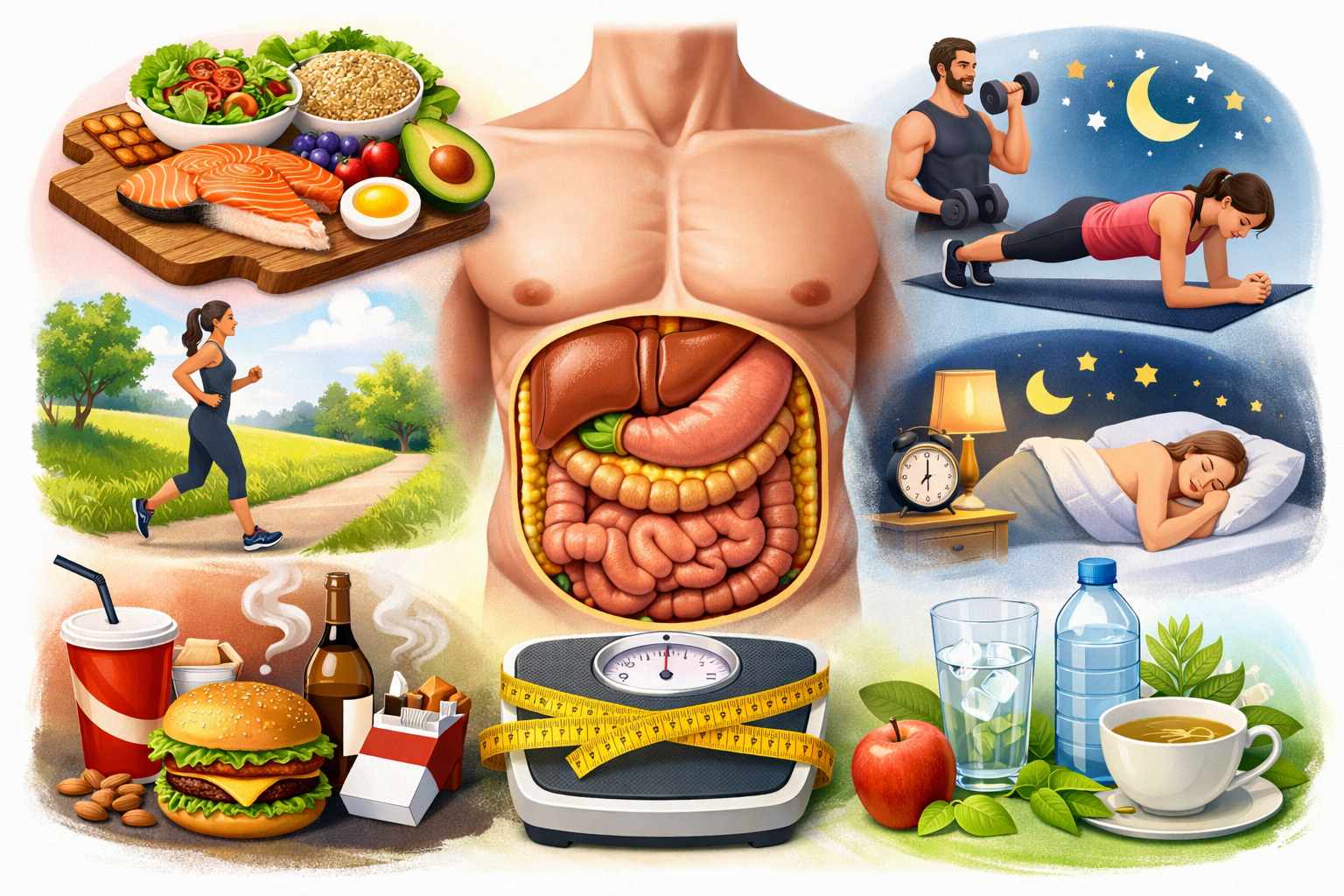
The evidence for reversing or significantly improving insulin resistance through lifestyle change is robust. The following approaches have the strongest support:
Diet: Reducing refined carbohydrates and added sugars lowers the glycaemic load and reduces insulin demand. Increasing dietary fibre, prioritising protein, and including healthy fats all support improved insulin sensitivity. There is no single optimal diet pattern, but consistently, diets that reduce ultra-processed food intake improve metabolic markers.
Exercise: Physical activity is one of the most potent tools for improving insulin sensitivity. Resistance training increases muscle mass, which improves glucose uptake. Aerobic exercise — particularly interval-based training — activates AMPK, a cellular energy sensor that enhances insulin signalling. Even regular walking after meals has measurable effects on post-meal blood sugar.
Sleep: A single night of poor sleep can measurably impair insulin sensitivity. Chronic sleep restriction is independently associated with worsening metabolic markers. Prioritising seven to nine hours of quality sleep is a non-negotiable component of metabolic health.
Stress management: Chronic psychological stress elevates cortisol, which raises blood glucose and promotes insulin resistance. In practice, stress management is often underweighted relative to diet and exercise, but it operates through real biological mechanisms.
In terms of monitoring progress, fasting insulin and HbA1c are among the most practical markers to track. Fasting glucose alone can miss early insulin resistance, since the pancreas may compensate successfully for years before glucose rises. Discussing the right panel with a clinician will depend on individual circumstances. Learn more in our complete guide to longevity.
What Current Research Says
There is strong scientific consensus that insulin resistance is a central driver of metabolic syndrome and its downstream consequences. Major institutions including the CDC, the National Institutes of Health, and the Harvard T.H. Chan School of Public Health identify insulin resistance as a primary target for chronic disease prevention.
Emerging research is extending this picture. Evidence from large longitudinal studies suggests that insulin resistance is associated not just with type 2 diabetes and cardiovascular disease, but also with Alzheimer’s disease risk — sometimes described in research literature as involving impaired brain insulin signalling. The relationship between insulin resistance and cancer risk is also an active area of investigation, with hyperinsulinemia proposed as a growth-promoting signal via IGF-1 pathways.
That said, much of this research remains associational. Establishing insulin resistance as a direct cause — rather than a co-occurring factor — in conditions like cognitive decline requires continued investigation. Human evidence in some of these areas is still developing, and certainty should not be overstated.
What is well-established is that reversing insulin resistance through lifestyle change improves multiple risk markers simultaneously — lipids, blood pressure, inflammatory markers, and body composition among them. This makes it one of the most efficient intervention targets available. For context on where it fits within a broader longevity risk assessment, see the Longevity Testing and Trade-Offs hub.
References and Resources
Authoritative Sources on Insulin Resistance and Longevity Risk
-
CDC — Insulin Resistance and Prediabetes
cdc.govAn accessible overview of insulin resistance, its risk factors, and its role in diabetes and cardiovascular disease.
-
Harvard T.H. Chan School of Public Health — Metabolic Syndrome
hsph.harvard.eduCovers the role of insulin resistance in metabolic syndrome, with evidence-based prevention strategies.
-
NIH — Insulin Resistance and Chronic Disease
nih.govA peer-reviewed review of the biological mechanisms linking insulin resistance to multiple chronic conditions.
-
Medical News Today — Insulin Resistance Explained
medicalnewstoday.comA clear, accessible summary of what insulin resistance is and how it affects overall health.
-
British Nutrition Foundation — Insulin Resistance
nutrition.org.ukPractical nutritional guidance for improving insulin sensitivity and metabolic health.
-
Medscape — Managing Insulin Resistance
medscape.comClinical expert perspectives on current approaches to detecting and managing insulin resistance.
-
Annals of Internal Medicine — Metabolic Syndrome and Insulin Resistance
annals.orgA detailed scientific review of the relationship between metabolic syndrome and insulin resistance.
-
WebMD — What Is Insulin Resistance?
webmd.comA user-friendly overview of insulin resistance, its symptoms, and practical steps to address it.

Frequently Asked Questions
Is insulin resistance really the root driver of chronic disease?
It is one of the most upstream and consequential metabolic risk factors identified in current research. Insulin resistance contributes to cardiovascular disease, type 2 diabetes, fatty liver disease, and cognitive decline — often through shared mechanisms involving inflammation, lipid dysregulation, and visceral fat accumulation. Addressing it tends to improve multiple risk markers simultaneously, which is why it is widely prioritised in preventive medicine.
How can I tell if I have insulin resistance?
Common indicators include elevated fasting blood glucose, high triglycerides, low HDL cholesterol, abdominal weight gain, and persistent fatigue. However, fasting glucose alone can appear normal in the early stages. Fasting insulin and HbA1c provide more sensitive early signals. A clinician can help interpret these markers in the context of your overall health picture.
Can lifestyle changes reverse insulin resistance?
Yes. Evidence consistently supports that reducing refined carbohydrate intake, increasing physical activity — particularly resistance training and aerobic exercise — improving sleep quality, and managing chronic stress can meaningfully improve insulin sensitivity. In many cases, these changes produce significant metabolic improvements within weeks to months.
Why does insulin resistance matter for longevity specifically?
Insulin resistance accelerates several biological processes associated with aging, including chronic inflammation, endothelial dysfunction, and impaired cellular energy metabolism. By worsening cardiovascular risk, promoting visceral fat, and disrupting hormonal balance, it contributes to both reduced lifespan and reduced healthspan — the years lived in good health.
Is insulin resistance preventable?
In most cases, yes. Maintaining a healthy body composition, staying physically active, eating a diet low in ultra-processed foods, and prioritising sleep are all strongly associated with lower insulin resistance risk. Early intervention — before HbA1c or fasting glucose rise significantly — offers the greatest opportunity to prevent progression.
Conclusion
Insulin resistance is not simply a precursor to diabetes — it is a metabolic state that degrades cardiovascular health, promotes inflammation, accelerates fat accumulation, and impairs multiple organ systems over time. For that reason, it sits near the top of most evidence-based longevity risk frameworks. Importantly, it is also one of the most responsive to intervention. Improving insulin sensitivity through diet, exercise, sleep, and stress management addresses several major risk factors at once — making it one of the most efficient places to focus for anyone serious about healthy aging. That said, insulin resistance is best understood as a critical piece of a larger risk picture, not the single answer to longevity. Addressing it alongside other key factors — including cardiovascular fitness, sleep, and body composition — gives the most complete foundation for a longer, healthier life.
Find out more information about insulin resistance and longevity risk
Search for more resources and information: