Does Sleep Improve Immune Memory? (2026)
Does Sleep Improve Immune Memory?
TL;DR: Yes — sleep plays a direct and well-documented role in immune memory consolidation. During sleep, the immune system processes information from prior pathogen encounters, strengthens antibody responses, and builds the cellular memory needed to respond faster to future threats.
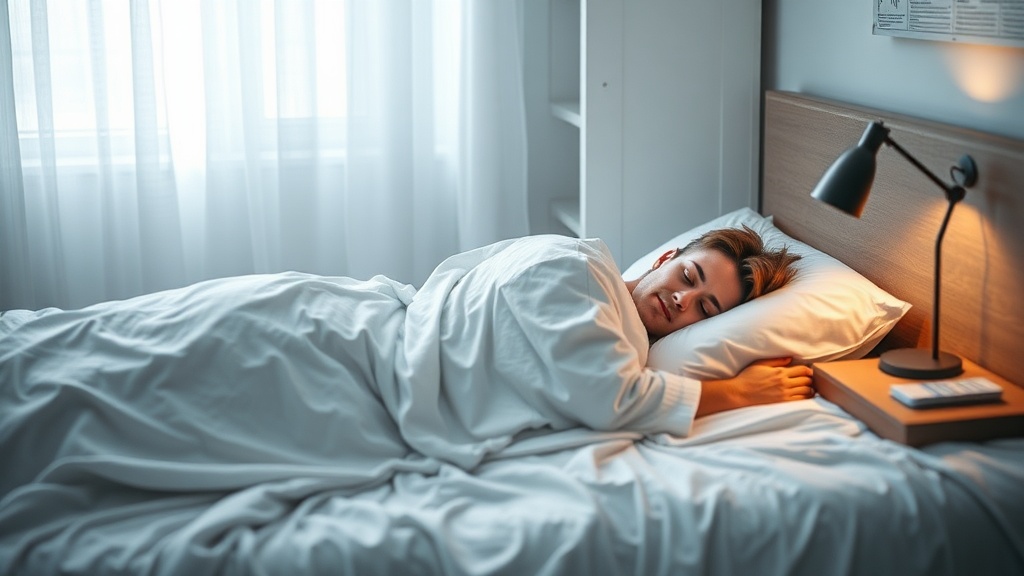
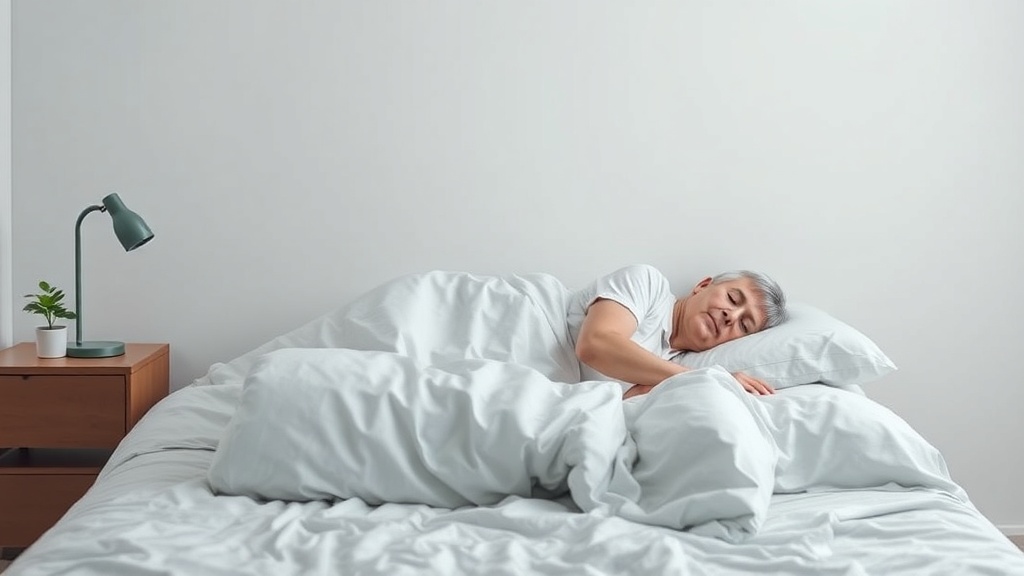
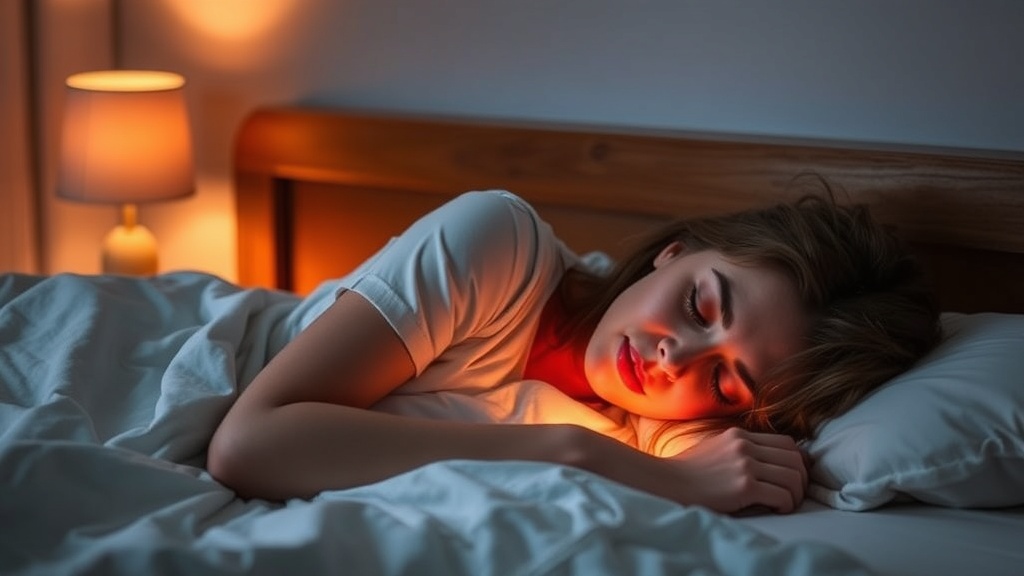
Sleep does improve immune memory. This is not simply an association — research has identified specific biological mechanisms by which sleep actively supports the formation and maintenance of immune memory. During sleep, the immune system consolidates responses to previously encountered pathogens in much the same way the brain consolidates learning and memory. Disrupting this process — through poor sleep quality, short sleep duration, or irregular sleep timing — measurably impairs immune function.
This article focuses specifically on the relationship between sleep and immune memory: how it works, what the evidence supports, and what it means in practice. For a broader look at how immune function changes with age, see our hub on immune aging and chronic inflammation.
How Sleep Supports Immune Memory Formation
The Biological Basis
Sleep is an active physiological state, not a passive pause. During deep non-REM sleep in particular, the body increases production of cytokines — signalling proteins that regulate immune activity. Several of these, including interleukin-1 (IL-1) and tumour necrosis factor (TNF), are directly involved in promoting sleep depth and in supporting immune processes that occur during it.
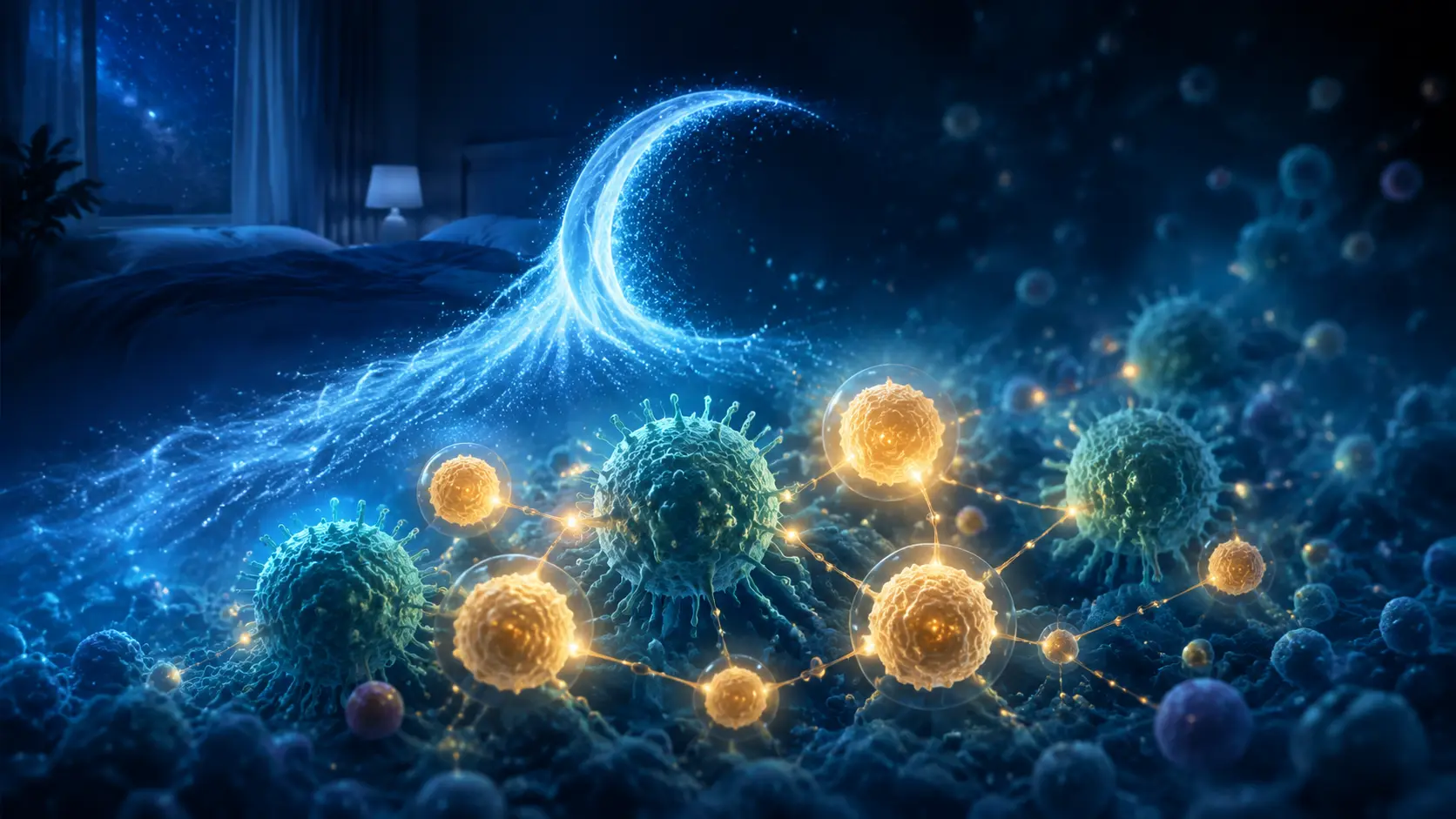
Importantly, this is also when T-cells and B-cells involved in prior immune responses migrate to lymph nodes and interact with antigen-presenting cells. This interaction is part of how the immune system encodes memory — essentially “filing” information about a pathogen so it can mount a faster, more targeted response to future exposure. Evidence suggests that this consolidation process is most efficient during slow-wave sleep, making sleep quality as important as sleep duration.
The Role of Restorative Sleep After Infection or Vaccination
The immune memory benefit of sleep is particularly relevant following vaccination. Research indicates that people who sleep well in the days around vaccination develop stronger and more durable antibody responses compared to those who are sleep-deprived. This suggests that sleep is not simply beneficial for general immune readiness — it actively enhances the formation of antigen-specific immune memory.
In contrast, sleep deprivation reduces the output of T-cells and impairs antibody production. As a result, the immune system’s ability to remember a pathogen — and to act on that memory quickly — is compromised. This has real implications for vaccine effectiveness and for recovery from infection. For related context on how gut health interacts with immune function, see our article on whether gut dysbiosis impairs immunity.
What the Evidence Shows
Sleep Duration and Immune Response
Several well-designed studies have examined the relationship between sleep and immune outcomes. Research published in leading immunology journals has shown that individuals sleeping fewer than six hours per night exhibit significantly reduced antibody responses following vaccination — a measurable indicator of impaired immune memory. Separately, studies using controlled sleep restriction protocols have demonstrated that even short-term sleep loss reduces natural killer (NK) cell activity and alters cytokine profiles in ways that weaken immune surveillance.
These findings are consistent across different populations and methodologies, which strengthens confidence in the relationship. That said, most mechanistic research has been conducted in healthy young adults, and the picture in older adults — where immune memory is already impaired by immunosenescence — is less fully characterised. Learn more in our complete guide to longevity.
Sleep Quality Matters, Not Just Duration
Duration alone does not capture the full picture. Fragmented or poor-quality sleep — even at adequate total hours — disrupts the deep sleep stages during which immune memory consolidation is most active. Evidence indicates that continuity of sleep, particularly uninterrupted slow-wave sleep, is critical for the immune system to carry out its memory-forming functions effectively.
This is relevant in practical terms: conditions that fragment sleep, such as sleep apnoea, chronic stress, or irregular sleep timing driven by circadian disruption, may impair immune memory even in people who believe they are sleeping enough. Circadian rhythm regulation, in particular, appears to coordinate the timing of immune cell activity — meaning that sleeping at biologically consistent times may matter as well as how long and how deeply one sleeps.
Limitations and Uncertainty
The overall direction of evidence is clear, but some nuance is warranted. Most intervention studies are relatively short-term, making it harder to draw firm conclusions about cumulative effects on immune aging over years or decades. Additionally, the relationship between sleep and immune memory likely interacts with other factors — nutrition, stress, physical activity, and underlying health conditions — rather than operating in isolation. Current evidence supports sleep as an important variable in immune function, but it is one part of a broader picture.
Practical Steps to Support Sleep and Immune Memory
Sleep Environment
A cool, dark, and quiet bedroom reduces sleep fragmentation and promotes deeper slow-wave sleep. These environmental conditions are consistently associated with better sleep quality in the research literature. Blackout curtains, noise management, and maintaining a room temperature around 17–19°C are straightforward, evidence-aligned adjustments.
Behavioural Habits
Consistent sleep and wake times help regulate the circadian rhythm, which in turn supports the timing of immune activity during sleep. Limiting exposure to bright light — particularly blue-spectrum light from screens — in the hour before bed reduces melatonin suppression and makes it easier to initiate sleep. Avoiding caffeine in the afternoon and evening, and limiting alcohol, both support better sleep architecture. Relaxation practices such as slow breathing or progressive muscle relaxation can reduce pre-sleep cortisol, which otherwise suppresses immune activity.
These are not exotic interventions. However, they are meaningfully supported by evidence, and their cumulative effect on sleep quality — and therefore on immune memory — should not be underestimated. For those interested in how exercise fits alongside sleep as a lever for immune health, our article on whether exercise improves immune surveillance covers that relationship in detail.
References and Resources
Authoritative Sources on Sleep and Immune Memory
-
NIH – Sleep and Immune Function
nih.govExplains how sleep influences immune responses and memory, emphasising the importance of sleep for immune health.
-
Sleep Foundation – Why Do We Need Sleep?
sleepfoundation.orgProvides comprehensive insights into sleep stages and their connection to immune health and memory consolidation.
-
Medical News Today – Sleep and Immunity
medicalnewstoday.comSummarises recent research on how sleep impacts immune function, including immune memory formation.
-
CDC – How Sleep Works
cdc.govOfficial overview of sleep processes and their health benefits, including immune system support.
-
Nature Immunology – Sleep and Immune Memory
nature.comResearch article discussing molecular mechanisms by which sleep influences immune memory.
-
JAMA – Sleep Deprivation and Immune Response
jamanetwork.comClinical study on how lack of sleep impairs immune functions, including immune memory development.

-
Healthline – Sleep and the Immune System
healthline.comA clear overview connecting sleep habits with immune health and memory.
Frequently Asked Questions
Does sleep deprivation affect immune memory?
Yes. Sleep deprivation reduces the production of antibodies and T-cells that are central to immune memory formation. Research consistently shows that restricted sleep impairs the immune system’s ability to encode and retain information about prior infections or vaccinations, leaving the body less prepared for future encounters with the same pathogen.
Can improving sleep habits enhance immune memory?
Evidence suggests yes. Consistent sleep timing, adequate sleep duration, and good sleep quality all support the biological processes involved in immune memory consolidation. While sleep alone does not guarantee strong immunity, it is one of the most accessible and evidence-supported levers available for maintaining immune function.
Is there a link between sleep quality and vaccine effectiveness?
Research indicates there is. Studies have shown that people who sleep well in the days surrounding vaccination develop stronger and more durable antibody responses than those who are sleep-deprived. This is a concrete example of how sleep quality affects the immune system’s ability to form lasting memory from an immune challenge.
What are the best ways to support immune memory through sleep?
Maintaining a regular sleep schedule, avoiding bright light before bed, keeping the bedroom cool and dark, and limiting caffeine and alcohol in the evening are all well-supported behavioural strategies. These steps promote deeper, more continuous sleep — which is when the immune memory consolidation processes are most active.
Conclusion
Sleep plays a direct and biologically grounded role in immune memory. During deep sleep, the immune system consolidates responses to prior pathogens, strengthens antibody production, and builds the cellular memory needed to respond effectively to future threats. This process depends on both the duration and the quality of sleep — fragmented or insufficient sleep disrupts it in measurable ways.
The evidence linking sleep to immune memory is among the stronger bodies of research in this area. In practice, this means that consistent, good-quality sleep is not simply beneficial for general wellbeing — it is a functional requirement for a well-regulated immune system. For those interested in the broader picture of how immune function changes with age, and what else can be done to support it, our hub on immune aging and chronic inflammation provides a comprehensive starting point.
Find out more information about sleep and immune memory
Search for more resources and information: