Does Hrt Increase Cancer Risk?
Does HRT Increase Cancer Risk?
TL;DR: HRT can modestly increase the risk of certain cancers — particularly breast cancer with combined estrogen-progestin therapy — but the degree of risk depends on hormone type, dose, duration, and individual health history. For most women with troublesome menopausal symptoms and no high-risk personal history, short-term HRT under medical supervision is considered acceptable, with benefits often outweighing risks.
HRT does carry a measurable cancer risk for some women, but it is not uniform. The risk varies significantly depending on which hormones are used, how long therapy continues, and each person’s underlying health profile. Understanding these distinctions is more useful than a blanket yes or no answer.
What HRT Is and Why It Is Used
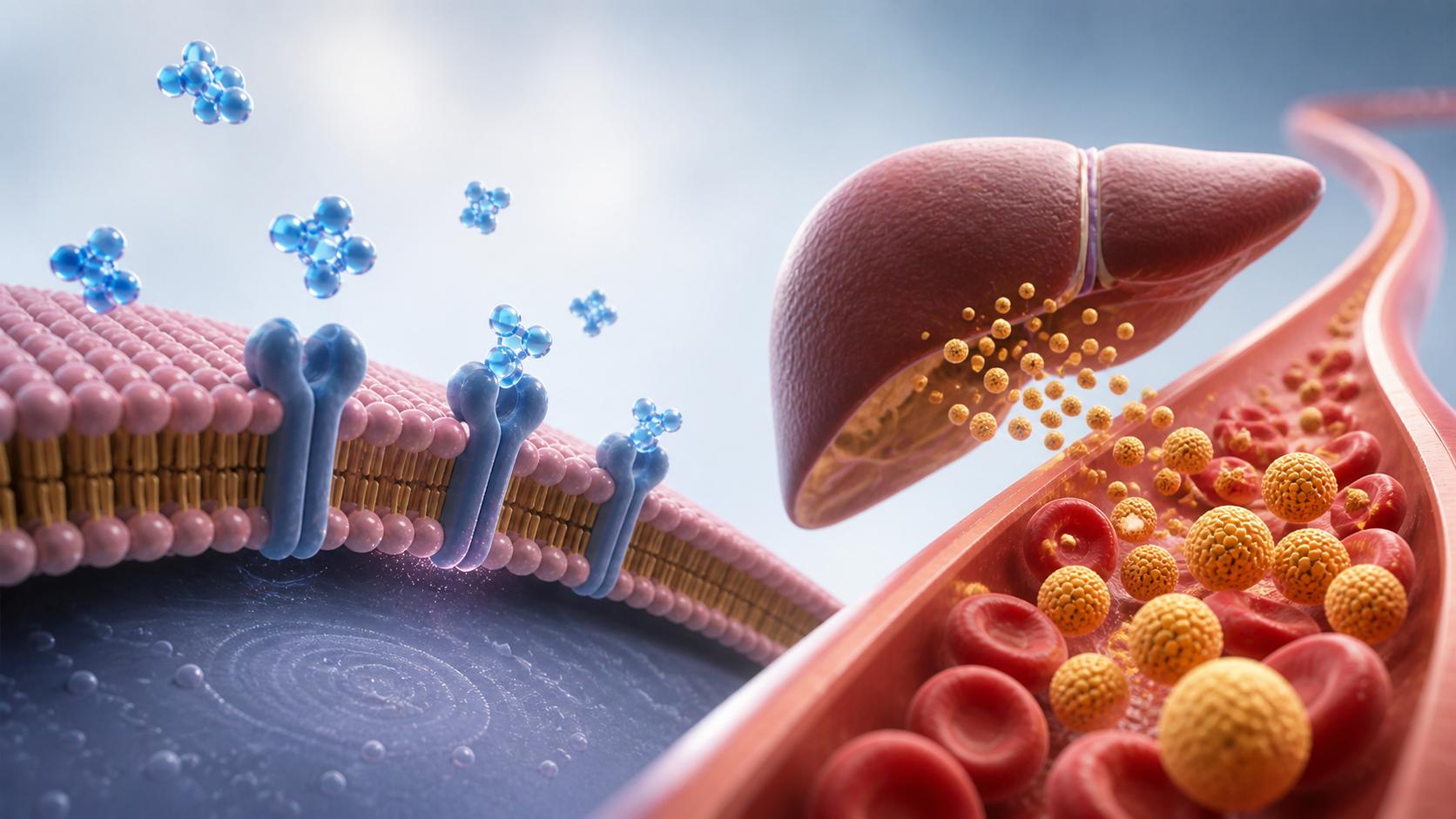
Hormone replacement therapy supplements hormones — primarily estrogen, and often progesterone or synthetic progestin — that decline during and after menopause. It is primarily prescribed to manage menopausal symptoms including hot flushes, night sweats, sleep disruption, and mood changes. In some cases, it also helps protect against bone loss.
HRT comes in several formulations. Women who have had a hysterectomy typically receive estrogen alone. Women with an intact uterus receive combined estrogen-progestin therapy, because unopposed estrogen increases the risk of endometrial cancer. This distinction matters considerably when evaluating cancer risk, as the two formulations carry different risk profiles.
In the context of longevity and healthy ageing, HRT sits in a specific category: it is prescribed primarily to address hormone deficiency and relieve symptoms, rather than as a direct anti-ageing intervention. That said, its effects on cardiovascular health, bone density, and metabolic function are relevant to long-term health outcomes. For a broader perspective on how hormones and drugs fit into longevity planning, see our overview of longevity drugs: what is promising and what is premature.
What the Evidence Says About HRT and Cancer
Breast Cancer
The most significant and well-documented cancer risk associated with HRT is breast cancer. The Women’s Health Initiative (WHI) trial, one of the largest randomised studies on HRT, found that combined estrogen-progestin therapy was associated with a modest increase in breast cancer risk, particularly with longer duration of use. Importantly, this risk appeared to diminish after stopping therapy.
In contrast, estrogen-only therapy in women who had undergone hysterectomy did not show the same increased breast cancer risk in the WHI data — and in some analyses actually appeared associated with a reduced risk. However, this finding remains the subject of ongoing research and should not be overgeneralised.
Overall, current evidence suggests that the absolute increase in breast cancer risk from combined HRT is relatively small for short-term use but becomes more meaningful with duration exceeding five years. The type of progestogen used also appears to matter: evidence from observational studies suggests that micronised progesterone may carry a lower breast cancer risk than synthetic progestins, though large randomised trials specifically comparing these formulations are limited.
Endometrial Cancer
Unopposed estrogen — that is, estrogen taken without progestogen in women who still have a uterus — significantly increases the risk of endometrial (uterine) cancer. This is well established and is precisely why combined therapy is standard practice for women with an intact uterus. When progestogen is added appropriately, this risk is effectively managed.
Ovarian Cancer
Evidence from large observational studies and meta-analyses suggests a small increase in ovarian cancer risk with both estrogen-only and combined HRT. The absolute risk increase appears modest, but it is a consideration in women with elevated baseline risk.
Colorectal Cancer
Notably, combined HRT appears to be associated with a reduced risk of colorectal cancer, based on WHI data and other studies. This does not eliminate the other risk considerations, but it adds nuance to the overall risk-benefit picture.
How Hormones Influence Cancer Risk
The biological mechanism behind HRT’s cancer risk centres largely on hormone-driven cell proliferation. Estrogen promotes the growth of breast and endometrial tissue by binding to estrogen receptors, which stimulate cell division. Over time, increased cell turnover raises the probability of DNA replication errors that could contribute to cancer development.
Progestogen is added partly to counteract estrogen’s proliferative effect on the endometrium. However, certain synthetic progestins may independently stimulate breast tissue, which is thought to contribute to the breast cancer signal seen with combined therapy. This is one reason why the form of progestogen used is increasingly considered relevant in clinical decision-making.
It is worth noting that these mechanisms primarily describe increased risk in hormone-sensitive tissues. Not all cancers are hormone-sensitive, and HRT does not appear to increase risk across all cancer types.
For those interested in how hormonal interventions compare to other approaches in longevity medicine, the article on whether testosterone replacement is safe long-term covers similar risk-benefit considerations in a related context. Learn more in our complete guide to longevity.
How to Minimise Risk When Using HRT
Practical Risk-Reduction Strategies
For women who need HRT, several evidence-informed strategies help reduce cancer risk without necessarily forgoing treatment:
- Use the lowest effective dose for symptom control, rather than a standard fixed dose regardless of response.
- Limit duration where possible. Short-term use — typically under five years — carries a lower absolute risk than long-term use, though some women with significant symptoms may require longer therapy under regular review.
- Choose hormone type carefully. Women with a uterus should always use combined therapy. Evidence increasingly supports micronised progesterone over synthetic progestins where clinically appropriate, though this should be discussed with a prescribing clinician.
- Maintain regular screening. Mammography, cervical screening, and other appropriate checks remain important for women on HRT, particularly those with a family history of hormone-sensitive cancers.
- Address lifestyle factors. Maintaining a healthy weight, exercising regularly, limiting alcohol, and avoiding smoking independently reduce cancer risk and complement any HRT plan.
The Importance of Individual Risk Assessment
HRT is not appropriate as a blanket recommendation, and it is also not appropriate as a blanket refusal. The correct approach depends on a woman’s symptom burden, personal and family history of cancer and cardiovascular disease, bone density, and quality of life. A clinician with expertise in menopause medicine is best placed to weigh these factors.
Women with a personal history of hormone-receptor-positive breast cancer are generally advised to avoid HRT. For those without elevated baseline risk, the risk-benefit balance is often favourable for short-term symptom management, particularly when symptoms are significantly affecting wellbeing. For a related discussion of how HRT fits into broader hormonal ageing interventions, see the article on whether HRT extends lifespan.
References and Resources
Authoritative Sources on HRT and Cancer Risk
-
National Cancer Institute — Hormone Therapy and Cancer Risk
cancer.govComprehensive overview of how hormone therapy influences the risk of breast, ovarian, and other cancers, based on clinical research.
-
WHO Fact Sheet on Hormone Replacement Therapy
who.intThe World Health Organization’s summary of HRT benefits and risks, including global epidemiological data on cancer associations.
-
Mayo Clinic — Hormone Therapy Risks and Benefits
mayoclinic.orgA clinically grounded overview of HRT safety, covering cancer risk, cardiovascular effects, and the importance of personalised treatment.
-
American College of Obstetricians and Gynecologists
acog.orgProfessional clinical guidelines on HRT use, including updated safety protocols and cancer risk considerations.
-
American Cancer Society — Hormone Therapy and Cancer
cancer.orgDetailed information on the relationship between hormone therapy and cancer development, including risk factors and preventive guidance.
-
WebMD — HRT Overview and Risks
webmd.comAn accessible summary of HRT types, benefits, and potential risks including cancer associations.
-
PubMed — Clinical Research on HRT and Cancer
nih.govAccess to peer-reviewed research on the biological mechanisms and epidemiological data linking HRT to cancer risk across multiple tissue types.

Frequently Asked Questions
Does HRT increase cancer risk for all women?
No. HRT does not carry identical risk for every woman. The degree of risk depends on hormone type, duration of use, dose, and individual factors such as personal and family history of hormone-sensitive cancers. Women with higher baseline risk require more careful consideration before starting therapy.
Can the cancer risk from HRT be reduced?
Yes. Using the lowest effective dose, limiting therapy duration, selecting appropriate hormone formulations, maintaining regular cancer screening, and supporting overall health through lifestyle all help reduce risk. Medical supervision is essential throughout.
Is there a safe way to use HRT without increasing cancer risk?
No approach eliminates cancer risk entirely, but risk can be meaningfully reduced. Short-term use under close medical supervision, with appropriate hormone selection and regular monitoring, represents the most evidence-supported approach to minimising harm while managing symptoms.
Does HRT increase the risk of breast cancer?
Combined estrogen-progestin therapy is associated with a modest increase in breast cancer risk, particularly with long-term use beyond five years. Estrogen-only therapy in women without a uterus does not appear to carry the same risk and may even be associated with a small reduction in some analyses. The type of progestogen used also influences this risk.
Does HRT affect all cancer types equally?
No. HRT is primarily associated with changes in risk for hormone-sensitive cancers, particularly breast, endometrial, and ovarian cancers. Interestingly, combined HRT appears to be associated with a reduced risk of colorectal cancer. The overall picture is nuanced and depends heavily on individual circumstances and the specific hormones used.
Conclusion
HRT does carry a real but context-dependent cancer risk. The evidence is clearest for breast cancer with combined estrogen-progestin therapy, particularly with prolonged use. However, this risk is not fixed — it is shaped by hormone type, dose, duration, and individual health history. For many women with significant menopausal symptoms and no elevated cancer risk, short-term HRT under medical supervision remains a reasonable and well-supported option.
The key principle is proportionality: the decision to use HRT should weigh symptom burden and quality of life against personal risk profile, not rely on either blanket reassurance or blanket avoidance. Regular screening, the lowest effective dose, and ongoing clinical review remain the pillars of safe HRT use. As with all hormonal interventions in the context of healthy ageing, the goal is informed, supervised, and individually tailored decision-making.
Find out more information about HRT and cancer risk
Search for more resources and information: