How Does Gut Motility Change With Age?
TL;DR: Gut motility does slow with age due to changes in smooth muscle function and gut nerve signalling, but the degree varies considerably between individuals. Diet, physical activity, and medication management can meaningfully support digestive function in older adults.
Understanding Gut Motility and Aging
What Is Gut Motility and Why Does It Matter?
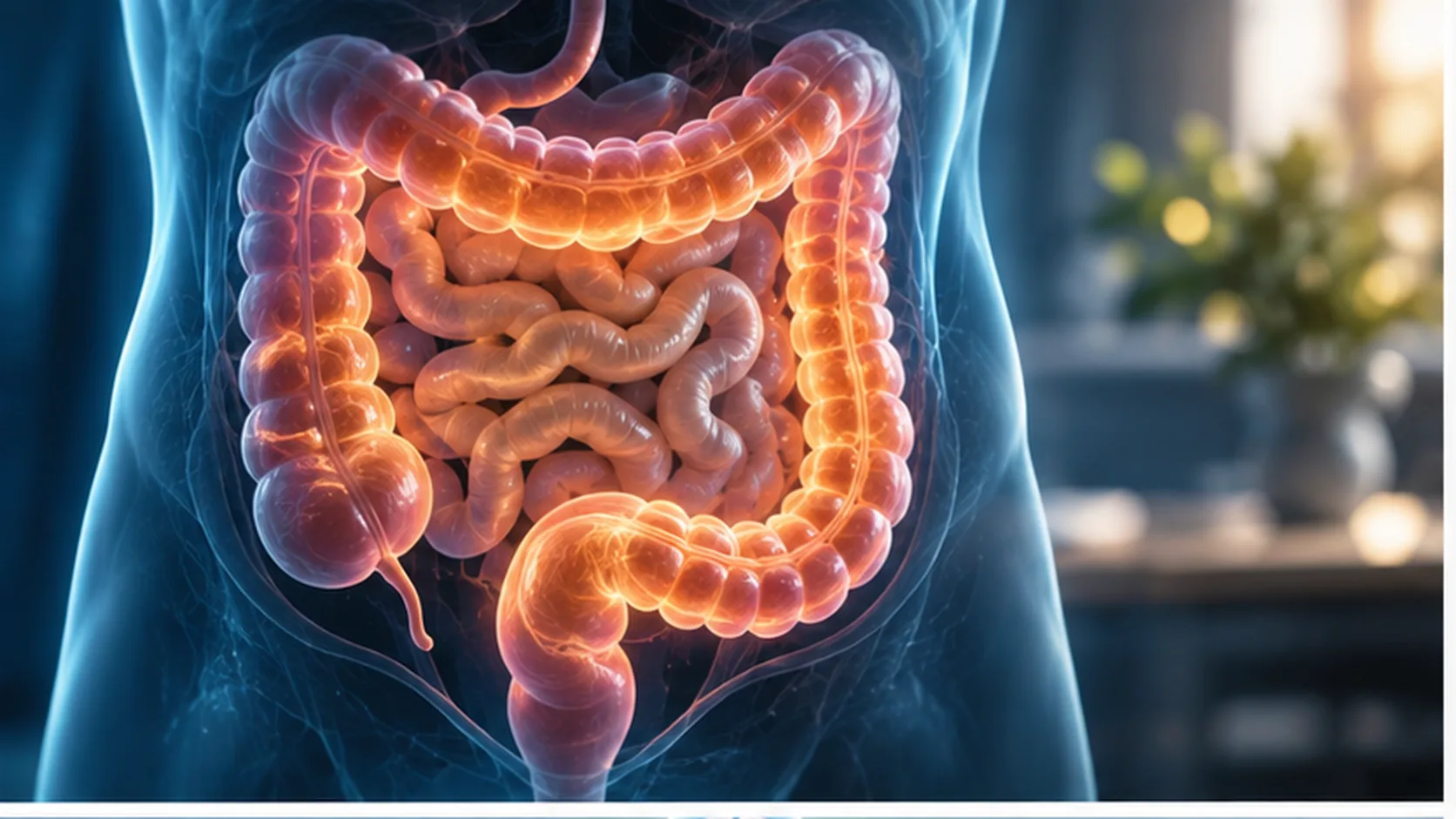
Gut motility refers to the coordinated muscular contractions of the gastrointestinal (GI) tract that move food, fluid, and waste from the stomach through to the colon. These movements — including peristalsis in the small intestine and segmental contractions in the large intestine — are essential for digestion, nutrient absorption, and regular bowel function. When motility slows, symptoms such as bloating, constipation, and discomfort can follow.
Research indicates that gut motility does change with age, though not uniformly across all individuals or all sections of the GI tract. Some slowing is a normal, gradual part of aging. In contrast, clinically significant impairment — such as chronic constipation that disrupts daily life or raises inflammatory markers — represents a different category that may warrant medical attention. It is important not to conflate normal age-related slowing with pathological dysfunction.
For broader context on how different organ systems decline with age, see our guide to organ-specific aging.
What Generally Changes With Age
Current evidence suggests that aging is associated with several changes to GI function. Smooth muscle in the gut wall can become less responsive over time, reducing the strength and coordination of contractions. Nerve signalling within the enteric nervous system — the network of neurons embedded in the gut wall — may also decline, leading to less efficient propulsion of gut contents.
As a result, gastric emptying can slow, transit time through the colon tends to increase, and the sensation of urgency or fullness may become less reliable. These changes are generally gradual and are not, on their own, a cause for alarm. However, they can compound the effects of poor diet, low physical activity, or certain medications, particularly in older adults.
Physiological Changes Behind Slower Gut Transit
Smooth Muscle and Nerve Function
The GI tract relies on smooth muscle contractions coordinated by the enteric nervous system and regulated by signals from the autonomic nervous system. Evidence suggests that both systems show age-related changes. Smooth muscle cells may lose elasticity and contractile strength, while the density of enteric neurons — particularly those producing key neurotransmitters like acetylcholine — appears to decline with age in some studies.
This combination can reduce the efficiency of peristalsis, the wave-like motion that propels gut contents forward. In the colon specifically, slower contractions contribute to longer transit times, which is a primary driver of age-associated constipation.
The Role of Medications and Health Conditions
Many medications commonly used by older adults can further impair gut motility. Opioid analgesics, anticholinergic drugs, calcium channel blockers, and some antidepressants are well-established causes of slowed GI transit. In practice, medication review is often one of the most actionable steps in managing constipation in older adults.
Chronic health conditions also matter. Diabetes can impair autonomic nerve function, leading to gastroparesis — delayed gastric emptying — and slowed colonic transit. Parkinson’s disease, hypothyroidism, and other neurological or metabolic conditions similarly affect GI motility. In these cases, treating the underlying condition is central to improving digestive function.
It is worth noting that these medication- and disease-related effects are distinct from the gradual, background slowing that occurs even in healthy older adults with no chronic conditions.
How Aging Affects Digestive Processes
Slower Transit and Its Practical Consequences
Longer colonic transit time means gut contents remain in the colon for longer, allowing more water to be reabsorbed. This can result in harder, drier stools and less frequent bowel movements. For most older adults, this manifests as mild changes in bowel habit rather than a significant clinical problem.
However, in some individuals, chronic constipation does become clinically meaningful. Evidence suggests that persistent constipation — particularly when associated with straining, incomplete evacuation, or long-term laxative use — may be linked to increased low-grade systemic inflammation. This is explored in more detail in our article on whether chronic constipation increases inflammation.
Changes in Enzyme Production and Nutrient Absorption
Aging can also affect the secretion of digestive enzymes from the stomach, pancreas, and small intestine. Gastric acid production may decline, which can reduce the activation of certain enzymes and impair the absorption of nutrients such as vitamin B12, calcium, and iron. These changes are generally modest in healthy older adults but can become more significant in the context of poor diet or medications like proton pump inhibitors.
Importantly, these enzyme-related changes are separate from gut motility itself, though both contribute to the broader picture of how digestion shifts with age. For more on related organ changes, see our article on how pancreatic function changes with age.
Practical Strategies for Maintaining Healthy Gut Motility
Diet and Lifestyle
Dietary fibre is one of the most consistently supported interventions for maintaining gut transit in older adults. Soluble fibre — found in oats, legumes, and fruit — adds bulk and retains water in stool, while insoluble fibre — found in wholegrains and vegetables — stimulates colonic contractions. Current evidence supports aiming for adequate fibre intake alongside sufficient fluid consumption, as fibre is most effective when combined with hydration.
Physical activity also plays a meaningful role. Regular moderate exercise — including walking, swimming, or cycling — is associated with faster colonic transit time and reduced constipation risk. The mechanism likely involves both direct mechanical stimulation of the gut and broader effects on autonomic nervous system function. Even modest daily activity appears to help.
A diet that limits ultra-processed foods and supports a diverse gut microbiome may also contribute to better motility over time, though the evidence here is still developing. Learn more in our complete guide to longevity.
Medical Options When Lifestyle Is Not Enough
When dietary and lifestyle measures are insufficient, there are established clinical options. Osmotic laxatives such as polyethylene glycol are generally well-tolerated and appropriate for longer-term use in older adults. Prokinetic medications can support gastric emptying in specific conditions such as gastroparesis. Probiotics show some promise for supporting gut motility and microbiome balance, though evidence in older adults remains mixed and does not yet support universal recommendations.
Any persistent change in bowel habit — particularly involving blood, unexplained weight loss, or a sudden change after the age of 50 — should be assessed by a clinician to rule out pathological causes rather than attributed to normal aging alone.
References and Resources
Authoritative Sources on Gut Motility and Aging
-
National Institute of Diabetes and Digestive and Kidney Diseases (NIDDK)
niddk.nih.govComprehensive information on digestive diseases, including age-related changes in gut function and practical guidance on maintaining digestive health.
-
Mayo Clinic on Constipation and Aging
mayoclinic.orgClinical overview of constipation causes, risk factors in older adults, and evidence-based management strategies.
-
Research on Aging and Gastrointestinal Motility – NIH
ncbi.nlm.nih.govPeer-reviewed research reviewing the physiological mechanisms behind age-related changes in GI motility and nerve function.
-
WebMD on Constipation in Older Adults
webmd.comPractical guidance on managing constipation and supporting gut motility in aging individuals, including medication considerations.
-
Healthline on Aging and Gut Health
healthline.comAccessible overview of how aging affects digestive function, with lifestyle-focused recommendations for supporting gut health.

-
Medical News Today on Digestive Aging
medicalnewstoday.comReviews scientific findings on how the digestive system changes with age and discusses practical interventions to support function.
Frequently Asked Questions
Does gut motility naturally slow down with age?
Yes, research indicates that gut motility generally slows with age due to changes in smooth muscle function and enteric nerve signalling. However, the degree of slowing varies considerably between individuals and is influenced by diet, activity level, medications, and overall health.
Can lifestyle changes genuinely support gut motility in older adults?
Yes. Adequate dietary fibre, regular physical activity, and good hydration are among the most well-supported approaches to maintaining gut transit with age. These measures will not reverse underlying physiological changes, but they can meaningfully offset their practical effects.
How do medications affect gut motility in older adults?
Several commonly used medications — including opioids, anticholinergics, and some antidepressants — can significantly slow GI transit. If digestive symptoms coincide with starting a new medication, a medication review with a healthcare provider is a useful first step.
Is slower gut motility with age the same as a digestive disorder?
Not necessarily. Mild slowing of gut transit is a normal part of aging and does not in itself constitute a disorder. Clinically significant constipation — affecting quality of life, causing pain, or associated with other symptoms — is a separate issue that warrants medical assessment.
Conclusion
Gut motility does change with age. Gradual slowing of GI transit is driven primarily by changes in smooth muscle responsiveness and enteric nerve function, and it is a normal, expected part of aging for many people. That said, the extent of change varies widely, and meaningful modification is possible through diet, physical activity, and medication management.
Distinguishing normal age-related slowing from clinically significant constipation matters. The former is manageable with lifestyle measures; the latter may require medical evaluation. In either case, understanding the mechanisms involved helps support more informed, practical decisions about digestive health in later life.
Find out more information about gut motility and aging
Search for more resources and information: