Can Golf Improve Cognitive Longevity?
Introduction
Golf can support cognitive longevity, not because it is magic, but because it combines walking, strategy, focus, social interaction, and skill learning in one activity. Evidence indicates that physically active, socially engaged, mentally challenging activities may help preserve brain function with age, and golf fits that profile well.
TL;DR: Golf may help cognitive longevity because it blends exercise, decision-making, concentration, and social connection. It is best viewed as one useful part of a broader brain-health strategy that also includes sleep, nutrition, cardiovascular health, and regular exercise.
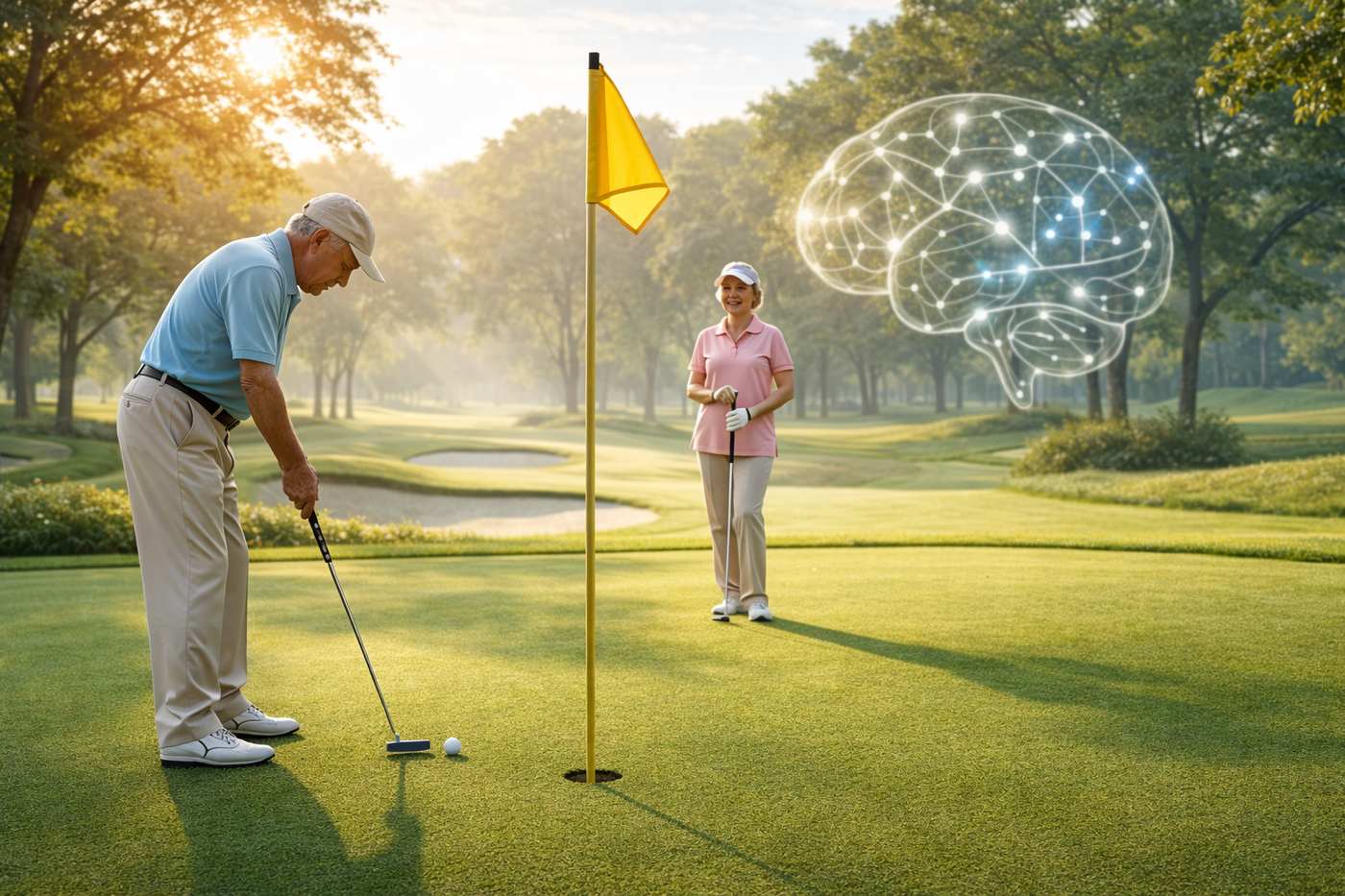
Golf is especially interesting for healthy aging because it challenges both body and brain. A round requires attention, shot planning, visual-spatial judgment, emotional control, memory, and movement. That combination may help support neuroplasticity, stress regulation, and long-term brain health.
It also has practical advantages. Many older adults can continue golfing for years, which makes it a sustainable healthspan activity rather than a short-term fitness trend. Learn more in our complete guide to longevity.
Understanding Cognitive Longevity and Golf
What Is Cognitive Longevity and Why Does It Matter?
Cognitive longevity means preserving mental clarity, memory, processing speed, and decision-making ability as the years pass. It is a core part of healthy aging because it affects independence, quality of life, and the ability to stay socially and physically engaged.
Research suggests that the brain responds well to activities that combine movement, learning, and social interaction. Golf may be relevant here because it requires repeated attention, pattern recognition, planning, and adaptability rather than passive participation. In that sense, Golf Improve Cognitive Longevity is a useful question because golf is more mentally active than it first appears.
Why Golf Is Unique in Promoting Brain Health
Golf stands out because it combines moderate physical activity with continuous mental engagement. Players must judge distance, read terrain, choose strategy, regulate emotions, and adapt to changing conditions such as wind, lie, and course design.
This ongoing cognitive load may help keep brain networks active. Golf also encourages routine, time outdoors, and social contact, all of which can support mood, stress resilience, and long-term health. These wider lifestyle effects may be part of why golf is often associated with better healthy aging outcomes.
How Golf Can Contribute to Cognitive Health
The Mental Challenges of Golf and Brain Engagement
Every round of golf involves real-time problem solving. Players weigh risk and reward, remember previous mistakes, adjust technique, and respond to variable conditions. This repeated cycle of attention and decision-making may help maintain executive function over time.
Golf also trains concentration. A single shot demands focus, but a full round demands sustained mental control across several hours. That type of attention training may be useful for older adults looking to stay mentally sharp, especially when combined with movement and outdoor activity.
The Social Aspect and Its Impact on Brain Health
The social side of golf may be just as important as the technical side. Regular conversation, shared routines, light competition, and community involvement can all support emotional well-being. Social engagement is consistently linked with better cognitive outcomes and lower risk of isolation, depression, and decline.
Golf can therefore support brain health through more than one pathway. It is not only about swinging a club. It is also about maintaining relationships, communication, and a sense of purpose, all of which matter for cognitive longevity.
Walking, Stress Regulation, and Brain Support
Walking the course adds another layer of benefit. Physical activity supports blood flow, cardiometabolic health, and brain function. While golf is not always high intensity, regular walking over time can still contribute meaningfully to overall activity levels.
Golf may also help with stress regulation when played in a balanced way. Time outdoors, rhythmic movement, and absorbed attention can reduce mental fatigue. Chronic stress is linked with poorer sleep, higher inflammation, and worse cognitive outcomes, so activities that help manage stress may support long-term brain health.
Scientific Evidence Supporting Golf Improve Cognitive Longevity
Research Linking Golf and Cognitive Function
Evidence directly focused on golf and cognition is still limited compared with broader research on exercise and brain health. However, research suggests that physical activity, especially when combined with coordination, learning, and social interaction, is associated with better cognitive aging.
Golf matches many of those features. It involves walking, skilled motor control, visual-spatial processing, planning, and social contact. Because of that, it is reasonable to view golf as a plausible brain-supportive activity, even if it should not be treated as a guaranteed protection against dementia or cognitive decline.
Neuroplasticity and Golf
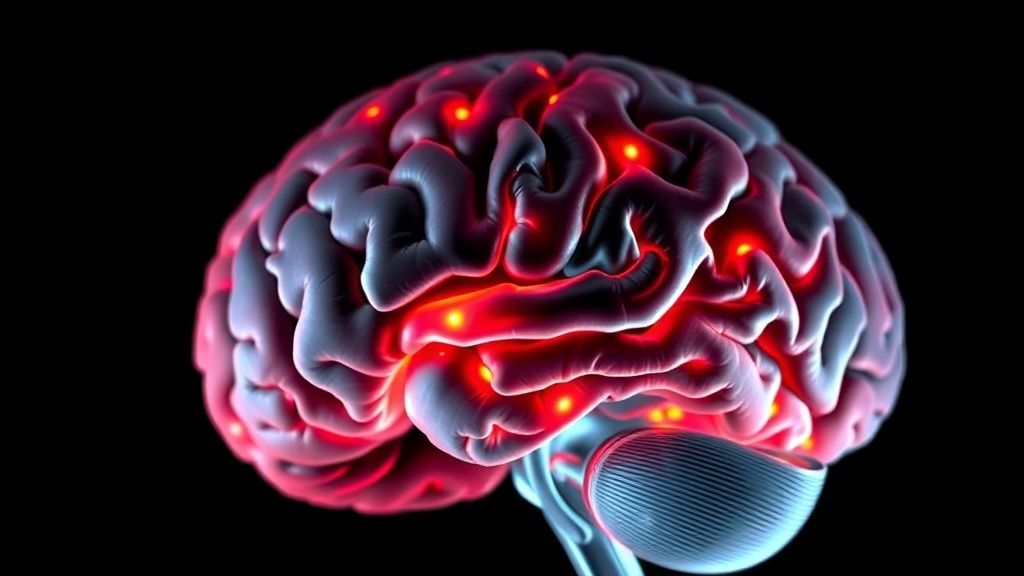
Neuroplasticity refers to the brain’s ability to adapt, form new connections, and refine existing ones. Activities that are novel, engaging, and skill-based tend to stimulate this process more than passive routines. Golf can fit that model because improvement depends on repetition, feedback, adjustment, and learning over time.
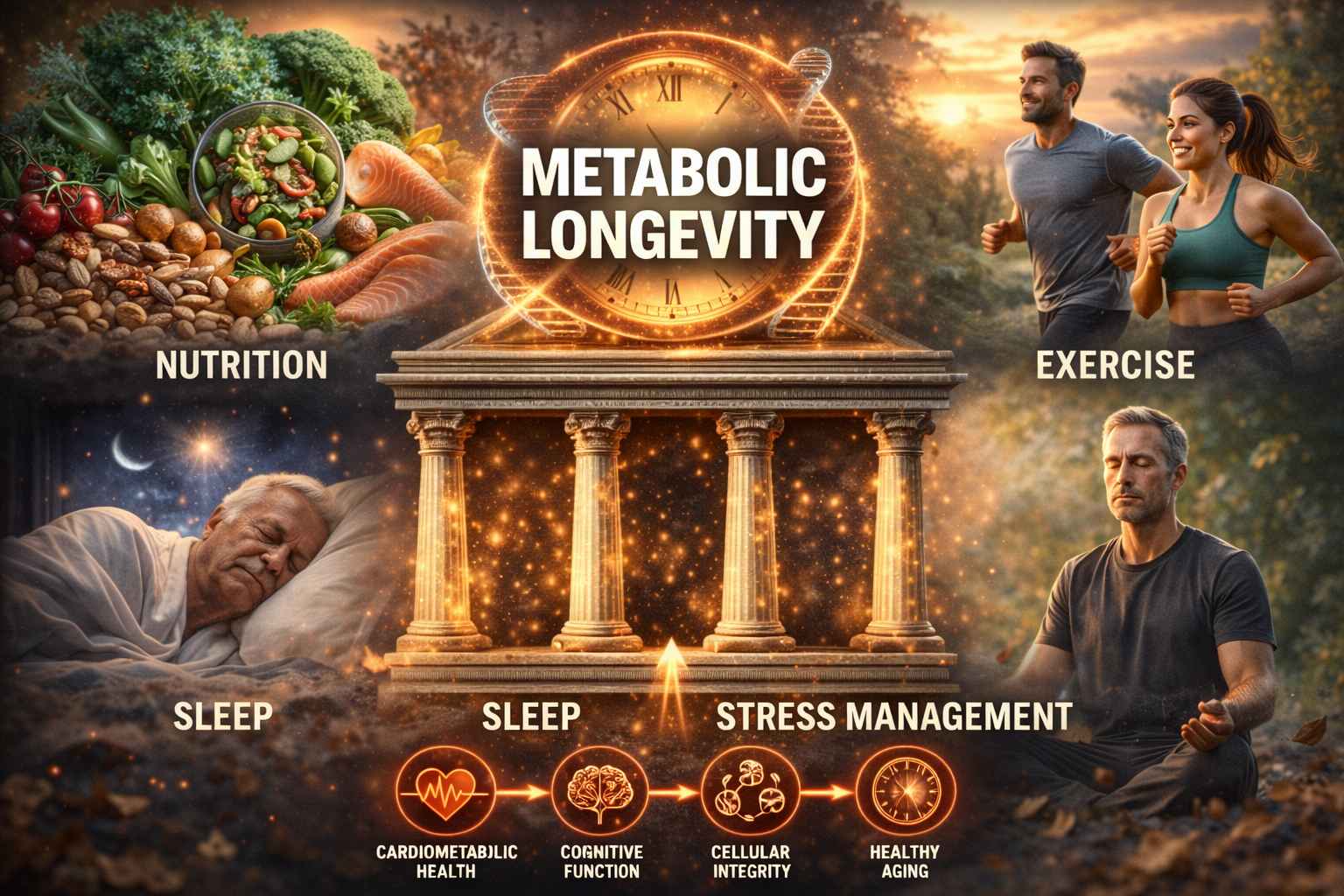
That does not mean golf alone is enough. Cognitive longevity is influenced by sleep, blood pressure, glucose control, hearing, mood, social connection, exercise, and education. Still, golf may be a useful part of that larger picture because it keeps multiple systems active at once.
Limitations and Nuance
Golf should not be framed as a stand-alone cure for cognitive aging. Someone who golfs occasionally but has poor sleep, uncontrolled vascular risk factors, social isolation, and little overall exercise is unlikely to get the full benefit.
There is also variation in how golf is played. Walking a course likely offers different health effects than riding for every hole, and socially engaged, mentally focused play may provide more cognitive stimulation than mechanically repeating the same routine. The benefit depends on the whole pattern of participation.
Practical Benefits and Tips
How to Use Golf to Support Cognitive Health
To get more cognitive benefit from golf, treat it as a brain-body practice rather than only a score-chasing activity. Walk when practical, stay mentally engaged in club selection and course management, and reflect on decisions after each hole. The goal is not perfection. The goal is active engagement.
It also helps to vary the challenge. Playing different courses, practicing short-game skills, working on visualization, or learning new shot strategies may keep the activity mentally fresh. Repetition alone is useful, but novelty may stimulate the brain more effectively.
Practical Tips to Enhance Cognitive Benefits in Golf
Playing with others adds an important dimension. Conversation, companionship, and friendly competition all add mental and emotional stimulation. Golf may be most helpful when it supports both physical movement and social connection.
A few simple habits can make golf more brain-supportive:
Walk the course when possible, focus on shot planning, challenge memory by recalling distances or previous holes, practice emotional control after bad shots, and stay consistent rather than playing only occasionally. These small adjustments can turn golf into a stronger healthspan activity.
Who May Benefit Most?
Golf may be especially useful for adults who want a moderate-intensity activity they can sustain over time. It can suit people who are less drawn to gyms or structured workouts but still want movement, skill development, and social contact.
For older adults, that sustainability matters. A good longevity activity is not just effective in theory. It is something people will actually keep doing for years.
References and Resources
Throughout research on Golf Improve Cognitive Longevity, the following resources are useful for understanding how physical activity, skill learning, and social engagement may support brain health:
Authoritative Sources on Golf Improve Cognitive Longevity
-
National Institutes of Health – Brain Health and Physical Activity
nih.govCovers research on how physical activity supports brain health and healthy aging.
-
American Psychological Association – Golf and Brain Function
apa.orgExplores the relationship between mentally engaging activities, well-being, and cognitive function.
-
PubMed Central – Exercise and Cognitive Aging
ncbi.nlm.nih.govReviews how exercise and physical activity may help preserve cognitive function with age.
-
American Medical Association – Golf and Mental Wellness
ama-assn.orgDiscusses the mental and lifestyle benefits associated with recreational activities such as golf.
-
Mental Floss – Why Golf Is Good for Your Brain
mentalfloss.comA general-interest overview of why golf may be mentally stimulating.
-
AARP – Golf and Brain Health
aarp.orgLooks at golf as part of an active aging strategy that may support cognitive health.

-
CDC – Physical Activity for Older Adults
cdc.govProvides practical activity guidance relevant to healthy aging, mobility, and brain health.
Frequently Asked Questions
Frequently Asked Questions
Can golf really help cognitive longevity?
Golf may help cognitive longevity because it combines physical activity, strategic thinking, attention, and social interaction. It is not a stand-alone solution, but it can be a useful part of a broader brain-health routine.
What specific mental skills does golf enhance to support cognitive longevity?
Golf can challenge concentration, planning, visual-spatial reasoning, decision-making, emotional control, and memory. These skills engage several cognitive systems at once, which may help support long-term brain function.
Are there scientific studies that support golf as a brain-healthy activity?
Direct golf-specific evidence is more limited than the broader evidence on exercise and cognition, but the overall pattern is supportive. Activities that combine movement, learning, and social engagement are associated with better cognitive aging, and golf matches that pattern well.
Is golf suitable for everyone aiming to improve cognitive longevity?
Golf can suit many adults because it is adaptable and sustainable, but it will not be ideal for everyone. The best activity for cognitive longevity is often one that is physically safe, enjoyable, mentally engaging, and consistent over time.
Conclusion
Golf can improve cognitive longevity by combining walking, focus, strategy, and social connection in one repeatable activity. Those qualities make it a strong healthspan habit, especially for adults who want a mentally engaging form of exercise they can continue for years.
Its value is not that it targets one single brain mechanism. Its value is that it supports several protective factors at once: movement, learning, outdoor time, stress regulation, and community. When combined with sleep, nutrition, cardiovascular health, and regular exercise, golf can be a meaningful part of a long-term brain-health strategy.
Find out more information about “Golf Improve Cognitive Longevity”
Search for more resources and information: