Is Martial Arts Training Associated With Lower Mortality?
Introduction
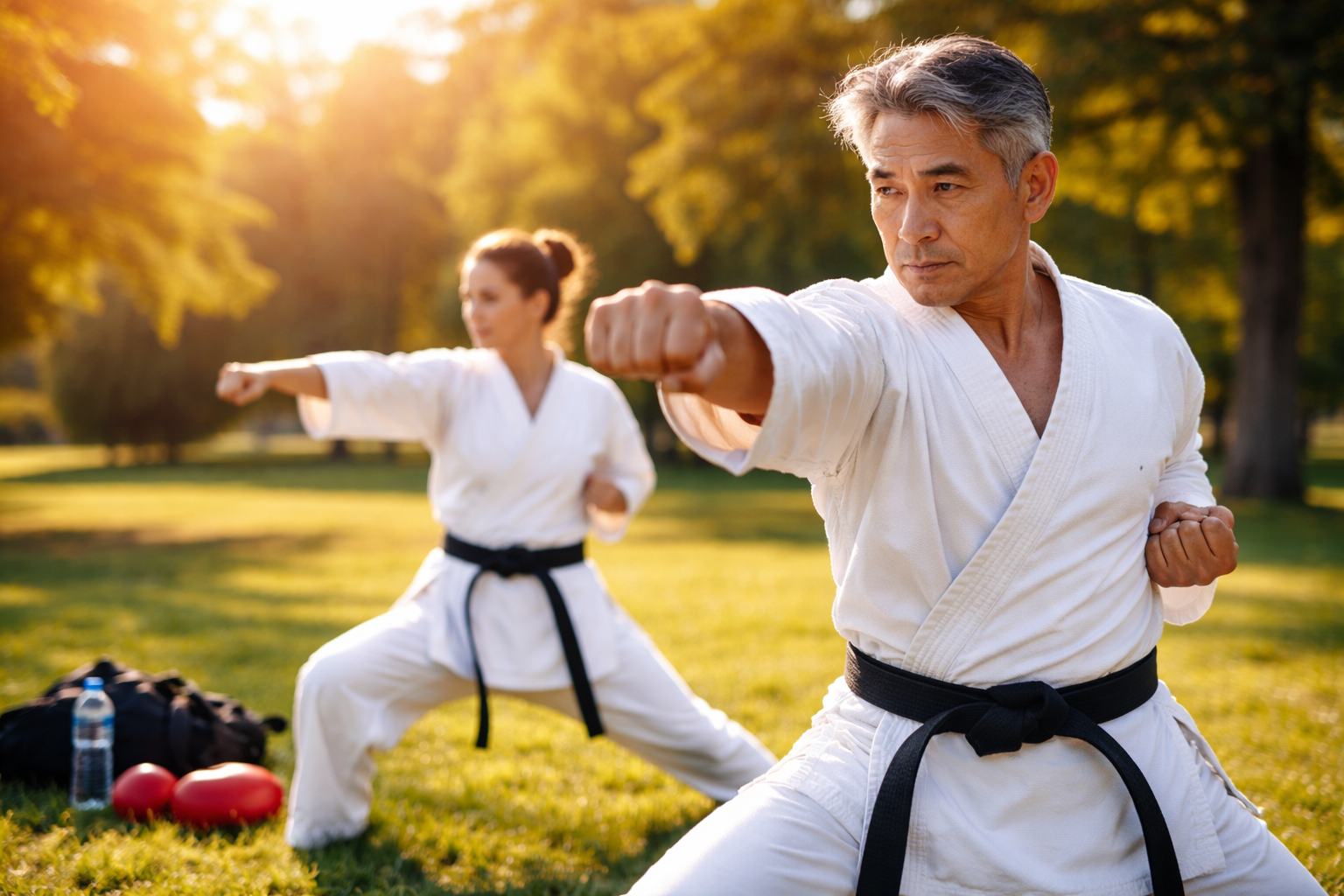
Martial arts training may be associated with lower mortality because it combines regular exercise, balance, strength, stress regulation, and social connection. It is not a guarantee of longer life, but evidence indicates that consistent martial arts practice can improve several factors linked to healthy aging and reduced disease risk.
TL;DR: Martial arts training may help lower mortality risk by improving cardiovascular fitness, strength, mobility, mental resilience, and long-term exercise adherence. The biggest benefits usually come from safe, consistent practice combined with good nutrition, sleep, and preventive healthcare.
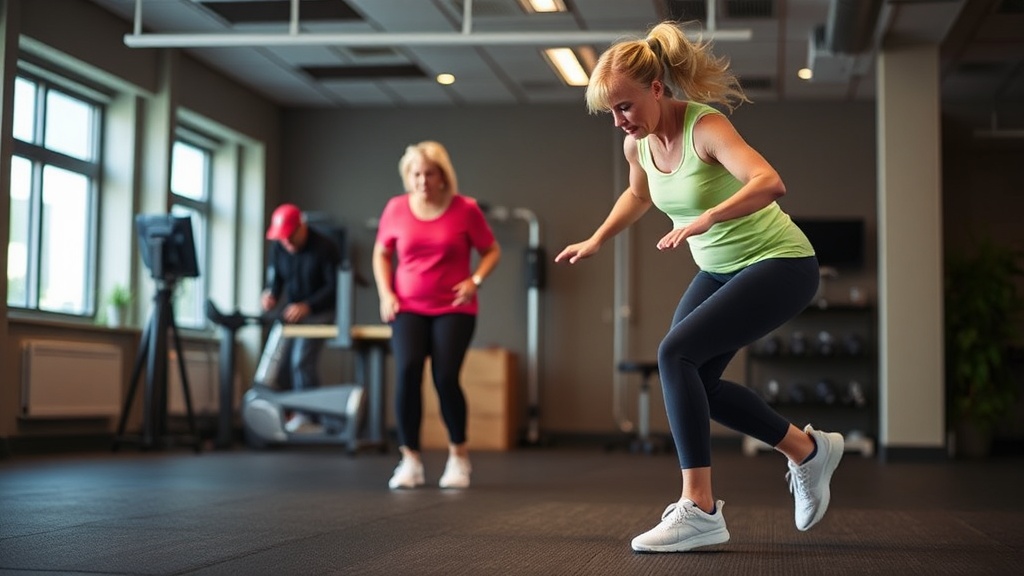
That makes martial arts different from many exercise options. A well-structured practice can train endurance, coordination, reaction time, posture, and emotional control at the same time. For older adults, that may support healthspan by reducing fall risk, preserving muscle and bone, and helping maintain independence.
Martial arts also offer more than physical conditioning. Many styles include breathing, attention training, discipline, and community. These features may improve stress regulation and lifestyle consistency, which matter for long-term health. Learn more in our complete guide to longevity.
Understanding the Link Between Martial Arts and Mortality
How Does Martial Arts Training Impact Overall Health?
Martial arts training is a broad category, but most styles combine aerobic work, strength, mobility, coordination, and skill learning. This matters because mortality risk is influenced by many factors at once, not just one biomarker or one fitness trait. A routine that improves cardiovascular health, body composition, balance, and stress resilience can support healthier aging.
Research suggests that regular physical activity lowers risk for major causes of death such as cardiovascular disease, type 2 diabetes, frailty, and metabolic dysfunction. Martial arts can fit into that pattern when practiced consistently. Sessions often include moderate to vigorous exercise, repeated movement patterns, and progressive skill development, all of which support long-term function.
Can Martial Arts Improve Mental Health and Reduce Stress?
Martial arts may also support longevity through mental and emotional health. Many forms of training require attention, breath control, emotional regulation, and deliberate practice under mild stress. These elements can help reduce chronic stress and improve confidence, which may indirectly support autonomic balance, sleep quality, and recovery.
That effect may be especially valuable because long-term stress is linked to higher inflammation, worse metabolic health, and poorer cardiovascular outcomes. A training style that improves both fitness and stress management may therefore offer broader benefits than exercise alone.
Why Exercise Adherence Matters
One overlooked reason martial arts may be associated with lower mortality is adherence. People often stick with activities they find meaningful, social, and engaging. Martial arts provide goals, skill progression, coaching, and community, which can make long-term participation easier than with repetitive exercise programs.
That consistency is important. Many of the health benefits linked to lower mortality come not from occasional intense effort, but from years of regular movement. A training method that people continue doing for decades may have a strong practical effect on healthspan.
The Physical Benefits of Martial Arts Training Associated With Lower Mortality
Cardiovascular Health and Martial Arts
One of the clearest ways martial arts may support longevity is through cardiovascular fitness. Many styles involve repeated bouts of movement that raise heart rate, improve circulation, and build endurance. Better cardiorespiratory fitness is strongly associated with lower all-cause mortality, making this a major part of the connection.
Depending on the style, training may include drills, forms, pad work, footwork, sparring, or conditioning circuits. These can improve blood pressure, insulin sensitivity, and exercise tolerance. For people who train regularly and recover well, martial arts can function as a practical form of structured aerobic exercise.
Muscle Strength and Bone Density
Martial arts also involve weight-bearing movement, stance control, repeated transitions, and muscular effort. These features can help preserve lean mass and support bone health, both of which are important in aging. Loss of muscle and bone increases risk of falls, fractures, disability, and frailty.
Styles that include resistance against body weight, impact management, controlled lowering, and powerful movement may be especially useful for maintaining physical resilience. Strength matters not only for athletic performance, but also for walking speed, reaction time, posture, metabolic health, and independence.
Balance, Mobility, and Fall Prevention
Many martial arts place a strong emphasis on stance, coordination, and body control. This can improve proprioception, balance, and movement confidence. For older adults, those benefits may reduce fall risk, which is a major contributor to injury-related mortality and loss of independence.
Mobility work is also built into many systems through kicking drills, transitional movement, ground work, or flexibility practice. Improved range of motion and better joint control can make daily movement safer and more efficient.
Mental and Emotional Benefits Impacting Longevity
Mental Resilience and Stress Reduction
Martial arts may improve longevity partly by strengthening mental resilience. Training teaches focus under pressure, repeated problem-solving, and emotional regulation. These skills may carry over into daily life, making it easier to manage stress, remain active, and recover from setbacks.
Some styles also include meditative elements such as breathing drills, controlled movement, and mindful repetition. Research suggests that practices which reduce chronic stress may benefit blood pressure, inflammation, sleep, and overall recovery, all of which are relevant to healthy aging.
Community and Social Connection
Social connection is another important factor. Training groups often provide structure, accountability, and a sense of belonging. Stronger social ties are associated with better health outcomes and lower mortality risk, while isolation is associated with worse outcomes.
Martial arts schools can create a community built around progress, discipline, and support. For many people, this improves motivation and helps make healthy behaviors sustainable over time.
Cognitive Engagement
Martial arts are not only physical. They require memory, timing, anticipation, pattern recognition, and decision-making. This combination of movement and mental challenge may support brain health more effectively than exercise that is purely repetitive.
Complex movement training may help maintain coordination, reaction speed, and executive function with age. That does not mean martial arts prevent cognitive decline on their own, but they may contribute to a broader lifestyle that supports brain longevity.
Scientific Evidence Supporting the Connection
Research Studies on Martial Arts and Longevity
There is not a single definitive study proving that martial arts directly lower mortality in all populations. However, evidence from exercise science, aging research, and martial arts interventions points in a positive direction. Martial arts training is associated with improvements in fitness, balance, blood pressure, glucose control, mood, and functional capacity, all of which are relevant to mortality risk.
Some research on older adults suggests that martial arts-derived activities, including tai chi and other controlled movement systems, may improve balance, reduce falls, and support cardiovascular and cognitive health. Evidence also indicates that regular physical activity with strength, endurance, and coordination components is linked to lower all-cause mortality.
Limitations and Considerations
It is important to keep the claim in context. People who practice martial arts regularly may also differ in diet, income, sleep habits, healthcare use, or baseline motivation. That makes it difficult to prove that martial arts alone explain better long-term outcomes.
Injury risk also matters. Contact-heavy training, poor coaching, inadequate recovery, or training beyond current capacity can reduce benefits. The lowest-risk path is usually a well-supervised program matched to age, fitness level, and medical history.
What the Evidence Most Likely Supports
The strongest conclusion is that martial arts can be part of a lifestyle associated with lower mortality because they improve many traits linked to healthy aging. They appear most useful when practiced safely, consistently, and as part of a broader strategy that includes sleep, nutrition, recovery, and preventive care.
Practical Recommendations
Why Martial Arts Can Be a Powerful Tool for Longevity
Martial arts can be a useful longevity practice because they combine exercise, skill, discipline, and enjoyment. That combination may help people stay active for years, which is one of the most reliable predictors of better long-term health. The most effective program is not necessarily the hardest one. It is the one that can be practiced safely and consistently.
For many adults, the best style is the one that matches current goals and physical capacity. Some may benefit most from tai chi or aikido-style movement for balance and coordination, while others may prefer karate, judo, jiu-jitsu, or kickboxing for conditioning and strength.
Practical Tips for Getting Started
Start with a qualified instructor and a beginner-friendly class. Focus on technique, posture, breathing, and consistency rather than intensity. If there are existing joint issues, cardiovascular concerns, or previous injuries, it makes sense to choose a style and training pace that can be modified safely.
It also helps to support training with simple recovery habits: adequate protein, good sleep, hydration, and rest between hard sessions. These factors improve adaptation and reduce injury risk, which makes the potential longevity benefits more sustainable.
Who May Benefit Most?
Adults looking for a form of exercise that trains both body and mind may find martial arts especially useful. It can be a strong option for people who want better coordination, structure, confidence, and community, not just calorie burn. Older adults may benefit from non-contact or lower-impact styles that emphasize balance, body control, and safe progression.
The key idea is not that every martial artist will live longer. It is that martial arts training may support a cluster of health behaviors and physical capacities associated with lower mortality over time.
References and Resources
Throughout research on Martial Arts Training Associated With Lower Mortality, the following sources are useful for exploring physical activity, healthy aging, and the broader benefits of martial arts practice:
-
Centers for Disease Control and Prevention (CDC) – Physical Activity and Health
cdc.govExplains how regular physical activity lowers risk for major chronic diseases and supports longevity.
-
NIH – Martial Arts and Aging
nih.govCovers research on martial arts-style movement and healthy aging outcomes.
-
World Wu Shu Federation – Research on Martial Arts Benefits
wushumartialarts.orgSummarizes reported health and performance benefits associated with martial arts practice.
-
American Medical Association – Fitness and Longevity
ama-assn.orgProvides broader context on how regular exercise supports long-term health and lower disease risk.
-
Journal of Aging and Physical Activity
nih.govRepresents the type of academic literature used to examine exercise, aging, and mortality-related outcomes.
-
National Strength and Conditioning Association – Martial Arts and Longevity
nsca.comDiscusses how martial arts may support long-term health through conditioning and skill practice.
-
Encyclopedia Britannica – Martial Arts
britannica.comProvides historical and cultural background on different martial arts systems.
-
Healthline – Benefits of Martial Arts
healthline.comSummarizes practical benefits of martial arts for physical and mental health.
Frequently Asked Questions
Frequently Asked Questions
Is martial arts training safe for older adults concerned about mortality?
Yes, martial arts can be safe for older adults when the style, instructor, and training intensity are appropriate. Lower-impact approaches that emphasize balance, coordination, breathing, and controlled movement are often the best starting point.
Does practicing martial arts actually reduce the risk of death?
Martial arts may reduce mortality risk indirectly by improving fitness, mobility, stress regulation, and social engagement. It is better to view martial arts as one helpful lifestyle practice rather than a guaranteed life-extending intervention.
Can martial arts training improve mental health and longevity?
It may help. Martial arts often improve confidence, emotional regulation, and stress management, which can support better long-term health. Mental well-being is closely tied to exercise adherence, sleep, recovery, and cardiovascular health.
What is the strongest reason martial arts may support longevity?
The strongest reason is probably consistency. Martial arts combine physical training, structure, skill progression, and community, which can make long-term activity easier to maintain. That sustained movement pattern is strongly linked to healthier aging.
Conclusion
Martial arts training may be associated with lower mortality because it improves several major drivers of healthy aging at once: cardiovascular fitness, strength, balance, coordination, mental resilience, and social connection. Those benefits are especially meaningful when training is safe, consistent, and adapted to the individual.
The evidence does not show that martial arts alone guarantee a longer life. But it does suggest that martial arts can be a powerful part of a lifestyle that supports better healthspan and lower disease risk. For many people, that makes it one of the most practical and engaging ways to invest in long-term health.

Find out more information about “Martial Arts Training Associated With Lower Mortality”
Search for more resources and information:
- 🔍 Search “Martial Arts Training Associated With Lower Mortality” on Google
- 🔍 Search “Martial Arts Training Associated With Lower Mortality” on Yahoo
- 🔍 Search “Martial Arts Training Associated With Lower Mortality” on DuckDuckGo
- 📄 More about “Martial Arts Training Associated With Lower Mortality” on this site