Does Deep Sleep Clear Brain Toxins?
Understanding Brain Toxins and Sleep
TL;DR: Yes, deep sleep appears to help clear brain waste, especially through sleep-dependent fluid movement linked to the glymphatic system. Good sleep quality, especially enough slow-wave sleep, may support healthier brain aging and lower the burden of waste products that build up during normal brain activity.
Yes, deep sleep appears to help clear brain waste. Research suggests that slow-wave sleep supports the brain’s waste removal processes, including glymphatic activity, which may help clear proteins and metabolites that accumulate during waking hours. This does not mean sleep is a literal detox in a simplistic sense, but it does mean deep sleep seems to play an important role in brain maintenance, cognitive health, and healthy aging.
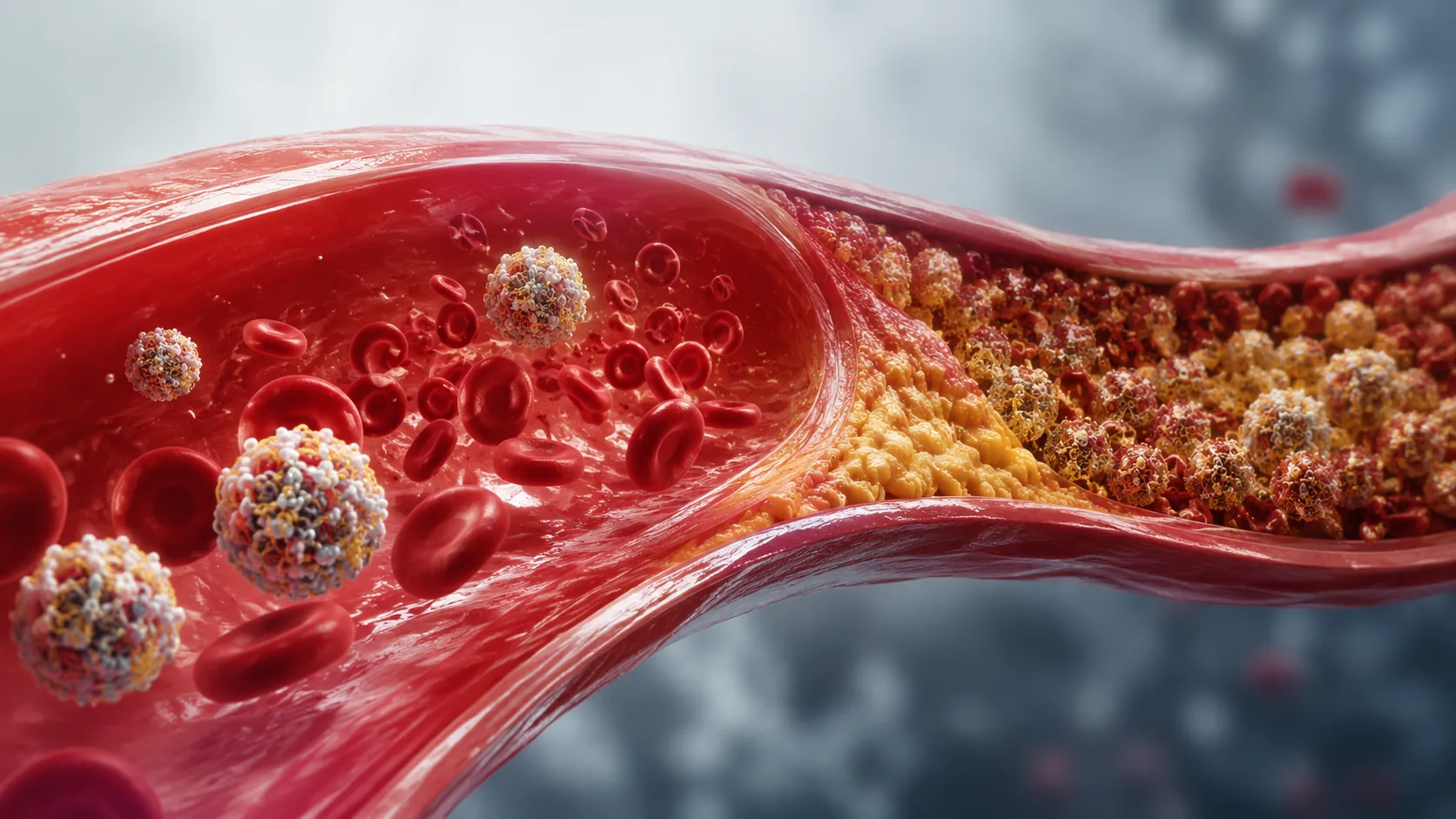
These so-called brain toxins are better understood as metabolic waste products. They include proteins and byproducts generated during normal brain function, some of which may become harmful when clearance is impaired. Over time, poor sleep may contribute to the buildup of waste linked with brain aging, inflammation, and neurodegenerative disease.
That is why sleep is about more than feeling rested. Deep sleep appears to be one of the periods when the brain does some of its most important repair and housekeeping work. Learn more in our complete guide to longevity.
The Science Behind Deep Sleep and Brain Detoxification
How Does Deep Sleep Contribute to Brain Toxin Clearance?
During deep sleep, especially slow-wave sleep, the brain appears to become more efficient at moving cerebrospinal fluid through and around brain tissue. This fluid movement is linked with the glymphatic system, a waste clearance pathway that may help remove substances such as beta-amyloid and tau, both of which are relevant to neurodegenerative disease.
Research suggests that during these deeper sleep stages, conditions in the brain become more favorable for fluid exchange and waste removal. Compared with wakefulness, the brain appears better able to carry away metabolic byproducts that build up during the day.
This is one reason deep sleep is often described as essential for brain recovery. It may not be the only factor involved in brain health, but it appears to be an important one.
Can Lack of Deep Sleep Impede Toxin Removal?
Evidence indicates that poor sleep, fragmented sleep, and reduced deep sleep may impair the brain’s waste clearance process. When slow-wave sleep is reduced, the brain may spend less time in the state most associated with efficient fluid movement and metabolic cleanup.
That may help explain why poor sleep is often linked with mental fog, lower concentration, worse memory, and worse long-term cognitive outcomes. Sleep loss also tends to worsen inflammation, glucose control, stress hormones, and overall recovery, all of which can place extra strain on the brain.
In practical terms, poor deep sleep may not only leave someone tired the next day. It may also reduce how well the brain performs its regular housekeeping functions overnight.
How Deep Sleep Can Enhance Brain Toxin Clearance
The Role of Sleep Cycles in Brain Detox
Sleep is made up of repeated cycles, and deep sleep tends to dominate earlier in the night. That means both total sleep time and sleep structure matter. Someone may be in bed for many hours but still get poor-quality sleep with limited slow-wave sleep if sleep is fragmented or delayed.
Deep sleep appears to be especially important because it is the stage most strongly associated with glymphatic activity and brain recovery. This is also the stage linked with physical restoration, immune support, and memory consolidation. In other words, the same sleep stage that helps the body recover also appears to support brain waste clearance.
This is why both sleep quantity and sleep quality matter for cognitive health.
Why the Glymphatic System Matters
The glymphatic system is thought to function as a brain-wide fluid transport and waste clearance network. It appears to depend on cerebrospinal fluid movement, vascular pulsation, and astrocyte water channels. While some details are still being debated and refined, the overall concept is supported by growing evidence.
This system seems to work most efficiently during sleep rather than wakefulness. That does not mean nothing is cleared during the day, but deep sleep appears to be the period when the process becomes more active and more useful for long-term maintenance.
The practical takeaway is simple: if deep sleep is repeatedly shortened, disrupted, or poor in quality, brain waste clearance may become less effective over time.
Practical Tips to Improve Deep Sleep and Support Brain Detox
Creating the Right Conditions for Deep Sleep
The strongest way to support deep sleep is to protect sleep quality consistently. A dark, cool, quiet bedroom often helps. Keeping a regular bedtime and wake time also supports more stable sleep architecture, which may improve the amount of slow-wave sleep across the week.
Reducing bright light and screen exposure late at night may also help. Late evening light can delay melatonin release and shift sleep timing, which can make deep sleep less predictable or harder to achieve.
Alcohol is another factor worth noting. Although it can make people feel sleepy, it often fragments sleep later in the night and can reduce overall sleep quality.
Diet, Exercise, and Lifestyle Choices for Better Deep Sleep
Daytime behavior strongly affects nighttime sleep. Regular physical activity is one of the most reliable ways to support sleep quality, metabolic health, and brain health. Exercise also supports circulation, inflammation control, and mitochondrial function. Research suggests that aerobic exercise can improve mitochondrial biogenesis and pathways such as AMPK and PGC-1α, which are relevant to recovery, endurance, and healthy aging.
Caffeine timing matters too. For many people, caffeine later in the day can reduce sleep depth even if total sleep time seems unchanged. Heavy meals close to bedtime can also make sleep less restorative.
Stress reduction is equally important. Chronic stress can interfere with sleep onset, deepen nighttime wakefulness, and reduce slow-wave sleep. Practices such as meditation, relaxation breathing, and consistent evening routines may help support more restorative sleep.
What Helps Most in Practice
The best approach is usually simple and consistent rather than complicated. Prioritize regular sleep timing, exercise most days, reduce late caffeine and alcohol, create a better sleep environment, and treat sleep disorders such as sleep apnea when present.
These habits support much more than sleep. They also support metabolism, inflammation control, vascular health, and long-term healthspan, all of which influence brain aging and cognitive resilience.
Does Oxidative Stress Affect the Brain
References and Resources
These resources provide useful background on deep sleep, glymphatic function, brain waste clearance, and the relationship between sleep quality and long-term brain health.
Authoritative Sources on Deep Sleep Clear Brain Toxins
-
Neurobiological Mechanisms of Sleep
nih.govExplains how sleep stages, especially deeper sleep, support recovery and brain maintenance processes.
-
Sleep and Brain Health
sleepfoundation.orgProvides a clear overview of how sleep influences cognition, brain repair, and long-term neurological health.
-
Glymphatic System and Sleep
ncbi.nlm.nih.govReviews how sleep may support glymphatic clearance and brain waste removal.
-
Sleep and Neurodegeneration
frontiersin.orgExplores how poor sleep may affect protein buildup, brain aging, and neurodegenerative risk.
-
Sleep’s Role in Brain Waste Removal
ahajournals.orgDiscusses the relationship between sleep, cerebrospinal fluid dynamics, and brain clearance pathways.
-
Why Deep Sleep Matters for Brain Health
medicalnewstoday.comSummarizes why deep sleep is important for brain recovery and cognitive health.
-
Sleep Research Society
sleepresearchsociety.orgProvides updates on sleep research, including sleep stages, brain recovery, and neurological health.

Frequently Asked Questions
Does deep sleep really clear brain toxins?
Deep sleep appears to support brain waste clearance, especially through sleep-dependent fluid movement linked with the glymphatic system. Current evidence suggests this process is more active during slow-wave sleep than during wakefulness.
Can poor sleep cause toxin buildup in the brain?
Poor sleep may reduce how effectively the brain clears waste. Over time, fragmented or insufficient deep sleep may contribute to a higher burden of proteins and metabolites linked with unhealthy brain aging.
How can I improve my deep sleep to support brain detox?
Focus on sleep quality: keep a consistent schedule, reduce late caffeine and alcohol, limit screens before bed, exercise regularly, and keep the bedroom dark, cool, and quiet.
Is there scientific evidence supporting the detoxification role of deep sleep?
Yes. Research supports the idea that deep sleep is associated with increased brain fluid movement and glymphatic activity, which may help clear waste products generated during waking hours.
What are practical ways to enhance deep sleep for better brain detox?
The most useful steps are consistent sleep timing, regular daytime exercise, good stress management, better sleep hygiene, and addressing sleep disorders such as sleep apnea when needed.
Conclusion
Deep sleep appears to help clear brain waste, and this may be one of the reasons high-quality sleep is so important for long-term cognitive health. Slow-wave sleep seems especially relevant because it supports the brain conditions most associated with glymphatic activity and overnight maintenance.
The practical takeaway is straightforward: protect sleep quality, not just sleep duration. Better deep sleep may support clearer thinking, healthier aging, and a lower burden of brain waste over time.
Find out more information about “Deep Sleep Clear Brain Toxins”
Search for more resources and information: