Does Obesity Increase Biological Age?
Introduction
TL;DR: Yes, obesity can increase biological age by promoting chronic inflammation, metabolic dysfunction, and cellular stress. The good news is that improving body composition, physical activity, sleep, and diet may help slow or partially reverse some of these aging-related changes.
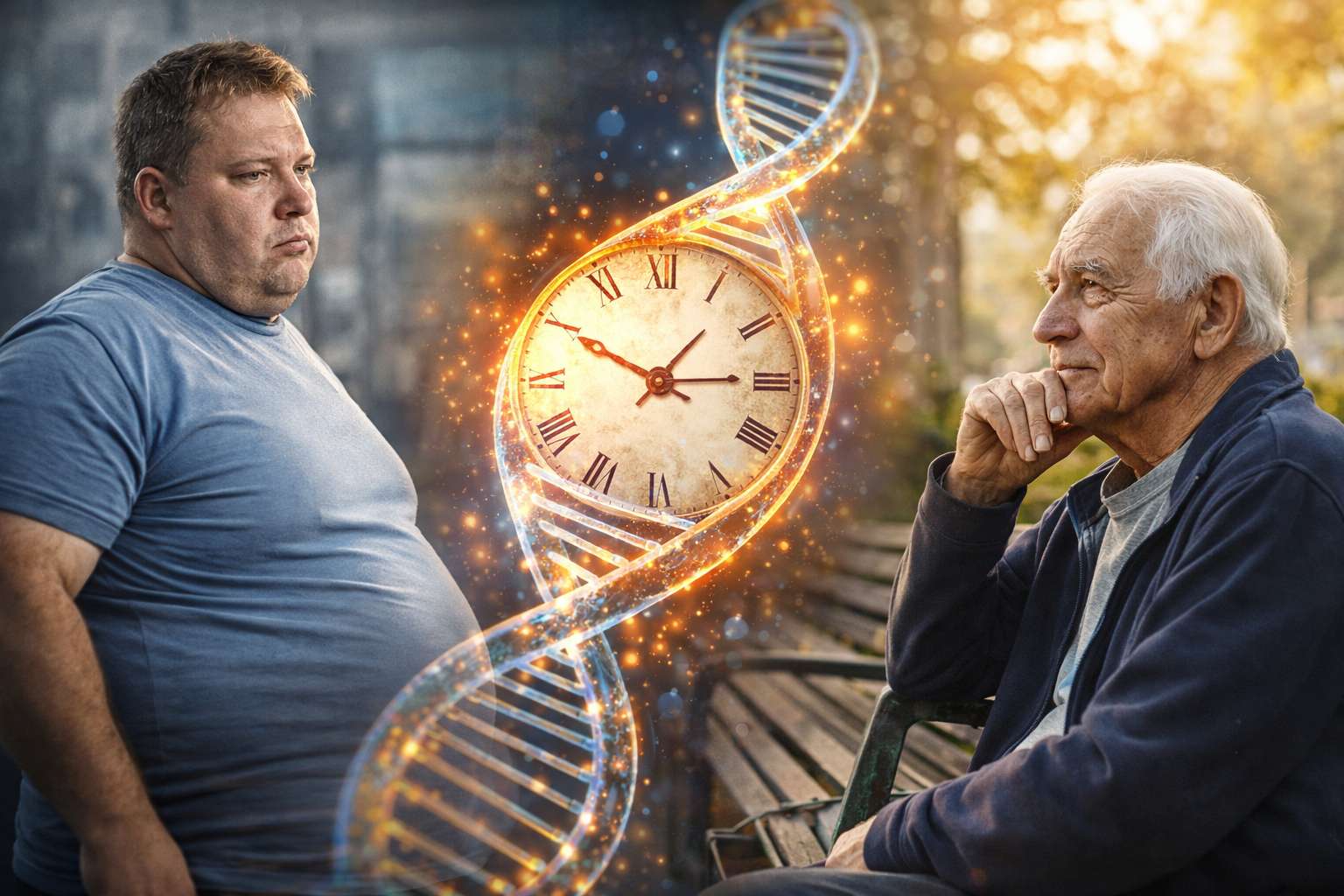
Yes, obesity can increase biological age. Evidence suggests that excess body fat, especially visceral fat, is linked to inflammation, insulin resistance, oxidative stress, and changes in biomarkers associated with faster aging. In practical terms, this means obesity may make the body function as though it is older than its chronological age.
Biological age reflects how well the body is functioning rather than how many birthdays a person has had. That is why obesity matters for more than body weight alone. It is closely linked with aging, metabolism, cardiovascular risk, and lower healthspan. Learn more in our complete guide to longevity.
This article explains how obesity affects biological age, what the science says, whether weight loss may help, and which lifestyle changes are most relevant for healthier aging.
Understanding Biological Age and Obesity
What Is Biological Age?
Biological age is an estimate of how old the body seems based on function and physiology rather than calendar years. It may be influenced by factors such as inflammation, blood sugar control, body composition, fitness, sleep, stress, and exposure to harmful habits over time.
Someone can be 45 years old chronologically but have a younger or older biological age depending on how well key systems are working. Researchers study this through biomarkers such as blood pressure, glucose regulation, inflammatory markers, physical fitness, DNA methylation patterns, and other measures of cellular health.
How Obesity Contributes to Accelerated Aging
Obesity contributes to accelerated aging because excess fat tissue is biologically active. It does not simply store energy. It also releases signaling molecules that can increase low-grade chronic inflammation and disrupt normal metabolic function.
Over time, this environment may increase oxidative stress, impair mitochondrial function, worsen insulin sensitivity, and place strain on tissues throughout the body. These processes are associated with faster biological aging and a higher risk of age-related conditions.
Visceral fat appears particularly important. Fat stored around internal organs is more strongly linked with metabolic disease, inflammation, and poor aging outcomes than fat stored in less harmful areas.
How Obesity Impacts Biological Age
Obesity appears to accelerate biological age through several overlapping mechanisms. Research suggests the strongest pathways include chronic inflammation, metabolic dysfunction, hormonal disruption, mitochondrial stress, and impaired cellular maintenance.
Inflammation, Oxidative Stress, and Cellular Damage
One of the clearest links is chronic inflammation. Excess adipose tissue can release inflammatory cytokines that keep the immune system in a persistently activated state. This is sometimes described as inflammaging because it resembles the low-grade inflammation often seen with aging itself.
Inflammation can increase oxidative stress, which means more damage from reactive molecules to lipids, proteins, and DNA. Over time, that damage may contribute to reduced tissue function and faster biological aging.
Mitochondria, Metabolism, and Energy Production
Obesity is also linked with poorer mitochondrial function. Mitochondria help produce cellular energy, and when they work less efficiently, fatigue, poor metabolic flexibility, and lower exercise capacity can follow. This matters because healthy mitochondria are closely tied to endurance, metabolic health, and healthy aging.
In some cases, obesity may also interfere with pathways involved in cellular repair and energy sensing, including AMPK and autophagy. These systems help cells respond to stress and maintain quality control. When they are disrupted, biological aging may accelerate.
Can Losing Weight Reverse or Slow Biological Aging?
Evidence indicates that weight loss can improve several markers linked with biological age, especially when it reduces visceral fat and improves metabolic health. Lower inflammation, better insulin sensitivity, improved mobility, and healthier blood biomarkers can all support a younger biological profile.
That does not mean every measure of aging fully resets, and results vary between individuals. However, sustainable improvements in diet, exercise, sleep, and body composition can meaningfully reduce the drivers of accelerated aging.
The Science Behind Obesity and Accelerated Aging
What Do Scientific Studies Say About Obesity and Aging?
Scientific research generally supports a connection between obesity and older biological age. Studies have linked obesity with adverse changes in biomarkers related to inflammation, metabolic syndrome, telomere biology, and epigenetic aging. While methods differ between studies, the overall pattern points in the same direction: obesity is associated with faster aging biology.
Research also shows that obesity raises the risk of conditions commonly associated with aging, including type 2 diabetes, cardiovascular disease, reduced physical function, and some forms of cognitive decline. These outcomes do not prove every person with obesity is biologically older, but they support the broader relationship.
How Does Inflammation Link Obesity and Aging?
Inflammation is one of the most important links. Excess fat tissue can produce inflammatory compounds that affect blood vessels, muscles, the liver, and other organs. This persistent inflammatory signaling may gradually impair repair processes and worsen many age-related biomarkers.
Inflammation also interacts with insulin resistance and altered lipid metabolism, creating a cycle that can further increase biological stress. That is one reason regular exercise, better sleep, and weight reduction are often recommended for both metabolic health and healthier aging.
Important Nuance and Limitations
Biological age is complex, and obesity is not the only factor that affects it. Physical activity, muscle mass, cardiorespiratory fitness, nutrition quality, smoking, alcohol, sleep, stress, and genetics also matter. Two people with the same body mass index may have very different metabolic health profiles.
This is why body composition and fitness often provide more useful context than body weight alone. Preserving muscle, improving endurance, and reducing central fat may be more important for healthspan than focusing only on the scale.
Practical Lifestyle Strategies
Practical Tips to Reduce Biological Age Through Weight Management
The most effective strategy is usually not a quick fix but a steady improvement in metabolic health. A practical approach includes eating mostly minimally processed foods, increasing protein and fibre intake where appropriate, improving sleep, and building a consistent exercise routine.
Exercise is especially valuable because it can improve insulin sensitivity, mitochondrial function, endurance, and body composition even before large changes in weight occur. A mix of walking, resistance training, and aerobic exercise is often a strong foundation for both healthy aging and long-term weight management.
For some people, tracking waist circumference, blood pressure, blood glucose, resting heart rate, and basic blood biomarkers may be more useful than focusing only on body weight. These measures can show whether biological stress is moving in the right direction.
What Matters Most in Practice?
The most important priorities are reducing visceral fat, preserving muscle mass, improving metabolic flexibility, and maintaining habits that can last. Extreme dieting may produce short-term results but is often less effective than sustainable changes that improve overall physiology.
Even modest progress can matter. Better sleep, more daily movement, fewer ultra-processed foods, improved fitness, and gradual fat loss can all support healthier metabolism and a lower biological age over time.
References and Resources
These sources provide useful background on obesity, biological aging, inflammation, and long-term health risks.
Authoritative Sources on Obesity and Biological Age
-
CDC Obesity Facts
cdc.govProvides an overview of obesity, prevalence, and related health risks, including metabolic and cardiovascular consequences relevant to healthy aging.
-
National Institute on Aging – Obesity and Aging
nia.nih.govDiscusses how obesity affects aging biology and why excess body fat may influence long-term function and disease risk.
-
Telomeres, Obesity, and Aging – NCBI
nih.govExplores the relationship between obesity and cellular aging markers, including telomere dynamics and related mechanisms.
-
WHO – Obesity and Overweight
who.intGlobal overview of obesity and overweight, including major health consequences that intersect with aging and healthspan.
-
Inflammation and Aging – ScienceDirect
sciencedirect.comReviews the role of chronic inflammation in aging and helps explain why obesity-related inflammation may accelerate biological aging.
-
Aging Clinical and Experimental Research Journal
elsevier.comPeer-reviewed journal covering aging research, including work on obesity, metabolism, and biomarkers of aging.
-
American Heart Association – Obesity & Heart Disease
heart.orgExplains how obesity affects cardiovascular health, an important part of biological aging and long-term resilience.

Frequently Asked Questions
Does obesity increase biological age?
Yes. Research suggests obesity can increase biological age by raising chronic inflammation, oxidative stress, and metabolic dysfunction. These changes can make the body behave as though it is older than its chronological age.
Can losing weight reverse biological aging effects caused by obesity?
Weight loss may improve some markers linked with biological aging, especially when it reduces visceral fat and improves insulin sensitivity, inflammation, and fitness. Full reversal is not guaranteed, but meaningful improvement is possible.
How does inflammation link obesity and biological age?
Excess fat tissue can produce inflammatory compounds that keep the body in a low-grade inflammatory state. Over time, this may damage cells and tissues, contributing to faster biological aging.
Is biological age a reliable indicator of aging in obese individuals?
It can be useful, but it should be interpreted alongside other measures such as body composition, fitness, blood biomarkers, and metabolic health. No single metric captures aging perfectly.
Does addressing obesity reduce biological age?
It can. Improving diet, increasing exercise, sleeping better, and reducing excess body fat may lower several aging-related risk factors and support a healthier biological age over time.
Conclusion
Obesity can increase biological age by driving inflammation, metabolic dysfunction, oxidative stress, and impaired cellular function. This does not mean the process is fixed, but it does mean excess body fat can meaningfully affect how the body ages.
The most effective response is to improve the underlying drivers: reduce visceral fat, preserve muscle, improve endurance, support mitochondrial health, and strengthen daily habits that improve metabolism and healthspan. Sustainable progress in these areas can help slow biological aging and improve long-term resilience.
Find out more information about “Does obesity increase biological age?”
Search for more resources and information: