
What Is Leaky Gut?
Understanding What Leaky Gut Is
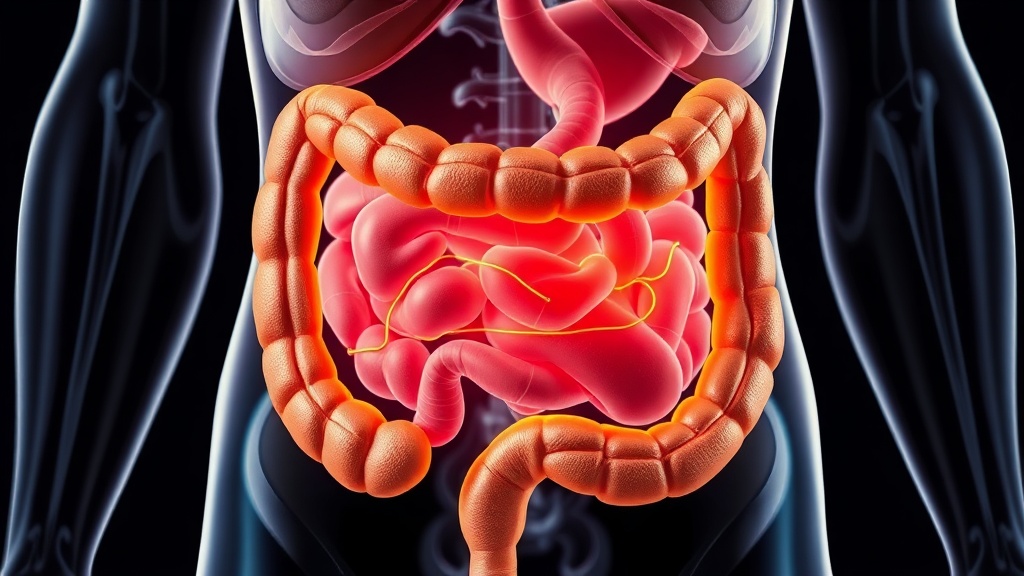
Leaky gut is a commonly used term for increased intestinal permeability, a state in which the gut lining becomes less selective than it should be. Under normal conditions, the intestinal barrier allows digested nutrients to pass into the bloodstream while helping block unwanted substances such as microbes, toxins, and partially digested food components. When that barrier is impaired, more of these substances may cross into circulation, potentially contributing to inflammation and immune activation.
The idea behind leaky gut is not simply a wellness trend. Intestinal permeability is a real biological process that researchers study in relation to digestive disorders, inflammation, immune function, and chronic disease. What creates confusion is that “leaky gut syndrome” is often used as a broad catch-all phrase outside mainstream medicine, while clinicians and researchers usually refer more precisely to altered gut barrier function or increased intestinal permeability.
This distinction matters because gut health is closely tied to metabolism, inflammation, immune resilience, and broader healthy aging. In longevity science, the gut barrier is important because chronic immune activation and systemic inflammation may influence healthspan over time. Learn more in our complete guide to longevity.
Is Leaky Gut a Real Condition?
Is Leaky Gut recognized by medical professionals?
Leaky gut is partly real and partly misunderstood. Increased intestinal permeability is a documented physiological phenomenon and is recognized in medical research. However, “leaky gut syndrome” is not always accepted as a standalone diagnosis in conventional medicine, especially when it is used to explain a wide range of vague symptoms without clear supporting evidence.
Medical professionals are more likely to discuss intestinal permeability in the context of specific conditions such as inflammatory bowel disease, celiac disease, infections, or other disorders that affect the gut barrier. Integrative and functional medicine practitioners often use the term more broadly to describe barrier dysfunction that may contribute to chronic inflammation, food sensitivities, or immune imbalance.
The most accurate conclusion is that abnormal intestinal permeability is real, but the way the term is used can vary. This is why careful evaluation matters. Gut barrier problems may be relevant, but they should not automatically be assumed to explain every unexplained symptom.
What causes increased intestinal permeability?
Several factors may contribute to increased intestinal permeability. These include chronic stress, a highly processed diet, excess alcohol, certain medications such as NSAIDs, infections, dysbiosis in the gut microbiome, and some autoimmune or inflammatory conditions. In some people, genetic susceptibility may also influence how vulnerable the gut barrier is to damage.
The gut barrier is maintained by a combination of cells, mucus, immune factors, and microbial balance. When these systems are disrupted, the barrier may become less effective. This can increase contact between the immune system and substances that would normally stay inside the gut, which may then promote inflammation.
Because of this, gut barrier health is best understood as part of a wider lifestyle and health picture. Sleep, diet, stress, movement, medications, and microbiome balance all play a role in whether the gut remains resilient or becomes more permeable.
Symptoms and Signs of Leaky Gut
How can someone tell whether leaky gut may be a problem?
Symptoms linked with increased intestinal permeability are often non-specific, which is one reason the topic is difficult to interpret. People may report bloating, digestive discomfort, food sensitivities, irregular bowel habits, fatigue, brain fog, or skin symptoms. However, these symptoms can overlap with many other digestive, metabolic, or inflammatory conditions.
That overlap is important. Symptoms alone do not confirm that intestinal permeability is the main issue. Problems such as irritable bowel syndrome, celiac disease, inflammatory bowel disease, infections, food intolerances, stress-related digestive changes, or poor dietary patterns may all contribute to similar complaints.
For that reason, the best approach is not to self-diagnose based on symptoms alone. Persistent digestive symptoms, unexplained fatigue, or suspected food-related reactions are best assessed by a qualified healthcare professional who can consider the wider clinical picture.
Can leaky gut contribute to other health problems?
Increased intestinal permeability has been studied in relation to a number of inflammatory and immune-related conditions. Researchers have explored links between altered gut barrier function and autoimmune disease, inflammatory bowel disease, metabolic dysfunction, allergies, and some broader inflammatory states. This does not mean leaky gut causes all of these conditions directly, but it may be one contributing factor in some cases.
The reason it may matter is that a weaker gut barrier can increase immune exposure to bacterial fragments and other substances that promote inflammation. Chronic low-grade inflammation is relevant to many modern health conditions and may also influence aging, recovery, and long-term resilience.
In this way, gut barrier integrity is part of a broader systems view of health. A healthier gut environment may help support better immune balance, metabolic function, and overall wellbeing.
Causes and Risk Factors
What are the main causes of leaky gut?
The main causes of increased intestinal permeability often involve repeated stress on the gut lining. Common contributors include a poor diet high in ultra-processed foods, excessive alcohol intake, chronic psychological stress, long-term use of certain medications, gut infections, and microbiome imbalance. These factors may weaken the protective systems that normally maintain gut barrier function.
Inflammation is often part of the process. When the gut lining is exposed to repeated irritation or immune activation, the proteins that help regulate tight junctions between intestinal cells may become less effective. This can make the barrier more permeable and increase the flow of inflammatory signals.
Addressing causes usually matters more than chasing labels. Rather than asking only whether leaky gut exists, it is often more useful to ask what may be damaging gut function and which lifestyle or medical factors need attention.
Are lifestyle choices contributing factors?
Yes, lifestyle choices can strongly influence gut barrier health. Chronic stress, poor sleep, a low-fiber diet, excess alcohol, physical inactivity, and frequent use of irritating medications may all contribute to a less healthy gut environment. Conversely, a diet rich in whole foods, diverse plant foods, and fiber may help support the microbiome and the gut lining.
Sleep and stress are especially important because the gut and nervous system are closely connected. High stress can alter digestion, immune signaling, and microbial balance, while poor sleep may worsen inflammation and impair recovery. These patterns are relevant not only to digestive health but also to healthy aging and healthspan.
Small, consistent lifestyle improvements can have a meaningful effect over time. Gut health is rarely determined by one food or one supplement alone. It is usually shaped by repeated daily habits.
How Leaky Gut Is Commonly Managed
Approaches to supporting gut health
Managing suspected gut barrier dysfunction usually begins with identifying and reducing the factors that may be driving it. This may include improving diet quality, treating underlying digestive disorders, reducing alcohol intake, addressing chronic stress, improving sleep, and supporting a healthier gut microbiome. A whole-food diet rich in fiber, diverse plant foods, and minimally processed ingredients is often a useful starting point.
Fermented foods, when tolerated, may support microbial diversity, and probiotics may be helpful in some situations, though the right approach depends on the individual. Some people may also benefit from targeted nutrition strategies if food intolerances, infections, or inflammatory conditions are present.
The most effective approach is usually not extreme restriction. It is more often a gradual shift toward habits that support the gut barrier, reduce unnecessary irritation, and improve the overall internal environment in which healing and recovery take place.
Supplements and natural remedies
Some supplements are marketed specifically for leaky gut, including L-glutamine, probiotics, digestive enzymes, zinc carnosine, and various herbal compounds. Some of these may have a role in specific cases, but they should not replace proper assessment of diet, medication use, lifestyle, or underlying disease. Supplements may be useful, but they work best when part of a broader, evidence-based plan.
Anti-inflammatory dietary patterns, good sleep, better stress management, and treatment of any underlying gut condition often matter more than a single supplement. This is especially important because symptoms attributed to leaky gut may actually reflect another condition that needs more specific care.
Anyone considering supplements for gut health should ideally discuss them with a healthcare professional, especially if symptoms are ongoing, severe, or associated with weight loss, bleeding, persistent pain, or other concerning signs.
References and Resources
These resources provide useful background on intestinal permeability, gut barrier function, inflammation, and broader gut health:
Authoritative Sources on Is Leaky Gut
-
Understanding Intestinal Permeability and Its Role in Disease
ncbi.nlm.nih.govA scientific overview of intestinal permeability, gut barrier biology, and its possible role in systemic disease and inflammation.
-
Gut Microbiota and Permeability
gutmicrobiotaforhealth.comProvides research updates and practical educational material on gut microbiota, barrier function, and digestive health.
-
Leaky Gut Syndrome: Symptoms and Causes
medicalnewstoday.comA practical overview of intestinal permeability, common symptoms, and possible contributing factors.
-
Functional Medicine Principles
functionalmedicine.orgOffers a broader systems-based view of gut barrier issues and how they may fit into whole-body health.
-
WebMD: Leaky Gut Syndrome
webmd.comA readable summary explaining what leaky gut is, why it is debated, and how it relates to intestinal permeability.
-
The Role of Gut Permeability in Inflammatory Disease
nih.govExamines how impaired gut barrier function may contribute to immune dysregulation and chronic inflammation.

Frequently Asked Questions
What exactly is leaky gut?
Leaky gut is a common term for increased intestinal permeability. It describes a situation in which the gut barrier becomes less selective, allowing more substances to pass from the gut into the bloodstream than would normally occur.
Can leaky gut be cured?
Gut barrier dysfunction can often improve when underlying contributors are addressed. The most effective approach usually involves better diet quality, reduced gut irritants, treatment of any underlying digestive condition, and lifestyle changes that support recovery and lower inflammation.
Are there tests to diagnose leaky gut?
There are tests that may assess intestinal permeability, such as lactulose/mannitol testing or markers like zonulin, but interpretation can be complex. These tests are best considered in the context of a broader clinical evaluation rather than used in isolation.
What lifestyle changes help with leaky gut?
Helpful changes may include eating more whole and fiber-rich foods, reducing ultra-processed foods and excess alcohol, managing stress, improving sleep, and addressing medications or conditions that may irritate the gut lining. A more supportive daily routine often makes a meaningful difference over time.
Conclusion
Leaky gut is best understood as increased intestinal permeability, a real biological process that may contribute to inflammation, immune activation, and broader health problems in some cases. While the term is sometimes overused, the underlying concept of gut barrier dysfunction is scientifically relevant and increasingly studied.
Understanding gut barrier health can help people take a more informed approach to digestion, inflammation, and whole-body wellbeing. A healthier diet, better sleep, lower stress, and careful attention to underlying digestive issues can all support gut integrity and improve long-term health.
Find out more information about “Is Leaky Gut”
Search for more resources and information: