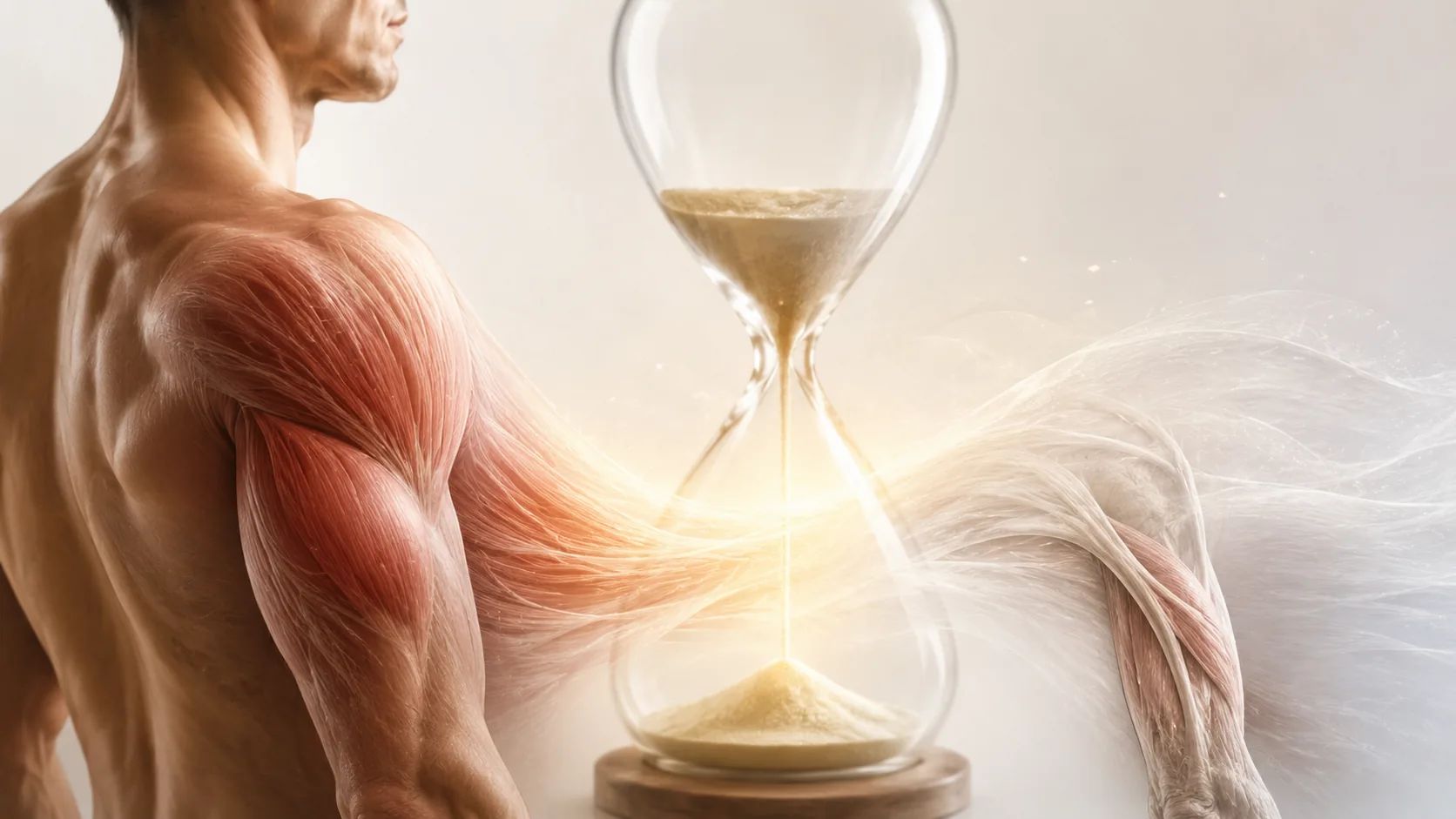

How Can You Preserve Muscle With Age?
Updated July 2026: In my recent research, I’ve been monitoring the latest advancements in muscle preservation strategies for aging populations, and 2025 has brought some exciting developments. Notably, new personalized supplementation protocols utilizing AI-driven genetic analysis are now showing promising results in helping seniors maintain muscle mass more effectively. Additionally, recent clinical trials highlight the growing importance of combining high-intensity interval training (HIIT) with targeted nutritional plans, which together significantly slow down age-related muscle decline. These trends reflect a shift towards more tailored, science-backed approaches that are increasingly accessible, making muscle preservation more achievable than ever before.
Understanding Muscle Loss with Age
Muscle mass naturally declines with age, a process known as sarcopenia. This age-related change can reduce strength, balance, mobility, and overall resilience, making it an important issue for both healthspan and healthy aging. The good news is that muscle loss is not simply an unavoidable consequence of getting older. While aging influences muscle biology, lifestyle choices have a major effect on how much muscle is preserved over time.
Several factors contribute to muscle decline, including reduced physical activity, hormonal changes, lower protein intake, impaired muscle protein synthesis, and slower recovery. Chronic inflammation, metabolic dysfunction, and long periods of inactivity can accelerate these changes. Understanding these mechanisms helps answer an important question: can you preserve muscle with age? In many cases, the answer is yes, especially when exercise, nutrition, and recovery are addressed consistently. Learn more in our complete guide to longevity.
Preserving muscle is not just about appearance or athletic performance. Muscle plays a central role in metabolism, glucose regulation, physical independence, and protection against frailty. For that reason, maintaining muscle mass is one of the most practical strategies for supporting long-term health and function.
Can You Preserve Muscle With Age: Is It Possible?
Understanding the Feasibility of Preserving Muscle
Yes, it is possible to preserve muscle with age. Although muscle-building becomes less efficient over time, the body still responds to resistance training, adequate protein intake, and appropriate recovery well into later life. Research consistently shows that older adults can improve strength, support muscle retention, and enhance functional capacity when the right habits are in place.
Preserving muscle does not mean completely preventing every age-related change. It means slowing decline, maintaining function, and in many cases rebuilding strength that has been lost through inactivity. That distinction matters because it shifts the focus from trying to stop aging to actively improving the way the body ages.
For many people, the biggest barrier is not age itself but inconsistency. Muscle preservation is highly achievable when training and nutrition are treated as long-term lifestyle practices rather than short-term fixes.
Myths and Realities About Aging and Muscle
One of the most common myths is that muscle loss is inevitable and irreversible after a certain age. In reality, while aging increases the risk of sarcopenia, lifestyle remains a major determinant of muscle health. Inactive adults tend to lose muscle faster, while those who remain physically active and nutritionally well-supported often retain far more strength and lean mass.
Another misconception is that only heavy gym training is effective. In practice, resistance bands, bodyweight movements, machines, free weights, and structured functional training can all help preserve muscle when applied progressively. The body responds to challenge, not to a specific brand of exercise.
The reality is that older adults can often make significant gains in strength, mobility, and confidence. That makes muscle preservation a realistic and valuable goal for longevity, healthy aging, and physical independence.
Effective Strategies to Maintain Muscle Mass
Strength Training and Resistance Exercise
Resistance training is one of the most effective ways to preserve muscle with age. It stimulates muscle protein synthesis, helps maintain neuromuscular function, and supports bone density, balance, and metabolic health. Strength training also improves the ability to perform daily activities, making it one of the most practical interventions for extending healthspan.
A well-designed routine does not need to be extreme. Training with weights, resistance bands, or bodyweight exercises two to four times per week can produce meaningful benefits when done consistently. Exercises that target major muscle groups, such as squats, rows, presses, hinges, and step-ups, are especially valuable because they build whole-body strength.
Starting with manageable loads and focusing on proper form is often the most effective approach. Over time, gradual progression helps maintain the stimulus needed for muscle retention and improved function.
Balancing Rest and Recovery
Recovery is an essential part of muscle preservation. Muscle tissue adapts after training, not only during it, so adequate rest, sleep, and recovery practices are necessary for progress. Recovery also becomes more important with age, as repair processes may be slower and injury risk may increase when training is poorly managed.
Rest does not mean complete inactivity. Light movement such as walking, stretching, or mobility work can support circulation and reduce stiffness between harder sessions. This balance helps maintain consistency without overloading the body.
Sleep also plays a major role. Poor sleep can impair recovery, disrupt hormones related to muscle maintenance, and negatively affect energy and training quality. A muscle-preserving strategy should always include recovery as a core component, not an afterthought.
Progressive Overload and Variety
Muscles need a reason to adapt. Progressive overload means gradually increasing the challenge over time, whether by using more weight, performing more repetitions, improving control, or increasing training volume. Without progression, the body has little reason to maintain or build muscle.
Variety also helps by challenging muscles in slightly different ways and reducing the likelihood of plateaus. Rotating exercises, using different rep ranges, or including new movement patterns can improve adherence and broaden physical development.
The key is to keep progression practical and sustainable. Small improvements made consistently over months and years are more effective for muscle preservation than short bursts of overly aggressive training.
The Role of Nutrition in Preserving Muscle
Protein Intake and Timing
Adequate protein intake is essential for preserving muscle with age. Protein provides the amino acids needed for repair, recovery, and muscle protein synthesis. Older adults may need to be especially intentional about protein intake because the body can become less responsive to smaller doses over time.
Including high-quality protein across the day can help support muscle maintenance more effectively than consuming most of it in a single meal. Protein-rich foods such as eggs, dairy, fish, lean meats, legumes, and well-formulated plant-based options can all contribute to muscle health. Post-exercise protein intake may also help support recovery and adaptation after resistance training.
Nutrition does not work in isolation, but when paired with regular strength training, adequate protein becomes one of the strongest tools for maintaining lean mass and supporting healthy aging.
Additional Nutrients Supporting Muscle Health
Protein is central, but other nutrients also matter. Vitamin D supports muscle function and may be especially important in older adults with low levels. Omega-3 fatty acids may help support recovery and inflammatory balance, while magnesium contributes to muscle contraction, energy production, and overall function.
A nutrient-dense diet rich in fruits, vegetables, legumes, healthy fats, and minimally processed foods supports the broader systems involved in muscle preservation. This includes metabolism, recovery, inflammation control, and cellular function. These factors matter because muscle loss is often influenced by the overall health of the body, not just by exercise alone.
Good nutrition supports more than muscle size. It helps maintain strength, energy, recovery capacity, and the biomarkers associated with long-term health and resilience.
Exercise Routines for Muscle Preservation
Incorporating Functional Movements
Functional exercises are especially useful for muscle preservation because they improve both strength and real-world movement capacity. Exercises such as squats, lunges, carries, rows, push-ups, and step-ups help maintain the strength needed for everyday activities like climbing stairs, lifting objects, and getting up from a chair.
These movements also support balance, coordination, and stability, which become increasingly important with age. Training that improves function as well as muscle mass offers broader benefits for healthspan, mobility, and independence.
Starting with good technique and an appropriate level of difficulty is essential. Over time, these exercises can be progressed to keep the body strong and capable.
Cardio and Its Role in Muscle Maintenance
Cardiovascular exercise does not replace strength training, but it complements it. Moderate aerobic activity such as brisk walking, cycling, or swimming supports circulation, heart health, metabolic function, and recovery capacity. These benefits can make it easier to stay active consistently and maintain an overall healthy lifestyle.

A balanced routine that includes resistance training, aerobic activity, and mobility work is often the best approach for preserving muscle while also supporting longevity. Cardio helps maintain the systems that allow regular training to remain sustainable over time.
Personalized Workout Plans
The most effective routine is one that matches individual ability, medical history, recovery capacity, and current fitness level. Personalized plans reduce injury risk, improve adherence, and make progression more realistic. This is especially important for older adults, who may need to work around joint issues, previous injuries, or long periods of inactivity.
A sustainable plan usually starts with realistic goals, manageable session lengths, and steady progression. Consistency matters more than intensity alone. Over time, a personalized approach makes it far easier to preserve muscle, improve strength, and support long-term physical resilience.
References and Resources
These resources provide useful background on muscle loss with age, sarcopenia, resistance training, nutrition, and healthy aging:
Authoritative Sources on Can You Preserve Muscle With Age
- NIH – Aging and Muscle Loss
nih.gov
Explains the biological changes involved in muscle decline with age and highlights evidence-based strategies that may help preserve muscle function.
- ACE – Strength Training for Older Adults
acefitness.org
Provides practical guidance on resistance training approaches that can help older adults preserve muscle, strength, and mobility.
- Mayo Clinic – Protein and Muscle Health
mayoclinic.org
Discusses the role of protein in maintaining muscle mass and supporting recovery, especially as people age.
- Arthritis Foundation – Vitamin D & Muscle
arthritis.org
Covers the relationship between vitamin D, muscle function, and strength in older adults.
- WebMD – Exercise for Older Adults
webmd.com
Offers practical exercise guidance aimed at helping older adults stay active, mobile, and physically capable.
- American Heart Association – Physical Activity & Exercise
heart.org
Highlights the importance of regular movement for cardiovascular health, overall function, and long-term healthy aging.
- National Library of Medicine – Sarcopenia Research
ncbi.nlm.nih.gov
Provides scientific insight into the mechanisms of sarcopenia and interventions that may help slow muscle decline.
Frequently Asked Questions
Frequently Asked Questions
Can You Preserve Muscle With Age without a strict workout routine?
Yes, to a degree. Regular activity such as walking, bodyweight exercises, and light resistance work can help preserve muscle, especially when combined with adequate protein intake. More structured resistance training usually produces stronger results, but strict routines are not the only effective option.
How important is diet compared to exercise in preserving muscle as I age?
Both matter. Exercise provides the stimulus for maintaining muscle, while nutrition supplies the building blocks needed for recovery and repair. Protein intake is especially important, but the strongest results usually come from combining good nutrition with regular resistance training.
Is it too late to start preserving muscle if I’m already older?
No. Older adults can still improve strength, function, and muscle retention through appropriate training and nutrition. Starting later is still highly worthwhile, and consistent habits can produce meaningful benefits at many ages.
What are the biggest misconceptions about muscle preservation with age?
One of the biggest misconceptions is that muscle loss is completely unavoidable and cannot be influenced. In reality, physical activity, protein intake, recovery, and overall lifestyle play a major role in how much muscle is preserved over time.
How can I motivate myself to stay consistent with muscle-preserving habits?
Set realistic goals, choose activities that fit your lifestyle, and track progress in simple ways such as strength, mobility, or energy levels. Consistency is easier when exercise feels practical, achievable, and connected to better health and independence.
Conclusion
It is possible to preserve muscle with age, and doing so is one of the most important strategies for protecting healthspan, mobility, metabolism, and independence. While aging affects muscle biology, regular resistance training, adequate protein, smart recovery, and a supportive lifestyle can significantly slow decline and improve long-term function.
Muscle preservation is not about avoiding aging. It is about aging with more strength, resilience, and physical capability. For anyone interested in longevity science and healthy aging, maintaining muscle mass remains a foundational goal with benefits that extend far beyond the gym.
Find out more information about “Can You Preserve Muscle With Age”
Search for more resources and information: