
Is Extremely Low Body Fat Dangerous?
TL;DR: Extremely low body fat — below roughly 5% in men and 10–12% in women — disrupts hormones, immune function, and metabolism in ways that can cause lasting harm. While lean body composition has genuine health benefits, pushing below essential fat thresholds is counterproductive to longevity and should not be pursued without medical supervision.
Extremely low body fat is genuinely dangerous when it falls below the body’s essential fat threshold. Essential fat — the minimum required for normal physiological function — sits at approximately 5% for men and 10–12% for women. Below these levels, the body begins to break down systems that depend on fat for normal operation, including hormonal regulation, immune defence, and metabolic stability. This is not a grey area: the evidence is clear that chronically depleted fat stores cause measurable harm.
What Counts as Extremely Low Body Fat?
Body fat percentage varies naturally between individuals based on genetics, sex, age, and activity level. In the context of longevity and health, the concern is not about being lean — it is about dropping below the threshold where fat performs essential biological roles.
For men, body fat below approximately 5% is considered dangerously low. For women, the threshold is higher, around 10–12%, because women require more essential fat for reproductive and hormonal function. Competitive bodybuilders and physique athletes sometimes reach these levels intentionally for short periods, but this is typically achieved through dehydration, caloric restriction, and practices that are not sustainable — and are not representative of healthy body composition.
In contrast, a body fat range often associated with good health and longevity is roughly 10–20% for men and 18–28% for women, though optimal ranges vary by individual. The relevant question for longevity is not how low fat can go, but whether fat levels support healthy function over the long term. This article is part of our broader look at longevity testing and trade-offs, which examines how over-optimising health behaviours can itself become harmful.
Health Risks of Extremely Low Body Fat
When body fat drops below essential levels, several physiological systems are affected simultaneously. The risks are not theoretical — they are well-documented in clinical and sports medicine literature.
Hormonal Disruption
One of the most consistent consequences of extremely low body fat is hormonal imbalance. Fat tissue plays an active role in producing and regulating hormones, including oestrogen, leptin, and cortisol. In women, very low body fat is strongly associated with reduced oestrogen levels, leading to menstrual irregularities or complete cessation of menstruation — a condition known as hypothalamic amenorrhea. Over time, this increases the risk of bone density loss and stress fractures. In men, very low fat levels are associated with reduced testosterone. Both outcomes directly undermine long-term health and healthy aging.
Immune Suppression and Slower Recovery
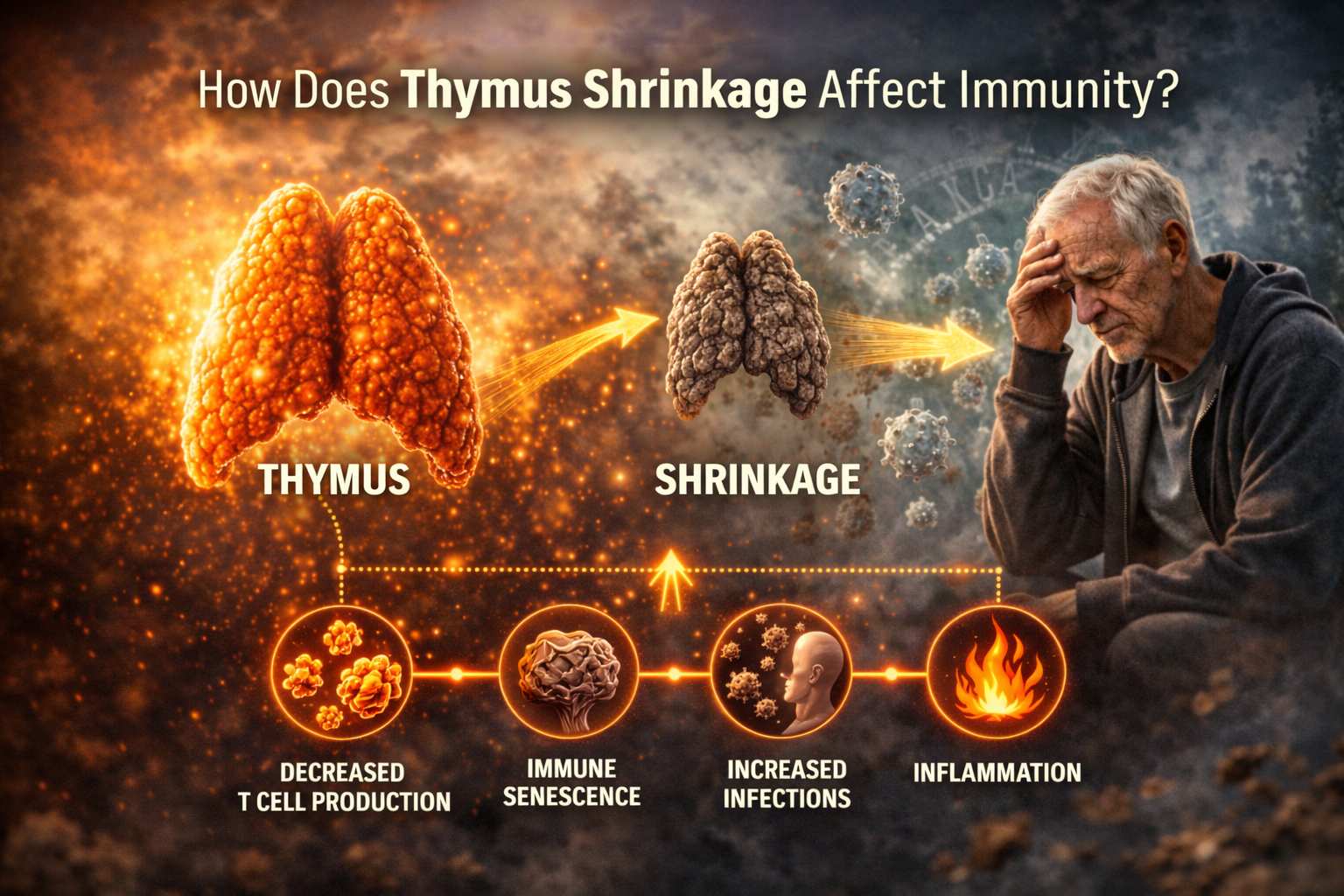
Fat tissue contributes to immune regulation, and critically low levels can impair this function. As a result, individuals with extremely low body fat tend to show reduced immune responses, greater susceptibility to infection, and slower recovery from illness or injury. This is particularly relevant for athletes who train hard while maintaining very low body fat, as the combination of training stress and fat depletion compounds immune suppression. For longevity purposes, a chronically weakened immune system is a meaningful risk factor.
Metabolic and Cardiovascular Effects
Severe fat restriction can dysregulate metabolism. The body interprets extreme fat depletion as a famine signal, downregulating thyroid hormone output and reducing basal metabolic rate. This metabolic adaptation makes it harder to sustain energy levels and can affect cardiovascular function. In severe cases, extremely low body fat is associated with cardiac muscle loss, arrhythmias, and electrolyte imbalances — particularly when fat depletion occurs alongside aggressive caloric restriction.
Mental Health and Cognitive Effects
The hormonal shifts that accompany extremely low body fat also affect mood and cognition. Research suggests that low leptin and oestrogen levels contribute to mood instability, increased anxiety, and difficulty concentrating. Nutritional deficiencies — particularly in fat-soluble vitamins such as A, D, E, and K — compound these effects. In practice, many individuals who push body fat to very low levels report significant psychological strain, including preoccupation with food, fatigue, and irritability.
Is Extremely Low Body Fat Ever Safe?
Some athletes do reach very low body fat percentages for competition without experiencing lasting harm. However, this is typically short-term, carefully managed, and followed by a deliberate return to higher, more sustainable levels. It is not a model for everyday health or longevity.
The distinction matters: brief, supervised periods of low body fat in otherwise healthy individuals are different from chronically maintaining fat below essential thresholds. The longevity risk comes from the latter. Importantly, the pursuit of extremely low body fat is sometimes part of a broader pattern of over-optimisation — where the drive to improve health metrics itself creates harm. This connects directly to the risks of overtraining, chronic fasting, and excessive supplementation, all of which can backfire when taken too far.
It is also worth noting that very low body fat does not necessarily indicate low visceral fat, which is a more clinically meaningful marker. Someone with visible abdominal musculature can still carry problematic visceral fat, while someone with a moderate overall body fat percentage may have very little. Visceral fat — the fat stored around internal organs — is more strongly linked to metabolic disease, insulin resistance, and cardiovascular risk than subcutaneous fat. Learn more in our complete guide to longevity.
For readers interested in how body composition connects to other key risk factors, our article on whether visceral fat is the biggest longevity risk factor provides useful context.
How to Maintain a Healthy Body Fat Level
The goal from a longevity standpoint is not minimal body fat — it is body composition that supports long-term metabolic health, hormonal function, and physical capacity. In practice, this means maintaining enough lean muscle mass alongside a body fat percentage that sits comfortably above essential thresholds.
Evidence consistently supports resistance training as the most effective tool for improving body composition sustainably. Combined with adequate protein intake, it preserves and builds muscle while supporting gradual, controlled fat reduction. Gradual fat loss — typically no more than 0.5–1% of body weight per week — allows the body to adapt without triggering the hormonal and metabolic responses associated with severe restriction.
Regular monitoring of body composition is useful, but the goal should be tracking trends rather than chasing a specific number. Alongside body fat, markers such as waist circumference, fasting glucose, HbA1c, and lipid panels give a more complete picture of metabolic health than body fat percentage alone. If body fat levels are dropping rapidly or warning signs such as fatigue, menstrual disruption, or frequent illness appear, those signals warrant medical review. Any significant change to body composition goals should be discussed with a qualified clinician or registered dietitian.
References and Resources
The following sources provide further reading on body fat, body composition, and associated health risks:
Authoritative Sources on Extremely Low Body Fat
-
CDC — Healthy Weight
cdc.govCovers the importance of maintaining a healthy body weight and the risks associated with extremes in body fat.
-
Journal of Clinical Endocrinology & Metabolism
nih.govResearch on hormonal effects of very low body fat, including impacts on oestrogen, testosterone, and reproductive function.
-
ACE Fitness — Healthy Body Fat
acefitness.orgProvides practical guidelines on healthy body fat ranges and the risks of going below essential fat levels.
-
National Nutrition Institute
nutrition.orgDiscusses essential fat requirements and the nutritional consequences of fat deficiency.
-
WHO — Obesity and Body Composition
who.intGlobal perspective on body composition extremes and their relationship to health outcomes.
-
Medical News Today — Low Body Fat Risks
medicalnewstoday.comAn accessible overview of the documented health risks linked to very low body fat in adults.

Frequently Asked Questions
Is it safe to aim for extremely low body fat levels?
For most people, no. Dropping below essential fat thresholds — around 5% for men and 10–12% for women — disrupts hormones, immune function, and metabolism. Short-term fat reduction for specific athletic goals can be managed with medical supervision, but it is not appropriate as a long-term strategy and carries meaningful health risks.
What are the main risks of extremely low body fat?
The primary risks include hormonal imbalance (including reduced oestrogen or testosterone), immune suppression, metabolic slowdown, bone density loss, and mood instability. In severe cases, cardiac complications can also occur. These risks are well-documented and are not outweighed by aesthetic or performance benefits over the long term.
Can I be lean without reaching dangerously low body fat?
Yes. A lean, healthy body composition — achieved through consistent resistance training and a protein-adequate diet — does not require approaching essential fat thresholds. Most of the metabolic and longevity benefits associated with leanness appear well above the levels considered dangerous.
How do I know if my body fat is becoming dangerously low?
Warning signs include persistent fatigue, menstrual irregularities or cessation, frequent illness, mood changes, and difficulty recovering from exercise. If these symptoms appear alongside aggressive fat loss, medical review is warranted. Regular monitoring of body composition and relevant blood markers — including hormones and bone density if indicated — helps catch problems early.
Conclusion
Extremely low body fat is a genuine health risk, not a marker of peak fitness or optimal longevity. Below essential fat thresholds, the body’s hormonal, immune, and metabolic systems are compromised in ways that directly undermine long-term health. For those interested in longevity, the goal is not to minimise body fat but to maintain a composition that supports sustained physical function, metabolic health, and hormonal balance. In practice, this means staying well above essential fat levels, prioritising muscle mass, and treating body composition as one input among many — not an end in itself.
Find out more information about extremely low body fat and health risks
Search for more resources and information: