Does Sleep Apnea Accelerate Lung Aging?
TL;DR: Untreated sleep apnea contributes to accelerated lung aging through repeated cycles of oxygen deprivation, chronic inflammation, and oxidative stress. Treating sleep apnea effectively — combined with staying physically active and avoiding smoking — is the most practical way to reduce this respiratory burden.
Does Sleep Apnea Accelerate Lung Aging?
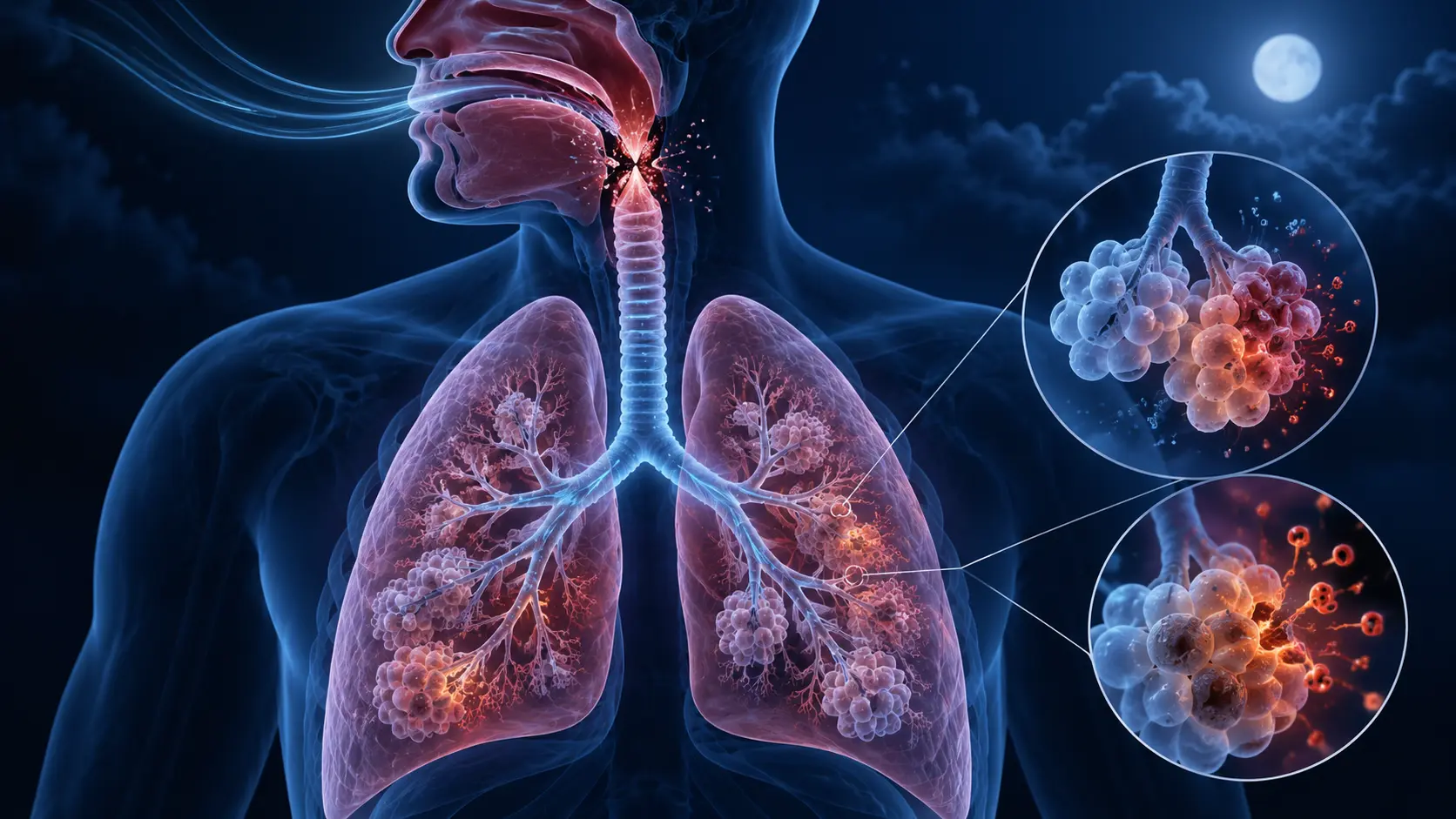
Yes — untreated sleep apnea does appear to accelerate lung aging, though its effects extend beyond the lungs into the broader cardiovascular and respiratory system. The core mechanism involves repeated episodes of hypoxia (oxygen deprivation) during sleep, which trigger inflammation and oxidative stress throughout the body, including in lung tissue. Over time, these repeated insults can impair lung function and contribute to structural changes that mirror accelerated aging. Importantly, sleep apnea is not just a sleep quality issue — it is a chronic respiratory condition with measurable consequences for long-term lung health.
How Sleep Apnea Affects Lung Health
Intermittent Hypoxia and Chronic Inflammation
During a sleep apnea episode, the airway becomes partially or fully obstructed, causing breathing to stop temporarily. This triggers a drop in blood oxygen — a state known as intermittent hypoxia. In response, the body activates inflammatory pathways as a protective mechanism. However, when these episodes repeat dozens or even hundreds of times per night, the inflammatory response becomes chronic rather than temporary.
Research suggests that this sustained low-grade inflammation can damage lung tissue over time. In particular, it may impair the elasticity of lung tissue and contribute to airway remodelling — structural changes that reduce the lungs’ ability to function efficiently. These are hallmarks of accelerated respiratory aging, distinct from the normal, gradual lung function decline that occurs with healthy aging.
Oxidative Stress and Cellular Damage
A closely related mechanism is oxidative stress. Each cycle of oxygen deprivation followed by reoxygenation generates a surge of reactive oxygen species — unstable molecules that damage cells and tissues. Lung cells are particularly vulnerable to this oxidative burden because of their constant exposure to oxygen and airborne particles.
As a result, repeated oxidative injury can impair the repair mechanisms within lung tissue, accelerate cellular aging, and reduce functional lung capacity. Evidence from studies on people with obstructive sleep apnea (OSA) indicates elevated markers of oxidative stress compared to those without the condition, supporting this mechanistic link.
Cardiovascular Strain and Respiratory Load
Sleep apnea also places significant strain on the cardiovascular system, which has indirect consequences for lung function. Repeated arousals and oxygen desaturations elevate blood pressure and increase the workload on the right side of the heart — the side that pumps blood through the lungs. Over time, this can contribute to pulmonary hypertension, a condition in which elevated pressure in the pulmonary arteries further compromises respiratory efficiency and accelerates functional decline. For a broader view of how respiratory function changes with age and which interventions matter most, see our main guide to lung and respiratory longevity.
What the Evidence Shows
Observed Changes in Lung Function
Several studies have found that people with untreated obstructive sleep apnea show reduced lung function compared to age-matched controls. Specifically, reductions in forced expiratory volume (FEV1) and forced vital capacity (FVC) — key measures of lung function — have been observed in OSA patients, suggesting that the condition contributes to measurable functional decline beyond what normal aging alone would predict.
There is also evidence of increased airway inflammation and altered lung mechanics in people with moderate to severe sleep apnea. However, it is worth noting that the relationship between sleep apnea and lung aging is not always straightforward — obesity, a common comorbidity of OSA, independently reduces lung function and can confound results. That said, the mechanistic evidence for sleep apnea’s direct role remains compelling.
Does Treatment Help?
CPAP (continuous positive airway pressure) therapy is the most well-established treatment for obstructive sleep apnea. By maintaining an open airway throughout the night, CPAP eliminates the repetitive hypoxic episodes that drive inflammation and oxidative stress. Evidence indicates that consistent CPAP use can reduce systemic inflammation markers, lower blood pressure, and improve daytime respiratory function.
However, CPAP is unlikely to fully reverse lung tissue changes that have already developed — particularly in those with long-standing untreated OSA. In practice, earlier diagnosis and earlier treatment offer the greatest opportunity to limit cumulative damage. This is consistent with the broader principle in lung longevity: prevention and management of established risk factors matter far more than any single intervention.
Learn more in our complete guide to longevity.
Practical Steps to Protect Lung Function
Treat Sleep Apnea Effectively
The most direct action for anyone with diagnosed sleep apnea is consistent, effective treatment. CPAP remains the gold standard for moderate to severe OSA. Oral appliances are an alternative for milder cases. Addressing contributing factors — particularly excess body weight, which physically narrows the airway — can also meaningfully reduce apnea severity. In some cases, significant weight loss eliminates clinically significant OSA entirely.
Stay Cardiovascularly Fit
Regular aerobic exercise is one of the most evidence-backed ways to support lung function as we age. Cardio training improves respiratory muscle endurance, enhances oxygen uptake efficiency, and supports cardiovascular health — all of which reduce the strain that sleep apnea places on the respiratory system. Evidence also suggests that exercise can reduce OSA severity independently, likely through improvements in upper airway muscle tone and reductions in body weight. For more detail on this, see our article on whether cardio improves lung longevity.
Avoid Smoking and Minimise Pollution Exposure
Smoking and chronic air pollution exposure are the most well-established accelerants of lung aging — and both compound the damage caused by sleep apnea. For anyone with OSA, avoiding smoking is not optional: it accelerates airway inflammation, impairs mucus clearance, and worsens structural lung decline. Similarly, minimising exposure to particulate matter and indoor air pollutants reduces the cumulative inflammatory burden on the lungs.
Monitor Lung Health Proactively
People with confirmed sleep apnea benefit from periodic lung function assessments, particularly spirometry, to track any changes in FEV1 and FVC over time. Early identification of functional decline allows for timely intervention — whether that means optimising OSA treatment, increasing physical activity, or investigating other contributing factors. This kind of proactive monitoring is especially relevant for those with moderate to severe OSA or those who have had the condition untreated for several years.
References and Resources
Authoritative Sources
-
The Impact of Sleep Apnea on Lung Function
ncbi.nlm.nih.govPeer-reviewed study examining how sleep apnea influences lung tissue and function over time, with a focus on inflammation and oxidative stress as key mechanisms.
-
Sleep Foundation: Sleep Apnea Overview
sleepfoundation.orgA reliable overview of sleep apnea, including its systemic health effects and links to respiratory decline.
-
Research on Lung Aging and Sleep Apnea
atsjournals.orgExamines how sleep-disordered breathing may accelerate lung tissue aging and functional decline.
-
European Respiratory Journal: Lung Aging
ersjournals.comCovers age-related structural changes in the lungs and how chronic conditions such as sleep apnea may accelerate this process.
-
Mayo Clinic: Sleep Apnea Causes and Risks
mayoclinic.orgClinical overview of sleep apnea risk factors and long-term health consequences, including respiratory effects.
-
Oxidative Stress and Lung Aging
ncbi.nlm.nih.govReviews the role of oxidative stress in lung aging, providing mechanistic context for how sleep apnea-related hypoxia may accelerate cellular decline.
-
WebMD: Sleep Apnea Guide
webmd.comAccessible guide to sleep apnea management and its implications for aging and respiratory health.

-
National Heart, Lung, and Blood Institute
nhlbi.nih.govComprehensive research and clinical guidelines on sleep apnea, including its relationship to lung health and prevention strategies.
Frequently Asked Questions
Does sleep apnea accelerate lung aging?
Yes. Untreated sleep apnea contributes to accelerated lung aging through repeated cycles of oxygen deprivation, which drive chronic inflammation and oxidative stress in lung tissue. Over time, these mechanisms can impair lung elasticity and reduce functional capacity beyond what normal aging alone would cause. Effective treatment — particularly CPAP therapy — reduces these harmful effects.
Can treating sleep apnea reverse lung aging?
Treatment such as CPAP therapy can significantly reduce the ongoing damage caused by sleep apnea, including lowering inflammation markers and improving respiratory function. However, it is unlikely to fully reverse structural changes that have already developed — particularly in those with long-standing untreated OSA. Early diagnosis and consistent treatment offer the greatest protective benefit.
What lifestyle changes help protect lung function in people with sleep apnea?
Maintaining a healthy weight, exercising regularly, and avoiding smoking are the most evidence-backed lifestyle factors. Weight loss can meaningfully reduce OSA severity, while aerobic exercise supports respiratory muscle function and cardiovascular health. Avoiding smoking is particularly important, as it independently accelerates lung aging and compounds the damage caused by OSA.
What are the signs that sleep apnea may be affecting lung function?
Indicators may include reduced exercise tolerance, unexplained breathlessness, recurrent respiratory infections, and declining performance on spirometry tests (FEV1, FVC). These symptoms in someone with sleep apnea warrant a thorough assessment by a respiratory or sleep medicine specialist, as they may reflect accelerated functional decline rather than normal aging.
Does the severity of sleep apnea affect how much it accelerates lung aging?
Severity does appear to matter. More frequent and prolonged apnea episodes produce greater hypoxic stress, higher oxidative burden, and more sustained inflammation — all of which increase the cumulative impact on lung tissue. People with moderate to severe OSA are therefore at greater risk of accelerated respiratory decline than those with mild or well-controlled disease.
Conclusion
Sleep apnea contributes to accelerated lung aging primarily through repeated cycles of hypoxia, chronic inflammation, and oxidative stress. These mechanisms are well-established, and the evidence supports a meaningful link between untreated OSA and faster-than-normal declines in lung function. That said, sleep apnea is a manageable condition. Effective treatment — particularly consistent CPAP use — reduces the inflammatory and oxidative burden significantly. Combined with regular aerobic exercise, avoidance of smoking, and proactive lung function monitoring, treating sleep apnea is one of the most practical steps available for protecting long-term respiratory health. For most people, these interventions — not supplements or novel therapies — represent the genuine levers for slowing respiratory aging.
Find out more information about sleep apnea and lung aging
Search for more resources and information:
Similar Posts
Can Epigenetic Age Be Reversed?
Table of Contents Can Epigenetic Age Be Reversed? What Is Epigenetic Age and How Is It Measured? What the Evidence Actually Shows How Lifestyle Factors Influence Epigenetic Age Emerging Technologies: Reprogramming and Beyond References Can Epigenetic Age Be Reversed? TL;DR: Research suggests epigenetic age can be partially reduced through lifestyle interventions and, in animal studies,…
Does Fatty Liver Shorten Lifespan?
Table of Contents Understanding Fatty Liver and Its Impact on Longevity How Fatty Liver Can Affect Lifespan Factors That Influence How Fatty Liver Shortens Lifespan Preventive Measures and Lifestyle Changes Practical Takeaways and Final Thoughts References and Resources Understanding Fatty Liver and Its Impact on Longevity Yes, fatty liver can shorten lifespan, especially when it…
Does Alcohol Accelerate Liver Aging?
Table of Contents Does Alcohol Accelerate Liver Aging? How the Liver Ages Normally How Alcohol Damages the Liver Does Moderate Drinking Still Matter? What Reducing or Stopping Alcohol Actually Does References and Resources FAQ Conclusion Does Alcohol Accelerate Liver Aging? TL;DR: Yes — alcohol accelerates liver aging through inflammation, fat accumulation, oxidative stress, and scarring….
Does Rapamycin Reduce Senescence?
Table of Contents What Is Rapamycin and How Does It Relate to Senescence? How Rapamycin Affects Senescent Cells What the Evidence Actually Shows Limitations, Risks, and Practical Considerations Frequently Asked Questions References and Resources Conclusion TL;DR: Rapamycin — an mTOR inhibitor — appears to reduce markers of cellular senescence and suppress the SASP in animal…
How Does Oxidative Stress Affect the Brain?
Table of Contents Understanding Oxidative Stress and Its Impact on the Brain Does Oxidative Stress Affect the Brain? How It Contributes to Neurodegeneration The Connection Between Oxidative Stress and Cognitive Decline Strategies to Mitigate Oxidative Stress and Protect Brain Health References and Resources Understanding Oxidative Stress and Its Impact on the Brain TL;DR: Yes, oxidative…
Does Vitamin C Improve Immune Aging?
Table of Contents Vitamin C and Immune Aging: What the Evidence Shows How Vitamin C Supports Immune Cell Function Vitamin C, Inflammation, and Oxidative Stress Limitations and What Vitamin C Cannot Do Practical Guidance: Intake, Sources, and Dosing References and Resources Does Vitamin C Improve Immune Aging? TL;DR: Vitamin C supports normal immune cell function…