Does Chronic Viral Infection Accelerate Aging?
Does Chronic Viral Infection Accelerate Aging?
TL;DR: Evidence suggests that persistent viral infections — particularly herpesviruses like CMV and EBV — can accelerate immune aging and low-grade inflammation, contributing to faster biological decline. They are a meaningful risk factor for accelerated aging, but not an inevitable or sole cause.
Do Chronic Viral Infections Accelerate Aging?
Research suggests that chronic viral infections can accelerate several biological processes associated with aging — particularly immune aging (immunosenescence) and chronic low-grade inflammation, often called inflammaging. They do not cause aging directly, but persistent viral activity appears to amplify two of the most well-documented drivers of age-related decline. The extent of that acceleration depends on the virus involved, how well it is controlled, and the individual’s broader immune and metabolic health.
Chronic viral infections are those where a virus persists in the body long-term, often without obvious symptoms. Common examples include cytomegalovirus (CMV), Epstein-Barr virus (EBV), herpes simplex virus (HSV), hepatitis B and C viruses, and HIV. These are not rare: CMV alone infects an estimated 50–85% of adults over 40 in high-income countries. Understanding their relationship with aging is therefore relevant to a large proportion of the population.
For broader context on how the immune system changes with age, see our guide to immune aging and chronic inflammation.
How Chronic Viral Infections Drive Inflammaging
One of the clearest mechanisms through which chronic viral infections may accelerate aging is by sustaining low-grade systemic inflammation. When a virus persists in the body, the immune system remains in a state of low-level activation — continuously producing pro-inflammatory cytokines in an attempt to suppress viral replication.
Over time, this persistent immune activation contributes to inflammaging: the chronic, sterile, low-grade inflammation that accumulates with age and is associated with a wide range of age-related diseases, including cardiovascular disease, type 2 diabetes, and neurodegeneration. In this context, a chronic viral infection does not simply sit dormant — it actively maintains an inflammatory environment that can accelerate tissue damage and organ decline.
Importantly, the relationship is not straightforwardly causal in all cases. Elevated inflammation markers such as CRP or interleukin-6 (IL-6) are frequently observed in people with chronic viral infections, but these associations do not confirm that the infection alone is responsible for accelerating aging. Other factors — including metabolic health, sleep quality, and physical activity — also influence the same inflammatory pathways. That said, the contribution of persistent viral infection to inflammaging is biologically plausible and supported by a meaningful body of research.
Immune Exhaustion and Immunosenescence
Chronic viral infections also place sustained demands on the adaptive immune system. In particular, long-lived viruses like CMV drive the progressive accumulation of highly differentiated, antigen-specific T cells — immune cells that are effective against the virus but have limited capacity to respond to new threats. Over decades, this can significantly reshape the composition of the immune system, a phenomenon sometimes called the “CMV effect” on immune aging.
This immune remodelling is one reason why CMV infection has attracted particular attention in longevity research. Studies have associated CMV seropositivity in older adults with reduced responses to new vaccines, greater susceptibility to other infections, and in some cohort studies, increased all-cause mortality risk — though causation has not been firmly established. You can read more about this in our article on whether CMV infection shortens lifespan.
More broadly, the sustained immune activation required to manage a persistent viral infection accelerates immunosenescence — the gradual decline in immune competence that occurs with age. As a result, people with poorly controlled chronic viral infections may experience earlier or more pronounced immune aging than those without such infections.
Cellular Damage and Senescence
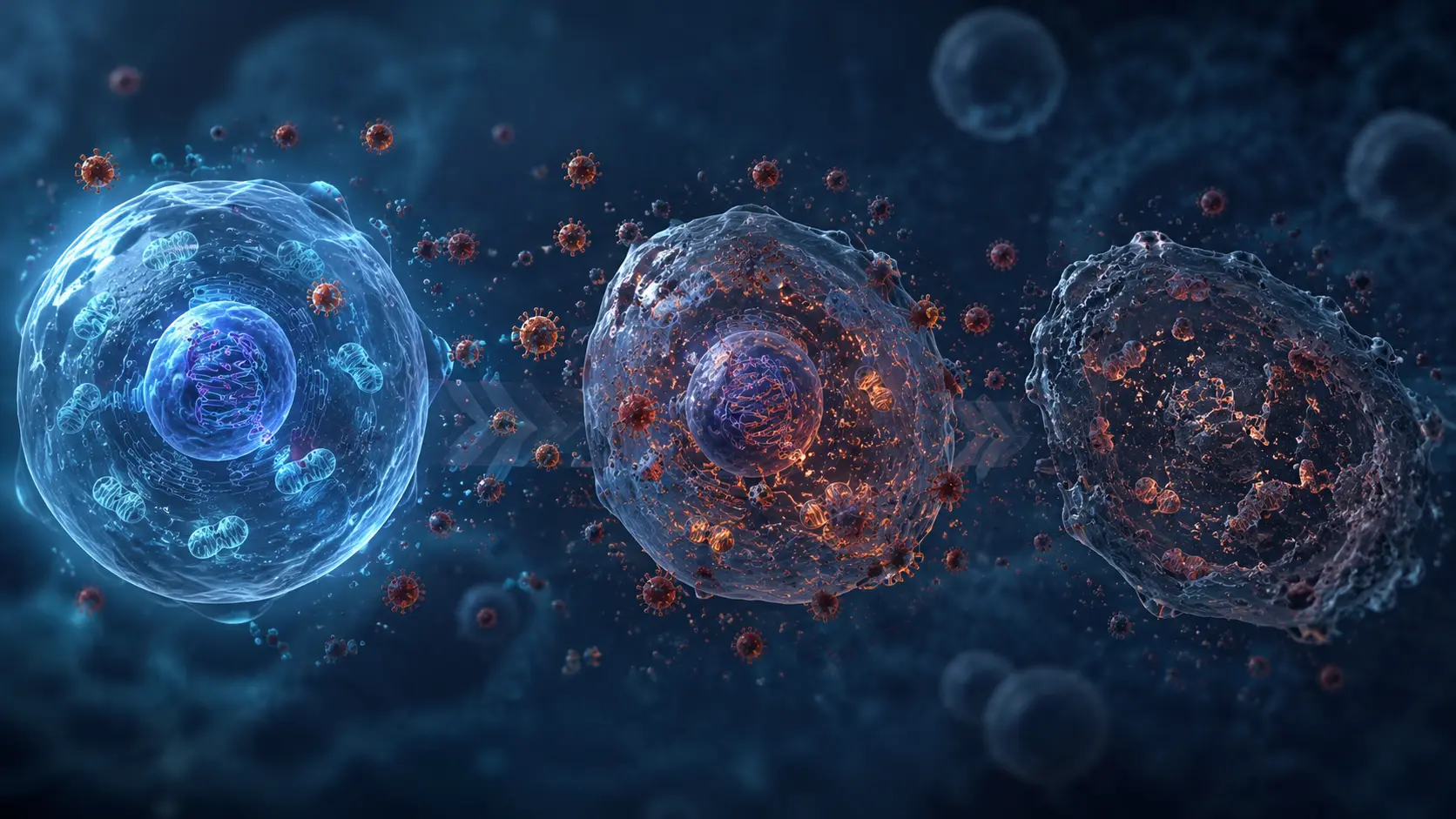
Beyond inflammation and immune exhaustion, some chronic viral infections are associated with direct cellular damage. Persistent viral replication can induce oxidative stress, DNA damage, and cellular senescence — a state in which cells stop dividing and begin secreting inflammatory mediators (the senescence-associated secretory phenotype, or SASP). Senescent cells accumulate with age and are thought to contribute to tissue dysfunction and systemic inflammation.
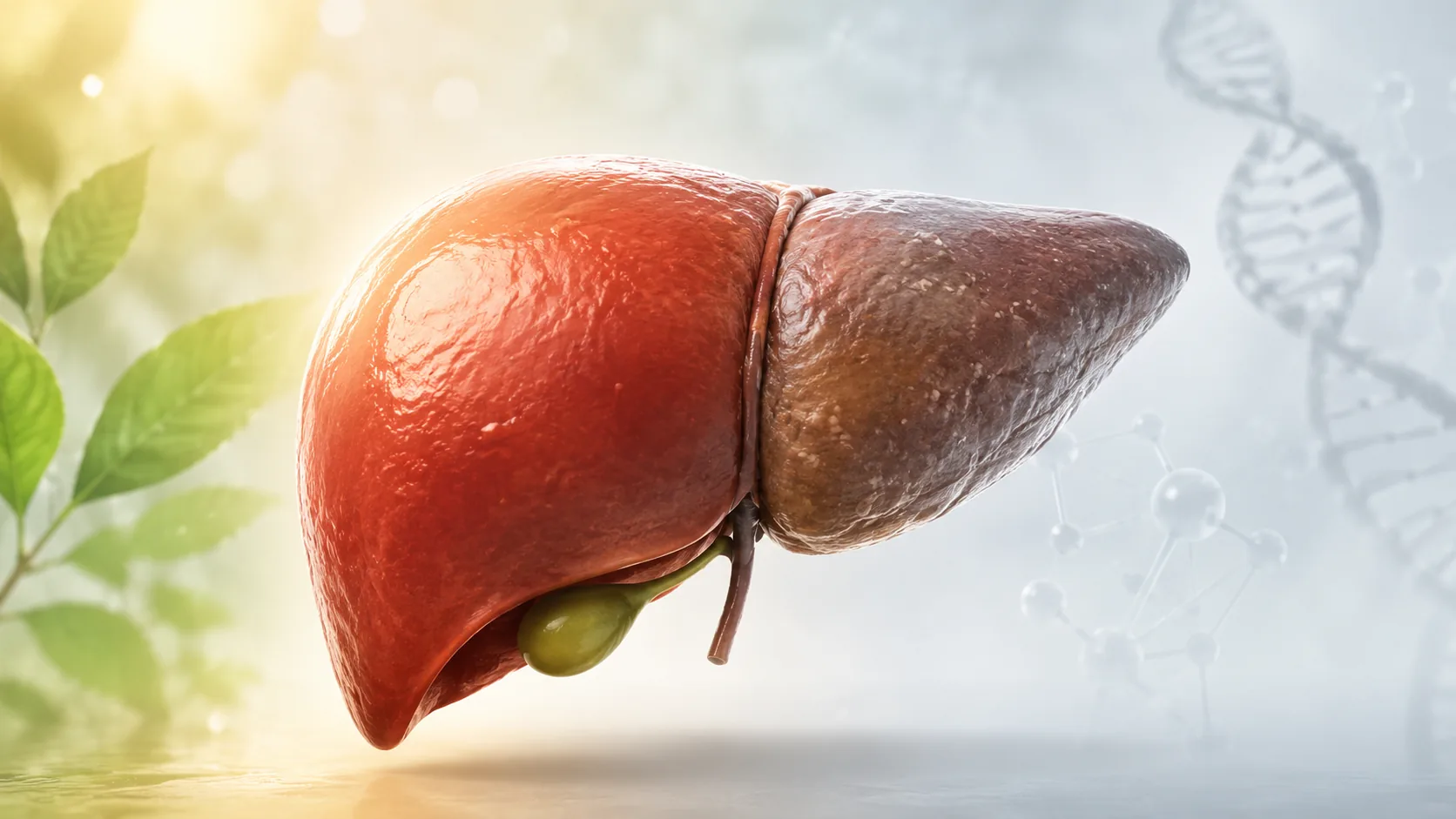
Hepatitis B and C viruses, for example, cause sustained liver inflammation that promotes hepatocyte senescence and fibrosis. In some individuals this progresses to cirrhosis or hepatocellular carcinoma. The liver damage, however, is not isolated: systemic oxidative stress and inflammatory signalling from chronically inflamed hepatic tissue can affect cardiovascular and metabolic health more broadly.
Similarly, EBV — which persists latently in B cells — has been associated with autoimmune conditions and, in some contexts, with accelerated epigenetic aging. The evidence here is still developing, and correlation does not confirm causation, but the biological mechanisms are plausible and warrant ongoing research. Learn more in our article on whether EBV reactivation affects aging.
Which Viruses Are Most Associated with Accelerated Aging?
Cytomegalovirus (CMV)
CMV is the most studied chronic viral infection in the context of immune aging. It persists lifelong, drives T cell exhaustion, and has been associated with accelerated immunosenescence in multiple large cohort studies. Current evidence positions CMV as a significant contributor to immune aging in older adults, though it is not the only factor and its impact varies considerably between individuals.
Epstein-Barr Virus (EBV)
EBV infects most adults globally and persists latently in B cells. Reactivation has been associated with autoimmune conditions including multiple sclerosis and lupus. Emerging research suggests EBV may influence epigenetic aging, though human evidence remains limited and largely observational.
Hepatitis B and C
Chronic hepatitis B and C infections cause progressive liver damage and systemic inflammation. Effective antiviral treatment substantially reduces liver-related morbidity and mortality. Whether successful viral clearance also reverses associated biological aging effects is an active area of research.
HIV
HIV is one of the most extensively studied chronic viral infections in the context of aging. Even with effective antiretroviral therapy, people living with HIV show markers of accelerated immune aging, greater rates of non-AIDS age-related conditions, and in some studies, higher biological age relative to chronological age. The mechanisms include both direct viral effects and the inflammatory consequences of long-term immune activation.
Practical Implications
The most evidence-supported approach to reducing the aging-related burden of chronic viral infections is effective medical management. For hepatitis B and C, antiviral therapies can achieve viral suppression or cure, reducing ongoing inflammatory damage. For HIV, antiretroviral therapy substantially lowers viral load and partially mitigates immune aging, though it does not fully normalise immune function. For herpesviruses, antiviral suppression therapy reduces reactivation frequency and associated inflammation in high-risk individuals.
Beyond specific antiviral treatment, the lifestyle factors most consistently associated with reduced inflammaging are relevant here too. Regular moderate exercise, restorative sleep, and a diet low in ultra-processed foods all support immune regulation and reduce systemic inflammation — mechanisms that may partially offset the inflammatory burden of persistent viral infection.
That said, no lifestyle intervention has been shown to eliminate the immune aging effects of chronic viral infection. These are best understood as complementary supports, not replacements for medical management.
Learn more in our complete guide to longevity.
References and Resources
Authoritative Sources
-
CDC Hepatitis Resources
cdc.govComprehensive information on hepatitis viruses, their chronic nature, and long-term health implications.
-
WHO Herpes Simplex Virus Facts
who.intOverview of herpesvirus biology, global prevalence, reactivation patterns, and potential systemic effects.
-
NIH NIAID Hepatitis Research
niaid.nih.govResearch on hepatitis viruses and their systemic effects, including inflammation and cellular aging.
-
PLOS Biology: Viral Infections and Aging
plos.orgAcademic research exploring how persistent viral infections influence aging mechanisms at the cellular level.
-
Aging and Viral Infections: A Review
aging-us.comA peer-reviewed review of how chronic viral infections interact with aging biology across multiple mechanisms.
-
WebMD: Managing Chronic Viral Infections
webmd.comPatient-accessible guidance on managing chronic viral infections and reducing their long-term health burden.
-
Healthline: Herpes and Aging
healthline.comDiscusses how herpesviruses may influence aging and how to manage reactivation to reduce impact.

-
Medical News Today: HIV and Aging
medicalnewstoday.comExplores how HIV infection influences aging processes and what treatments can help mitigate these effects.
Frequently Asked Questions
Can chronic viral infections accelerate aging?
Evidence suggests they can. Chronic viral infections such as CMV, EBV, and hepatitis B and C are associated with increased inflammation, immune exhaustion, and cellular senescence — all of which are mechanisms involved in accelerated biological aging. However, the degree of impact varies considerably depending on the virus, how well it is managed, and the individual’s overall health. These infections are a contributing factor, not an inevitable cause of accelerated aging.
Can managing chronic viral infections slow down aging?
Effective medical management — such as antiviral therapy for hepatitis or HIV — can reduce viral load, lower systemic inflammation, and partially mitigate immune aging. Complementary lifestyle measures including regular exercise, adequate sleep, and a balanced diet may also reduce inflammaging. However, no intervention currently available reverses the immune aging effects of chronic viral infection entirely.
Which viruses are most associated with accelerated aging?
CMV is the most studied and has the strongest evidence linking it to accelerated immune aging in older adults. HIV is associated with accelerated biological aging even in people receiving effective treatment. Hepatitis B and C cause progressive liver and systemic damage. EBV has been associated with autoimmune conditions and possibly epigenetic aging, though the evidence is less established.
Does chronic viral infection accelerate aging in everyone equally?
No. The extent of impact depends on factors including the specific virus, duration of infection, immune competence, genetic background, and overall metabolic health. Some individuals with persistent viral infections show minimal signs of accelerated aging, while others experience more pronounced effects. Early diagnosis and consistent management are the most reliable ways to reduce risk.
Conclusion
Chronic viral infections — particularly CMV, EBV, hepatitis viruses, and HIV — are associated with accelerated immune aging, sustained low-grade inflammation, and cellular senescence. The evidence indicates these are meaningful contributing factors to biological aging, rather than its direct cause. Importantly, the impact is not uniform: it depends on the virus, the individual, and how effectively the infection is managed.
From a practical standpoint, the most evidence-supported step is appropriate medical treatment to reduce viral activity and limit inflammatory burden. Lifestyle measures that support immune regulation — including consistent exercise, quality sleep, and a largely whole-food diet — are relevant complements, though they do not replace antiviral therapy where it is indicated.
Chronic viral infection is one piece of a more complex picture of immune aging. Understanding where it fits helps prioritise the interventions most likely to support healthspan over time.
Find out more information about chronic viral infection and aging
Search for more resources and information: