What Is the Best Organ Health Longevity Plan?
What Is the Best Organ Health Longevity Plan?
TL;DR: The most evidence-supported approach to organ health and longevity centres on consistent lifestyle habits — regular exercise, a diet low in ultra-processed foods, quality sleep, and effective stress management. No single supplement or protocol reverses organ aging, but these foundational strategies meaningfully slow functional decline across multiple organ systems.
The best organ health longevity plan is not a single protocol. Rather, it is a sustained combination of lifestyle practices — exercise, diet, sleep, and inflammation control — that collectively slow the functional decline of key organ systems over time. Each organ ages differently and responds to different inputs, which means the most effective approach addresses multiple systems simultaneously rather than optimising for one in isolation.
What Does an Organ Health Longevity Plan Actually Involve?
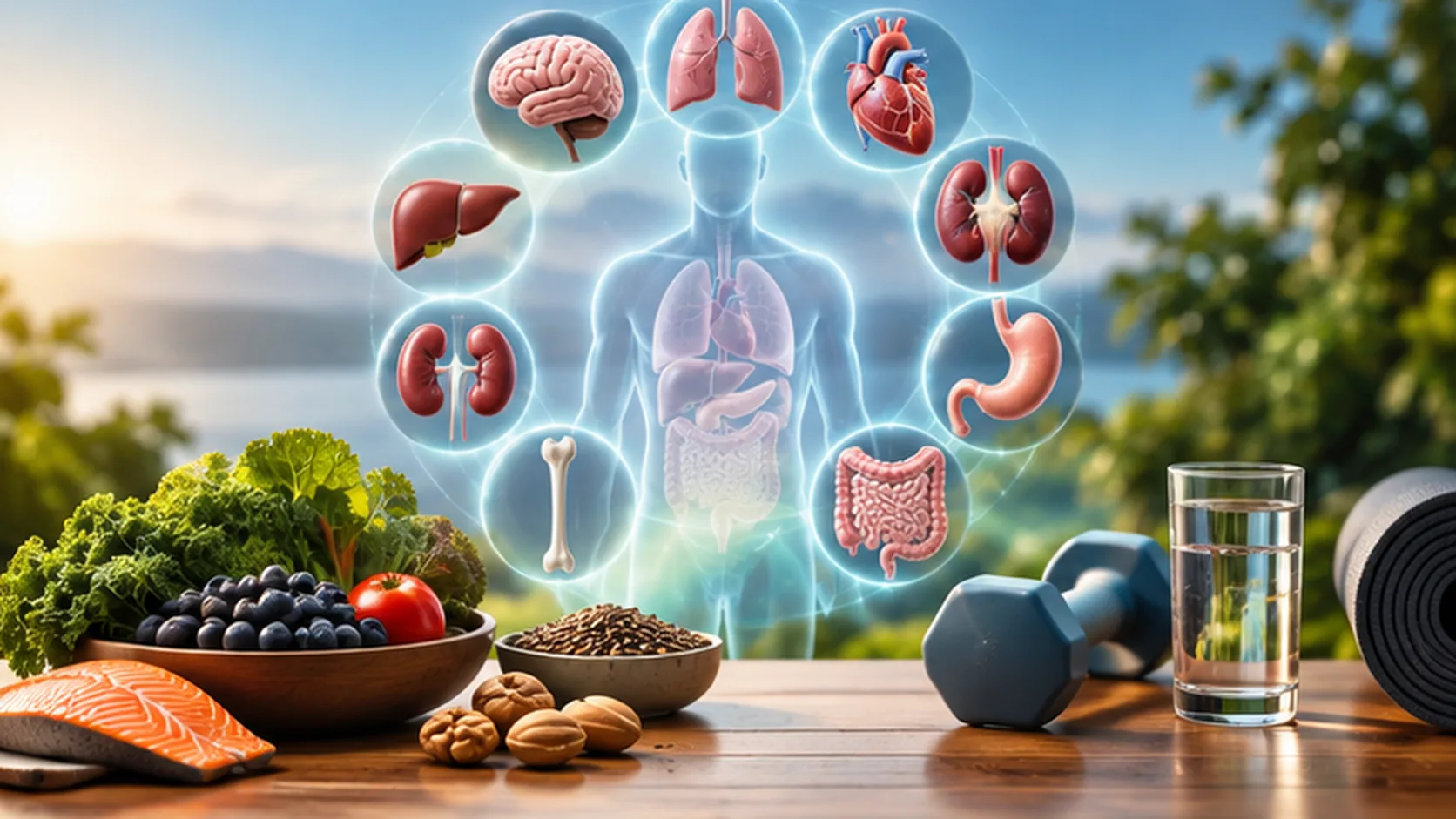
Organs age at different rates and are shaped by different combinations of genetics, cumulative lifestyle exposures, and underlying disease. The kidneys, liver, lungs, brain, heart, muscle, bone, gut, and immune system all follow distinct trajectories — and their decline is measured by established clinical markers, not proprietary wellness tests. For example, kidney function is tracked via eGFR, cardiovascular fitness via VO₂ max, bone integrity via DEXA scan, and arterial health via calcification scoring. These are standard diagnostic tools used in medicine, not biological age gimmicks.
Importantly, there is a meaningful difference between normal age-related decline and pathological decline. Gradual eGFR reduction in older adults, for instance, is not a crisis — it is expected physiology. Fatty liver disease, osteoporosis, and severe gut dysmotility, however, are pathological states that meaningfully increase mortality risk and are worth addressing clinically. A good organ health plan distinguishes between the two and avoids over-medicalising normal aging.
For a broader overview of how individual organ systems decline with age and what that means for healthspan, see our guide to organ-specific aging. Learn more in our complete guide to longevity at longevityinsights.co.uk/what-is-longevity/.
In practice, the modifiable factors that matter most across nearly all organ systems are: physical activity, dietary quality, sleep, chronic stress, alcohol intake, and smoking. These are not novel claims — they represent the consistent findings of decades of epidemiological and clinical research.
Diet and Nutrition for Organ Longevity
What to Prioritise
A diet that supports organ longevity consistently shares several features across research: it is high in vegetables, legumes, whole grains, and healthy fats; moderate in lean protein; and low in ultra-processed foods, added sugars, and excess saturated fat. This pattern reduces systemic inflammation, supports insulin sensitivity, and lowers the risk of metabolic disease — all of which directly affect liver, kidney, cardiovascular, and pancreatic function over time.
Cruciferous and leafy green vegetables contain compounds that support hepatic detoxification pathways. Healthy fats from sources such as olive oil, fatty fish, nuts, and avocados help maintain cell membrane integrity and reduce pro-inflammatory signalling. Berries and other polyphenol-rich foods provide antioxidant compounds that, at least in research settings, show protective effects on vascular and brain tissue.
Excess caloric intake — particularly from refined carbohydrates and saturated fat — is one of the most consistent drivers of metabolic liver disease and pancreatic stress. Reducing this burden has a measurable effect on organ function, including liver enzyme normalisation and improved insulin response.
Hydration
Adequate hydration supports renal filtration and reduces the concentration of waste products the kidneys must process. This is particularly relevant as kidney function declines gradually with age. There is no need for extreme hydration targets — consistent, steady fluid intake throughout the day is sufficient for most adults.
Lifestyle Habits That Support Organ Health
Exercise
Regular physical activity is the single most consistently evidence-supported lifestyle intervention for multi-organ longevity. Exercise improves cardiovascular function, maintains VO₂ max (a strong predictor of all-cause mortality), preserves muscle mass, supports insulin sensitivity, reduces hepatic fat accumulation, and slows age-related bone density loss. Both aerobic exercise and resistance training contribute — ideally, a plan includes both.
Muscle loss (sarcopenia) accelerates meaningfully after the age of 60 and is independently associated with increased mortality risk. Resistance training is the most effective known intervention to slow this process. It does not reverse underlying aging biology, but it substantially preserves functional capacity and metabolic health. For more on this, see our article on whether muscle atrophy shortens lifespan.
Sleep
Sleep is when multiple organ systems carry out repair and consolidation processes. The liver, brain (via glymphatic clearance), and immune system are particularly dependent on adequate sleep duration and quality. Chronic sleep deprivation increases systemic inflammation, disrupts glucose regulation, and impairs cardiovascular recovery. Evidence consistently supports 7–9 hours of quality sleep per night for most adults as a meaningful component of long-term organ health.
Practical steps to improve sleep quality include maintaining consistent sleep and wake times, reducing light and screen exposure in the hour before bed, and keeping the bedroom cool and dark. Circadian rhythm alignment — sleeping in sync with natural light cycles — appears to have additional benefits for metabolic and cardiovascular function.
Stress Management
Chronic psychological stress drives sustained elevation of cortisol and pro-inflammatory cytokines, which over time impair endothelial function, promote cardiovascular disease, and accelerate immune aging. Techniques with the strongest evidence base for stress reduction include regular aerobic exercise, mindfulness meditation, and adequate social connection. These are not wellness add-ons — they have documented physiological effects on inflammation and autonomic nervous system regulation.
Avoiding Clear Harms
Smoking and excess alcohol intake are among the most damaging modifiable exposures for organ health across multiple systems — lungs, liver, kidneys, cardiovascular system, and brain. Eliminating or significantly reducing these two factors likely delivers more measurable benefit than any supplement or adjunctive therapy.
Supplements: What the Evidence Actually Supports
Supplements are frequently marketed with strong claims about organ protection and longevity. In practice, the human evidence for most of these claims is limited, inconsistent, or derived from studies that do not reflect real-world supplementation in healthy adults.
That said, a small number of nutrients have reasonable evidence for supporting organ health in the context of deficiency or specific clinical need:
- Omega-3 fatty acids — evidence supports modest anti-inflammatory and cardiovascular benefits, particularly in those with low dietary fish intake.
- Vitamin D — important for bone health, immune function, and muscle performance, particularly in people with documented deficiency or low sun exposure.
- Magnesium — supports muscle function, cardiovascular health, and sleep quality; many adults consume below optimal amounts through diet alone.
- Probiotics — evidence for gut health benefits is growing, though strain-specific effects vary considerably and the field is still maturing.
Herbal compounds such as milk thistle (silymarin) have plausible mechanisms for liver support and some clinical evidence in liver disease contexts, but evidence in healthy populations is less clear. Adaptogens like ashwagandha show some promise for stress modulation, though robust long-term human trials are limited.
NAD+ precursors (such as NMN and NR) are an active area of research, with interesting preclinical data on cellular energy metabolism. However, human evidence for meaningful organ-level benefits remains preliminary. These compounds should not be framed as reversal agents for organ aging — the evidence does not currently support that claim.
Supplements work best as targeted additions to an already strong lifestyle foundation — not as substitutes for it. Before adding any supplement, it is worth confirming whether a genuine deficiency or clinical rationale exists, ideally in consultation with a healthcare professional.
Combining Strategies: A Realistic Framework
The honest answer to what constitutes the best organ health longevity plan is that no single intervention is sufficient. The evidence points consistently toward a combination of regular exercise (aerobic and resistance), a whole-food dietary pattern, quality sleep, effective stress management, and avoidance of major harmful exposures. These are the pillars that appear across virtually all longevity-relevant research on organ function.
Importantly, some functional improvement in organ health is achievable through these interventions — particularly in modifiable conditions like metabolic liver disease, reduced cardiovascular fitness, or early bone density loss. However, full reversal of organ aging is not an established outcome. Normal, gradual age-related decline continues regardless of lifestyle quality; the goal of a longevity plan is to slow pathological acceleration of that decline and preserve functional capacity for as long as possible.
The question of whether organ-specific aging is meaningfully reversible is explored further in our article on whether organ-specific aging is reversible. The short answer: some functional improvements are achievable; structural reversal of aging biology is not currently within reach of any established lifestyle or supplement protocol.
In practice, the most actionable approach is to identify the areas of greatest personal risk — whether metabolic, cardiovascular, musculoskeletal, or other — and prioritise the lifestyle changes that most directly address those systems. Consistency over time matters far more than any short-term optimisation strategy.
References and Resources
Authoritative Sources on Organ Health and Longevity
-
National Institute of Diabetes and Digestive and Kidney Diseases
nih.govComprehensive clinical information on liver and kidney health, including how diet and lifestyle affect organ function over time.
-
World Health Organization — Cardiovascular Disease
who.intGlobal evidence base on cardiovascular risk, prevention strategies, and the role of lifestyle in long-term heart health.
-
Research on Hepatic Detoxification Pathways
ncbi.nlm.nih.govExplores the biochemistry of liver detoxification and how nutritional factors influence these pathways.
-
Evidence on Herbal Supplements for Organ Support
medicalnewstoday.comA balanced overview of the current evidence for commonly used herbal compounds, including milk thistle and adaptogens.
-
Nutritional Strategies for Longevity — American Journal of Clinical Nutrition
oup.comPeer-reviewed analysis of dietary patterns and their relationship to healthy aging and organ function.
-
Healthy Eating and Organ Health
webmd.comPractical nutritional guidance on eating patterns associated with reduced disease risk and better long-term health outcomes.
-
Anti-Inflammatory Diet — Overview and Evidence
healthline.comSummarises the evidence for anti-inflammatory dietary approaches and their relevance to chronic disease prevention and organ health.

Frequently Asked Questions
What is the most important factor in an organ health longevity plan?
Regular physical activity is the single most consistently supported factor across research. It improves cardiovascular function, preserves muscle mass, supports metabolic health, and slows functional decline across multiple organ systems. Diet quality and sleep are closely tied to it in importance. No single supplement or treatment matches the cumulative benefit of these foundational habits.
How do I know if my organs are healthy?
The most reliable way is through routine clinical testing — blood panels, urine tests, and imaging where appropriate. Key markers include eGFR for kidney function, liver enzymes for hepatic health, lipid panels and blood pressure for cardiovascular risk, and bone density scans (DEXA) for skeletal integrity. These are standard diagnostic tools available through your GP or healthcare provider.
Can supplements meaningfully support organ longevity?
Some supplements have reasonable evidence for specific purposes — omega-3s for inflammation and cardiovascular health, vitamin D for bone and immune function, magnesium for muscle and metabolic support. However, supplements are most useful when they address a genuine deficiency or clinical need, and they do not substitute for lifestyle. Claims that supplements reverse organ aging are not supported by current human evidence.
What role does diet play in organ health over time?
Diet is central. A dietary pattern high in whole foods — vegetables, legumes, whole grains, healthy fats, and lean protein — consistently reduces systemic inflammation, supports insulin sensitivity, and lowers the risk of metabolic disease affecting the liver, kidneys, heart, and pancreas. Reducing ultra-processed foods and added sugars has a measurable effect on organ function markers.
Does an organ health longevity plan need to be personalised?
To some extent, yes. Individual genetics, health history, and existing organ function influence which areas need the most attention. However, the foundational elements — exercise, diet, sleep, and stress management — are beneficial across nearly all individuals regardless of background. Personalisation matters most when specific organ systems show measurable decline that warrants targeted clinical intervention.
Conclusion
The best organ health longevity plan is built on a consistent foundation of physical activity, dietary quality, sleep, and stress management — applied over years, not weeks. These habits collectively slow pathological decline across the kidney, liver, heart, lungs, brain, muscle, and bone, preserving functional capacity well into later life. Targeted supplementation may support specific needs, but it does not replace lifestyle or reverse organ aging. Understanding which declines are normal and which are modifiable is the starting point for any realistic longevity strategy. For a full breakdown of how individual organ systems age and what clinical markers to track, visit our guide to organ-specific aging.
Find out more about organ health and longevity
Search for more resources and information: