
What Are the Best Supplements for Muscle Preservation?
What Are the Best Supplements for Muscle Preservation?
TL;DR: Creatine monohydrate and adequate protein intake are the most evidence-backed supplements for preserving muscle mass during aging or calorie restriction. They work best when combined with consistent resistance training — supplements alone are not sufficient.
Why Muscle Preservation Matters for Longevity
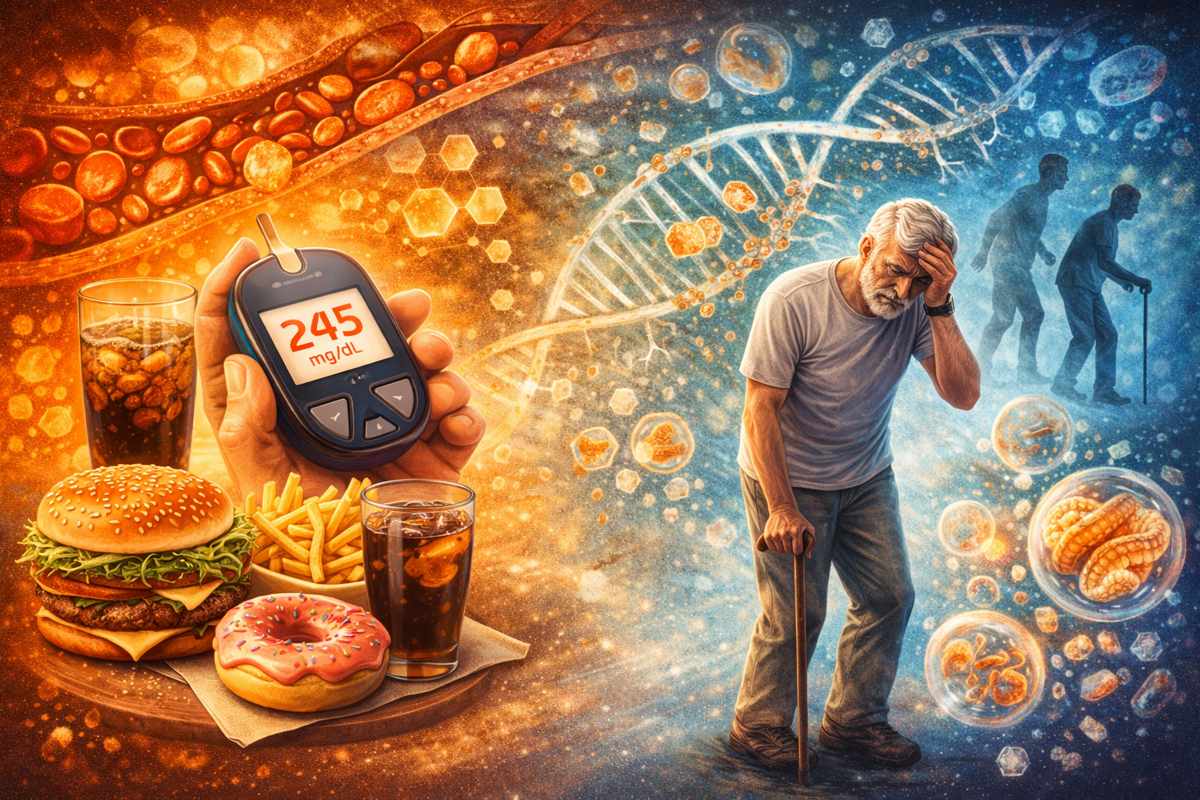
Muscle mass is one of the strongest predictors of healthy aging. Age-related muscle loss — known as sarcopenia — typically begins in the fourth decade of life and accelerates after 60, contributing to reduced strength, mobility, metabolic decline, and increased risk of falls and fractures. Preserving muscle is not just about aesthetics; it is a core pillar of long-term healthspan.
From a metabolic standpoint, skeletal muscle plays a central role in glucose uptake and insulin sensitivity. As muscle mass declines, so does metabolic resilience. Research also links low muscle mass to higher all-cause mortality, making its preservation a genuine longevity priority.
Supplements can support muscle preservation, but they are most effective as an addition to resistance training and adequate dietary protein — not a replacement for them. For a broader view of how muscle preservation fits into a longevity plan, see our article on the top longevity interventions.
Do Supplements Actually Help Preserve Muscle?
The honest answer is: some do, and some don’t. The supplement market is crowded with products making bold claims about muscle retention, but only a handful have meaningful clinical evidence behind them. The most robustly supported options — creatine, protein, and in specific contexts, leucine — have decades of research across diverse populations, including older adults.
In contrast, many other marketed muscle-preservation products have limited, low-quality, or no human evidence. It is important to distinguish between supplements with genuine mechanistic and clinical support and those that are largely speculative.
That said, even the best-evidenced supplements produce modest effects compared to the fundamentals. Resistance training and sufficient protein intake from whole foods remain the primary drivers of muscle preservation. Supplements play a supporting role. Learn more in our complete guide to longevity.
The Best Supplements for Muscle Preservation
Creatine Monohydrate
Creatine monohydrate is the most well-evidenced supplement for muscle preservation, particularly in the context of aging. It works by replenishing phosphocreatine stores in muscle tissue, which supports ATP regeneration during high-intensity efforts. This translates to improved training capacity and, over time, greater retention of lean mass.
Importantly, evidence supports creatine’s benefits not only in younger athletes but also in older adults, where it has been shown to help attenuate sarcopenia when combined with resistance training. A standard dose of 3–5 grams daily is well-established, safe, and cost-effective. No loading phase is necessary for long-term use.
Creatine also has emerging evidence for cognitive and neuroprotective effects, making it one of the few supplements with relevance across multiple longevity domains. For this reason, it consistently appears in evidence-based longevity frameworks.
Protein Supplementation
Adequate protein intake is the single most important nutritional factor for muscle preservation. While whole food sources should be prioritised, protein powders — particularly whey protein isolate — offer a practical and well-absorbed way to meet daily targets, especially post-exercise or during calorie restriction.
Research consistently supports a target of at least 1.6 grams of protein per kilogram of body weight per day for muscle retention, with some evidence suggesting older adults benefit from intakes at the higher end of this range (1.6–2.2 g/kg) due to anabolic resistance — the reduced efficiency of muscle protein synthesis with age.
Whey protein is fast-absorbing and leucine-rich, making it particularly effective post-workout. Plant-based protein powders are a viable alternative, though total leucine content should be considered. In practice, protein supplements are most useful when dietary intake is insufficient, not as an additional layer on top of already adequate protein.
Leucine and BCAAs
Leucine is the key amino acid that directly triggers muscle protein synthesis via the mTOR pathway. Branched-chain amino acids (BCAAs) — leucine, isoleucine, and valine — are sometimes used to stimulate anabolic signalling, particularly during fasted training or when overall protein intake is low.
However, evidence suggests that BCAAs add limited benefit when total protein intake is already sufficient. If dietary protein targets are being met through food and protein powders, additional BCAA supplementation is unlikely to meaningfully improve muscle preservation. They are most relevant as a targeted tool in specific circumstances — for example, fasted morning training or periods of significant calorie restriction.
Vitamin D
Vitamin D deficiency is associated with reduced muscle strength and accelerated muscle loss, particularly in older adults. While supplementation in deficient individuals has shown benefit for muscle function and fall prevention, evidence in those with adequate levels is less clear.
Given that deficiency is common — especially in northern latitudes — testing and correcting vitamin D status is a practical and low-risk step with potential relevance for muscle preservation and broader health.
Omega-3 Fatty Acids
Research suggests that omega-3 fatty acids — particularly EPA and DHA — may help attenuate anabolic resistance in older adults, improving the muscle protein synthesis response to dietary protein. Evidence here is more preliminary than for creatine or protein, but the overall safety and cardiovascular benefits of omega-3s make them a reasonable addition to a longevity-focused supplement routine.
Typical doses used in research range from 2–4 grams of combined EPA and DHA daily. As with all supplements in this category, they are most relevant as a complement to — not a substitute for — resistance training and dietary protein. This topic connects naturally to our article on the best supplements for healthy aging overall.
How to Use These Supplements Effectively
Pairing Supplements with Resistance Training
No supplement preserves muscle effectively without an adequate training stimulus. Resistance training — two to four sessions per week targeting major muscle groups — is the primary driver of muscle retention across all age groups. Supplements amplify the response to training; they do not replace it.
In practice, the most effective approach is to establish a consistent resistance training habit first, then layer in creatine and adequate protein as foundational support. More targeted supplements like omega-3s or leucine can be added subsequently if needed.
Dosage and Timing
Timing matters less than consistency for most of these supplements. Key evidence-based guidelines include:
- Creatine: 3–5 grams daily, timing flexible — post-workout is commonly used but not essential
- Protein: Distribute intake across meals rather than concentrating it in one sitting; aim for at least 30–40 grams per meal to maximise muscle protein synthesis, particularly in older adults
- Vitamin D: Dose based on blood levels; a common maintenance dose is 1,000–2,000 IU daily, but testing is preferable to guessing
- Omega-3s: 2–4 grams EPA+DHA daily with food
Overall, the most important variable is not timing — it is consistency over weeks and months.
Limitations and Realistic Expectations
Supplements are not a shortcut. Even the best-evidenced options produce incremental benefits rather than dramatic changes. Creatine, for example, supports muscle retention but does not independently build significant muscle without training. Protein supplements help meet targets but are not meaningfully superior to equivalent protein from whole foods.
For those already training consistently and eating sufficient protein, the marginal benefit of adding supplements is real but modest. For those not yet meeting these foundations, addressing training and diet should come first. This principle is central to how longevity interventions should be prioritised — see our article on how to prioritise longevity interventions for more context.
FAQs About Supplements for Muscle Preservation
Frequently Asked Questions
What are the most effective supplements for muscle preservation?
Creatine monohydrate and adequate protein intake have the strongest evidence for preserving muscle mass. Vitamin D (if deficient) and omega-3 fatty acids are reasonable secondary additions. These are most effective when combined with consistent resistance training.
Can supplements prevent muscle loss during aging?
They can help slow age-related muscle loss, but not prevent it entirely. Creatine and protein supplementation have meaningful evidence in older adults, particularly when paired with resistance training. Addressing anabolic resistance — the reduced muscle protein synthesis efficiency that comes with age — is a key target.
Are there any risks associated with these supplements?
Creatine, protein powders, and omega-3s are generally well-tolerated at recommended doses. Creatine has an extensive safety record across decades of research. As with any supplement, it is advisable to consult a healthcare professional if you have underlying health conditions or take medications.
How long does it take to see results?
With creatine, some benefit to training performance can appear within one to two weeks. Meaningful changes in muscle retention typically become apparent over eight to twelve weeks of consistent supplementation and training. Long-term preservation requires sustained effort rather than short-term cycling.
Do BCAAs add anything if protein intake is already sufficient?
In most cases, no. If daily protein targets are being met through food and protein supplements, additional BCAAs are unlikely to provide meaningful extra benefit. They may be useful in specific situations — such as fasted training — but are not a priority for most people.
References and Resources
Authoritative Sources on Supplements for Muscle Preservation
-
National Institutes of Health – Muscle Health & Supplements
nih.govComprehensive research on supplements including creatine and protein, with detail on their roles in muscle preservation and aging.
-
ACE Fitness – Evidence-Based Muscle Maintenance Strategies
acefitness.orgPractical guidance on supplements and training techniques for muscle preservation, grounded in scientific evidence.

-
PubMed – Research on Muscle Loss & Supplements
pubmed.ncbi.nlm.nih.govPeer-reviewed studies on the efficacy of muscle-preservation supplements across different populations and age groups.
-
ACSM – Sports Medicine & Muscle Maintenance
acsm.orgEvidence-based guidelines on supplement use and resistance training for muscle health across the lifespan.
-
Examine.com – Supplement Efficacy & Safety
examine.comDetailed, unbiased summaries of clinical evidence on creatine, protein, omega-3s, and other muscle-relevant supplements.
-
Verywell Fit – Muscle Maintenance Strategies
verywellfit.comAccessible overview of how nutrition and supplementation support muscle preservation, particularly during aging or calorie restriction.
-
Muscle & Strength – Muscle Preservation Tips & Supplements
muscleandstrength.comPractical guidance on supplement use and training strategies for maintaining lean mass across fitness levels.
-
Bodybuilding.com – Supplements for Muscle Preservation
bodybuilding.comReviews and practical information on commonly used muscle-preservation supplements including creatine, protein, and BCAAs.
Conclusion
The most evidence-backed supplements for muscle preservation are creatine monohydrate and adequate protein intake — both of which have strong, consistent research supporting their effectiveness across age groups. Vitamin D correction and omega-3 fatty acids are reasonable secondary additions, particularly for older adults or those with identified deficiencies.
That said, supplements are a supporting layer, not the foundation. Resistance training and sufficient dietary protein from whole foods remain the primary drivers of muscle retention. In practice, the most effective approach is to establish these foundations first and use supplements to reinforce them — not the other way around.
For those focused on healthy aging, preserving muscle mass is one of the highest-return investments available. It supports metabolic health, functional independence, and long-term resilience in ways that extend well beyond strength alone. For context on how this fits within a broader longevity strategy, see our article on the best supplements for mitochondrial function.
Find out more information about supplements for muscle preservation
Search for more resources and information: