Does Fatty Liver Shorten Lifespan? (2026)
Does Fatty Liver Shorten Lifespan?
TL;DR: Fatty liver disease can shorten lifespan, but mainly when it progresses to advanced stages such as cirrhosis or liver cancer. Early-stage fatty liver, managed through diet, exercise, and metabolic control, carries a substantially lower mortality risk — and in many cases, the condition is partially reversible.
Does Fatty Liver Shorten Lifespan?
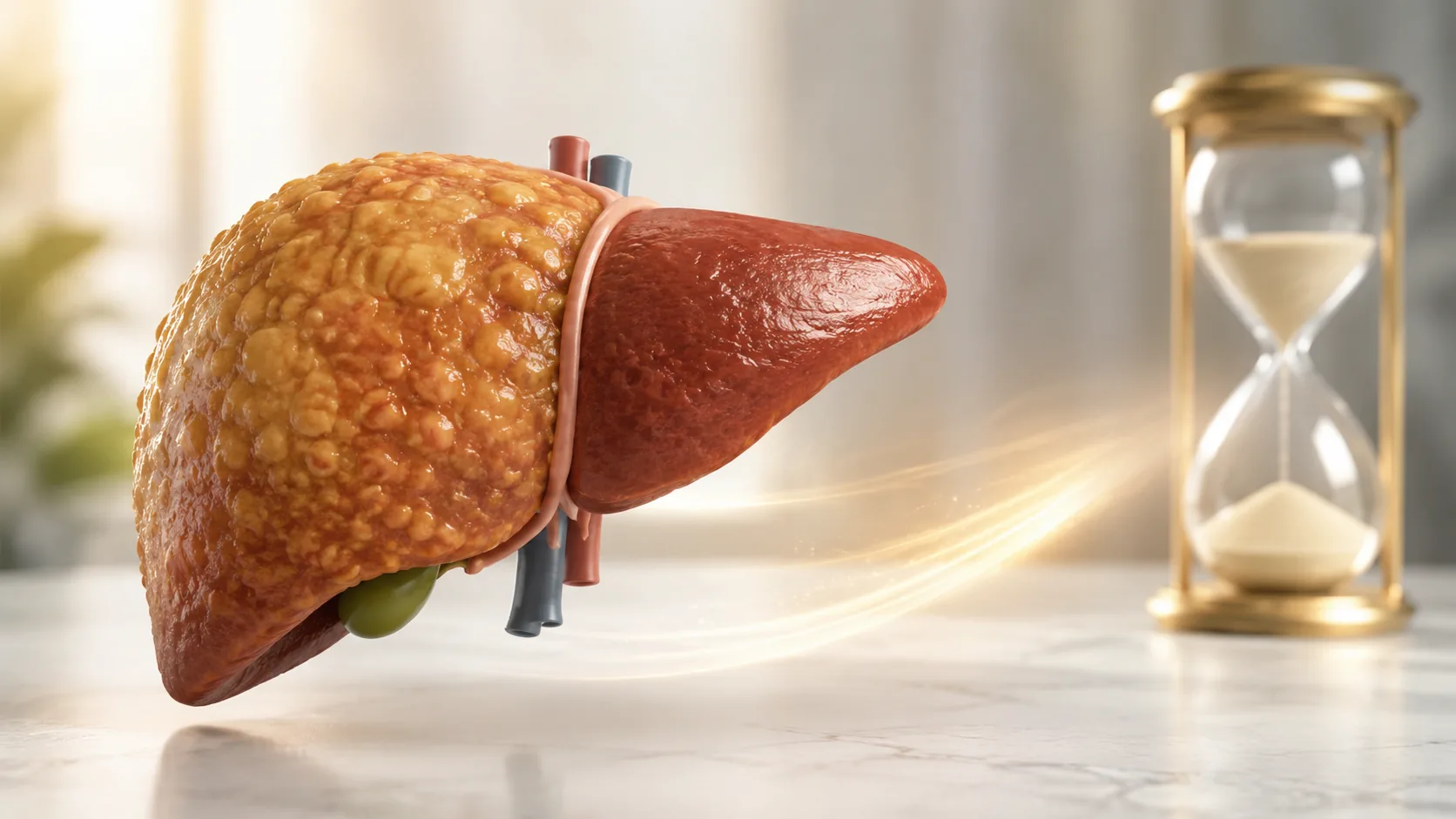
The short answer is: it depends on severity. Non-alcoholic fatty liver disease (NAFLD) in its early stages does not dramatically shorten lifespan in most people. However, as the condition advances — particularly to non-alcoholic steatohepatitis (NASH), fibrosis, and eventually cirrhosis — mortality risk increases meaningfully. The key distinction is between simple hepatic steatosis, which is often stable and manageable, and progressive liver disease, which carries serious long-term consequences.
Research indicates that people with advanced NAFLD have elevated risks of liver-related death, cardiovascular disease, and type 2 diabetes complications — all of which affect overall life expectancy. That said, most people with fatty liver never progress to the most severe stages, particularly if underlying risk factors are addressed early.
This article focuses specifically on how fatty liver affects lifespan and what the evidence says about modifying that risk. For a broader look at how the liver changes with age, see How Does Liver Function Change With Age?
How Fatty Liver Progresses — and Why Progression Matters
The Stages of NAFLD
NAFLD exists on a spectrum. Simple steatosis — excess fat accumulation in liver cells — is the earliest and most common stage. For many people, it remains stable for years or decades. However, in a subset of individuals, inflammation develops alongside the fat accumulation. This stage, known as NASH, involves liver cell damage and is associated with a significantly higher risk of progression.
From NASH, the liver may develop fibrosis — the formation of scar tissue as a repair response to ongoing injury. Advanced fibrosis leads to cirrhosis, where the liver’s architecture is substantially disrupted. At this point, liver function becomes impaired, and the risks of liver failure, portal hypertension, and hepatocellular carcinoma (liver cancer) increase sharply.
How Complications Affect Survival
Cirrhosis is the primary pathway through which fatty liver disease shortens lifespan. Once cirrhosis is established, survival outcomes worsen considerably — particularly in the presence of complications such as ascites, variceal bleeding, or hepatic encephalopathy. Hepatocellular carcinoma, which can arise in a cirrhotic liver, carries a poor prognosis when detected late.
Importantly, cardiovascular disease — not liver failure — is actually the leading cause of death in people with NAFLD overall. This reflects how fatty liver often clusters with obesity, insulin resistance, dyslipidaemia, and hypertension, all of which independently raise cardiovascular risk. In this sense, fatty liver may shorten lifespan partly through its role as a marker of broader metabolic dysfunction.
Risk Factors That Accelerate Decline
Obesity, Insulin Resistance, and Type 2 Diabetes
These three factors are closely interlinked with NAFLD progression. Insulin resistance promotes fat accumulation in the liver and drives inflammation, accelerating the transition from simple steatosis to NASH. Type 2 diabetes, in particular, is associated with more rapid fibrosis development and a higher risk of cirrhosis. Effective management of blood glucose and body weight is therefore directly relevant to liver outcomes and, by extension, lifespan.
Genetics and Age
Genetic variants — most notably in the PNPLA3 and TM6SF2 genes — are associated with a greater tendency toward liver fat accumulation and more severe disease. These variants do not determine outcomes independently, but they do mean that some individuals face higher baseline risk even with similar lifestyle exposures.
Age is also a relevant factor. Liver regenerative capacity declines with age, and older adults with NAFLD tend to have higher rates of fibrosis at diagnosis. As part of the broader process of organ-specific aging, the liver becomes less resilient to metabolic stress over time. This is covered in more detail in the organ-specific aging hub.
Can Lifestyle Changes Slow or Reverse Fatty Liver?
Diet and Exercise
Evidence consistently supports lifestyle modification as the most effective intervention for early-stage NAFLD. A sustained reduction in body weight of 7–10% has been shown in clinical studies to reduce liver fat, lower liver enzyme levels, and in some cases reduce fibrosis. The mechanism involves improved insulin sensitivity, reduced hepatic lipid delivery, and lower systemic inflammation.
Dietary patterns associated with benefit include reduced intake of refined carbohydrates and ultra-processed foods, along with higher consumption of vegetables, legumes, and unsaturated fats. The Mediterranean diet, in particular, has evidence supporting its use in NAFLD management. Regular physical activity — both aerobic exercise and resistance training — independently reduces liver fat even without significant weight loss, likely through improved mitochondrial function and AMPK activation in liver tissue.
In practice, these changes are meaningful and achievable, but they require consistency. Partial reversal of liver fat is realistic; full reversal of established fibrosis is more uncertain and depends on the degree of damage already present.
Medications and Medical Management
No medication is currently approved specifically for NAFLD or NASH in most countries, though several are in late-stage clinical trials. That said, managing associated conditions — insulin resistance, dyslipidaemia, hypertension — using established treatments may indirectly slow liver disease progression. GLP-1 receptor agonists, for example, have shown promising effects on liver fat in recent trials, though evidence is still developing.
Medical oversight is important for anyone with confirmed NAFLD, particularly if liver enzymes are persistently elevated or if fibrosis has been identified on imaging or biopsy. Regular monitoring allows early detection of progression and timely adjustment of management strategies.
Learn more in our complete guide to longevity.
What the Evidence Says
Mortality Risk and Disease Severity
Large cohort studies and meta-analyses have consistently shown that all-cause mortality in NAFLD patients is higher than in age-matched controls, and that this risk increases with disease stage. People with simple steatosis have a modestly elevated risk, primarily driven by cardiovascular and metabolic disease. Those with NASH and significant fibrosis face substantially higher liver-related mortality.
A key finding from long-term studies is that fibrosis stage — not the presence of steatosis or inflammation alone — is the strongest histological predictor of liver-related outcomes and overall mortality. This underscores the importance of identifying individuals at risk of fibrosis progression, rather than treating all fatty liver diagnoses as equally urgent.
What Is Realistically Modifiable
The evidence supports that early-stage NAFLD is meaningfully modifiable through lifestyle intervention. Fibrosis regression has been documented in trials with sustained weight loss and in some pharmacological studies, though it is not guaranteed and depends on baseline severity. Advanced cirrhosis, by contrast, is largely irreversible — making early intervention the most clinically valuable opportunity.
Cardiovascular risk management is equally important, given that heart disease is the predominant cause of death in this population. Addressing blood pressure, lipid levels, and glycaemic control in parallel with liver-specific measures offers the most comprehensive approach to reducing lifespan risk associated with fatty liver disease.
References and Resources
The following sources provide reliable, evidence-based information on fatty liver disease, its progression, and its impact on lifespan and overall health.
Authoritative Sources on Fatty Liver Disease and Lifespan
-
American Liver Foundation
liverfoundation.orgComprehensive patient-facing information on NAFLD, its stages, complications, and management strategies.
-
World Gastroenterology Organisation
worldgastro.orgInternational clinical guidelines on the diagnosis and management of fatty liver disease across different healthcare settings.
-
New England Journal of Medicine
nejm.orgPeer-reviewed research on NAFLD pathophysiology, outcomes, and emerging treatment approaches.
-
American Association for the Study of Liver Diseases
aasld.orgClinical practice guidelines and research on liver disease progression, fibrosis staging, and long-term survival outcomes.
-
National Center for Biotechnology Information (NCBI)
ncbi.nlm.nih.govAccess to a broad range of peer-reviewed studies examining NAFLD epidemiology, mechanisms, and mortality risk.
-
Mayo Clinic
mayoclinic.orgClinically reviewed, patient-friendly guidance on fatty liver diagnosis, lifestyle management, and when to seek specialist care.
-
Hepatology Journal
journals.hep.comLeading specialist journal publishing cutting-edge research on liver disease, fibrosis progression, and NASH clinical trials.

-
ResearchGate
researchgate.netA platform for accessing academic papers and researcher discussions on fatty liver disease and its relationship to longevity.
Frequently Asked Questions
Does fatty liver shorten lifespan?
It can, but the risk is closely tied to disease stage. Early-stage fatty liver (simple steatosis) carries a modest increase in mortality risk, largely due to associated cardiovascular and metabolic conditions. Advanced disease — particularly NASH with fibrosis or cirrhosis — significantly raises the risk of liver-related death and reduces overall life expectancy. Early detection and management substantially lower this risk.
Can fatty liver be reversed, and does that improve long-term outcomes?
Early-stage fatty liver is often reversible with sustained lifestyle changes, particularly weight loss, dietary improvement, and regular exercise. Studies show that losing 7–10% of body weight can meaningfully reduce liver fat and, in some cases, reduce fibrosis. Reversing the condition before significant scarring occurs is associated with better long-term liver and cardiovascular outcomes. Advanced fibrosis or cirrhosis is much harder to reverse and requires specialist medical management.
What are the main risks of untreated fatty liver?
The principal risks of progressive, untreated fatty liver include development of NASH, liver fibrosis, cirrhosis, liver failure, and hepatocellular carcinoma. Cardiovascular disease is also a major concern, as fatty liver is strongly associated with insulin resistance, dyslipidaemia, and hypertension. Fibrosis stage is the strongest predictor of liver-related mortality in research studies.
Does lifestyle modification meaningfully improve survival in fatty liver disease?
Yes — evidence consistently supports lifestyle intervention as the most effective strategy for early and moderate NAFLD. Sustained weight loss, a Mediterranean-style diet, and regular physical activity all reduce liver fat, improve metabolic markers, and can slow or partially reverse fibrosis. These changes also reduce cardiovascular risk, which is the leading cause of death in people with fatty liver disease. The earlier intervention begins, the greater the potential benefit.
Conclusion
Fatty liver disease can shorten lifespan, but the degree of risk depends heavily on how far the condition has progressed. Simple hepatic steatosis is common and manageable; NASH with fibrosis or cirrhosis represents a substantially more serious threat to both liver function and overall longevity. Importantly, cardiovascular disease — not liver failure alone — is the predominant cause of death in people with NAFLD, reflecting the broader metabolic context in which fatty liver typically develops.
The evidence is clear that lifestyle modification — sustained weight loss, dietary improvement, and regular exercise — can meaningfully reduce liver fat, slow disease progression, and in some cases partially reverse fibrosis when it is not yet advanced. Medical management of associated conditions such as insulin resistance and dyslipidaemia adds further protective benefit. Full reversal of established cirrhosis is not a realistic expectation, however, which is why early identification and intervention matter most.
For those at risk, the priority is regular monitoring, honest assessment of metabolic health, and consistent lifestyle habits — not alarm about a diagnosis that, for many people, remains stable and non-life-threatening when properly managed.
Find out more information about fatty liver disease and lifespan
Search for more resources and information: