What Are the Best Supplements for Autophagy?
What Are the Best Supplements for Autophagy?
TL;DR: Spermidine and resveratrol are among the most studied supplements for supporting autophagy, but their effects are modest on their own. Fasting, exercise, and overall diet quality remain the most reliable ways to activate this cellular cleaning process.
The supplements most consistently linked to autophagy support are spermidine, resveratrol, and — in a pharmacological context — metformin. Each works through distinct cellular pathways, and current evidence, while promising, is stronger in animal models than in humans. Supplements can play a supporting role, but they are most effective when layered on top of lifestyle habits that already stimulate autophagy.
What Is Autophagy and Why Does It Matter for Longevity?
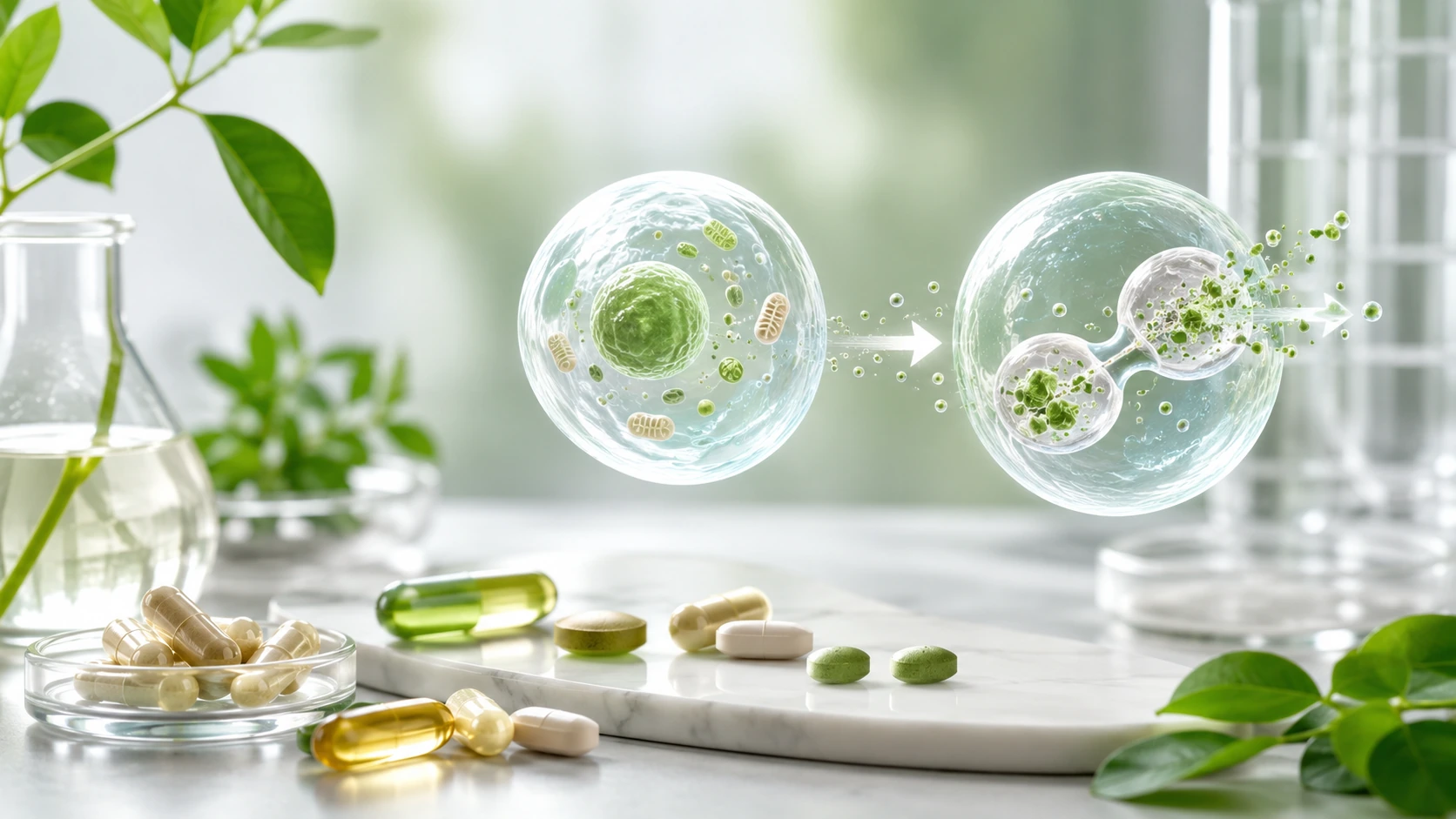
Autophagy — from the Greek for “self-eating” — is the process by which cells identify, break down, and recycle damaged components. It acts as a quality-control system, clearing out dysfunctional proteins and organelles that would otherwise accumulate and impair cellular function over time.
As a result, autophagy is closely tied to healthy aging. Reduced autophagic activity is associated with a range of age-related conditions, including neurodegeneration, metabolic dysfunction, and chronic inflammation. Conversely, research suggests that maintaining robust autophagy may support cellular resilience and extend healthspan.
Two key molecular switches regulate autophagy: AMPK, which promotes it, and mTOR, which suppresses it. Many autophagy-supporting interventions — including fasting, exercise, and certain supplements — work by activating AMPK, inhibiting mTOR, or both.
For a broader view of how autophagy fits within a complete longevity strategy, see our guide to the best supplements for healthy aging overall.
The Best Supplements for Supporting Autophagy
Spermidine
Spermidine is a naturally occurring polyamine found in foods such as wheat germ, aged cheese, mushrooms, and legumes. It is among the most studied compounds for autophagy induction, and the evidence base is more developed than for many other supplements in this category.
Research indicates that spermidine promotes autophagy through epigenetic mechanisms, including inhibition of histone acetyltransferases. In animal studies, spermidine supplementation has been associated with extended lifespan and improved cardiovascular and cognitive markers. Human evidence is more limited, though observational studies suggest that higher dietary spermidine intake correlates with reduced cardiovascular mortality.
In practice, spermidine supplements are generally well-tolerated. However, optimal dosing in humans has not been firmly established, and more clinical trials are needed before strong recommendations can be made.
Resveratrol
Resveratrol is a polyphenol found in grapes, red wine, and certain berries. It activates SIRT1, a deacetylase enzyme involved in regulating autophagy, mitochondrial function, and several longevity-related pathways.
In cell and animal studies, resveratrol consistently promotes autophagic activity. That said, human bioavailability is a known limitation — standard oral resveratrol is rapidly metabolised, which raises questions about whether circulating concentrations reach levels sufficient to produce meaningful effects. Formulations with improved bioavailability, such as micronised or liposomal versions, may offer better absorption, though this area of research is still developing.
Resveratrol is best understood as a complementary compound rather than a primary autophagy driver. Its effects are likely more pronounced when combined with fasting or caloric restriction, as both strategies converge on overlapping SIRT1 and AMPK pathways.
Importantly, resveratrol may also support mitochondrial function. For more on this, see our article on the best supplements for mitochondrial function.
Metformin
Metformin is a prescription medication — not a supplement — but it is worth addressing here because of its well-documented effects on AMPK activation and mTOR inhibition, both of which promote autophagy. It is one of the most studied pharmacological agents in longevity research, and clinical trials such as TAME (Targeting Aging with Metformin) are currently investigating its potential to slow biological aging.
Metformin is not appropriate for self-supplementation and requires medical supervision. However, for individuals with type 2 diabetes or those who receive it as part of a clinically supervised longevity protocol, its autophagy-relevant effects are among the most pharmacologically robust available.
Other Compounds With Autophagy-Relevant Mechanisms
Several other compounds influence autophagy-related pathways and may offer supporting effects:
- Rapamycin (sirolimus): A potent mTOR inhibitor with strong evidence in animal models. Strictly prescription-only and associated with meaningful side effects at higher doses. Not appropriate outside clinical oversight.
- Berberine: An AMPK activator with some evidence for metabolic and autophagy-supporting effects. Often described as a more accessible alternative to metformin for those without a prescription, though the evidence base is less mature.
- Urolithin A: A gut-derived compound produced from ellagitannins (found in pomegranates and walnuts) that has shown mitophagy-inducing effects — specifically, the selective autophagy of damaged mitochondria. Early human trials show promise for muscle function and mitochondrial health.
How Lifestyle Amplifies Supplement Effects
Supplements alone are unlikely to produce significant autophagic activity if the surrounding lifestyle does not support it. In contrast, when added to a foundation of strong lifestyle habits, they may offer a meaningful incremental benefit.
The most reliably validated autophagy stimulators remain:
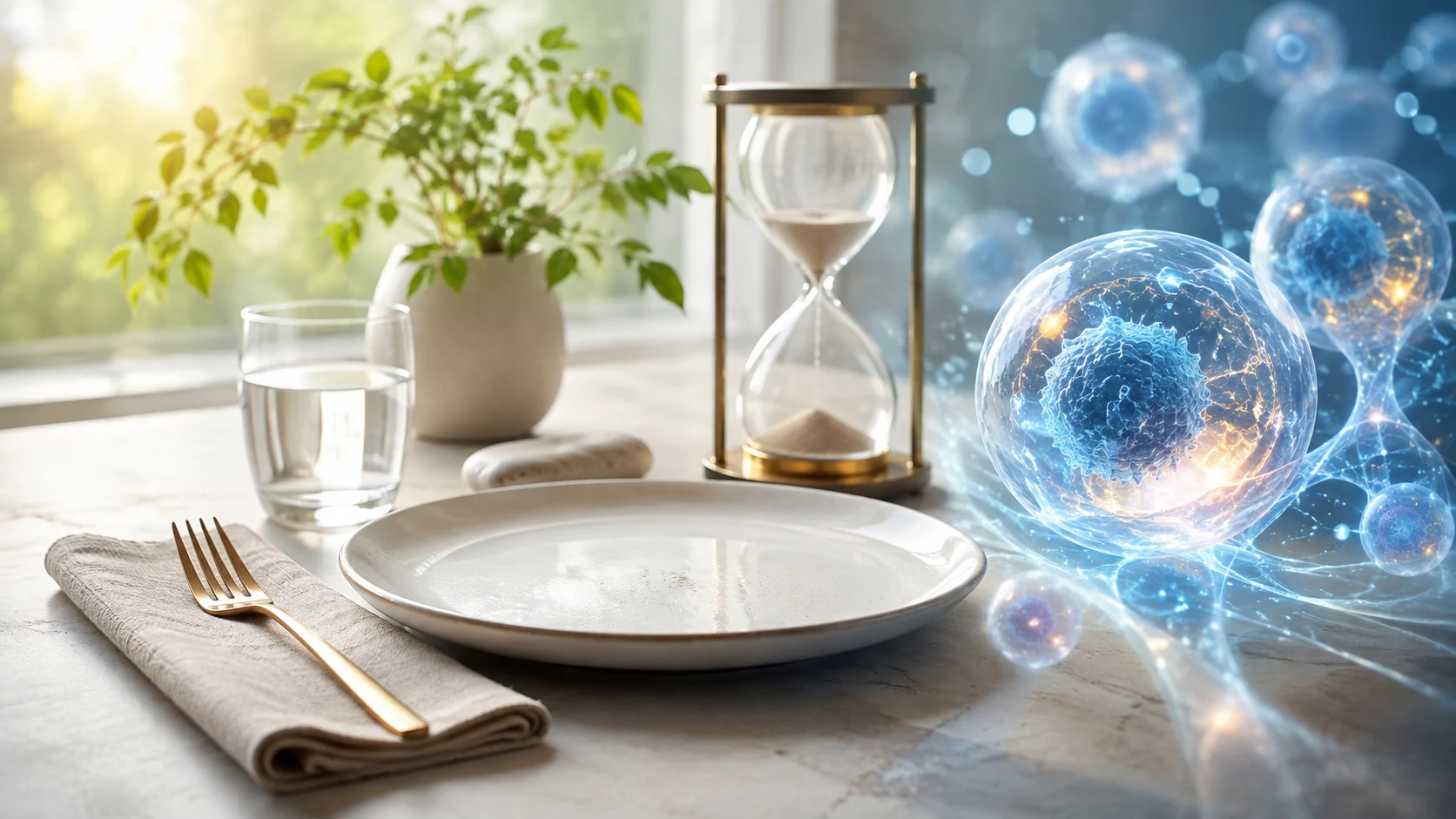
- Intermittent fasting and caloric restriction: Both suppress mTOR and activate AMPK through nutrient-sensing mechanisms. Even time-restricted eating windows appear to enhance autophagic flux in some tissues.
- Exercise: Both aerobic and resistance training stimulate autophagy, particularly in muscle and cardiac tissue. The effect is acute and repeatable, making regular exercise one of the most consistent autophagy triggers available.
- Protein and overall diet quality: High protein intake, particularly excess leucine, activates mTOR and may blunt autophagy in the short term. This does not mean protein should be avoided — muscle preservation is also critical for longevity — but it does suggest that timing and meal context matter.
Combining supplements like spermidine or resveratrol with fasting periods is a rational strategy, as these approaches converge on overlapping molecular targets. However, the combined magnitude of benefit in humans is not yet well quantified.
Learn more in our complete guide to longevity.
Practical Guidance on Timing and Dosage
For those choosing to supplement for autophagy support, the following evidence-informed principles apply:
- Spermidine: Most studied doses in human trials range from 1–3 mg/day of concentrated spermidine (equivalent to much higher doses of whole-food-derived spermidine). Taking it during a fasting window may be rational given its mechanism, though this has not been formally studied in humans.
- Resveratrol: Doses used in clinical studies typically range from 150–500 mg/day. Standard trans-resveratrol has poor bioavailability; formulations designed to improve absorption may be preferable. Taking it with fat may improve uptake slightly.
- Berberine: Commonly studied at 500 mg two to three times daily, taken with meals to reduce gastrointestinal side effects.
- Urolithin A: Clinical studies have used doses of 500–1000 mg/day. Not all individuals produce urolithin A efficiently from dietary sources, which is part of the rationale for supplementation.
Individual responses vary, and none of these dosing approaches should be treated as universal recommendations. Consulting a healthcare professional before starting any new supplement is advisable, particularly for those with existing health conditions or taking medications.
FAQs About Autophagy Supplements
Frequently Asked Questions
What are the most effective supplements for autophagy?
Spermidine has the most developed evidence base among non-prescription autophagy supplements, followed by resveratrol and urolithin A. However, lifestyle interventions — particularly fasting and exercise — produce more reliable and well-documented autophagy activation than any supplement currently available.
Can supplements alone effectively induce autophagy?
Unlikely on their own. Supplements appear to offer incremental support rather than act as primary autophagy drivers. The combination of supplements with fasting, exercise, and a nutrient-dense diet is more likely to produce meaningful effects than supplementation in isolation.
Are autophagy supplements safe for long-term use?
Spermidine and resveratrol have reasonable short-term safety profiles at standard doses. Long-term safety data in humans is limited, however. As with any supplement, professional guidance is advisable — particularly for long-term use, higher doses, or use alongside prescription medications.
What are the best non-supplement ways to stimulate autophagy?
Intermittent fasting, sustained caloric restriction, and regular exercise are the most consistently supported methods for stimulating autophagy. These approaches work through the same core AMPK and mTOR pathways as most autophagy supplements, and their effects are better characterised in humans.
Is there an optimal time to take autophagy supplements?
Taking supplements such as spermidine or resveratrol during or just before a fasting window is mechanistically rational, as both fasting and these compounds act on overlapping pathways. That said, direct human evidence for optimal timing is limited. Consistency of use likely matters more than precise timing.
References and Resources
The following sources provide further detail on the evidence base for autophagy and related supplements:
Authoritative Sources on Autophagy and Longevity Supplements
-
Autophagy and Cellular Aging: The Role of Nutrients and Supplements
ncbi.nlm.nih.govA detailed review of how specific nutrients and supplements influence autophagic activity, including the mechanisms involved and the strength of current evidence.
-
Autophagy: What It Is and How to Activate It
healthline.comAn accessible overview of autophagy, covering how lifestyle factors and supplements can support this cellular process.
-
Resveratrol and Autophagy in Aging
ncbi.nlm.nih.govReviews resveratrol’s role in activating SIRT1 and autophagy pathways, with discussion of its relevance to aging and longevity research.
-
The Benefits and Risks of Spermidine Supplements
medicalnewstoday.comCovers spermidine’s safety profile, evidence for autophagy induction, and practical considerations for supplementation.
-
Autophagy and Longevity: The Role of Natural Compounds
nature.comA peer-reviewed examination of how naturally derived compounds influence autophagic processes at the cellular and molecular level.
-
Autophagy and Fasting: How They Work Together
webmd.comExplains the relationship between fasting and autophagy, and how combining dietary strategies with supplements may enhance cellular repair.
-
Pharmacological Interventions to Promote Autophagy
thelancet.comReviews drug-based approaches to autophagy induction, including metformin and rapamycin, with discussion of potential benefits and clinical limitations.
-
The Role of Nutrition in Cellular Autophagy
nutrition.org.ukCovers how dietary patterns and specific nutrients interact with autophagic pathways, providing context for supplement use within a broader nutritional framework.
Conclusion
The supplements with the strongest evidence for supporting autophagy — primarily spermidine, resveratrol, and urolithin A — are best understood as supportive tools rather than standalone interventions. Their effects are most likely to be meaningful when combined with the lifestyle practices that most reliably activate autophagy: regular fasting windows, consistent exercise, and a diet that avoids chronic excess.
For those already pursuing these habits, autophagy supplements represent a reasonable optional layer of support. However, prioritising supplementation before establishing these foundations is unlikely to produce significant benefit. As with most areas of longevity, the evidence consistently points back to the basics first.
For context on how autophagy supplements fit within a broader supplement strategy, see our article on the best supplements for brain longevity.
Find out more information about the best supplements for autophagy
Search for more resources and information: