
Do Bioregulator Peptides Improve Sleep?
Do Bioregulator Peptides Improve Sleep?
TL;DR: Some bioregulator peptides — particularly Epithalamin — show early evidence of supporting sleep by influencing melatonin production and circadian rhythm. However, the human evidence is limited, mostly older, and not yet strong enough to recommend these peptides as a reliable sleep intervention.
Some bioregulator peptides, particularly those targeting the pineal gland, may support sleep quality by influencing melatonin synthesis and circadian rhythm regulation. The most studied example is Epithalamin (also known as Epithalon in synthetic form), which research suggests can stimulate pineal gland activity and promote melatonin production. That said, the available human evidence is limited in scale and quality, and confident claims about sleep improvement should be treated with caution.
This article focuses specifically on what is known — and what remains uncertain — about bioregulator peptides and sleep. For a broader overview of what these products are and how they fit into the longevity landscape, see our main guide to bioregulator peptides for longevity.
What Are Bioregulator Peptides?
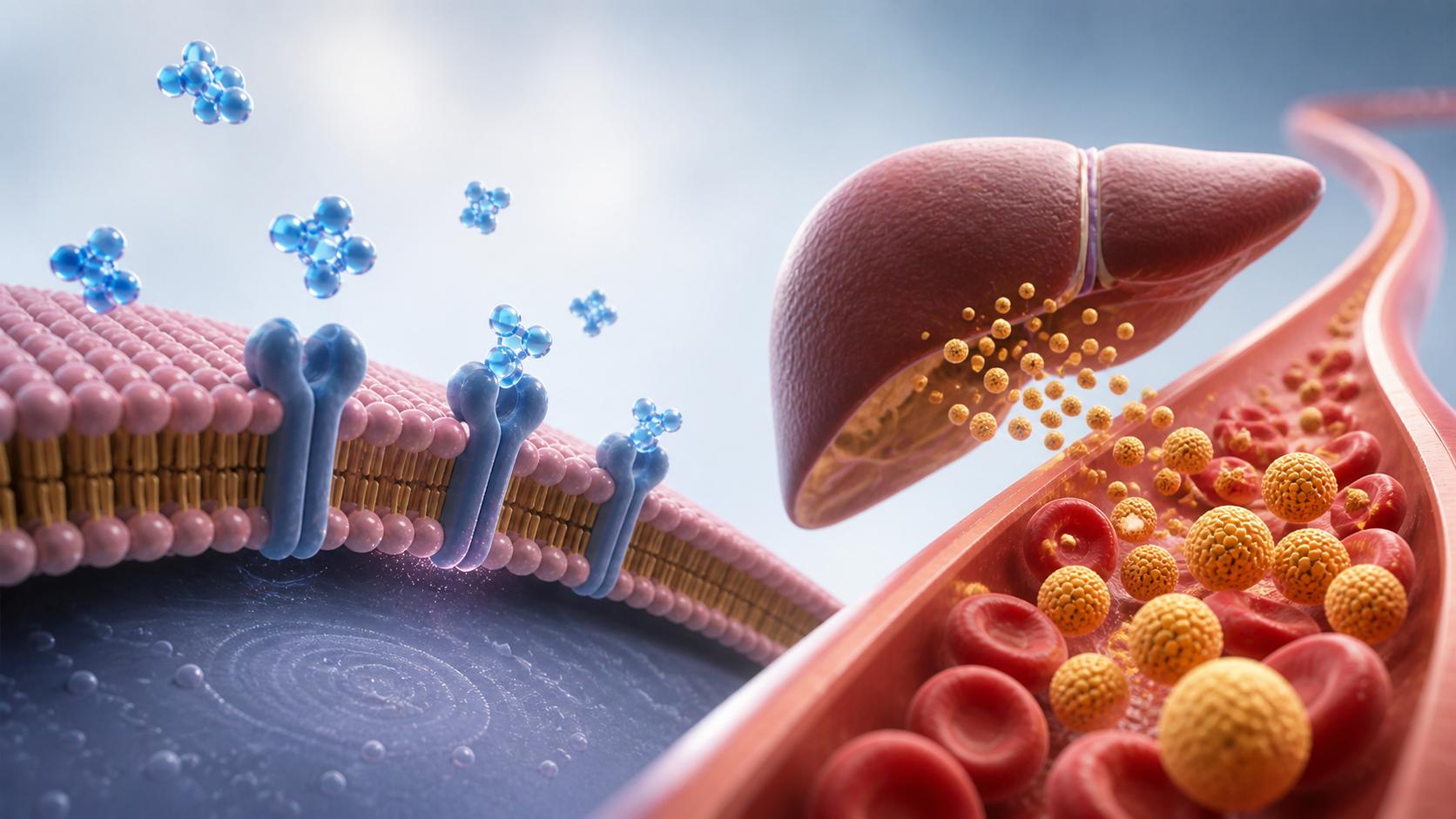
Bioregulator peptides are short chains of amino acids — typically two to four amino acids in length — originally developed in Russia by Dr Vladimir Khavinson and colleagues from the 1970s onwards. The underlying theory is that these peptides act as tissue-specific signalling molecules, binding to DNA in particular cell types and modulating gene expression. The idea is that as we age, natural peptide signalling declines, and supplementing with bioregulators may help restore more youthful cellular function.
They are distinct from other peptide categories. Bioregulator peptides are not the same as injectable research peptides such as BPC-157 or TB-500, nor are they conventional pharmaceutical drugs. Most are sold as oral supplements, typically as enteric-coated capsules. Their mechanism of action — if validated — operates at the gene-regulatory level, which is what makes them theoretically interesting but also difficult to study rigorously. Learn more in our complete guide to longevity at longevityinsights.co.uk/what-is-longevity/.
How Might They Affect Sleep?
Sleep quality depends on several interconnected biological systems: melatonin production from the pineal gland, cortisol regulation by the adrenal axis, circadian rhythm signalling, and the overall health of the nervous system. As these systems decline with age, sleep architecture commonly deteriorates — deep sleep shortens, sleep latency increases, and nocturnal waking becomes more frequent.
Bioregulator peptides are proposed to support sleep through two main pathways. First, peptides targeting the pineal gland — most notably Epithalamin — are thought to restore melatonin synthesis that naturally diminishes with age. Second, peptides with broader neuroendocrine or nervous system effects may reduce stress-related disruption to sleep by modulating the hypothalamic-pituitary axis. In theory, this means they could address some underlying biological causes of age-related sleep decline rather than simply sedating the nervous system as conventional sleep aids do.
However, it is important to note that these mechanisms are based largely on animal studies and the theoretical framework developed by Khavinson’s research group. Independent replication of these mechanisms in well-designed human trials remains limited.
Which Peptides Are Linked to Sleep Support?
Epithalamin and Epithalon
Epithalamin is the natural peptide extract derived from bovine pineal gland tissue. Its synthetic equivalent, Epithalon (also spelled Epitalon), is a tetrapeptide version. Both have been studied primarily by Khavinson’s institute in St Petersburg. Research from this group suggests that Epithalamin can increase melatonin levels, improve sleep structure, and extend lifespan in animal models. Some small human studies, mainly in older adults, report improvements in sleep quality and circadian rhythm normalisation.
That said, these studies are largely from a single research group, are often small, and have not been independently replicated in rigorous controlled trials outside of Russia. As a result, the confidence level for these claims remains low to moderate at best.
Pinealon
Pinealon is a tripeptide also directed at the brain and nervous system. It is sometimes promoted for cognitive support and sleep regulation. Evidence for its specific effects on sleep is even more limited than for Epithalamin, and most available data comes from animal or in vitro work.
Thymalin and Immune Peptides
Thymalin targets the thymus and immune system rather than sleep pathways directly. However, because chronic immune dysregulation and inflammation can impair sleep quality, some proponents argue that systemic bioregulator support could indirectly benefit sleep. This is plausible in principle but poorly evidenced specifically in relation to sleep outcomes. For more on this angle, see our article on whether bioregulator peptides improve immune function.
What Does the Evidence Actually Say?
The honest answer is that the evidence base is narrow. Most of the published research on bioregulator peptides and sleep comes from studies conducted by Khavinson’s group at the St Petersburg Institute of Bioregulation and Gerontology. Several of these studies do show improvements in sleep-related outcomes — particularly melatonin levels, sleep latency, and subjective sleep quality — in older adults and shift workers.
However, there are important caveats. Many studies are small, lack robust placebo controls, and have not been independently replicated by research groups outside of Russia. This does not necessarily mean the findings are wrong, but it does mean they should be treated as preliminary. Without independent replication in larger, well-controlled trials, it is not possible to draw firm conclusions about efficacy or optimal dosing.
In contrast, the evidence for lifestyle-based sleep interventions — consistent sleep schedules, light exposure management, reduction of evening stimulants, stress management, and regular physical activity — is substantially stronger and better replicated. Bioregulator peptides, if they have a role, are more appropriately considered a supplementary option rather than a primary intervention. For those specifically interested in sleep and longevity biomarkers, our article on whether sleep reduces CRP offers useful context on why sleep quality matters for inflammation and healthy ageing.

Practical Implications and Limitations
For most people, bioregulator peptides are not a first-line approach to sleep problems. Foundational sleep hygiene — including consistent wake times, avoiding bright light in the evening, limiting caffeine after midday, and managing stress — should come first. These interventions are well-evidenced, free, and carry no safety risk.
That said, for older adults experiencing age-related sleep deterioration — particularly reduced melatonin output — there is a theoretical basis for interest in pineal-targeted peptides like Epithalamin. The available evidence, while limited, is not dismissive. It is simply not yet strong enough to support confident clinical recommendations.
There are also practical concerns worth noting. Product quality and purity vary considerably across suppliers, particularly for products sold online in the UK. Regulatory oversight of bioregulator peptide supplements is limited, and dosing guidance is largely derived from Khavinson’s original protocols rather than independently established standards. For a careful look at the legal landscape, see our article on whether bioregulator peptides are legal in the UK.
In practice, anyone considering these products should consult a knowledgeable healthcare professional, source carefully from reputable suppliers, and maintain realistic expectations. The sleep benefits, if present, are likely modest rather than transformative — and the long-term safety profile in humans remains poorly characterised.
Conclusion
Some bioregulator peptides — particularly Epithalamin — have a plausible biological mechanism for supporting sleep through melatonin regulation and circadian rhythm support. Early studies, primarily from Russian research groups, report positive effects on sleep quality in older adults. However, the evidence base is limited in scope, and independent replication in large, well-controlled trials is lacking. As a result, these peptides represent an area of genuine scientific interest rather than established sleep medicine. They may be worth exploring for those with age-related sleep decline, but should be approached as experimental, and only alongside — not instead of — well-evidenced sleep health practices.
References and Resources
Authoritative Sources on Bioregulator Peptides and Sleep
-
Sleep Foundation – Sleep Aids and Emerging Therapies
sleepfoundation.orgAn accessible overview of sleep aids and emerging therapeutic approaches, including context on melatonin and circadian regulation.
-
PubMed – Research on Peptides, Aging, and Sleep
ncbi.nlm.nih.govThe primary database for peer-reviewed research on bioregulator peptides, pineal function, melatonin, and age-related sleep changes.
-
What Are Bioregulator Peptides? – Longevity Insights
longevityinsights.co.ukA foundational explainer on what bioregulator peptides are, how they are classified, and where they come from.
-
Are Bioregulator Peptides Legal in the UK? – Longevity Insights
longevityinsights.co.ukA careful overview of the regulatory status of bioregulator peptides in the UK for consumers considering these products.
Find out more about bioregulator peptides and sleep
Search for more resources and information: