Is Chelation Therapy Effective?
TL;DR: Chelation therapy is a medically validated treatment for confirmed heavy metal poisoning, but it is not a general wellness or longevity tool. Outside of diagnosed toxicity under medical supervision, there is insufficient evidence to support its use for detoxification, cardiovascular health, or healthy aging.
What Is Chelation Therapy?
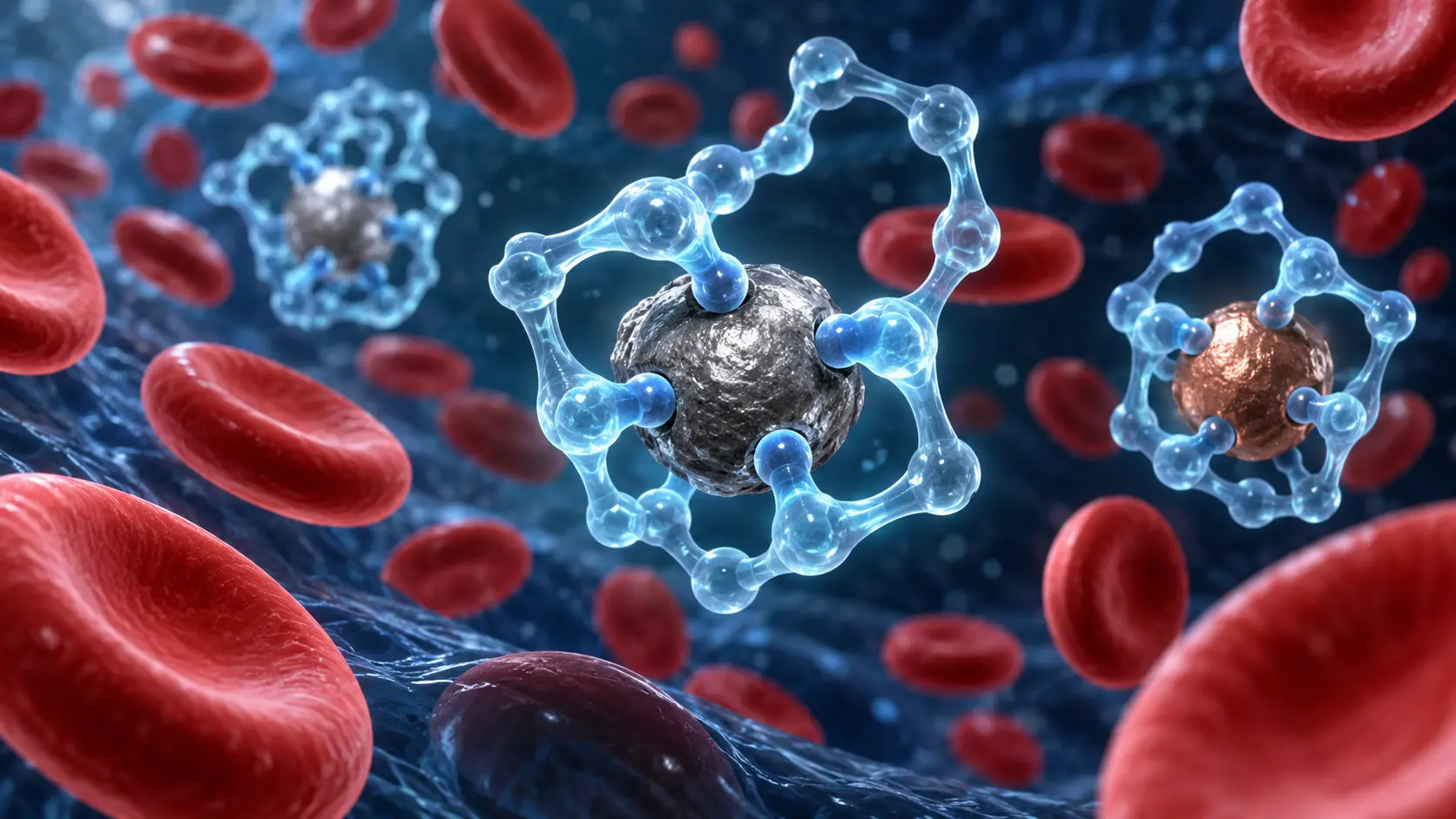
Chelation therapy involves administering chelating agents — substances that bind to heavy metals in the bloodstream and allow them to be excreted through the urine. The most commonly used agents are EDTA, DMSA, and DMPS. Its primary, evidence-supported use is in the treatment of confirmed heavy metal poisoning, such as lead, mercury, or arsenic toxicity. Outside of that specific context, its role is far more limited than wellness marketing often suggests.
Treatment is delivered either intravenously or orally, depending on the metal involved and the severity of exposure. Importantly, chelation is not a passive or risk-free process — it requires clinical diagnosis, appropriate agent selection, and close medical monitoring throughout.
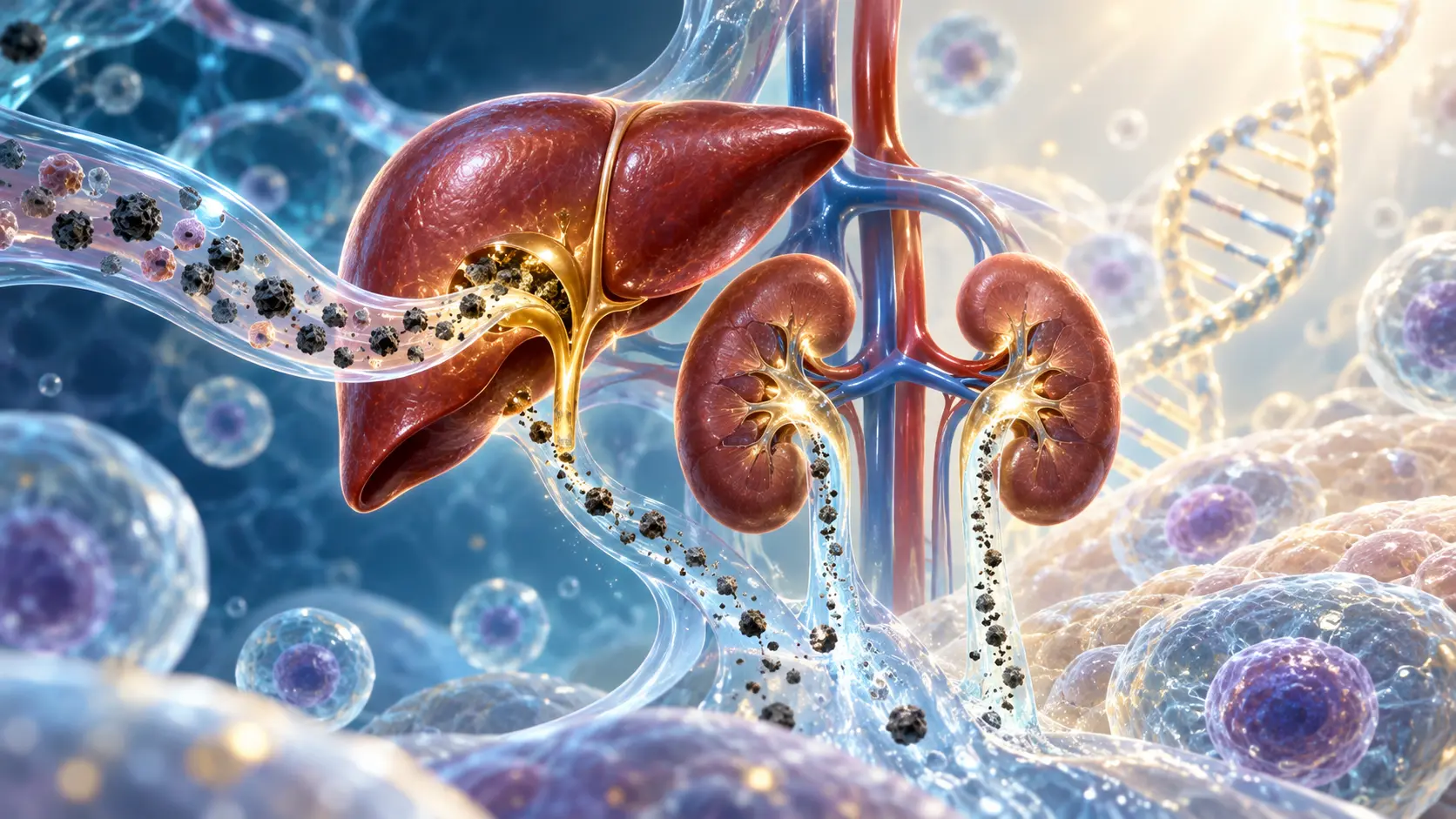
Understanding what chelation can and cannot do is relevant in the broader context of liver, kidney, and detox health. As part of our coverage of the Liver, Kidney, and Detox Longevity cluster, this article focuses specifically on whether chelation therapy is an effective or appropriate longevity tool — and what the evidence actually says.
Is Chelation Therapy Effective for Heavy Metal Poisoning?
For confirmed heavy metal poisoning, chelation therapy is effective and medically established. Regulatory bodies including the FDA have approved specific chelating agents for treating lead, mercury, and arsenic toxicity. In clinical settings, chelation demonstrably reduces circulating metal levels and, when used appropriately, can alleviate associated symptoms such as neurological impairment, fatigue, and organ stress.
However, effectiveness in this context depends critically on two things: a confirmed diagnosis of heavy metal toxicity and proper administration under medical supervision. Chelation applied without this foundation is not simply ineffective — it carries meaningful risk.
For the general population without diagnosed heavy metal toxicity, there is no reliable evidence that chelation therapy removes harmful substances, improves organ function, or extends healthspan. The liver and kidneys already perform continuous detoxification as part of their normal function. In practice, supporting those organs through lifestyle — rather than chelation — is the evidence-based approach. Learn more in our complete guide to longevity.
Potential Benefits and Risks
Where Chelation Therapy Has a Legitimate Role
The clearest benefit of chelation therapy is in acute or chronic heavy metal poisoning. In these cases, removing toxic metals from circulation can prevent or reduce damage to the kidneys, nervous system, and other organs. This is a genuine, clinically important application — but it applies to a specific and relatively uncommon medical situation, not to general wellness or aging.
Some trials, including the TACT trial, have explored whether EDTA chelation might reduce cardiovascular events in certain high-risk populations. Results were modest and have not led to mainstream clinical adoption. The evidence in this area remains inconclusive, and chelation is not a recognised cardiovascular treatment in standard medical practice.
Risks and Side Effects
Chelation therapy carries real risks, even when administered by qualified practitioners. The most significant include kidney damage — particularly relevant given that the kidneys are the primary route of metal excretion during treatment — as well as dangerously low calcium levels (hypocalcaemia), electrolyte imbalances, and allergic reactions.
Less severe but common side effects include nausea, dizziness, and headache. Additionally, chelating agents are not selective: they can bind to essential minerals such as zinc, calcium, and copper, potentially depleting them if treatment is prolonged or poorly managed.
When chelation is administered without a genuine clinical indication — as sometimes occurs in wellness or alternative health settings — the risk-to-benefit ratio is unfavourable. There is no meaningful benefit to offset the potential for kidney stress or mineral depletion in someone without heavy metal toxicity.
What the Evidence Actually Shows
Current evidence supports chelation therapy for one thing clearly: treating diagnosed heavy metal poisoning. Beyond that, the evidence base becomes substantially weaker.
Claims that chelation can reverse arterial calcification, slow aging, improve cognitive function, or act as a general detox protocol are not supported by consistent, high-quality evidence. Many such claims circulate in wellness contexts and rely on anecdote or extrapolation from the therapy’s legitimate medical application.
It is also worth distinguishing chelation from the body’s own detoxification processes. The liver and kidneys continuously filter, metabolise, and excrete waste products and environmental chemicals. That said, this natural capacity does not extend to removing accumulated heavy metals efficiently — which is precisely why chelation exists as a medical intervention for toxicity cases. However, for the vast majority of people, the most effective way to support detoxification is to reduce toxic load through lifestyle: limiting alcohol, avoiding smoking, reducing processed food intake, and minimising environmental chemical exposure. For a broader look at how lifestyle affects toxic load, see our article on whether lifestyle can reduce toxic load.
Commercial “detox” products — including some marketed as alternatives to chelation — are not supported by clinical evidence and do not meaningfully replicate what the liver and kidneys do naturally. In contrast, chelation therapy is at least a real medical intervention, but one with a narrow and specific appropriate use case.
References and Resources
The following sources provide reliable, evidence-based information on chelation therapy, its approved uses, and its limitations:
Authoritative Sources on Chelation Therapy
-
FDA Guidelines on Chelation
fda.govOfficial FDA information on approved chelating agents, their indications, and safety requirements.
-
Review of Chelation Therapy for Heavy Metal Toxicity
ncbi.nlm.nih.govA peer-reviewed review covering the scientific evidence for chelation in heavy metal detoxification and its clinical safety profile.
-
WebMD on Chelation Therapy
webmd.comAccessible overview of chelation therapy’s uses, risks, and what to consider before treatment.
-
American Academy of Emergency Medicine
aaem.orgClinical perspective on the appropriate and inappropriate uses of chelation therapy in emergency and general medicine.
-
Meta-Analysis on Chelation and Heart Disease
ncbi.nlm.nih.govExamines the available evidence on EDTA chelation for cardiovascular outcomes, including the TACT trial findings.
-
National Institute of Environmental Health Sciences
niehs.nih.govDetailed information on heavy metal toxicity, exposure pathways, and medically recognised treatment approaches.
-
Mayo Clinic on Chelation Therapy
mayoclinic.orgExpert medical overview covering indications, risks, and the current state of research on chelation therapy.
Frequently Asked Questions
Is chelation therapy effective for heavy metal poisoning?
Yes — for confirmed heavy metal poisoning, chelation therapy is a clinically established and effective treatment. It is FDA-approved for specific metals including lead and has a well-documented record of reducing toxic metal levels under medical supervision. However, proper diagnosis must come first. Chelation should not be self-administered or pursued without a confirmed clinical indication.
Can chelation therapy improve cardiovascular health?
The evidence is inconclusive. Some trials, including the TACT trial, reported modest cardiovascular benefits in certain high-risk groups, but the findings have not been replicated consistently enough to support chelation as a standard cardiovascular treatment. It is not currently recommended for this purpose in mainstream clinical practice.
What are the main risks associated with chelation therapy?
The most significant risks include kidney damage, hypocalcaemia (dangerously low calcium), electrolyte imbalances, and depletion of essential minerals such as zinc and copper. Allergic reactions and symptoms including nausea and dizziness can also occur. These risks are manageable under expert supervision but become unacceptable when chelation is used without a genuine clinical indication.
Is chelation therapy useful as a general detox or longevity treatment?
No. There is no reliable evidence that chelation therapy improves outcomes for people without heavy metal toxicity. The liver and kidneys handle everyday detoxification continuously and efficiently. Supporting those organs through lifestyle — reducing alcohol, maintaining a healthy weight, controlling blood pressure, and staying hydrated — is far better supported by evidence than chelation for general health or longevity purposes.
Conclusion
Chelation therapy has a clear, evidence-based role in medicine: treating confirmed heavy metal poisoning under close clinical supervision. In that context, it is effective and can prevent serious organ damage. Outside of it, however, the evidence does not support its use as a detox protocol, a longevity tool, or a general health intervention.
For most people, the more meaningful question is not whether chelation therapy works, but whether everyday lifestyle choices are adequately supporting the organs that actually manage detoxification — the liver and kidneys. Reducing alcohol intake, avoiding smoking, managing blood pressure, and limiting unnecessary chemical exposures are all well-evidenced approaches. Chelation, by contrast, is a narrow medical treatment that carries real risks when misapplied.
If you are concerned about heavy metal exposure, the appropriate first step is testing and diagnosis through a qualified medical professional — not self-directed chelation. For a broader understanding of how the liver and kidneys age and what genuinely supports their function over time, see our hub on Liver, Kidney, and Detox Longevity.
Find out more information about chelation therapy
Search for more resources and information: