
Can Playing Music Increase Bdnf Levels?
Introduction
TL;DR: Playing music may help increase BDNF levels, or at least support the brain processes linked to BDNF, because it combines learning, movement, attention, emotion, and sensory stimulation in one activity. It is not a guaranteed shortcut to higher BDNF, but research suggests music-making can support neuroplasticity, mood, and long-term brain health.
Playing music may help increase BDNF levels, or at minimum support the kind of brain activity associated with higher BDNF and better neuroplasticity. Evidence suggests that active music-making challenges memory, attention, coordination, emotion, and sensory processing all at once, which may stimulate brain adaptation and resilience. It is not as well established as exercise for raising BDNF, but it appears to be a promising brain-healthy activity.
This matters because BDNF, or brain-derived neurotrophic factor, is one of the key proteins involved in learning, memory, mood regulation, and neural repair. Activities that support BDNF are often linked with better brain plasticity, healthier aging, and stronger cognitive function over time.
That makes music more than entertainment. It may also be part of a broader strategy for supporting brain health, cognition, and healthspan. Learn more in our complete guide to longevity.
Understanding BDNF and Its Role in the Brain
What Is BDNF and Why Is It Important?
BDNF stands for brain-derived neurotrophic factor. It is a protein that helps neurons survive, grow, adapt, and communicate. BDNF is especially important for neuroplasticity, which is the brain’s ability to form new connections and refine existing ones in response to challenge and learning.
Higher or better-supported BDNF signaling is associated with learning, memory formation, mood regulation, and healthier brain aging. Lower BDNF has been linked in some research with depression, cognitive decline, and poorer neural resilience. This is one reason BDNF is often discussed in relation to exercise, learning, mental health, and brain longevity.
Because BDNF helps the brain adapt, activities that stimulate it are often seen as especially valuable for long-term cognitive health.
How BDNF Affects Neuroplasticity and Mental Health
BDNF supports the brain’s ability to respond to experience. When the brain learns a new skill, practices a movement pattern, or adapts to repeated mental challenge, BDNF appears to help stabilize and strengthen those changes. This makes it relevant not only to memory and learning, but also to recovery, resilience, and emotional regulation.
Research suggests that activities which support BDNF may also help mood, especially when they are enjoyable, effortful, and repeated over time. That is one reason music is so interesting in this context. It combines challenge, reward, repetition, and emotional engagement in a way that may support both cognitive and mental health.
In practical terms, BDNF is one of the key biological links between lifestyle and a more adaptable brain.
How Playing Music May Influence BDNF Levels
Scientific Evidence Supporting Music and BDNF
Research suggests that active musical engagement may influence BDNF, although the evidence is still developing and is not as large or consistent as the evidence for aerobic exercise. Some studies have reported changes in BDNF or related markers after music-based interventions, particularly in rehabilitation, learning, and emotionally engaging musical activity.
The strongest case for music is not that every session directly causes a measurable BDNF spike, but that music-making supports the broader conditions associated with healthy neuroplasticity. It challenges coordination, auditory processing, attention, timing, memory, and emotional expression, all of which appear relevant to brain adaptation.
That means the best interpretation is cautious but positive: playing music may support BDNF-related processes, especially when practiced regularly.
Mechanisms Behind Music-Driven BDNF Support
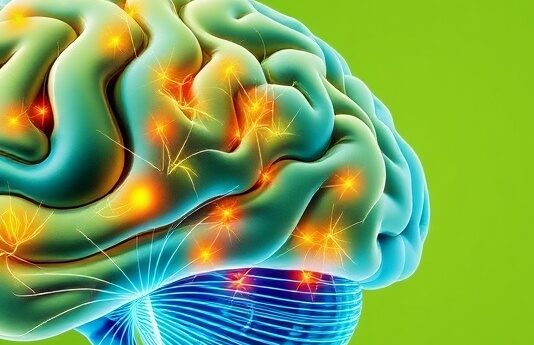
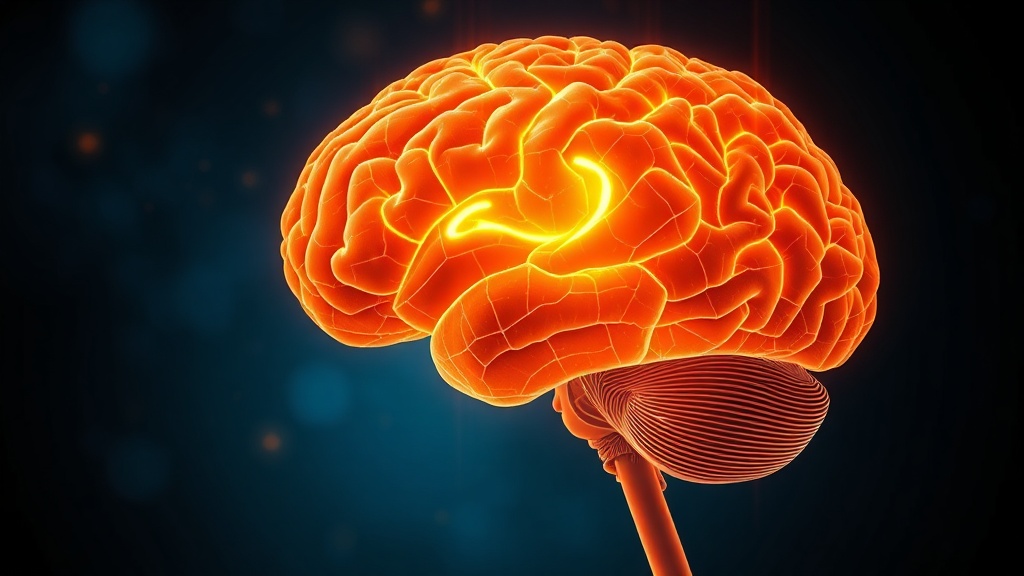
Playing music activates multiple brain regions at the same time. It may involve the auditory cortex, motor cortex, emotional circuits, memory systems, and attentional control networks in a single practice session. This wide neural recruitment may help explain why music is so often associated with plasticity and learning.
Emotion may also matter. Rewarding and enjoyable activities are often easier to repeat consistently, and repetition is important for long-term neural adaptation. Music can also reduce stress and improve mood, which may indirectly support healthier brain function.
In some cases, playing music may overlap with light physical activation, breathing control, posture, and rhythmic movement. These may add to its overall brain benefits, even if they are not the main reason BDNF changes.
What the Evidence Suggests About Music, Neuroplasticity, and Brain Health
Why Music Is Plausibly Brain-Protective
Even where direct BDNF evidence is limited, the broader neuroscience around music is strong enough to make music-making a plausible brain-supportive activity. Musical training is associated with neuroplasticity, improved attention, better auditory processing, and in some studies better cognitive resilience across the lifespan.
This is relevant to aging because the brain benefits from repeated challenge. Complex learning helps preserve flexibility, and music combines mental effort with emotion, timing, and coordination. That makes it different from passive leisure and closer to a full cognitive workout.
For that reason, music may support not only immediate mood and engagement, but also longer-term brain health.
How Music Compares With Other BDNF-Supportive Activities
Exercise remains the most established lifestyle strategy for increasing BDNF, especially aerobic exercise. Research suggests endurance training can improve mitochondrial function and support pathways such as AMPK and PGC-1α, which are closely linked with energy metabolism, recovery, and healthy aging. Music does not replace those benefits.
However, music may complement them well. Exercise supports the brain biologically through circulation, metabolism, and inflammation control. Music supports the brain cognitively and emotionally through learning, attention, memory, and sensory integration. Together, they may form a stronger brain-health strategy than either one alone.
This is why music is best viewed as part of a broader lifestyle approach rather than a stand-alone intervention.
Practical Tips to Maximize BDNF Support Through Playing Music
Incorporating Musical Practice Into Your Routine
Consistency matters more than intensity. Short, regular sessions are more likely to support neuroplasticity than occasional long sessions. For many people, fifteen to thirty minutes a day of active music-making is a practical starting point.
Playing an instrument, singing, improvising, learning new pieces, or practicing rhythm and coordination drills can all be useful. The most effective musical activity is usually the one that is challenging enough to demand focus and enjoyable enough to repeat often.
Beginners do not need advanced skill to benefit. Learning itself is part of the value because it forces the brain to adapt.
Enhancing the Impact of Musical Activities
To make musical practice more brain-supportive, focus on active engagement rather than passive repetition. Learning unfamiliar material, practicing timing, memorizing short passages, or coordinating voice and movement may increase the cognitive challenge.
Emotional engagement also seems important. Music that feels meaningful, enjoyable, or expressive may be easier to sustain and may support stronger mood-related benefits. For some people, group music-making adds another layer through social connection, which is itself beneficial for long-term brain health.
Combining music with other healthy habits may be the strongest approach. Better sleep, regular exercise, good nutrition, and stress management all support the biological environment in which neuroplasticity happens. Music may then add a powerful layer of focused cognitive and emotional stimulation.
References and Resources
These resources provide useful background on music, neuroplasticity, BDNF, and how active musical engagement may support cognitive and emotional health.
Authoritative Sources on Playing Music Increase BDNF Levels
-
Music and Brain Plasticity: A Review
ncbi.nlm.nih.govReviews how musical training influences neuroplasticity and brain adaptation, which is central to the BDNF discussion.
-
Music Training and BDNF in Neurorehabilitation
frontiersin.orgExplores how music-based interventions may influence BDNF and brain recovery in rehabilitation settings.
-
Understanding Depression and Neuroplasticity
psychiatry.orgProvides context on mood, brain plasticity, and why activities that support neuroplasticity may matter for mental health.
-
Music and Neurotrophic Factors: Experimental Evidence
nature.comProvides experimental evidence relevant to neurotrophic factors and the biological plausibility of music-related brain changes.
-
Music Therapy and Mental Health
ama-assn.orgDiscusses how music-based interventions may influence brain and emotional health through neurobiological pathways.
-
How Music Makes Your Brain Better
psychologytoday.comA general-audience overview of the cognitive and emotional benefits associated with active musical engagement.

-
Music and Brain Aging
nejm.orgProvides broader context on how enriched, cognitively demanding activities may influence brain aging.
Frequently Asked Questions
Does playing music actually increase BDNF levels in the brain?
It may. Research suggests playing music can support brain plasticity and may influence BDNF or related neurotrophic processes, although the evidence is still developing and not as strong as the evidence for exercise.
Can there be immediate effects on BDNF after playing music?
There may be short-term mood and focus benefits after active music-making, and some studies suggest acute neurobiological effects are possible. However, the most meaningful benefits are likely to come from repeated practice over time rather than one brief session.
How does playing music compare to other activities that increase BDNF?
Exercise remains the most established way to support BDNF. Music may still be valuable because it adds cognitive, sensory, and emotional challenge, making it a strong complementary activity rather than a replacement.
Is there scientific evidence supporting the idea that playing music can increase BDNF levels?
Yes, there is emerging evidence, especially in music training and neurorehabilitation research. The findings are promising, but they are still less definitive than the evidence linking exercise with BDNF.
Conclusion
Playing music may help support BDNF-related brain benefits by promoting neuroplasticity, emotional engagement, learning, and coordinated sensory-motor activity. While the evidence is still evolving, music appears to be a meaningful and enjoyable way to support brain health.
The strongest conclusion is practical rather than extreme: active music-making is unlikely to be the single best way to raise BDNF, but it may be a valuable part of a brain-healthy lifestyle built around exercise, sleep, learning, and long-term cognitive engagement.
Find out more information about “Playing Music Increase BDNF Levels”
Search for more resources and information: