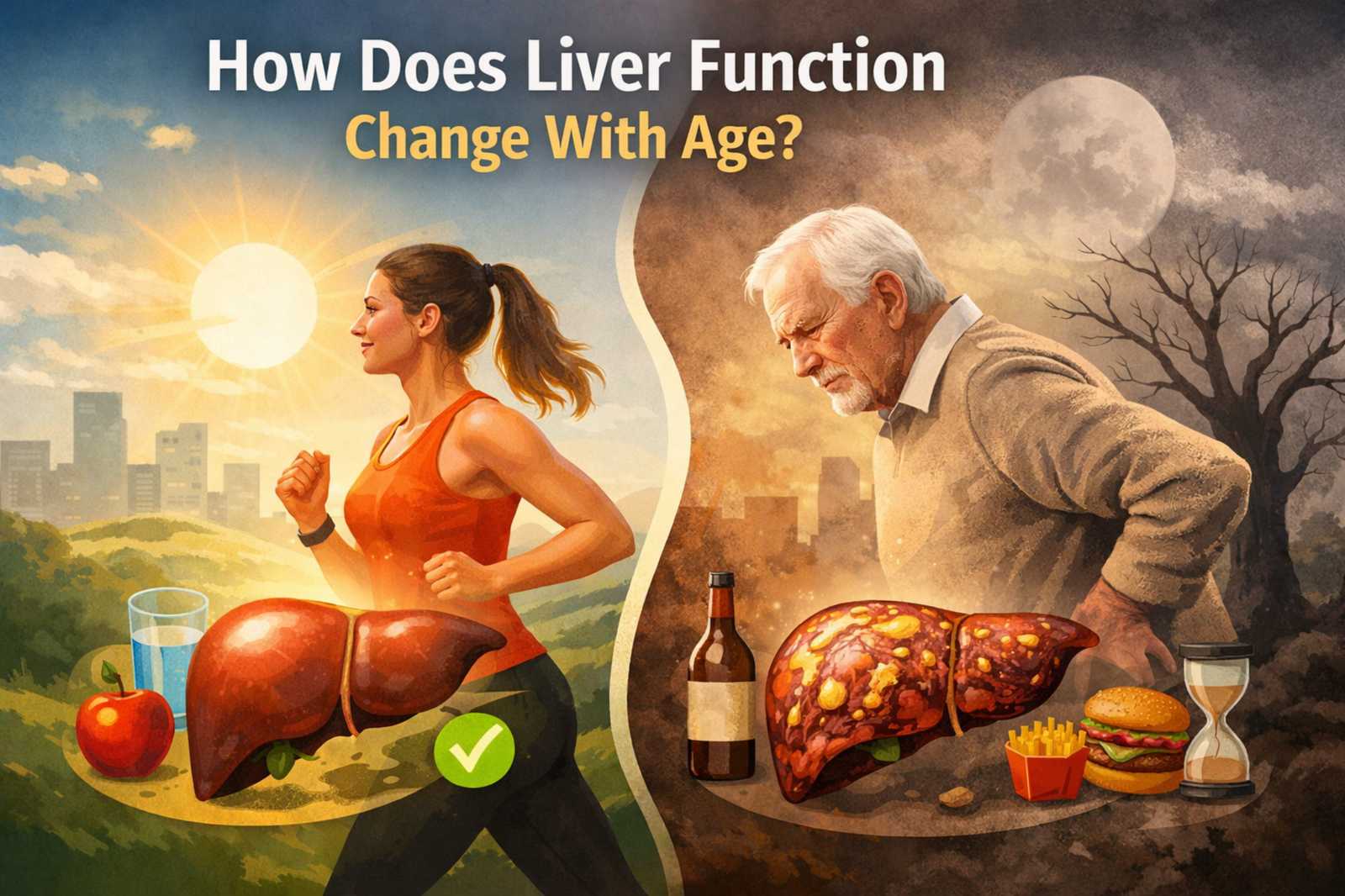
How Does Liver Function Change With Age?
Introduction
Yes, liver function can change with age. In healthy adults, these changes are often mild, but aging may reduce liver blood flow, slow some aspects of drug metabolism, and slightly lower the liver’s regenerative capacity. The overall impact varies widely depending on lifestyle, body composition, alcohol intake, medication use, and the presence of liver disease.
TL;DR: Liver function can change with age, but the decline is usually gradual rather than dramatic. The biggest risks often come from fatty liver disease, alcohol, obesity, medications, and metabolic problems rather than aging alone.
The liver remains remarkably resilient throughout life, but it does not stay exactly the same. Age-related changes can affect how the body processes medications, manages metabolism, and recovers from stress or illness. Learn more in our complete guide to longevity.
This matters because the liver plays a central role in detoxification, nutrient handling, protein synthesis, and metabolic health. Understanding how liver function changes with age can help support healthspan, improve lifestyle choices, and reduce avoidable strain on this essential organ.
Understanding Liver Changes Over Time
The liver changes gradually with age. Research suggests that liver size may decrease slightly, blood flow may decline, and some aspects of cellular function may become less efficient. These shifts are often subtle in otherwise healthy people.
That means aging alone does not usually cause liver failure or major dysfunction. However, older adults may be more vulnerable to the effects of alcohol, medication buildup, fatty liver disease, and chronic metabolic stress.
One important point is that the liver’s regenerative ability remains strong, but it may be slower than in younger adults. This can matter after illness, surgery, or long-term exposure to damaging factors.
Because the liver is so closely linked to metabolism, body weight, blood sugar control, and inflammation also influence how well it functions over time. In practice, liver aging is often shaped as much by lifestyle as by chronological age.
Does Liver Function Change With Age?
Yes, liver function changes with age, but usually in modest ways. The most relevant changes involve reduced liver blood flow, slower drug clearance in some cases, and a slightly lower ability to recover from injury or prolonged stress.
These changes can affect how older adults respond to medications. A dose that is well tolerated at 40 may be processed differently at 70, especially if kidney function, nutrition, or body composition has also changed.
Are There Signs That Liver Function Declines with Age?
Early changes in liver function often cause no obvious symptoms. That is why liver issues are frequently picked up through blood tests, imaging, or medication side effects rather than through symptoms alone.
When liver health does worsen, possible signs can include fatigue, abdominal discomfort, easy bruising, jaundice, swelling, appetite loss, or digestive changes. These symptoms are not specific to liver disease, but they may justify medical evaluation.
In many cases, age-related liver concerns are driven less by aging itself and more by common conditions such as non-alcoholic fatty liver disease, insulin resistance, obesity, viral hepatitis, or long-term alcohol use. That distinction is important because many of these risks are at least partly modifiable.
Factors Influencing Liver Function as We Age
Lifestyle Choices and Liver Health
Lifestyle has a major influence on liver health with age. Alcohol intake, excess body fat, poor diet quality, physical inactivity, and chronic overnutrition can all increase liver stress and worsen metabolic function.
A nutrient-dense diet, regular exercise, good sleep, and weight management help protect the liver by reducing inflammation, improving insulin sensitivity, and lowering the risk of fatty liver disease. These same habits also support healthy aging more broadly.
Exercise is especially valuable because it helps improve metabolism even without dramatic weight loss. Better metabolic health often translates into better liver health.
Medical Conditions That Affect Liver Function with Age
Several conditions become more common with age and can have a stronger effect on liver function than aging alone. These include fatty liver disease, type 2 diabetes, obesity, hepatitis, cirrhosis, and medication-related liver stress.
Polypharmacy is another important issue. Older adults often take more medications, and that increases the chance of interactions or liver strain. This is one reason regular medical review becomes more important over time.
Routine check-ups, appropriate blood testing, and follow-up when risk factors are present can help identify problems before they become advanced. In many cases, early intervention makes a substantial difference.
How to Support Liver Health with Age
Supporting liver health with age usually comes down to reducing avoidable stress on the liver and improving metabolic resilience. The most useful strategies are often simple and consistent rather than extreme.
Limiting alcohol, maintaining a healthy body weight, staying physically active, eating mostly minimally processed foods, and avoiding unnecessary medication use can all help. These habits reduce the risk of fatty liver disease and support better long-term liver function.
Regular physical activity matters for both metabolism and liver health. Aerobic exercise improves endurance and insulin sensitivity, while resistance training helps preserve muscle mass and improve glucose control. Together, they support healthier aging and may reduce liver fat.
It is also sensible to review medications and supplements periodically, especially with a clinician if there are existing liver issues, multiple prescriptions, or changes in symptoms. Not every “liver support” product is helpful, and some supplements may even be harmful.
For people with risk factors such as obesity, diabetes, heavy alcohol intake, or previous abnormal liver tests, regular monitoring becomes more important. In that context, biomarkers such as liver enzymes and imaging may help guide action.
References and Resources
These resources provide useful background on aging, liver function, liver disease, and testing.
Authoritative Sources on Liver Function and Aging
- National Institutes of Health (NIH) – Liver Aging
nih.gov
A broad starting point for research on how liver structure and function change with age and how those changes affect health.
- World Health Organization – Liver Disease and Aging
who.int
Provides broader public health context on liver disease prevention and healthy aging.
- Mayo Clinic – Liver Function Tests
mayoclinic.org
Useful for understanding common liver blood tests and what they may indicate.
- American Society for Liver Diseases
asld.org
Provides professional guidance and research updates on liver disease, diagnosis, and management.
- Centers for Disease Control and Prevention (CDC) – Liver Diseases
cdc.gov
Offers practical information on liver disease risk factors, prevention, and screening.
- Academic Journals on Liver Aging
wiley.com
A source for peer-reviewed articles on liver aging, regeneration, metabolism, and disease mechanisms.
- Healthline – Liver Health and Aging
healthline.com
Provides a more accessible overview of liver health, aging, and lifestyle habits that may help support function.

- Medical News Today – Liver Aging
medicalnewstoday.com
Summarizes liver health topics and recent research in plain language.
Frequently Asked Questions
Frequently Asked Questions
Does liver function decline significantly with age?
Usually not in healthy people. Liver function can change with age, but the decline is often mild. Bigger problems are more likely when aging is combined with fatty liver disease, alcohol misuse, obesity, diabetes, or chronic liver conditions.
What are the main signs that liver function is deteriorating as I age?
Possible signs include fatigue, abdominal swelling or discomfort, jaundice, easy bruising, appetite loss, or abnormal blood tests. Many early liver problems cause no obvious symptoms, which is why routine testing can be useful when risk factors are present.
Can lifestyle changes help preserve liver function as I age?
Yes. Limiting alcohol, staying active, improving diet quality, managing body weight, and controlling blood sugar can all support liver health and reduce the risk of fatty liver disease and metabolic stress.
Is it possible to reverse age-related liver decline?
Some age-related changes are normal, but many liver problems linked with aging are at least partly reversible or improvable. Fatty liver disease, for example, often responds to weight loss, exercise, and better metabolic health.
How does liver function changing with age impact medication metabolism?
Older adults may process some medications more slowly because liver blood flow and metabolic activity can decline with age. That can change the ideal dose or increase the risk of side effects, which is why medication review becomes more important over time.
Conclusion
Liver function does change with age, but in many healthy adults the changes are gradual and manageable. The more important issue is often how aging interacts with lifestyle, metabolic health, alcohol use, medications, and liver disease risk.
The best way to support liver health over time is to reduce avoidable stress on the liver, maintain a healthy body composition, stay physically active, and monitor relevant biomarkers or liver tests when risk factors are present. That approach can help protect both liver function and overall healthspan as you age.
Find out more information about “Does liver function change with age?”
Search for more resources and information: